
Chembur
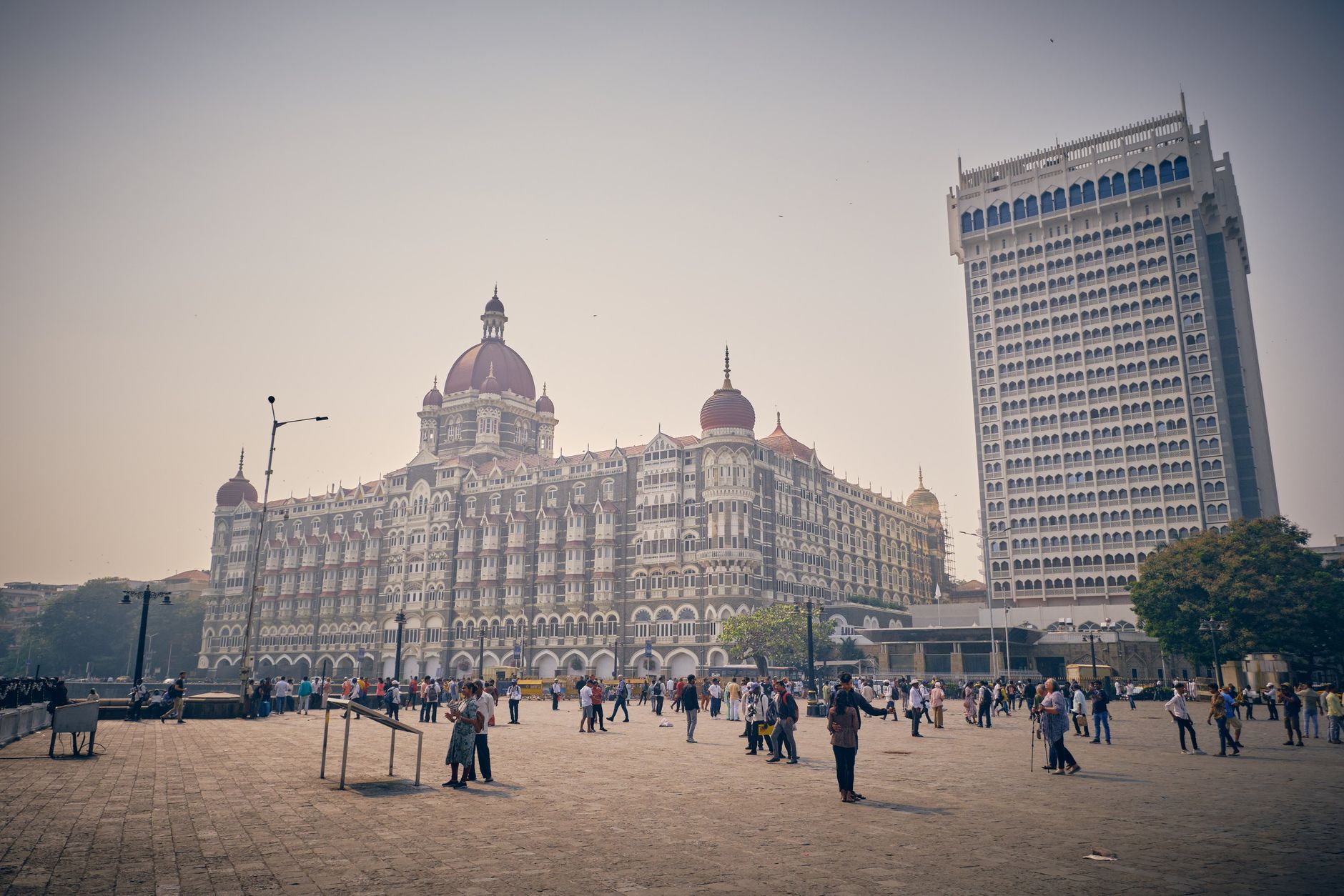
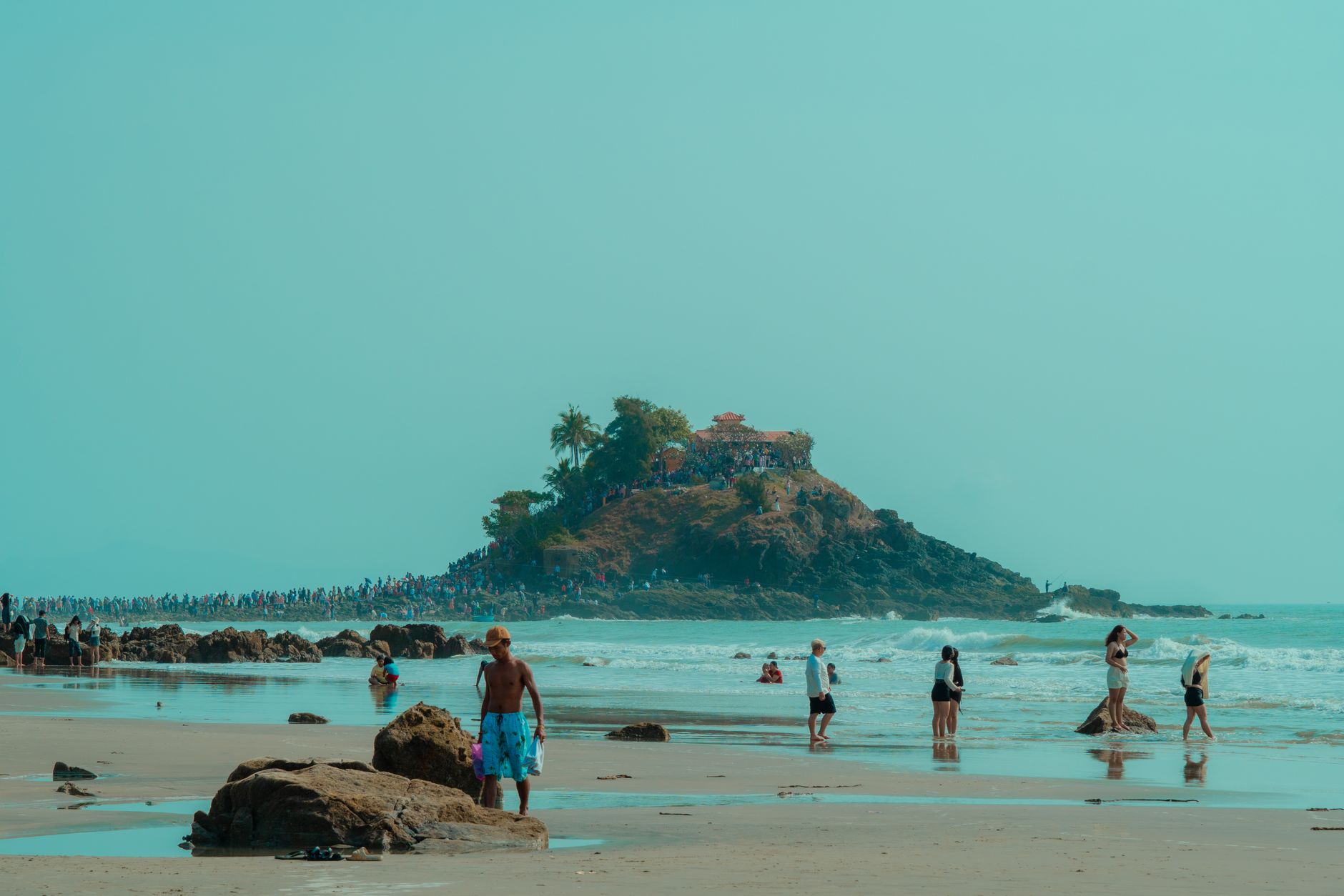
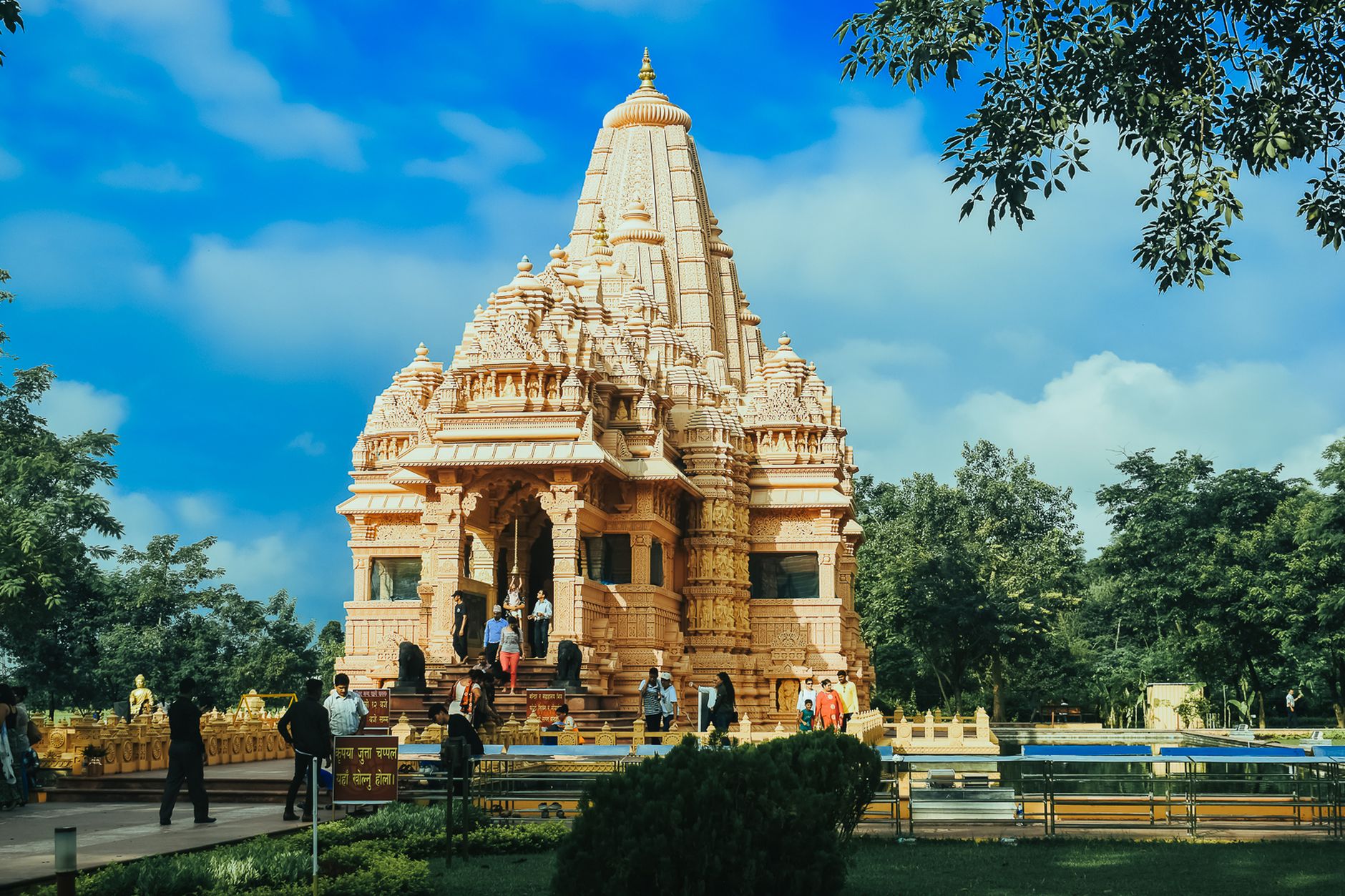
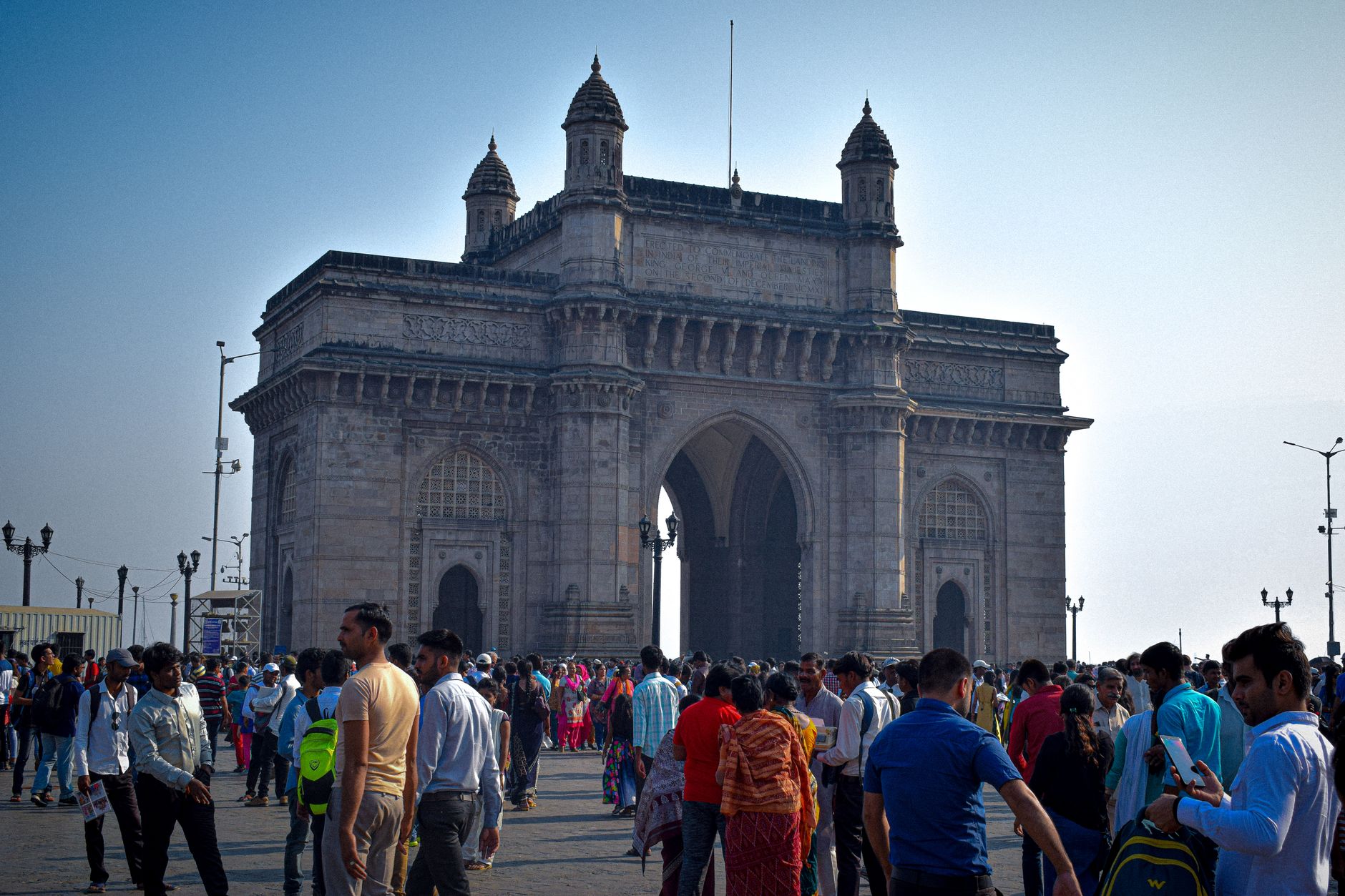
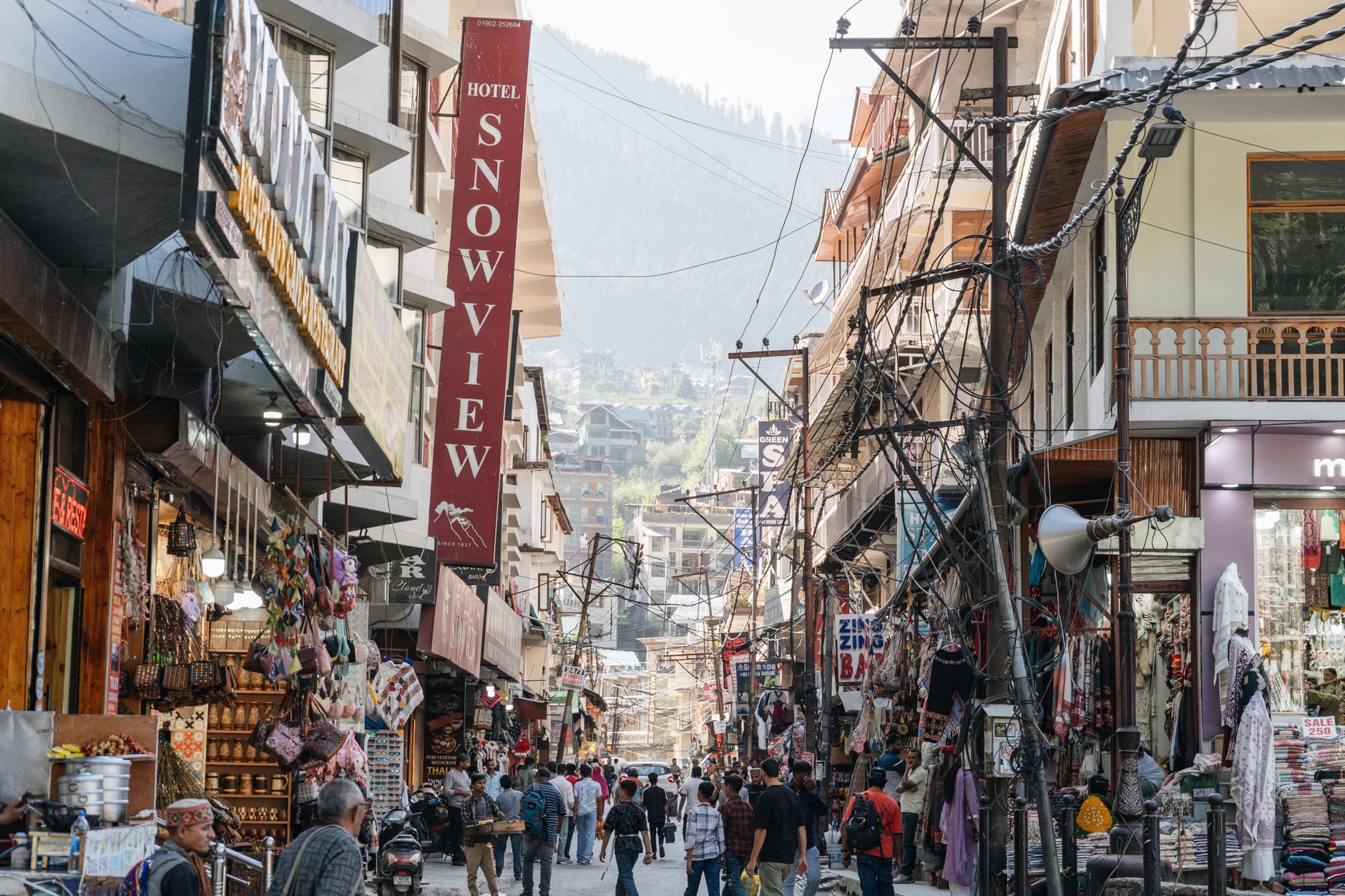
A stone inscription from 1184 AD, unearthed here in 1882, records the revenue of a village called Vadhivli — which gives you a sense of how long people have been quietly getting on with things in Chembur. The name itself is a corruption of the Marathi word for large crab, softened by English tongues that couldn't manage the original.
Today Chembur is a residential suburb on Mumbai's eastern flank, shaped as much by partition-era refugee settlements and Bombay Housing Board colonies as by any grand plan. Dayanand Saraswati Marg runs its spine, shaded and unhurried. The Harbour Line and the monorail connect it outward; the market, the old eateries, and the golf club keep it anchored to itself.
💛 What travellers fall for
People who keep coming back tend to arrive hungry. Vig Refreshments on the main stretch has been serving Dal Pakwan and Sev Barfi since 1965 — Sindhi cooking, Chembur institution. After that, the Fine Arts Society calendar rewards checking in advance; a classical music evening in its 1,300-seat auditorium is genuinely worth planning around.
Deals in Chembur
Book directly at the provider


How Chembur came to be
A 12th-century inscription ties this ground to the Shilahara king Aparaditya I, who ruled the north Konkan coast between 1170 and 1197 AD. Seven centuries later, the British laid a railway line through here in 1906 — initially for garbage trains. Passenger service followed in 1924, and Chembur was absorbed into Greater Bombay in 1945.
The suburb's modern character was largely set in the years after Partition, when refugee camps were established here and Trombay's industrial growth drove demand for housing. Between 1955 and 1958, the Bombay Housing Board built out Station Colony, Shell Colony, and Township Colony, converting an industrial fringe into the layered, lived-in neighbourhood it remains.
Who and what shaped it
People who shaped it
Landmark buildings
See Chembur in motion
Plan your visit
On the map
When to go
December through February brings the most agreeable conditions — warm days, cooler evenings, and low humidity. The monsoon runs June to September with heavy, sustained rain; if you visit then, build in time to simply wait it out somewhere with good food.
Right now
Background & history adapted from Wikipedia (CC BY-SA) · specs from Wikidata (CC0) · weather from Open-Meteo · map data © OpenStreetMap contributors · photos from Wikimedia Commons / Unsplash with per-image credit. No third-party reviews or social posts reproduced.