
Kurla
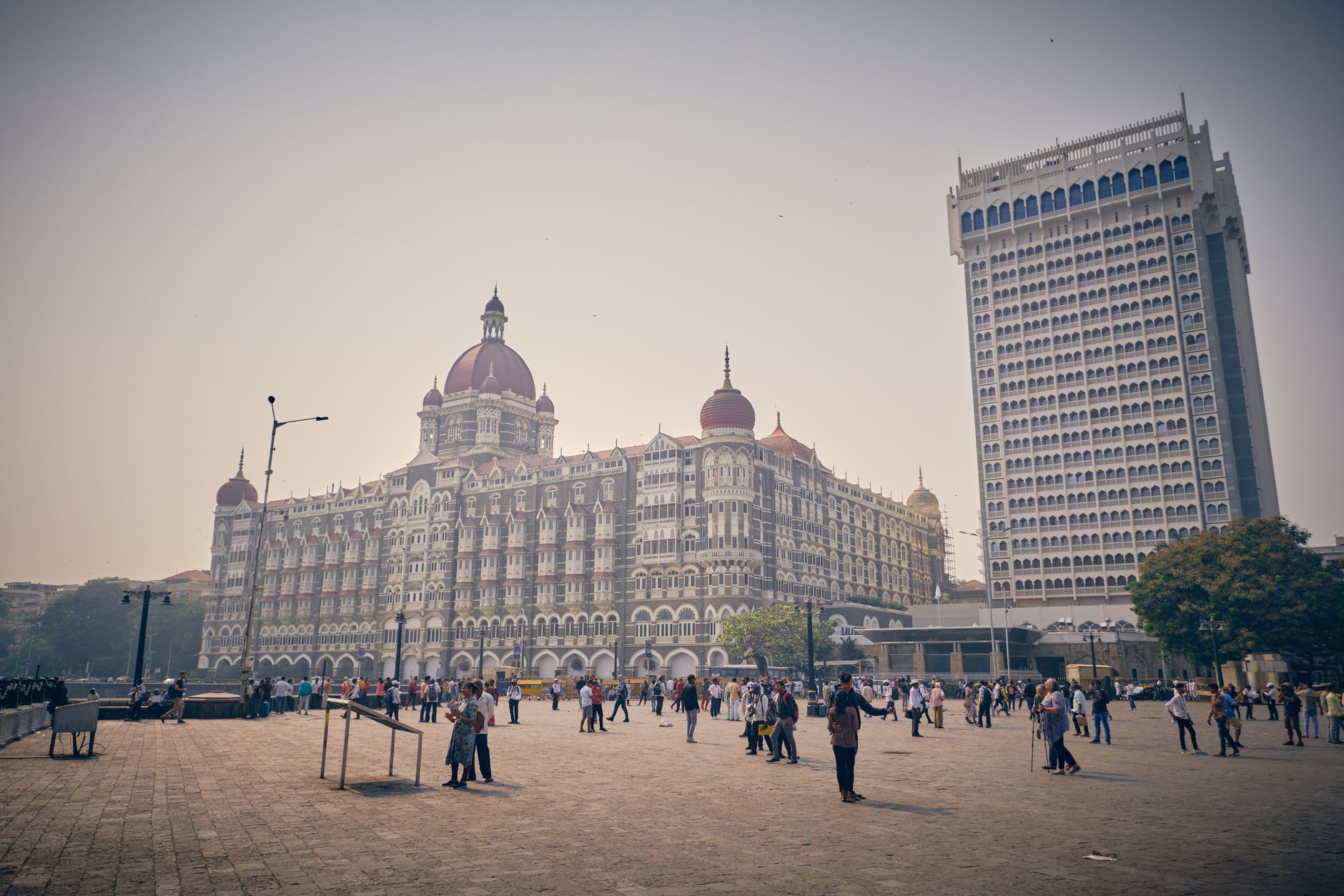
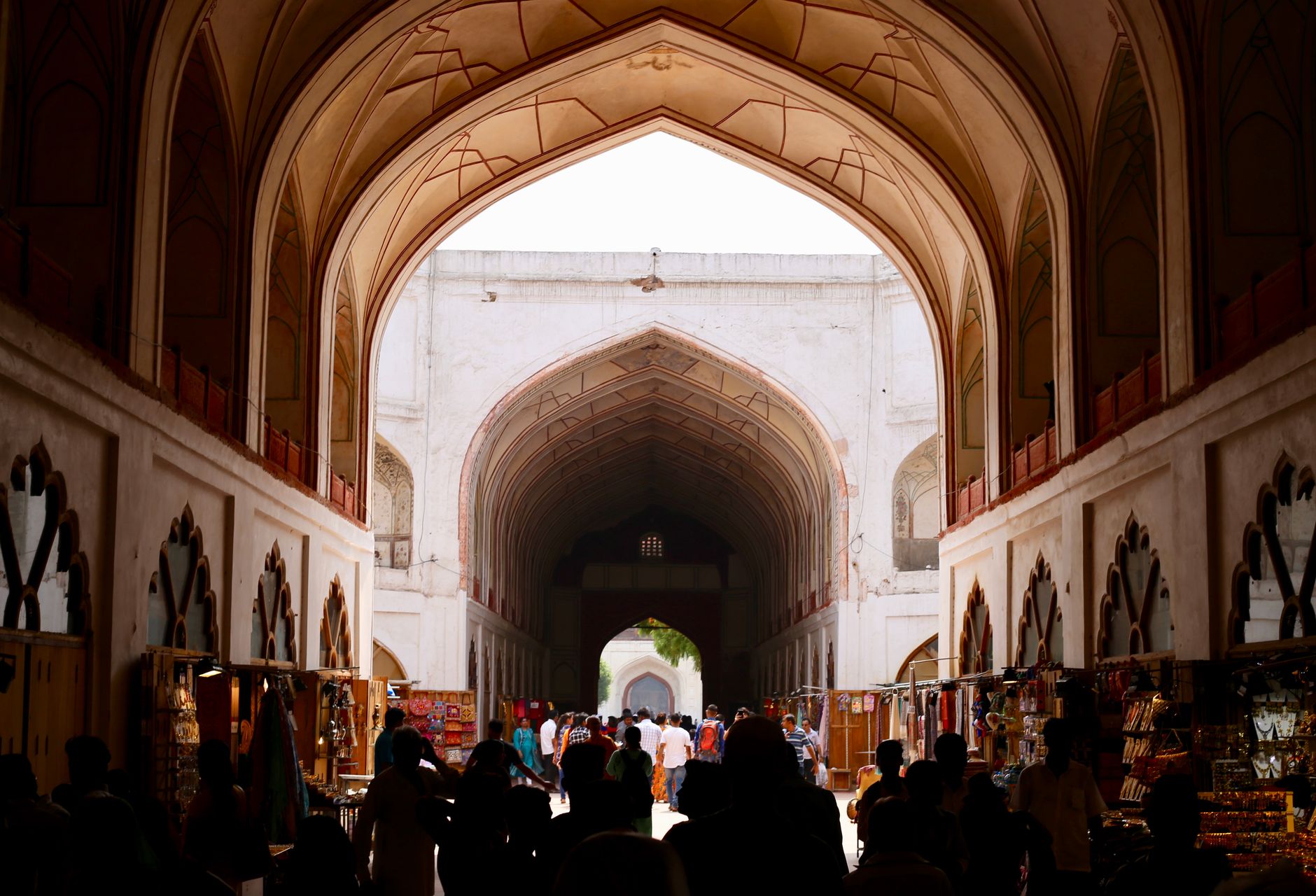
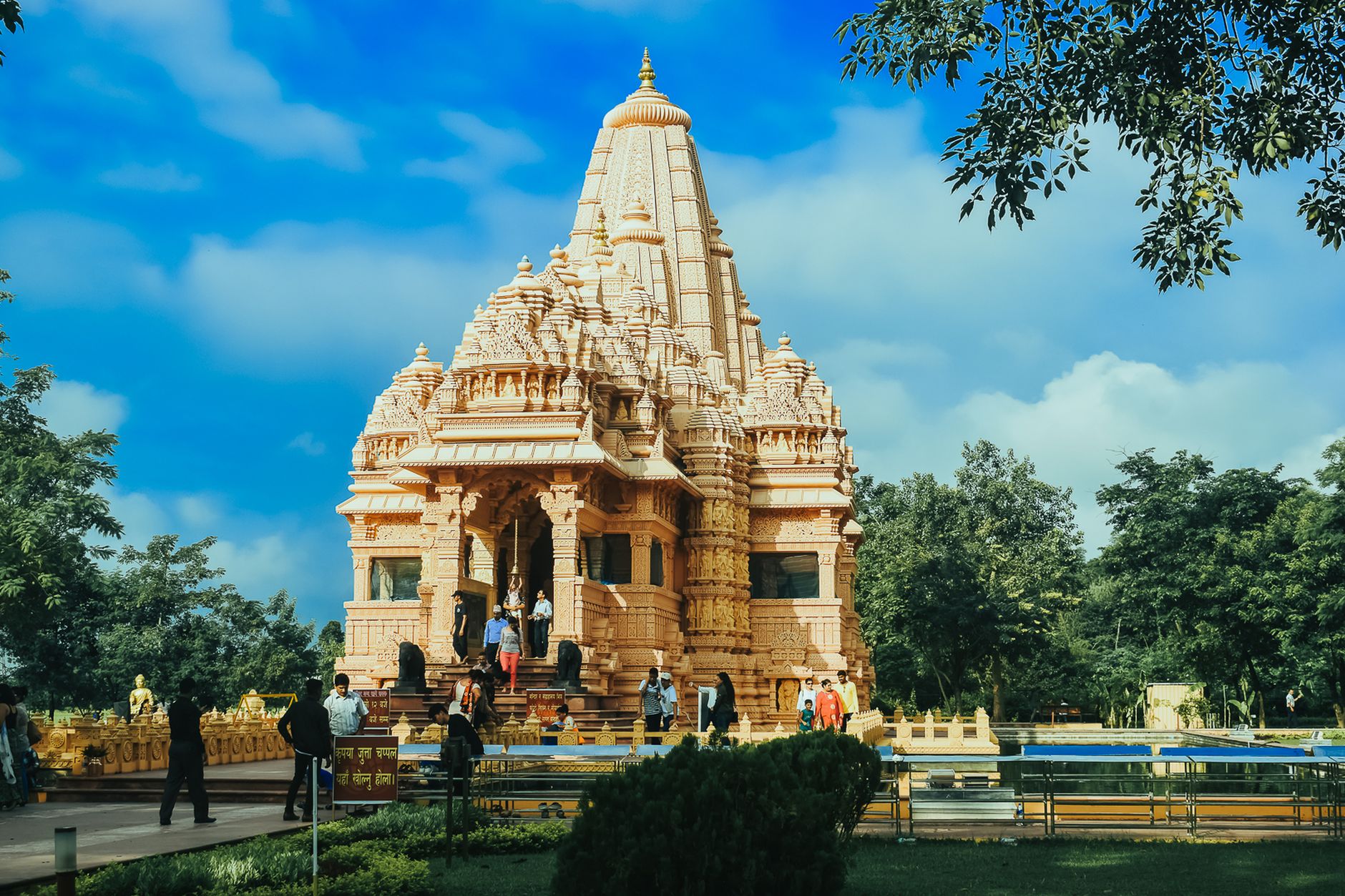
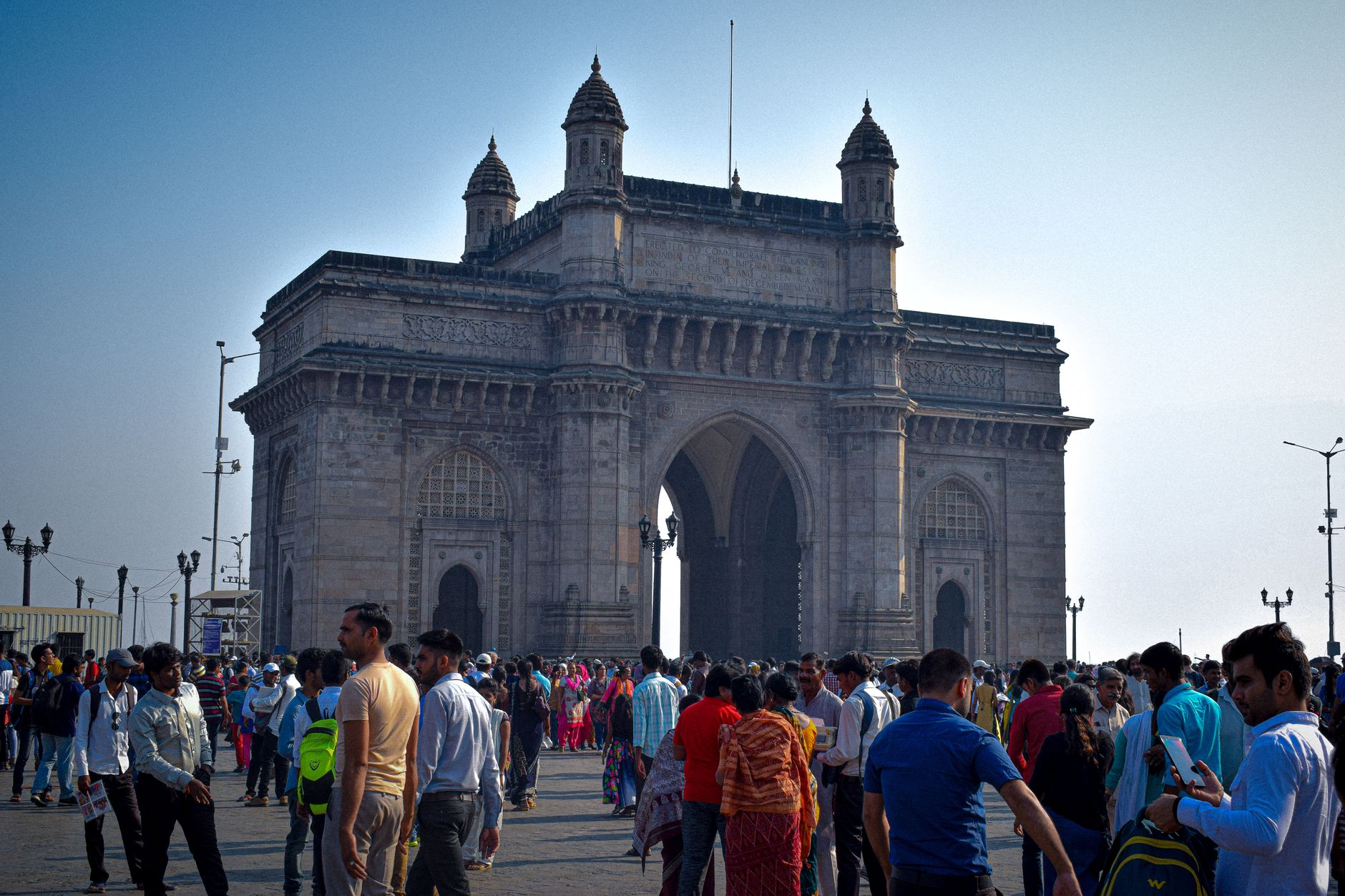
Kurla takes its name from the crabs that once moved through its marshes — a reminder that this corner of Mumbai was wetland long before it was concrete. The name stuck even as the land transformed around it, pulled first into the orbit of Portuguese colonisers, then shaped decisively by the railways that made it one of the earliest stops on the subcontinent's first passenger line.
Today Kurla is a transit node with a thick cross-section of the city running through it: the old Holy Cross Church from the Portuguese era stands a short distance from the glass towers of Bandra Kurla Complex, where a 2,000-seat auditorium and a converted car-factory site now anchor a different kind of ambition.
💛 What travellers fall for
People who pass through Kurla regularly tend to mention the same shortcut: arriving off-peak, well before the 8 AM crush, when the platforms at CLA are manageable and the auto-rickshaw queue outside actually moves. From there, the Maharashtra Nature Park — a forest that grew on a former garbage dump — rewards an unhurried morning walk before the heat sets in.
Deals in Kurla
Book directly at the provider


How Kurla came to be
The Portuguese arrived formally in 1534 under the Treaty of Bassein, and Holy Cross Church — rebuilt in 1848 but rooted in that colonial era — still stands as one of Mumbai's oldest. Kurla's bigger transformation came in 1853, when it fell on the original 21-mile Great Indian Peninsula Railway route between Bombay and Thane. The station was called Coorla until 1890, shifted to its present site in 1895, and by 1910 had mill factories running on steam and a new Harbour Line extending south toward the city.
The twentieth century layered more onto it: a taluka carved from South Salsette in 1920, the Railway Car-shed built during electrification in 1925, and the Taximens Colony inaugurated in 1972 by union leader George Fernandes. The Premier Automobiles factory — maker of the Padmini car — closed eventually, and its 36 acres became Kohinoor City, a township that includes what was, when it opened in 2005, the first LEED Platinum-rated hospital in Asia.
Who and what shaped it
People who shaped it
Landmark buildings
See Kurla in motion
Plan your visit
On the map
When to go
January and February are the most liveable, with temperatures near 25°C and little rain. By October the heat climbs back to around 32°C with lingering humidity, and the monsoon months bring heavy, persistent rain — fine if you don't mind wet feet, less so if you're navigating the station at rush hour.
Right now
Background & history adapted from Wikipedia (CC BY-SA) · specs from Wikidata (CC0) · weather from Open-Meteo · map data © OpenStreetMap contributors · photos from Wikimedia Commons / Unsplash with per-image credit. No third-party reviews or social posts reproduced.