
Lake District
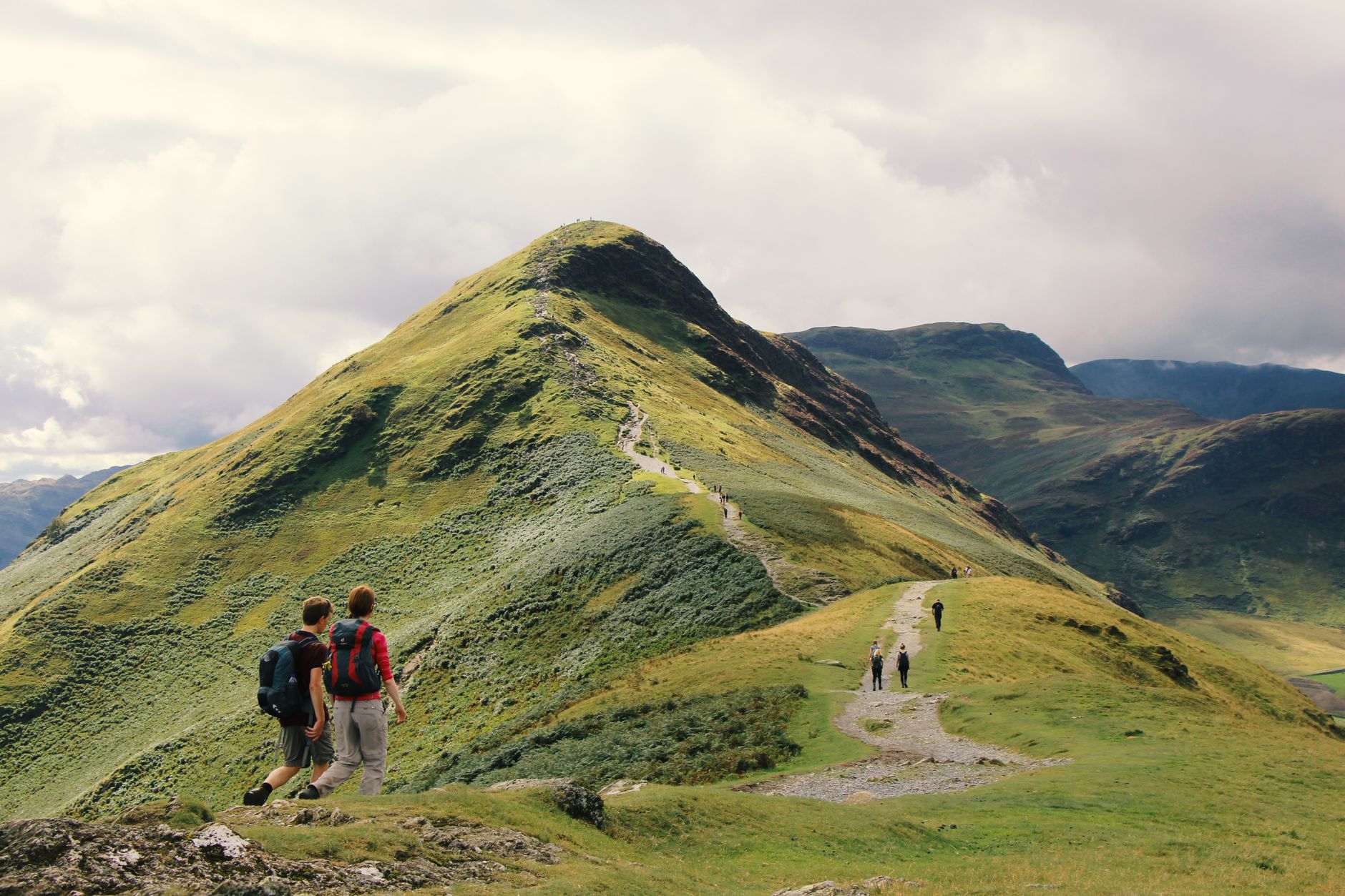
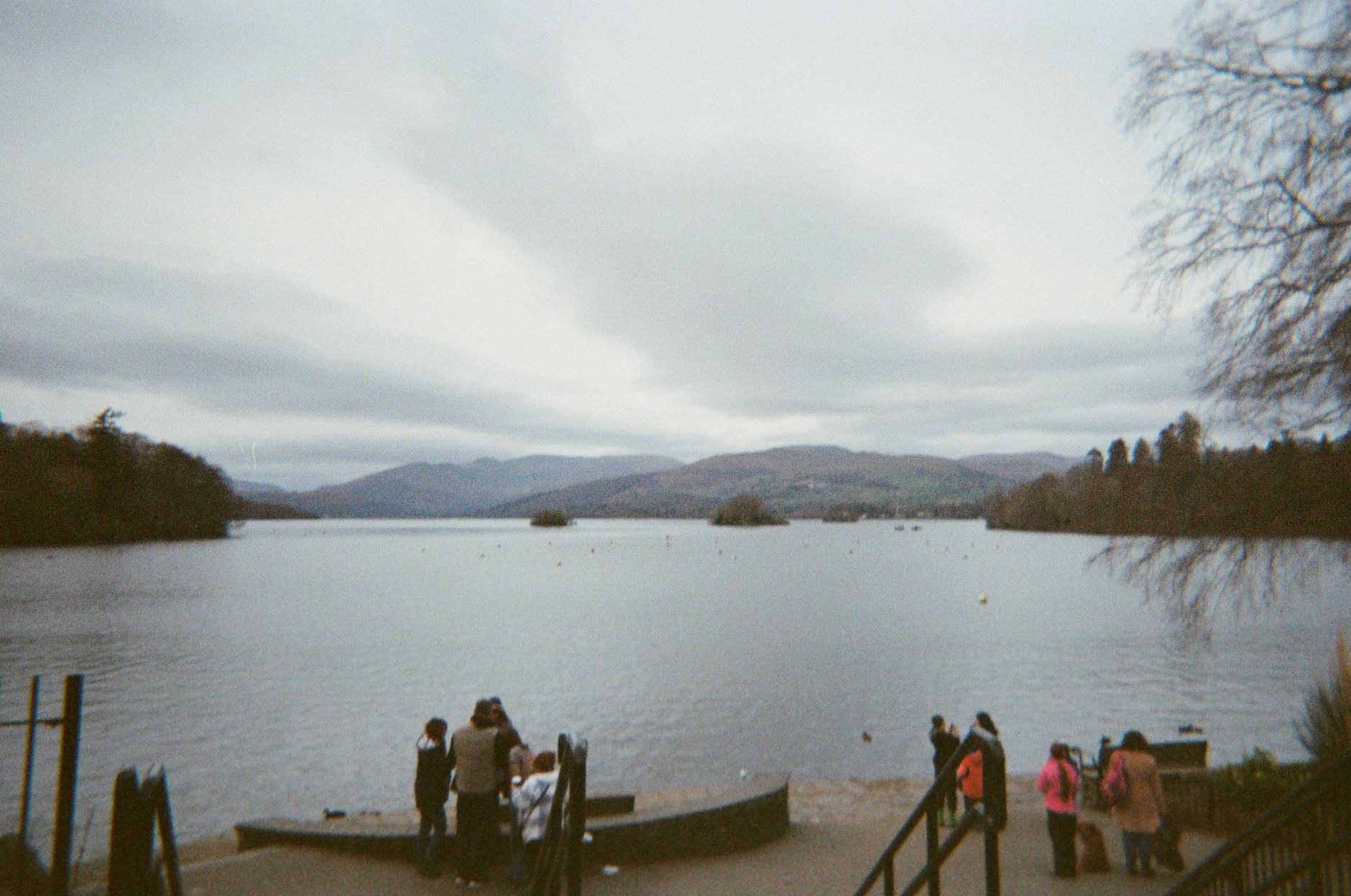
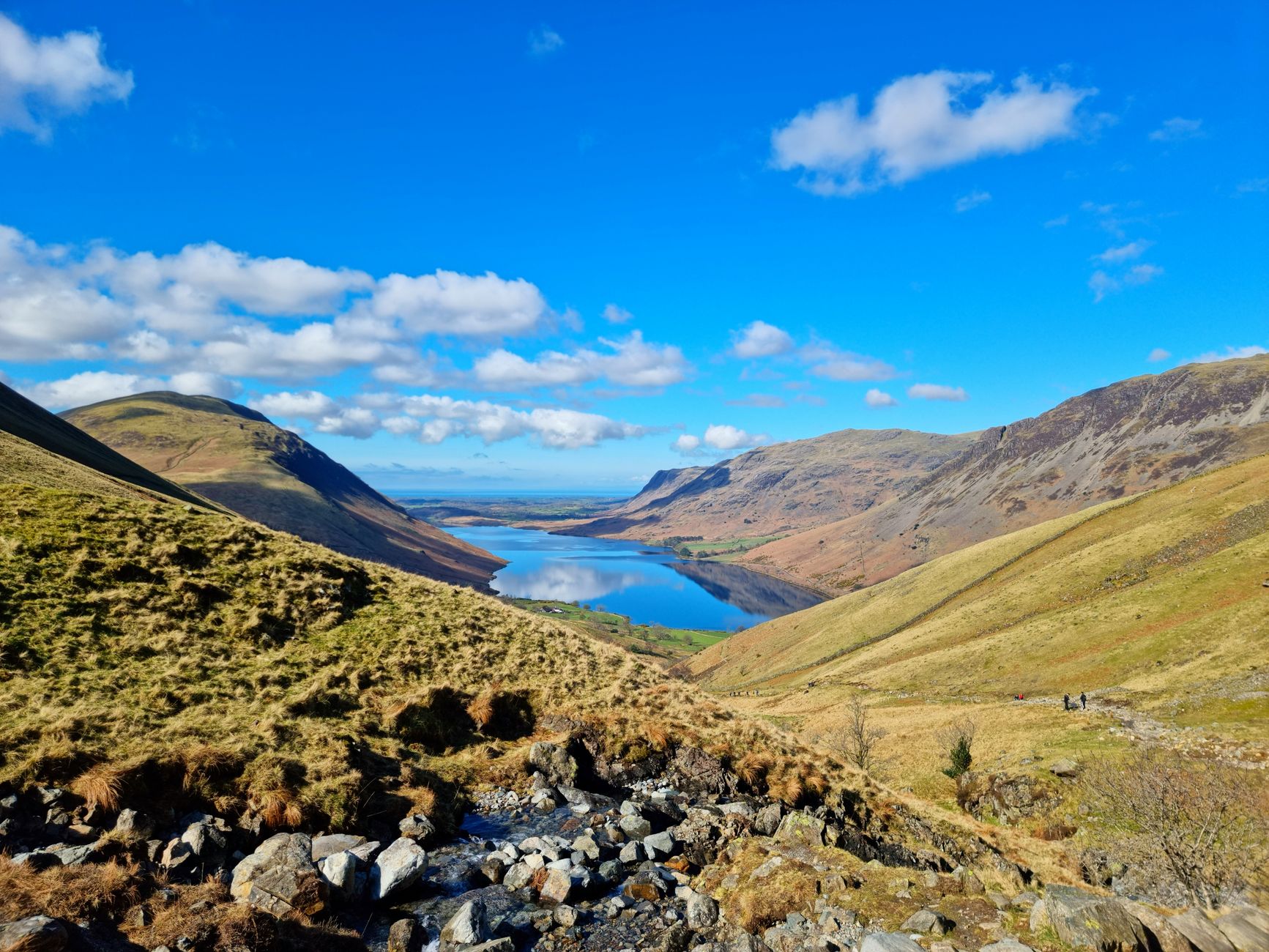
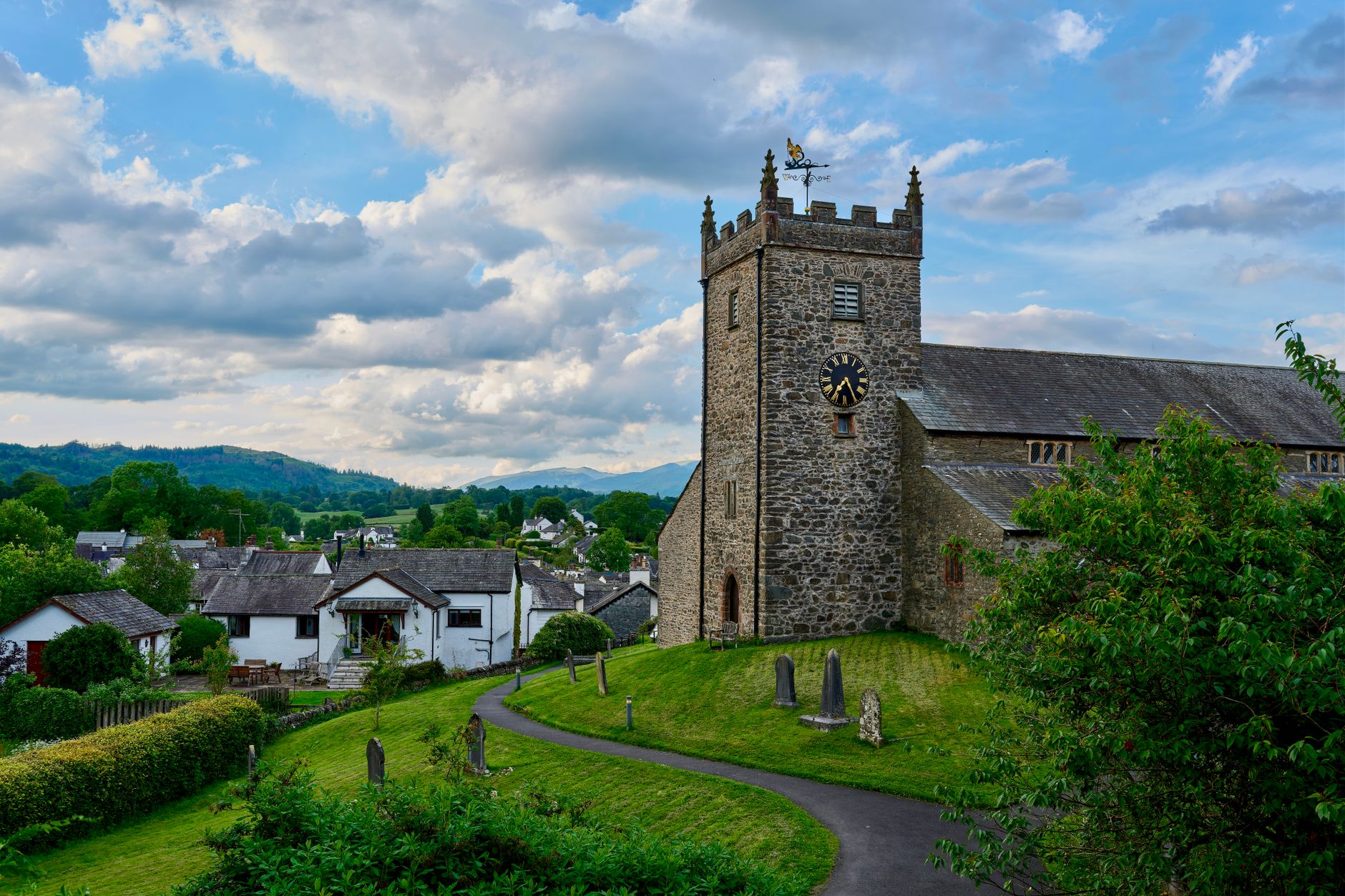
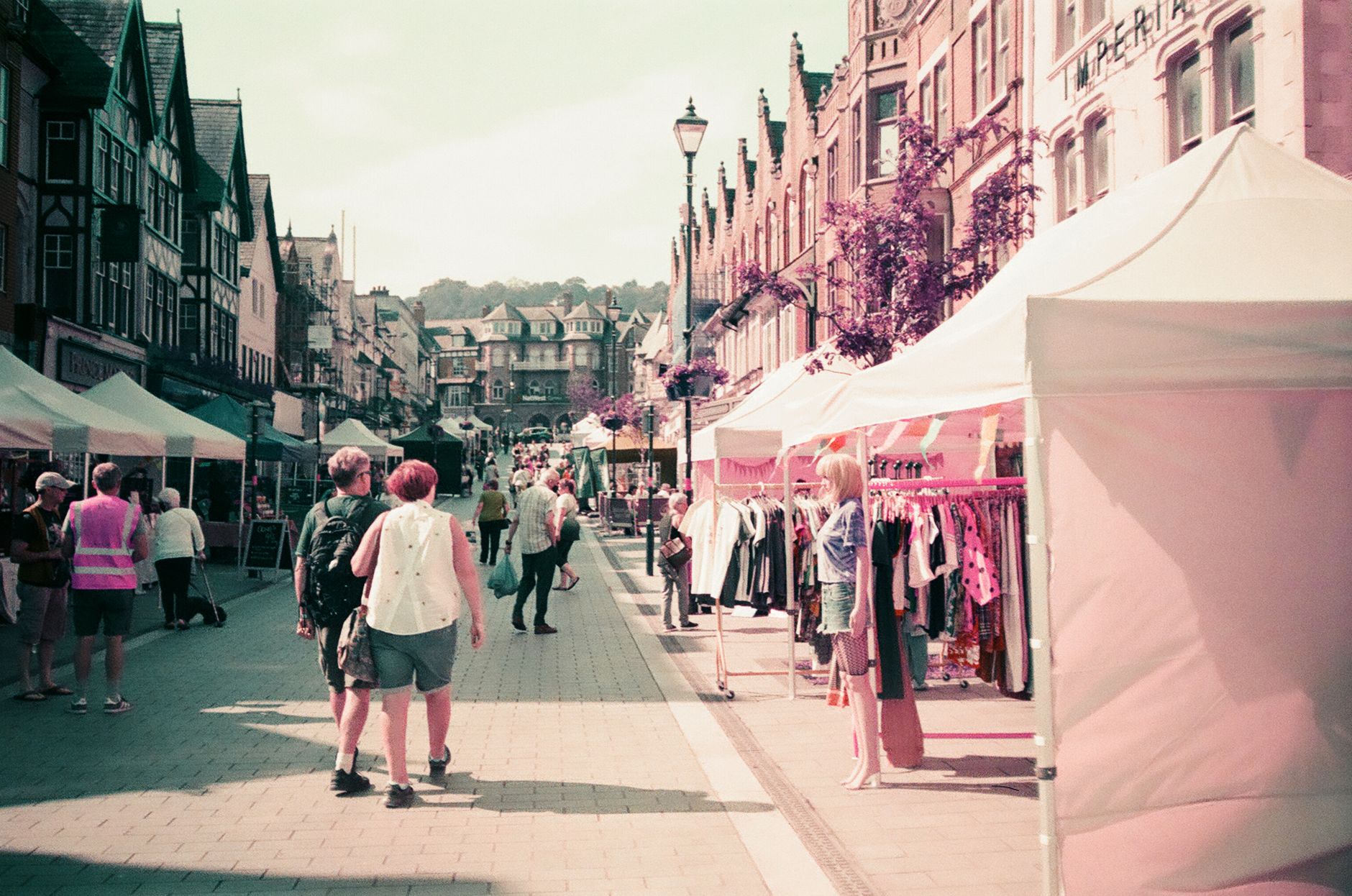

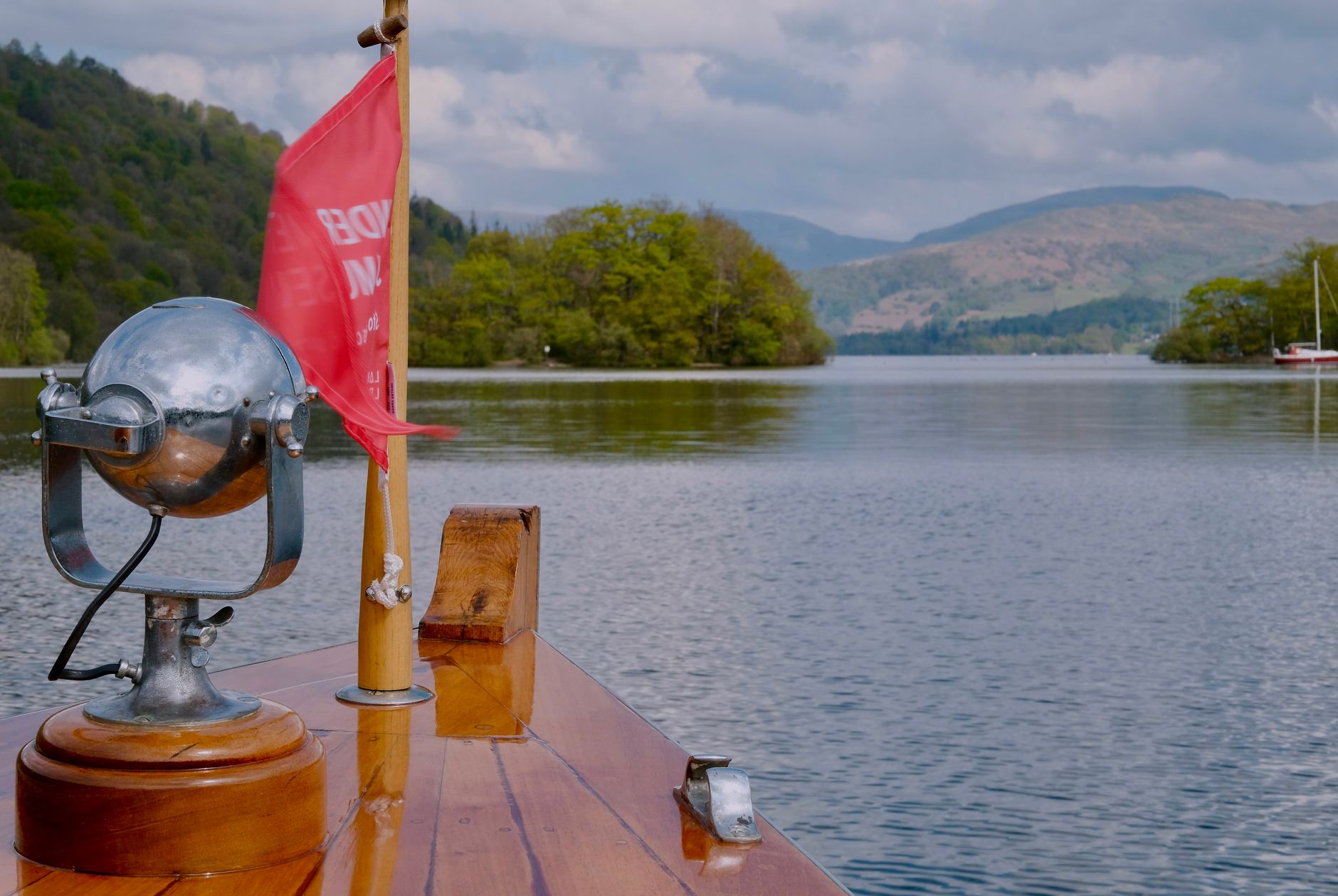
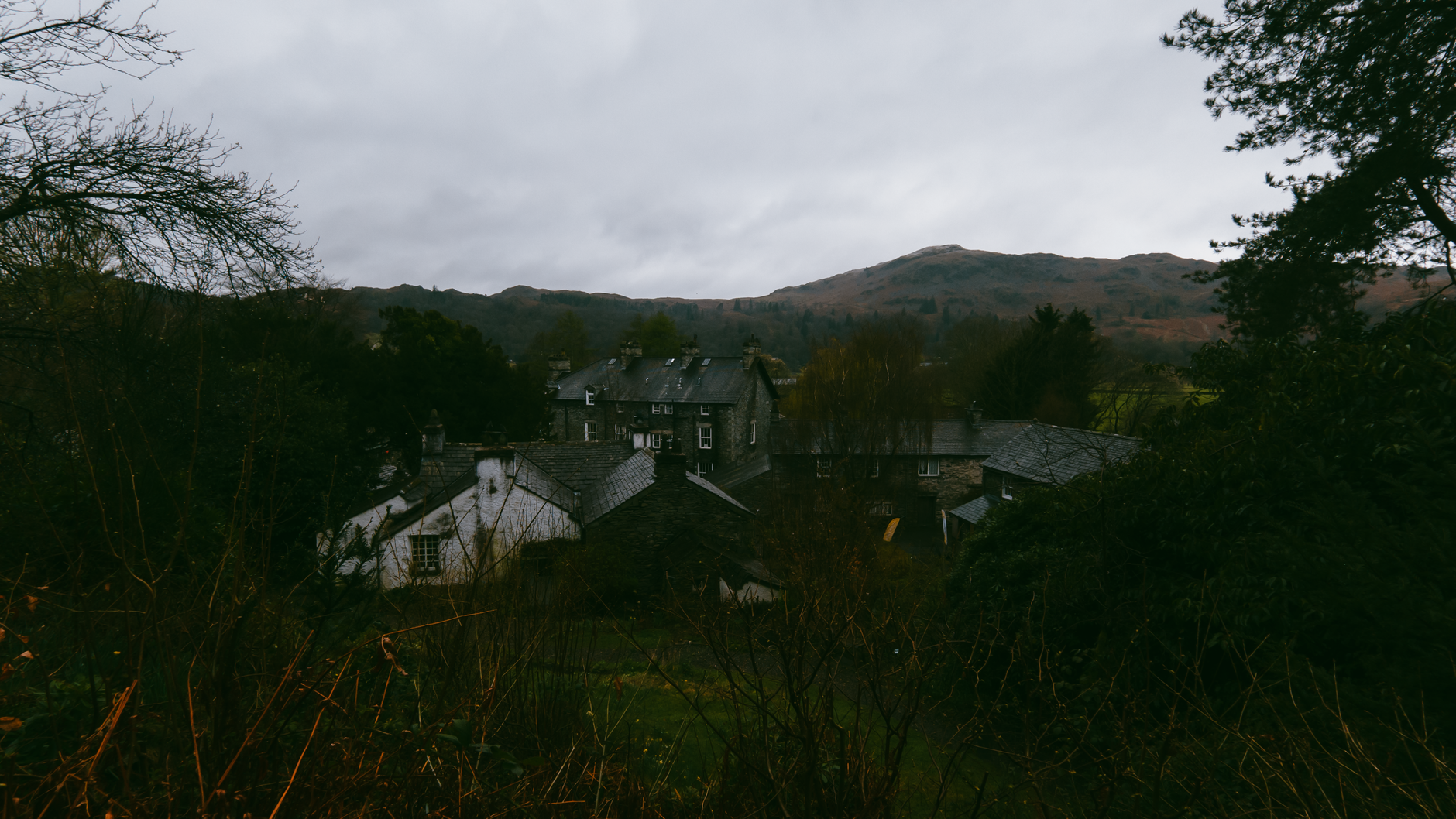
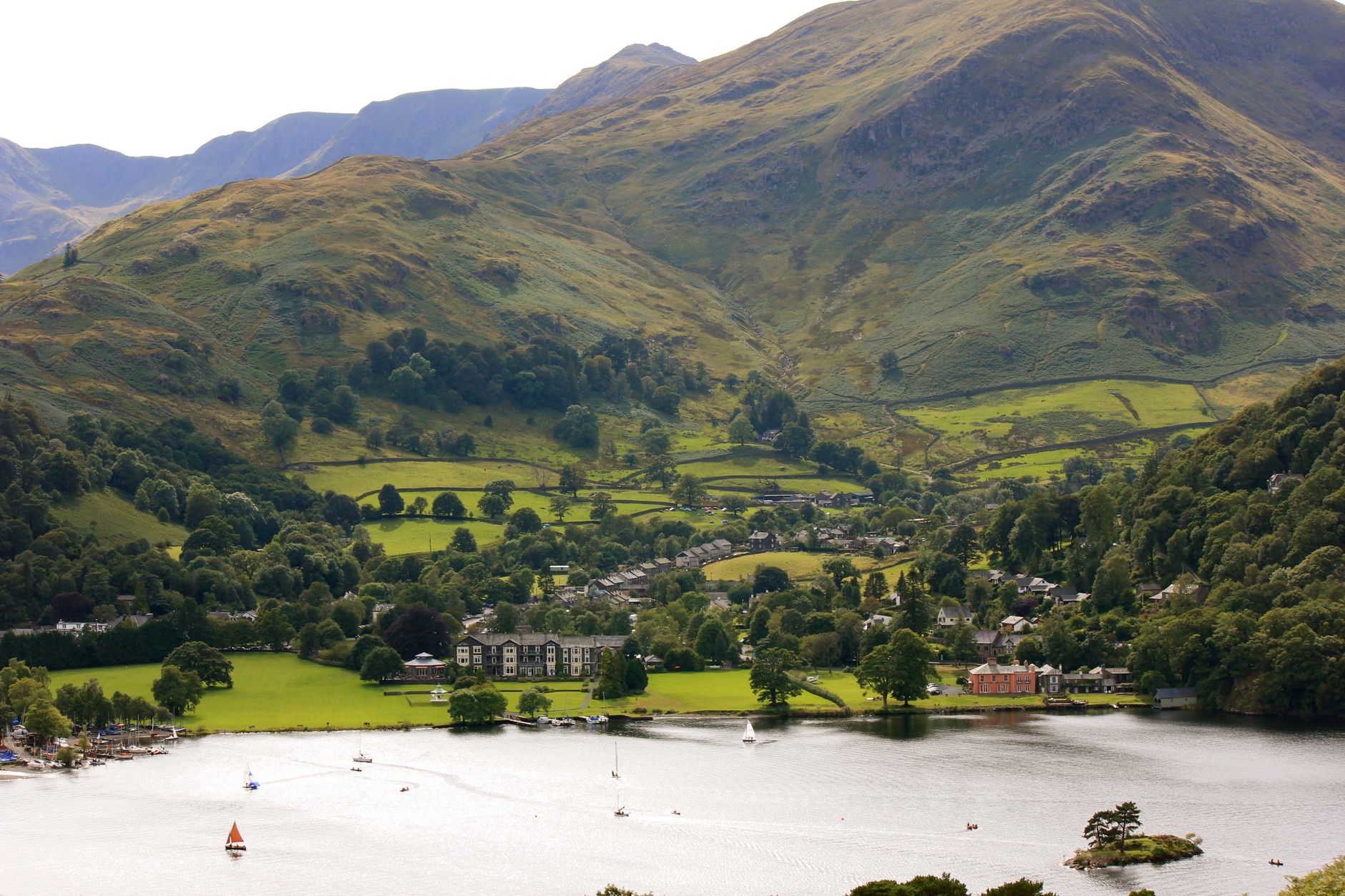
The Lake District earns its reputation the hard way: 16 lakes, 214 named fells, and a sky that changes its mind every twenty minutes. Wordsworth called these his 'native mountains' and spent decades trying to put them into words. You'll understand the impulse the first time you watch cloud shadow move across Helvellyn, or find yourself staring at Castlerigg Stone Circle — 3,200 BC, still standing on its plateau above Keswick — wondering what it cost to drag those stones here.
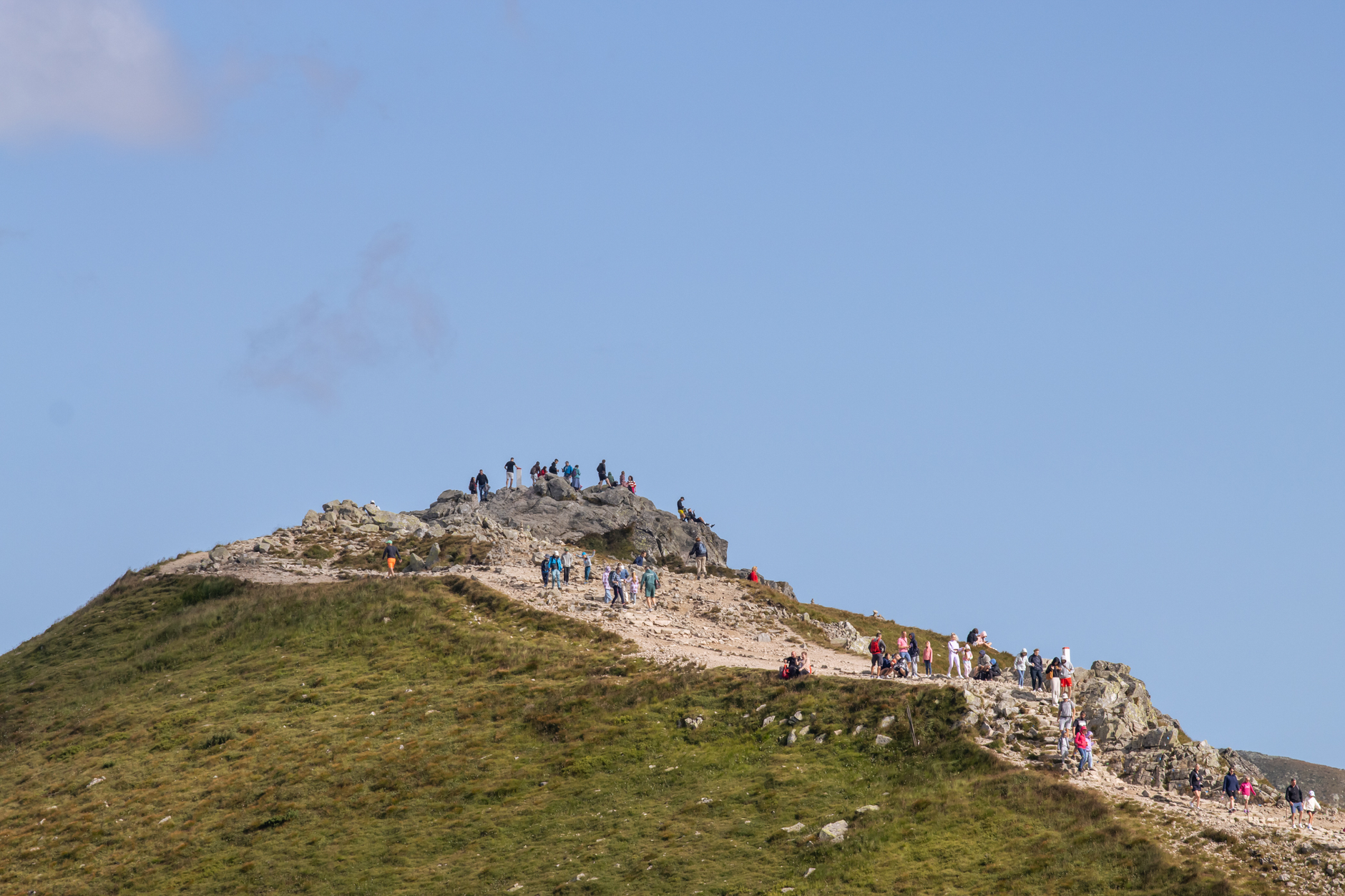
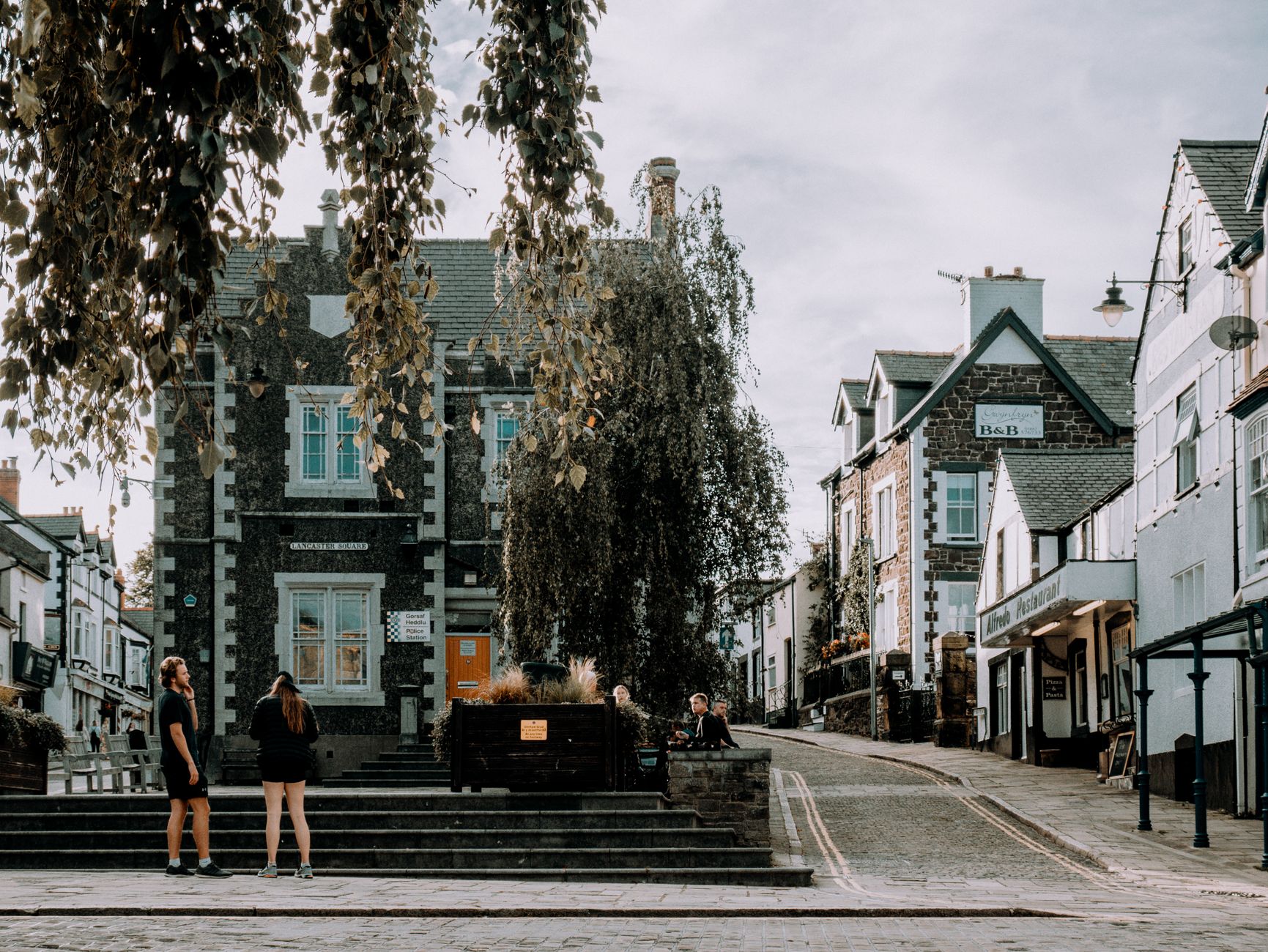
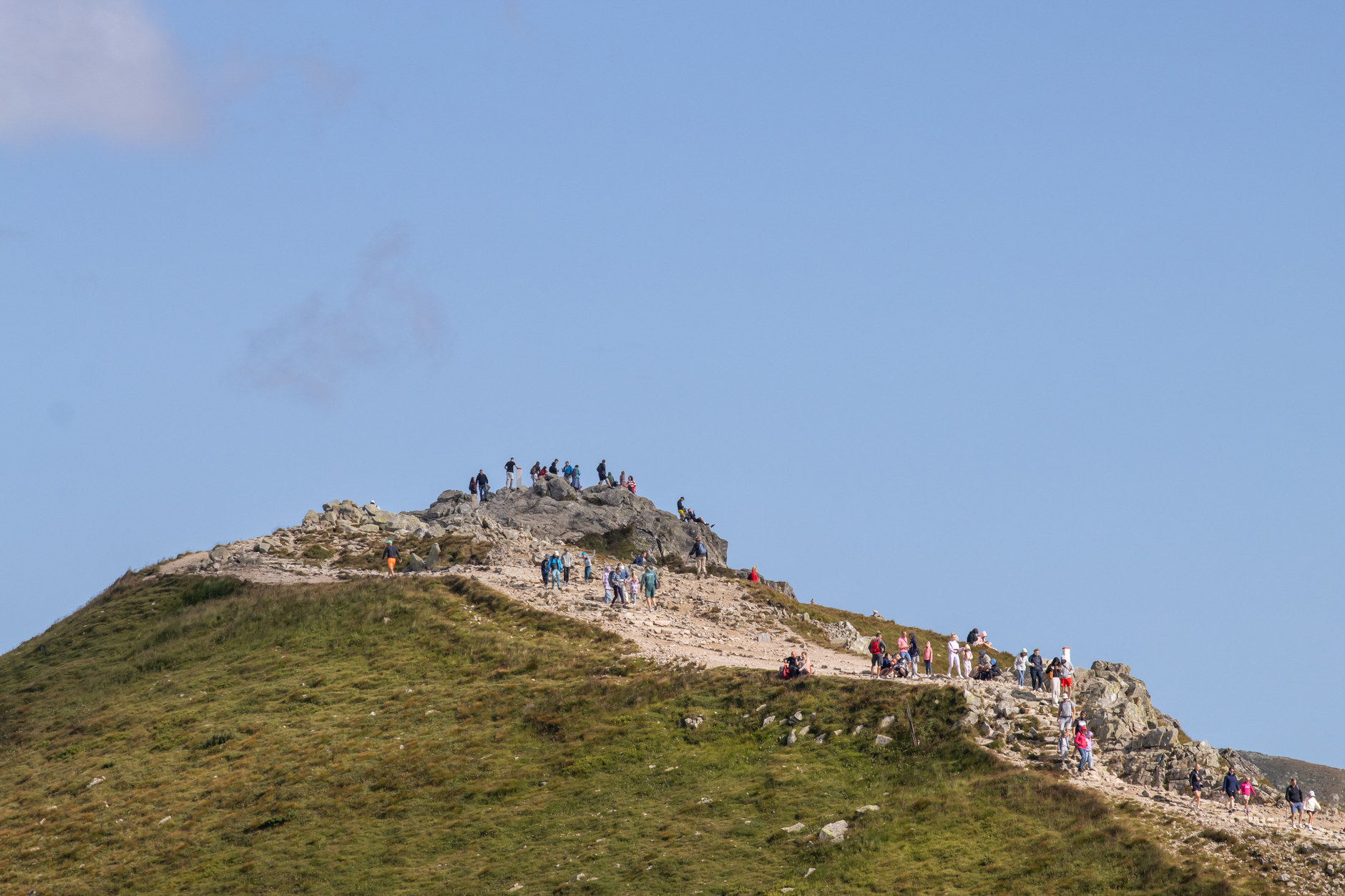
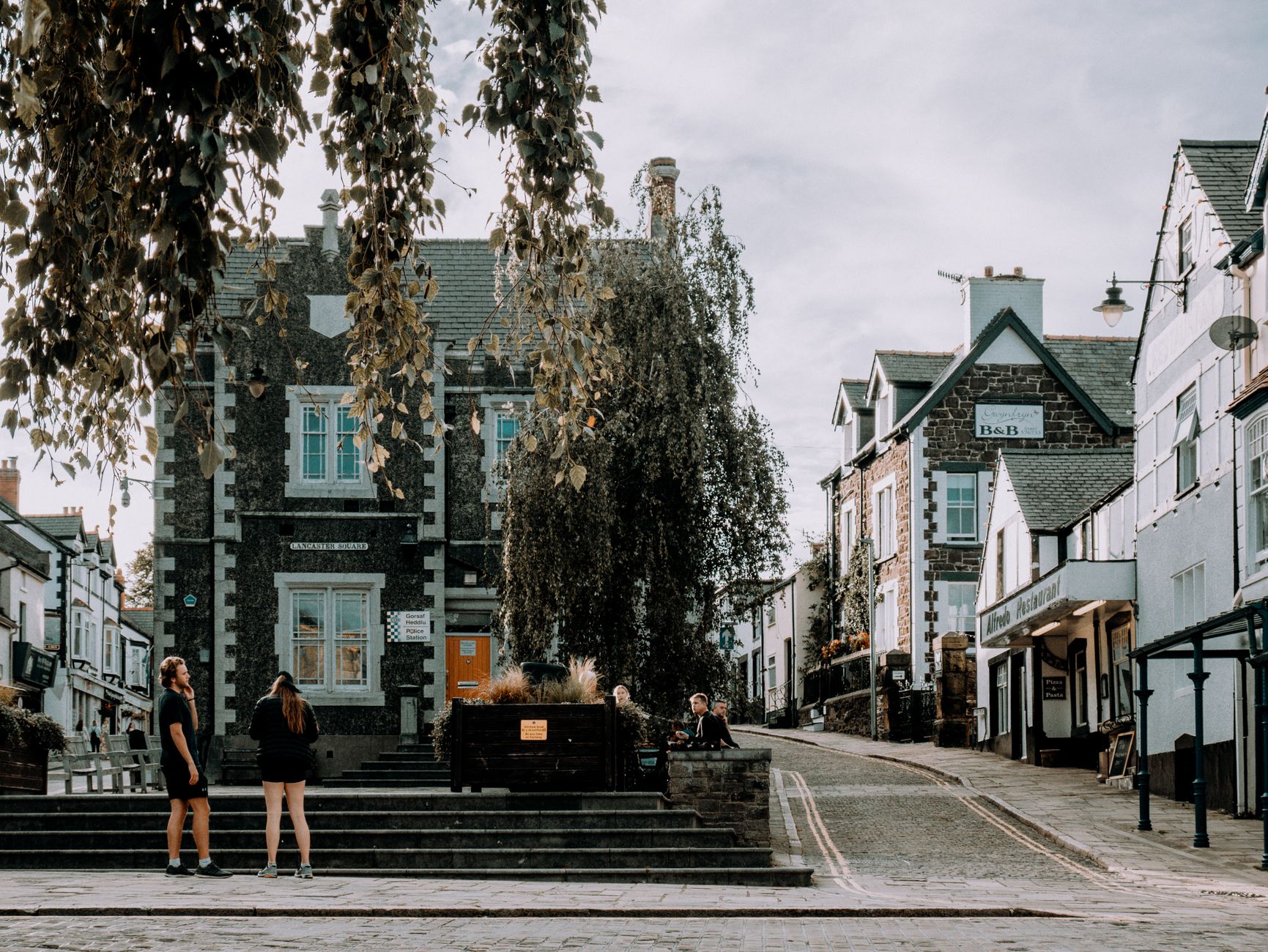
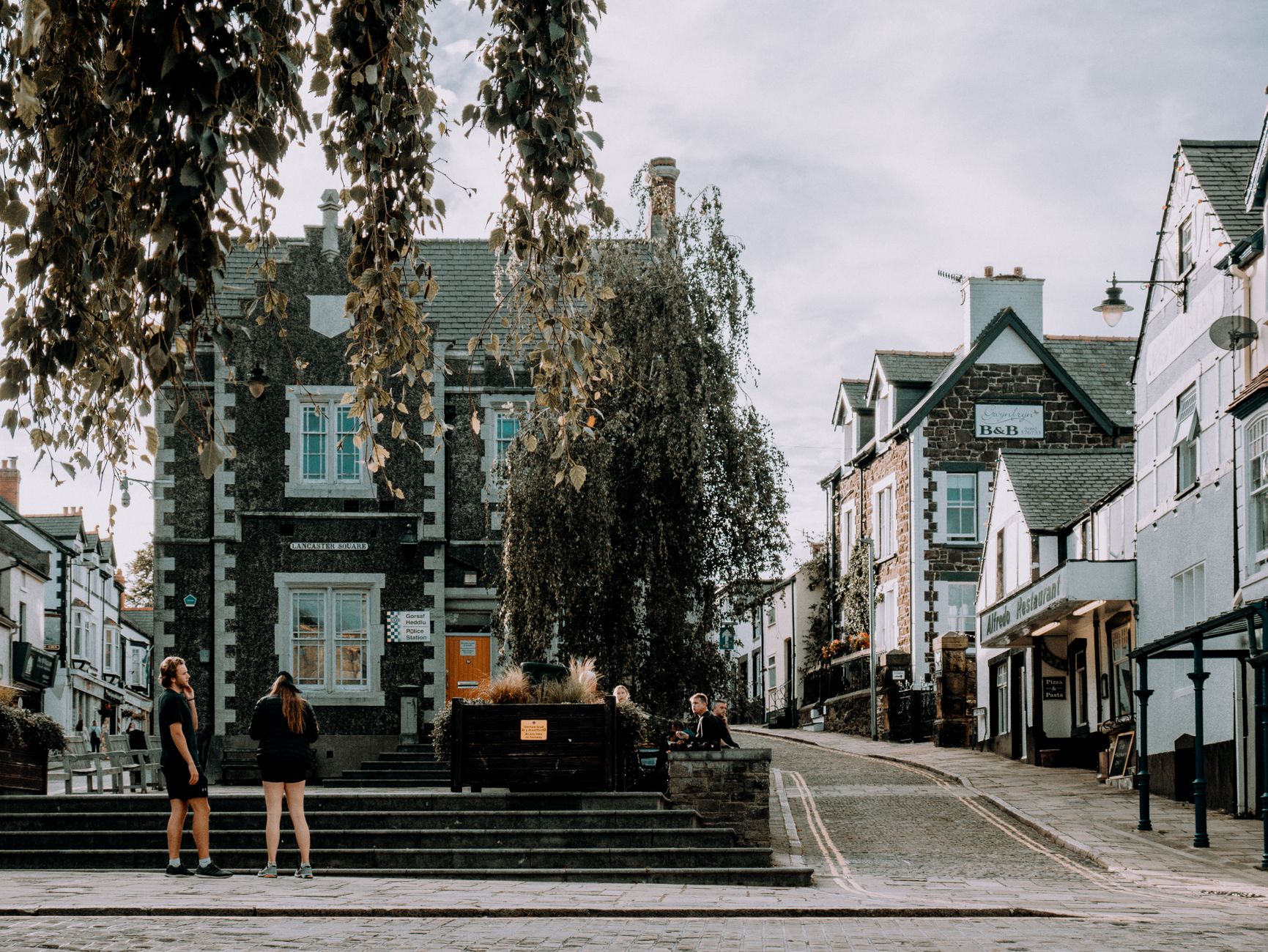
This is a region where the walking is the point. Paths wind from valley floors up to ridge lines that reveal lake after lake in sequence. The towns — Keswick, Ambleside, Grasmere — are small, useful and genuinely lived-in, full of gear shops and decent pubs.
Popular cities in Lake District
💛 What travellers fall for
People who come back tend to pick one valley and go deep rather than ticking off the famous spots. Coniston regulars swear by early-morning light on the water before the boats are out. Grasmere returners skip the gingerbread queue and walk straight up to Easedale Tarn. Wainwright's seven guidebooks, still in print, remain the most reliable companions on the fells.
How Lake District came to be
People have been shaping this landscape for ten millennia. Neolithic communities quarried stone axes from the slopes of the Langdale Pikes on a near-industrial scale, and the Castlerigg Stone Circle dates to around 3,200 BC. The Brigantes, Romans, Vikings and Normans each left their mark in turn; Keswick held a market charter by the 1200s, and for centuries copper, lead and slate came out of these hills.
The Lake District's second life began in the late 18th century, when Wordsworth, Coleridge and Southey — the so-called Lake Poets — made it a destination of the literary imagination. Wordsworth's 1820 Guide to the Lakes effectively launched mass tourism to the region. Beatrix Potter later used her Peter Rabbit royalties to buy and preserve farms here. The National Park was established in 1951; UNESCO World Heritage status followed in 2017.
Who and what shaped it
People who shaped it
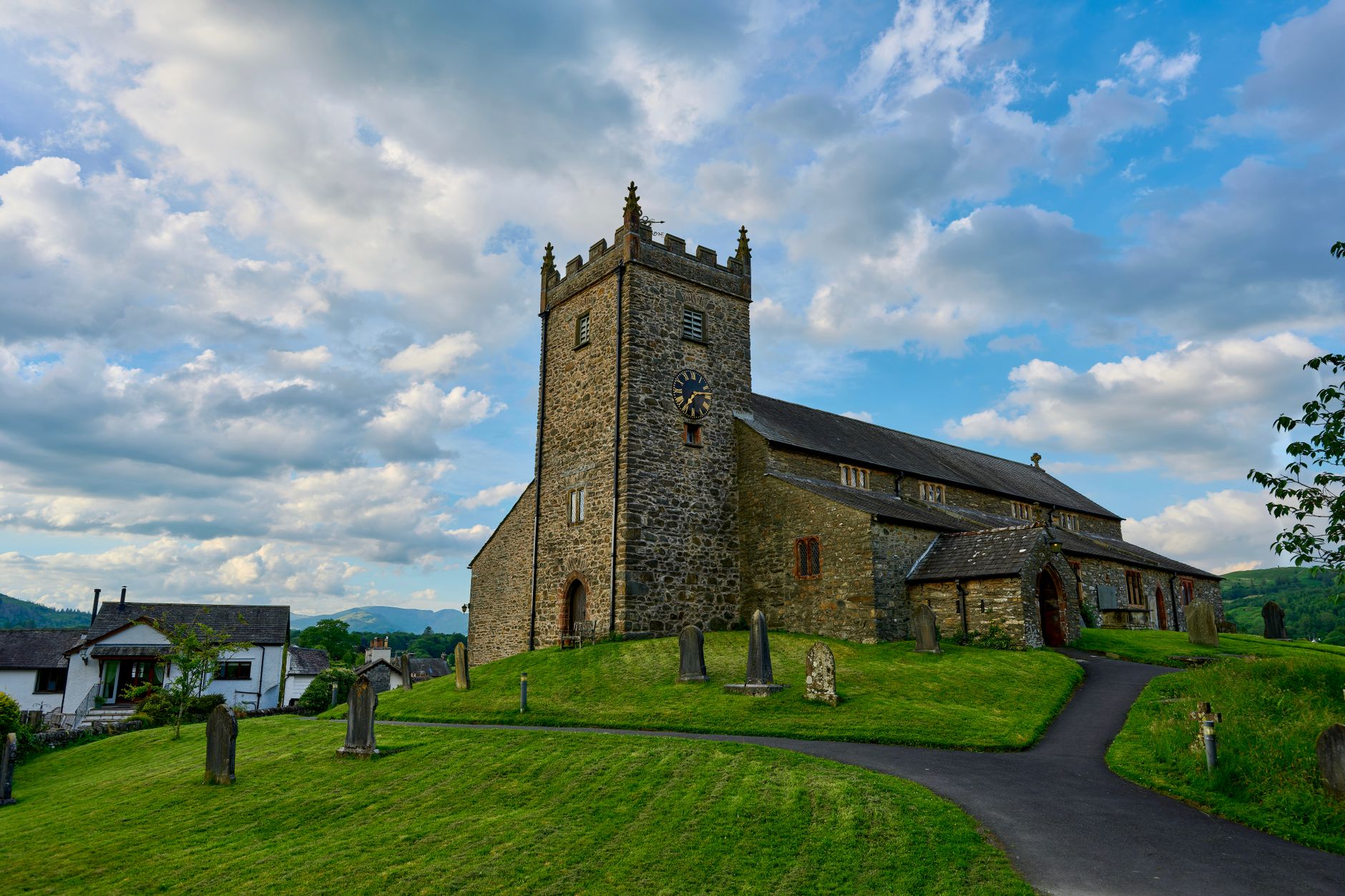
Landmark buildings
See Lake District in motion
Plan your visit
On the map
When to go
The Lake District is one of the wettest parts of England — the western fells catch prevailing Atlantic weather and annual rainfall can exceed 3,000mm in the higher valleys. Spring and autumn offer the clearest skies and thinner crowds; summer is reliably mild but can be overcast, and winter walking above 600 metres demands proper gear and experience.
Right now
↡ Cities


Background & history adapted from Wikipedia (CC BY-SA) · specs from Wikidata (CC0) · weather from Open-Meteo · map data © OpenStreetMap contributors · photos from Wikimedia Commons / Unsplash with per-image credit. No third-party reviews or social posts reproduced.