
Bowness-on-Windermere
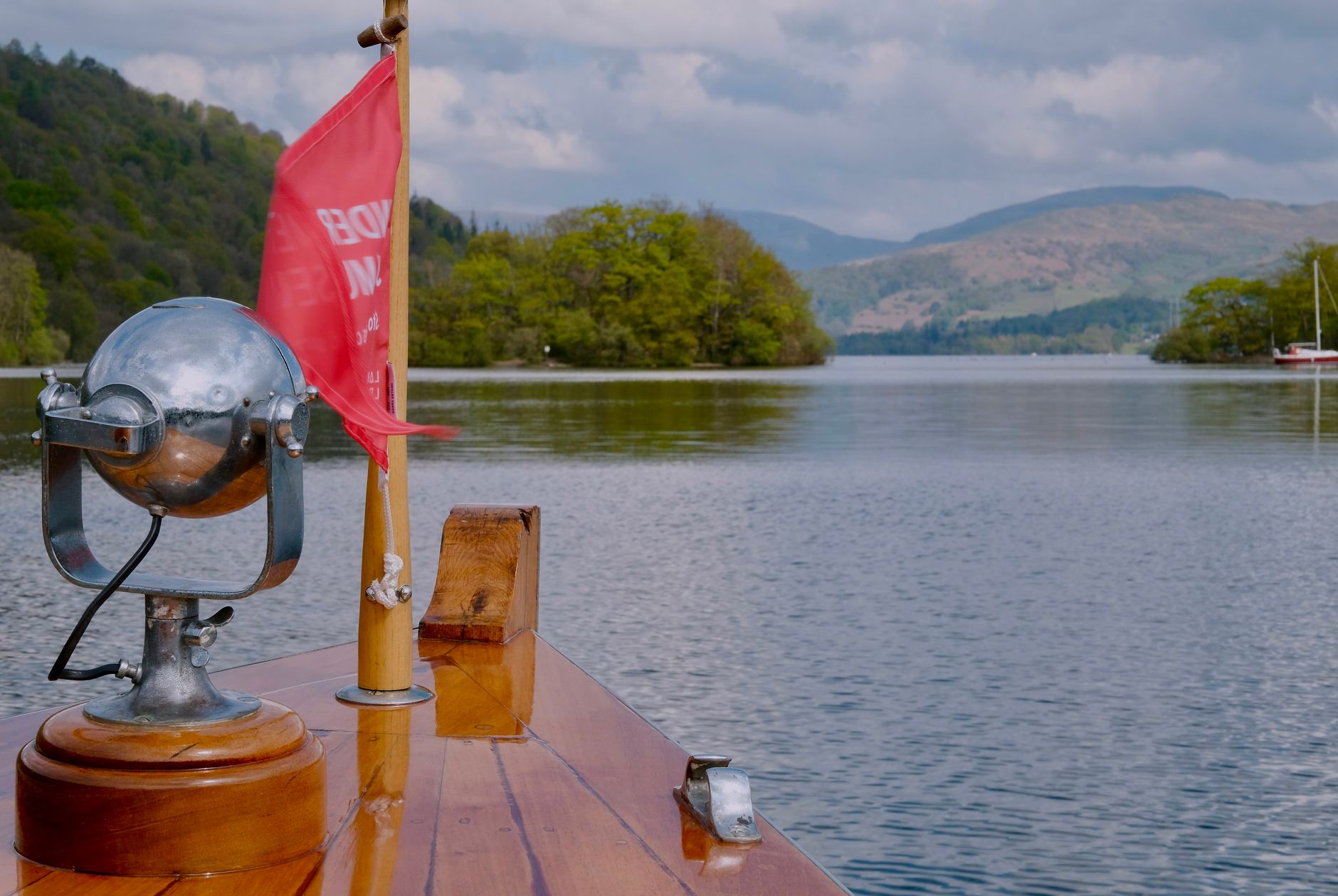
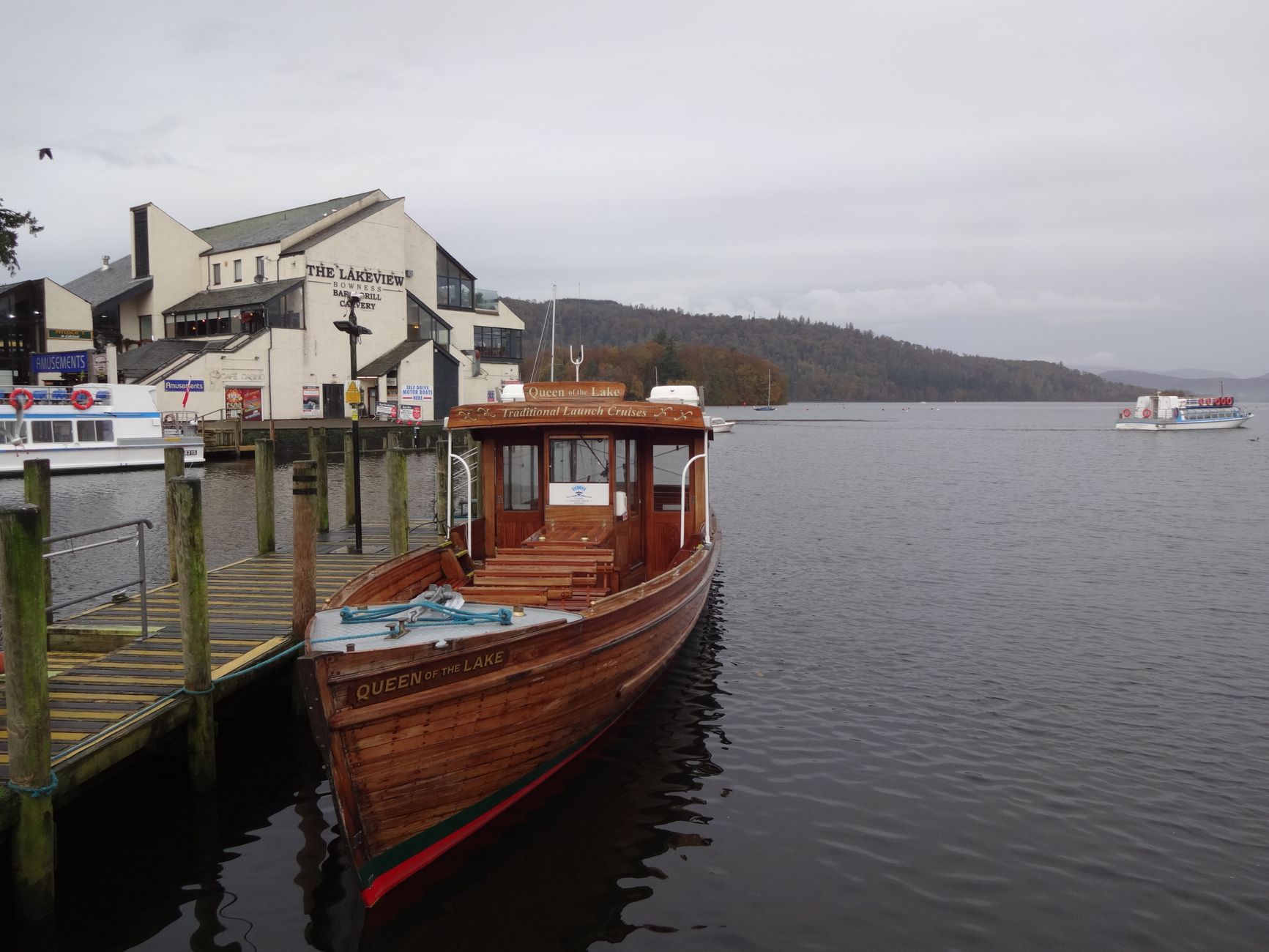
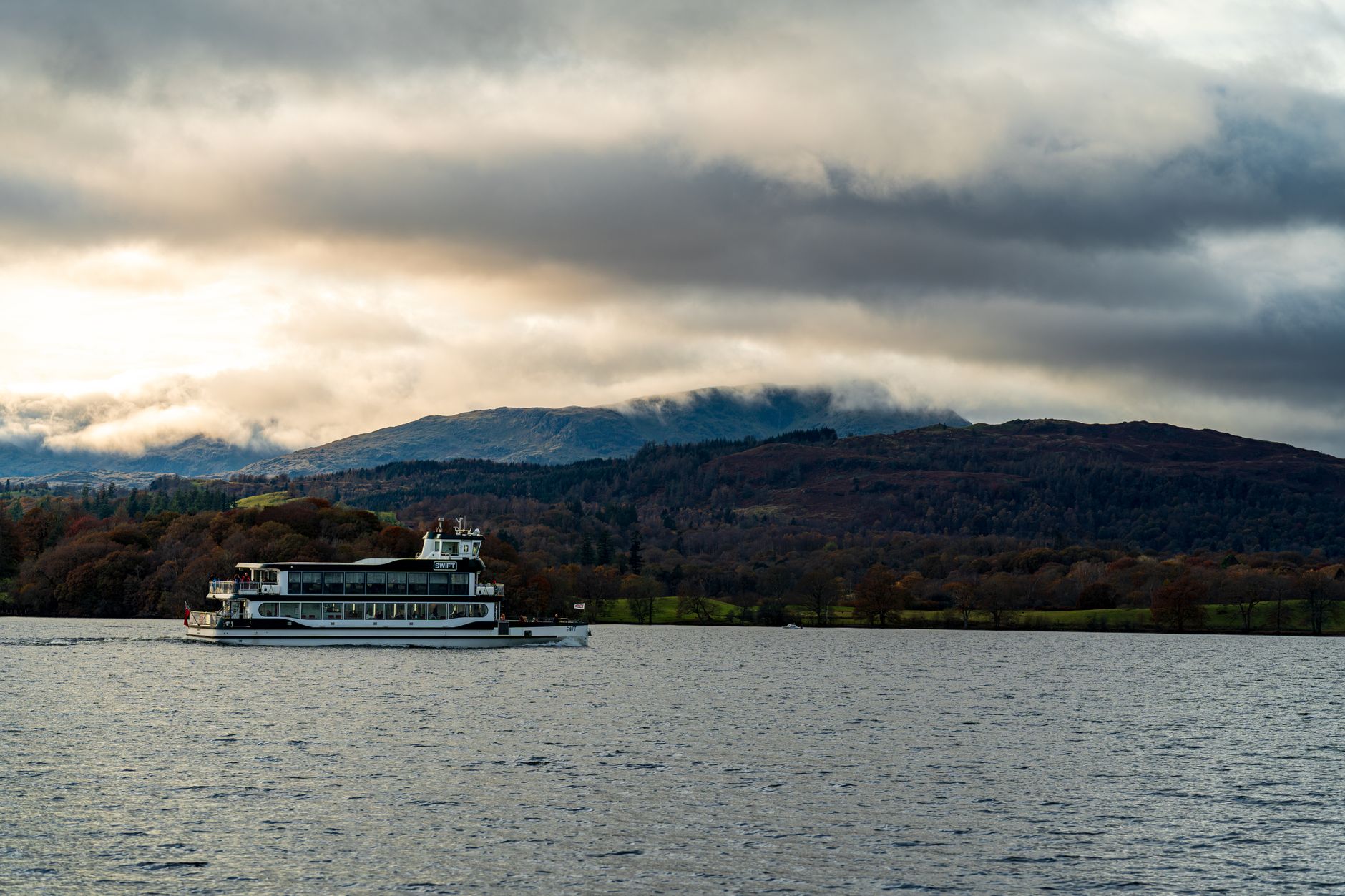
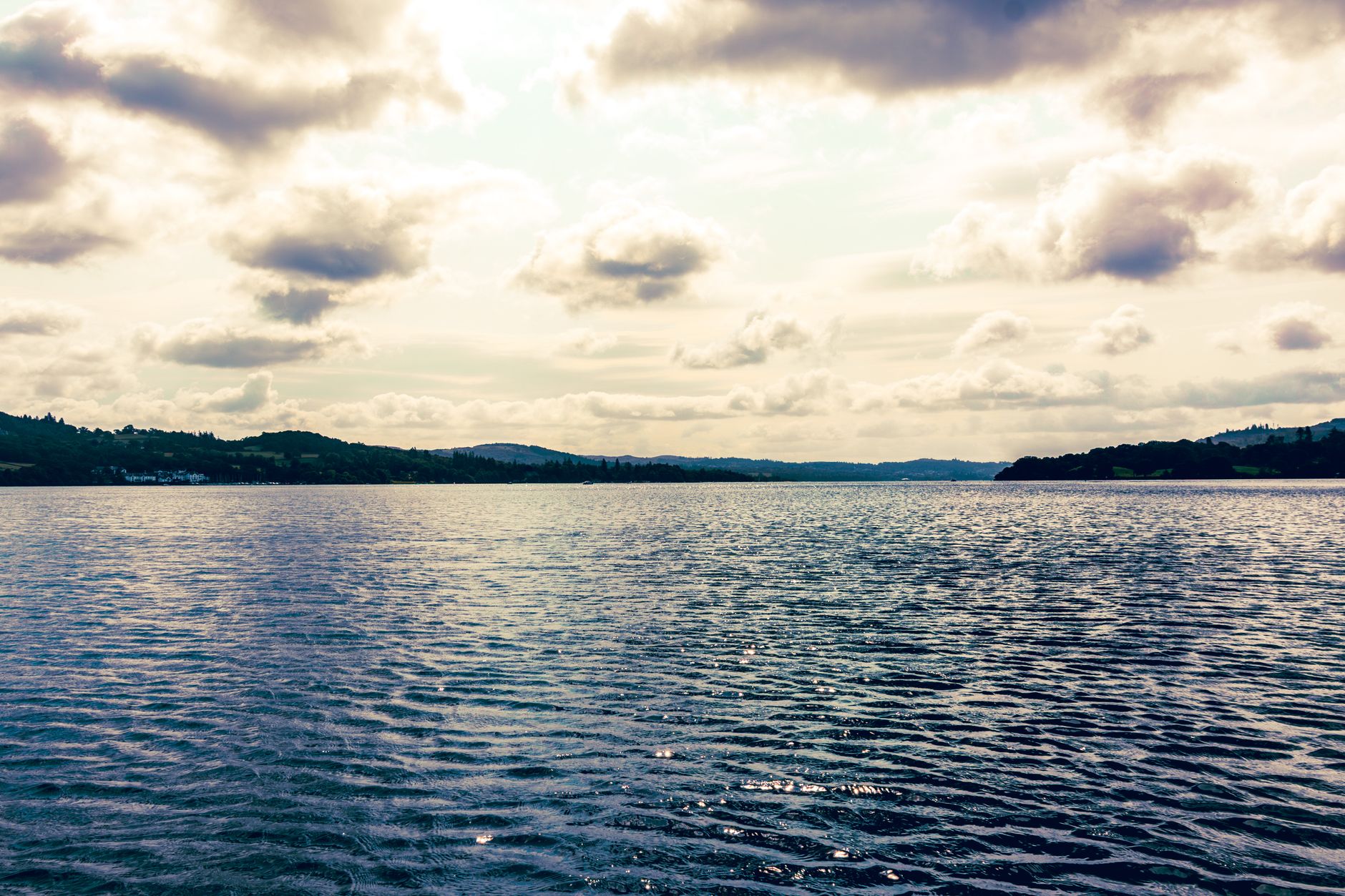
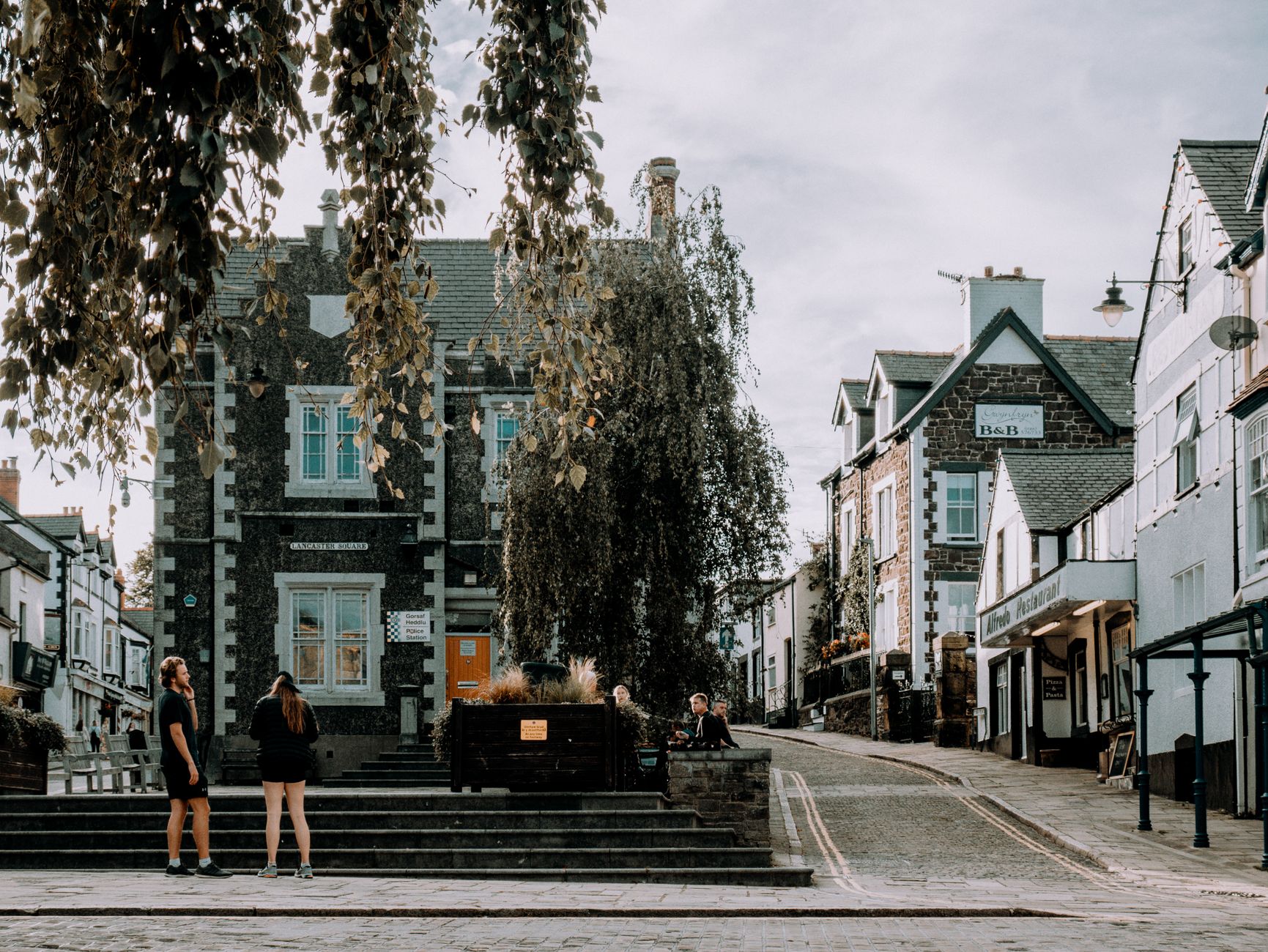
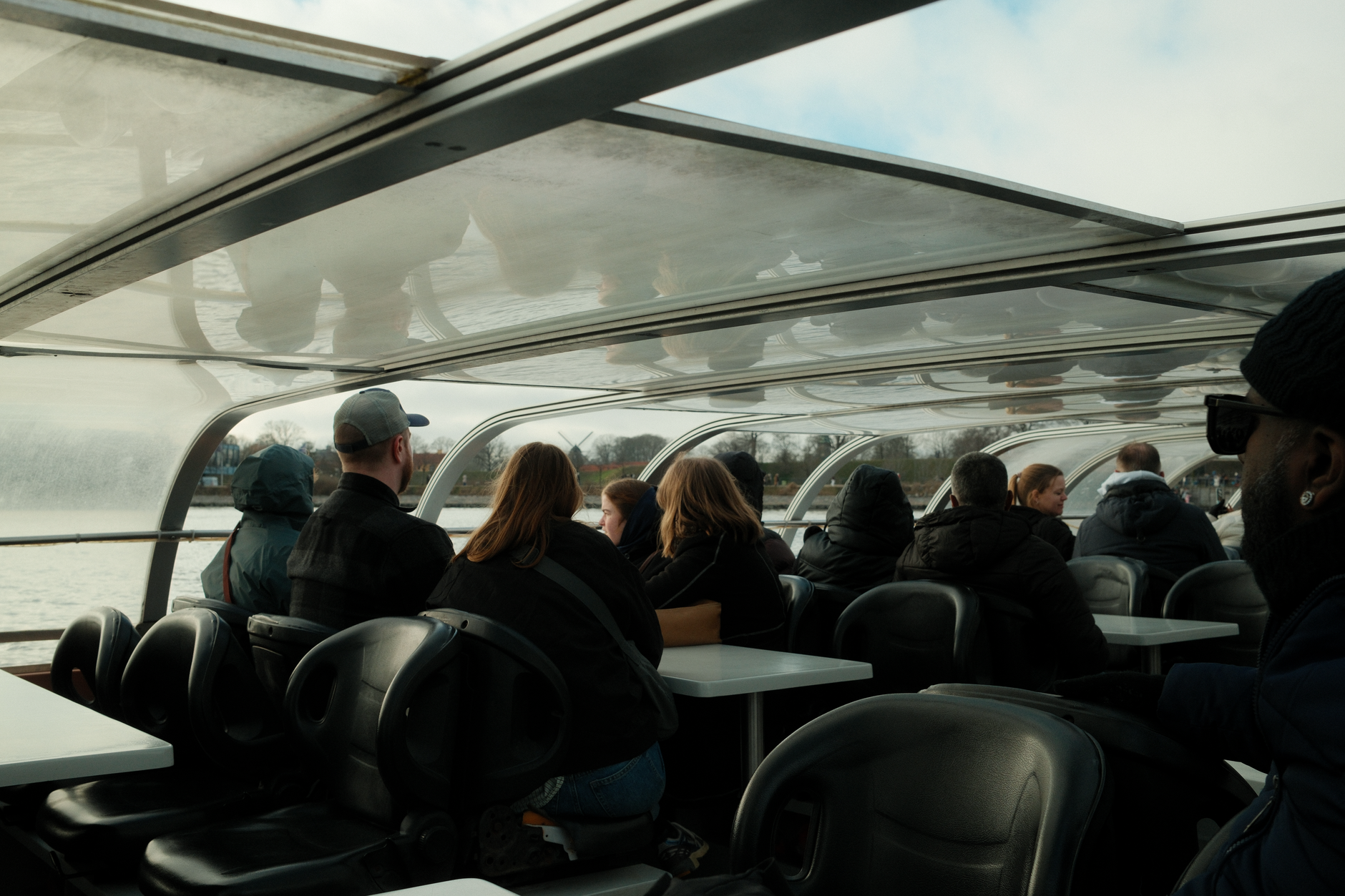
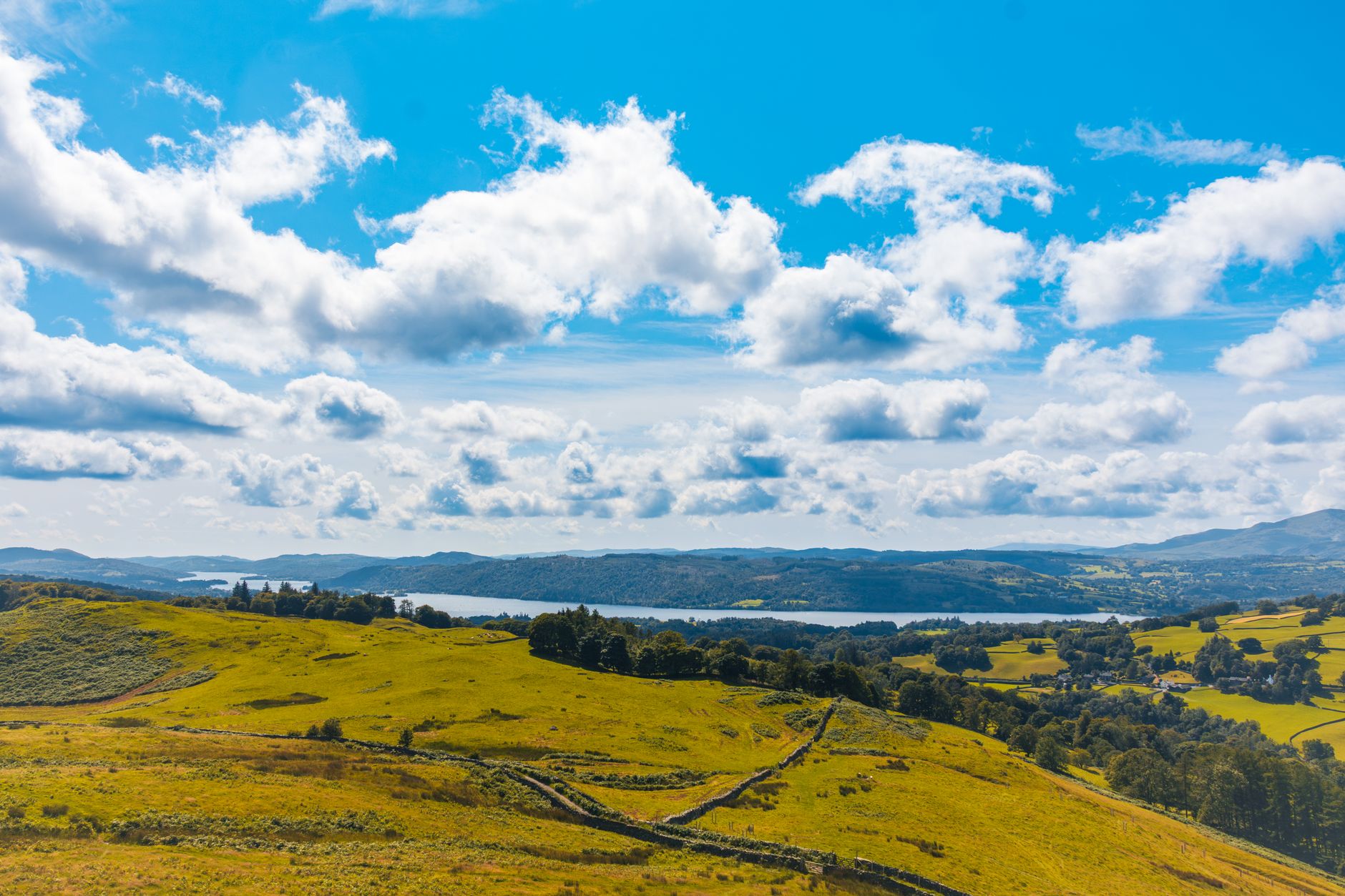
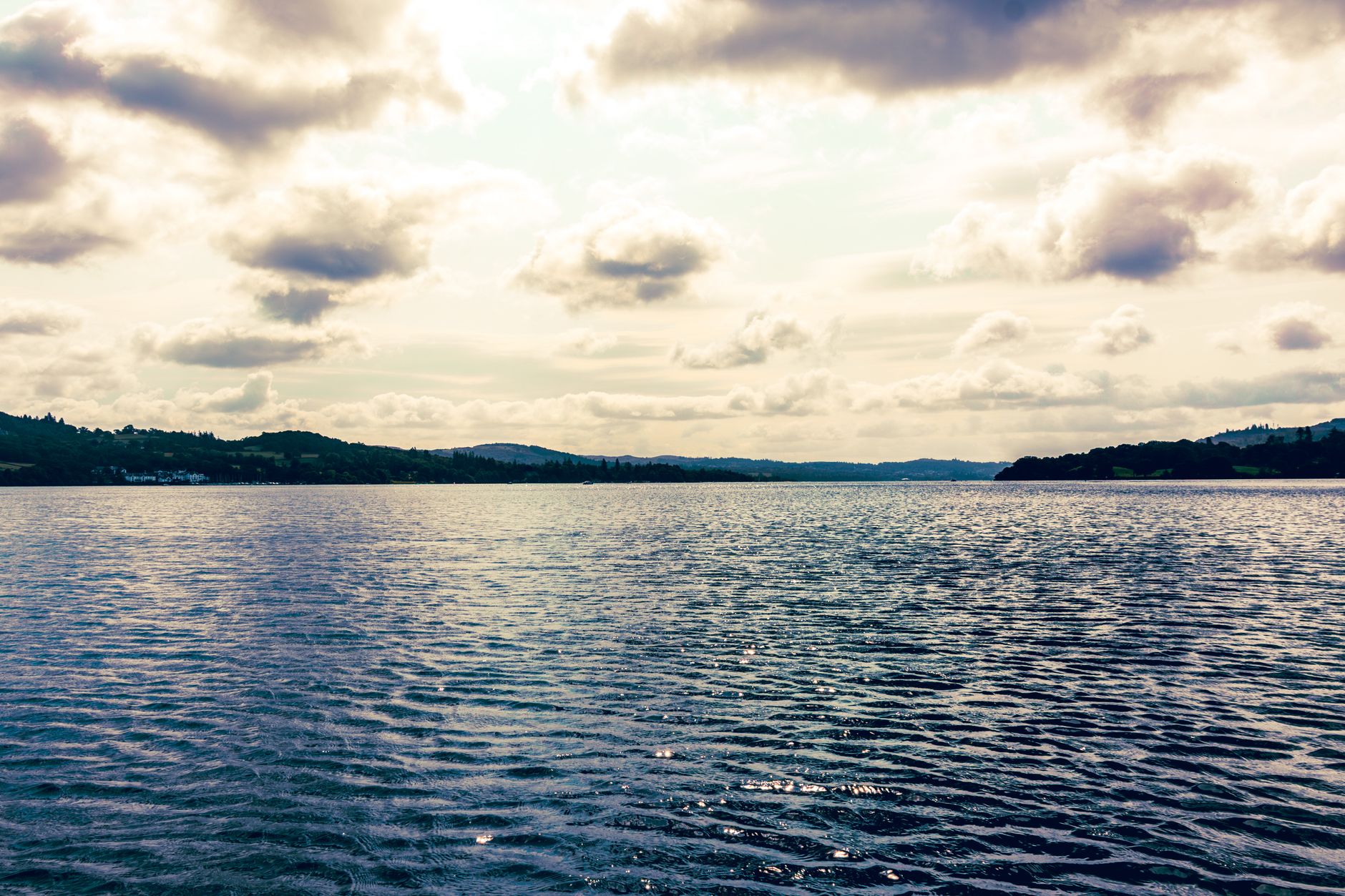
The name gives it away if you know Old English: Bowness was once the headland where a bull grazed, a blunt agricultural fact that sits oddly with the Victorian hotels and the ferry queues and the smell of lake water that greets you at the bottom of the hill. England's largest natural lake spreads out below the town in both directions, and the boats that cross it — the cable ferry to Far Sawrey, the cruise launches heading north toward Ambleside — move with a slowness that the rest of the world seems to have forgotten.
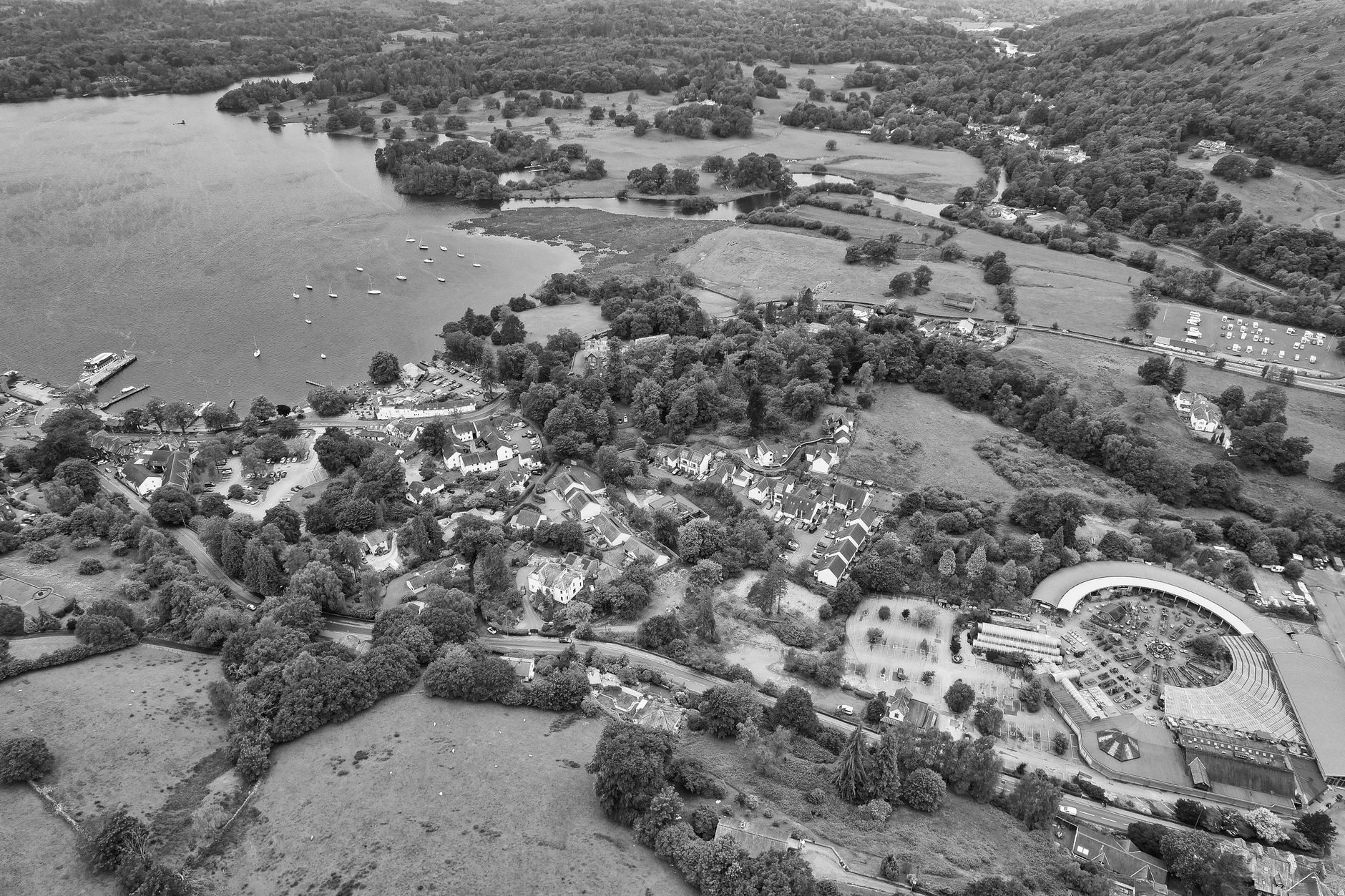
Behind St Martin's Church, the lanes of Lowside wind between old stone walls, narrow enough that you can touch both sides, and this is where Bowness existed before the railway arrived and changed everything. The rest of the town — the promenade, the hotels converted from industrialists' mansions, the Steamboat Museum with its iron-hulled Esperance — grew up fast and grew up for visitors, and has been serving them, with varying degrees of grace, ever since.
💛 What travellers fall for
People who keep coming back tend to know about the Windermere Ferry at Ferry Nab — not as a crossing but as a reason to slow down. They also tend to find Blackwell, M H Baillie Scott's Arts and Crafts house above the water, on a quieter weekday morning, when the light through the leaded glass does what it was designed to do.
Experiences you don't want to miss



Deals in Bowness-on-Windermere
Book directly at the provider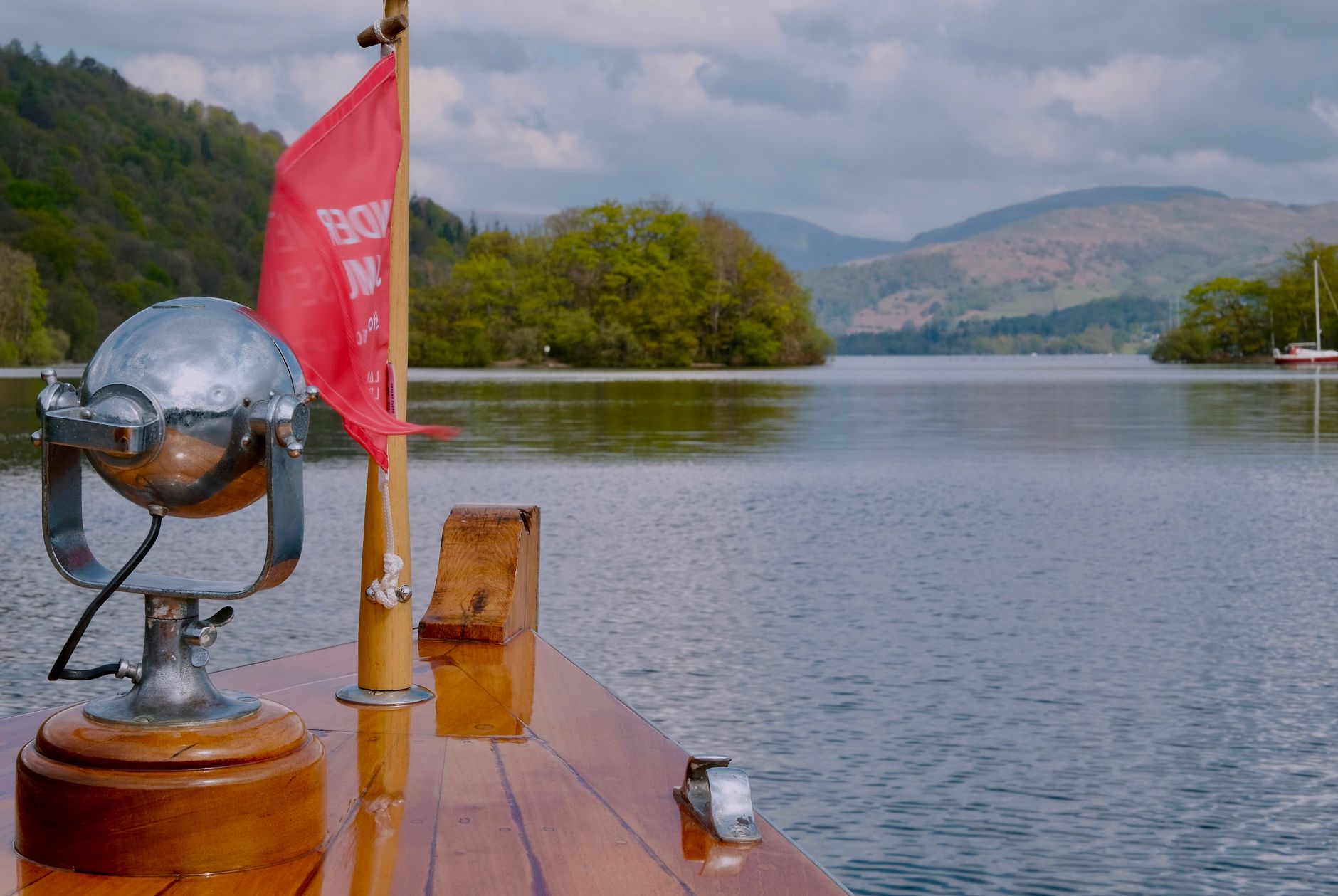
How Bowness-on-Windermere came to be
The market that grew up around St Martin's Church in the 17th century began informally — traders gathering under a yew tree in the churchyard on Sundays. The church itself had held parochial status since 1348, and its present building dates largely from around 1483, restored in 1870. For most of its life Bowness was a fishing village, small and unhurried.
The railway arrived at neighbouring Windermere in 1847 — Bowness residents had successfully opposed a station in their own town — but the effect was decisive regardless. Lancashire industrialists built large lakeside houses; Henry Schneider, chairman of the Barrow Steelworks, lived at what is now the Belsfield Hotel and commuted daily by steam yacht across the water. Within decades, Bowness had reinvented itself almost entirely around tourism, a transformation it has never reversed.
Who and what shaped it
People who shaped it
Landmark buildings
See Bowness-on-Windermere in motion
Plan your visit
On the map
When to go
Summer — June through September — brings daytime temperatures around 17–19°C and roughly five hours of sunshine a day, though July alone averages 16 days with some rainfall and 132 mm of it. January sits at around 5°C; come prepared for wet weather at any time of year.
Right now
Background & history adapted from Wikipedia (CC BY-SA) · specs from Wikidata (CC0) · weather from Open-Meteo · map data © OpenStreetMap contributors · photos from Wikimedia Commons / Unsplash with per-image credit. No third-party reviews or social posts reproduced.