
Ambleside
Stock Ghyll runs straight through the middle of Ambleside, and the town's most photographed structure straddles it: Bridge House, a stone room barely three metres square, built in 1723 as an apple store and now looked after by the National Trust. It costs nothing to step inside, and it sets the tone — this is a place where the practical and the quietly extraordinary share the same postcode.
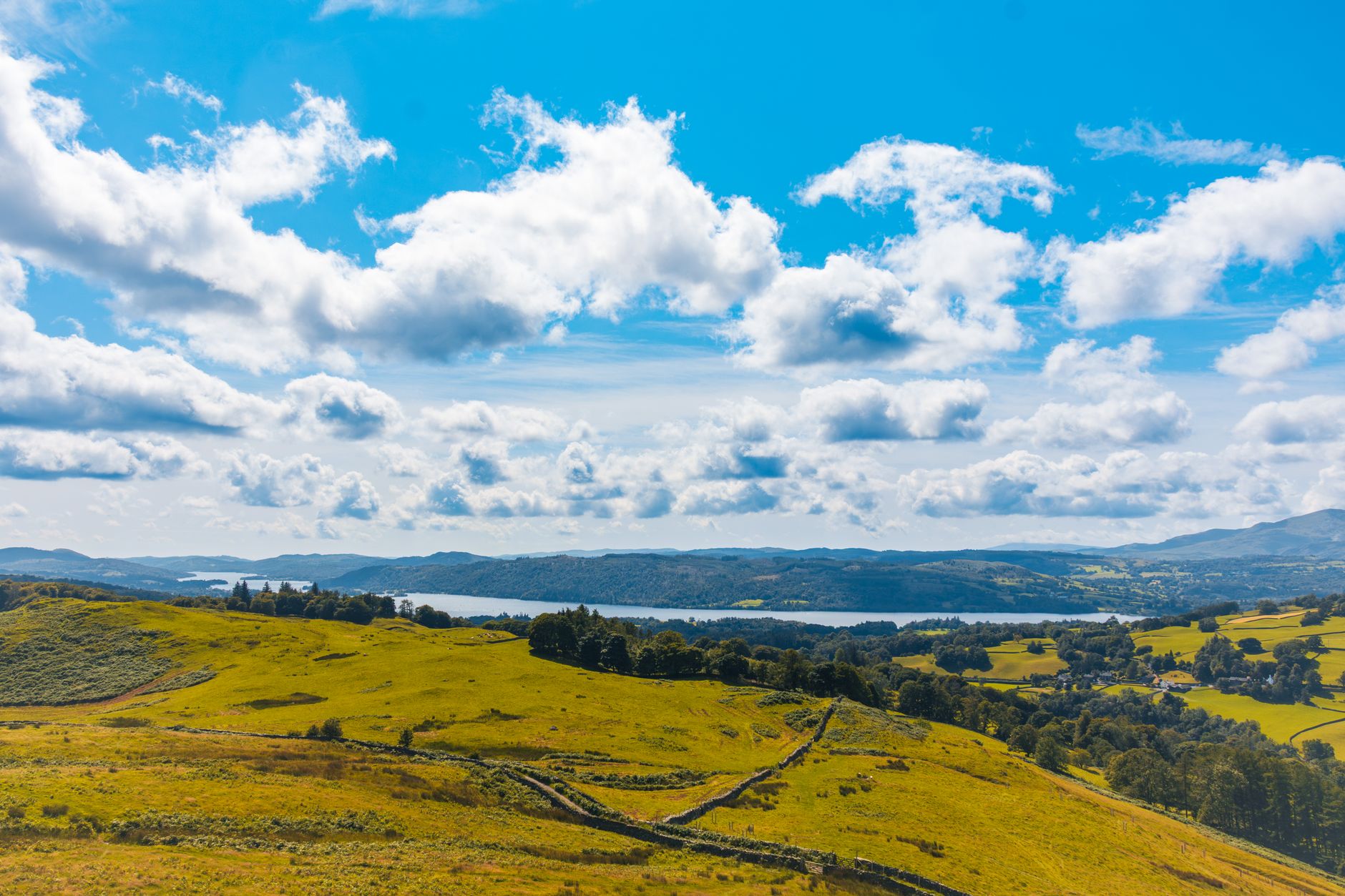
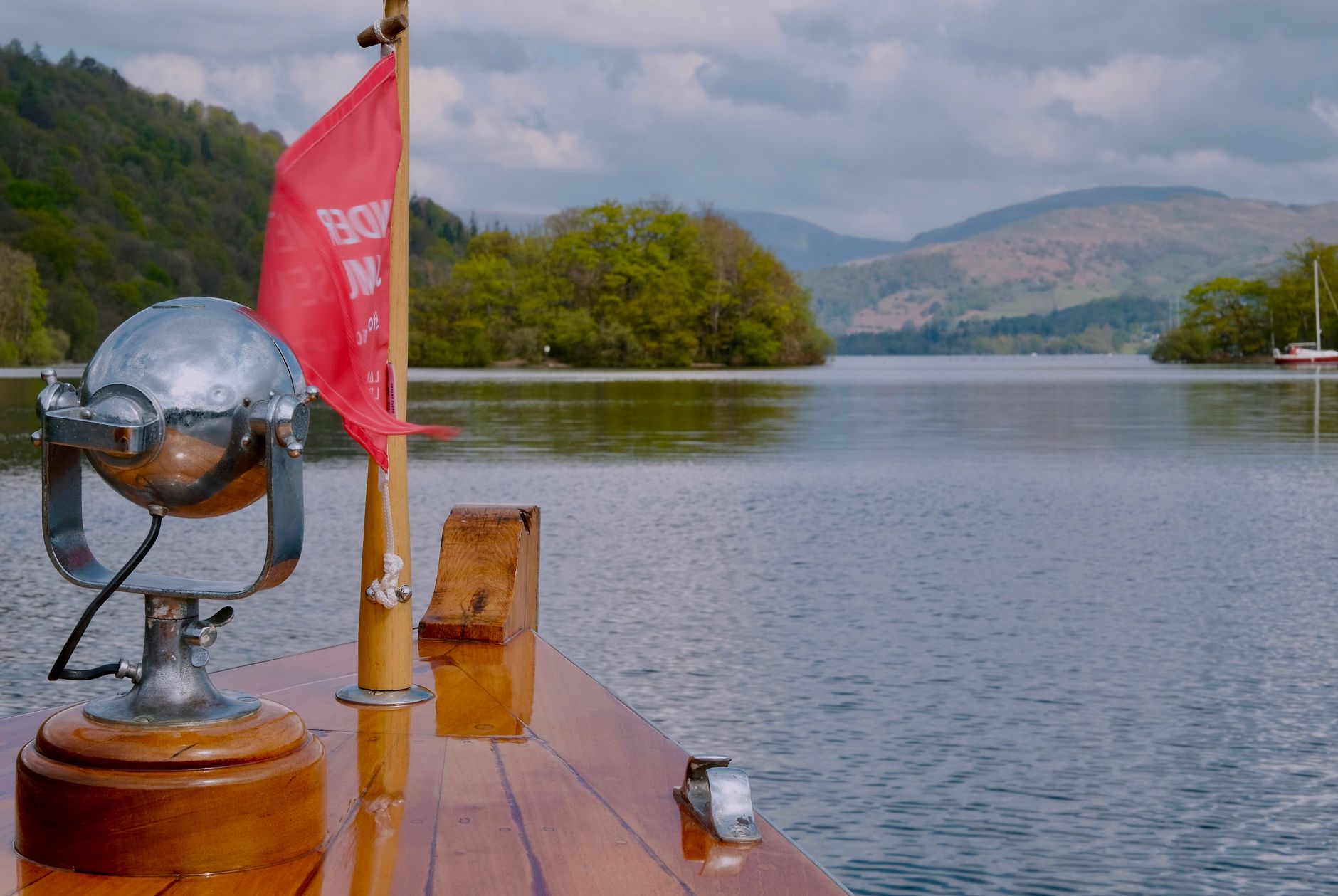
Ambleside sits at the northern end of Windermere, ringed by fells that make the sky feel close. It has a working-town quality that some of its neighbours lack: a library with eleven thousand books, a Roman fort at the water's edge, and buses that actually run.
💛 What travellers fall for
People who come back tend to time it around the rushbearing ceremony on the first Saturday of July — the mural inside St Mary's shows you what it looks like, which makes the real thing feel layered rather than random. The 555 bus from Grasmere drops you centrally, which means you can walk out and catch a boat home from Waterhead Pier without retracing a single step.
Experiences you don't want to miss


Deals in Ambleside
Book directly at the provider

How Ambleside came to be
The name comes from Old Norse — roughly, 'river sandbank summer pasture' — and the site was already old before anyone wrote it down. Romans built a fort here, Galava, around AD 79, with a stone replacement going up under Hadrian around AD 120; the remains sit on a raised platform near where the Rothay and Brathay meet, positioned carefully to avoid flooding. The town proper grew on the promontory between two becks, and in 1650 was granted a market charter.
The railway reached nearby Windermere in 1847, and Ambleside's population roughly tripled across the following decades. The town drew writers and thinkers alongside tourists: Harriet Martineau settled at The Knoll in 1845 and stayed thirty years; Wordsworth spent the last four decades of his life at Rydal Mount, just outside town; and Kurt Schwitters, the German Dada artist, lived here until his death in January 1948.
Who and what shaped it
People who shaped it
Landmark buildings
See Ambleside in motion
Plan your visit
On the map
When to go
The Lake District earns its rain, and Ambleside is no exception — expect it year-round, with the heaviest falls in winter. Summer days can be warm and clear, but a waterproof layer is never wasted; the shoulder months of May and September often offer the steadiest walking weather.
Right now
Background & history adapted from Wikipedia (CC BY-SA) · specs from Wikidata (CC0) · weather from Open-Meteo · map data © OpenStreetMap contributors · photos from Wikimedia Commons / Unsplash with per-image credit. No third-party reviews or social posts reproduced.