
Windermere
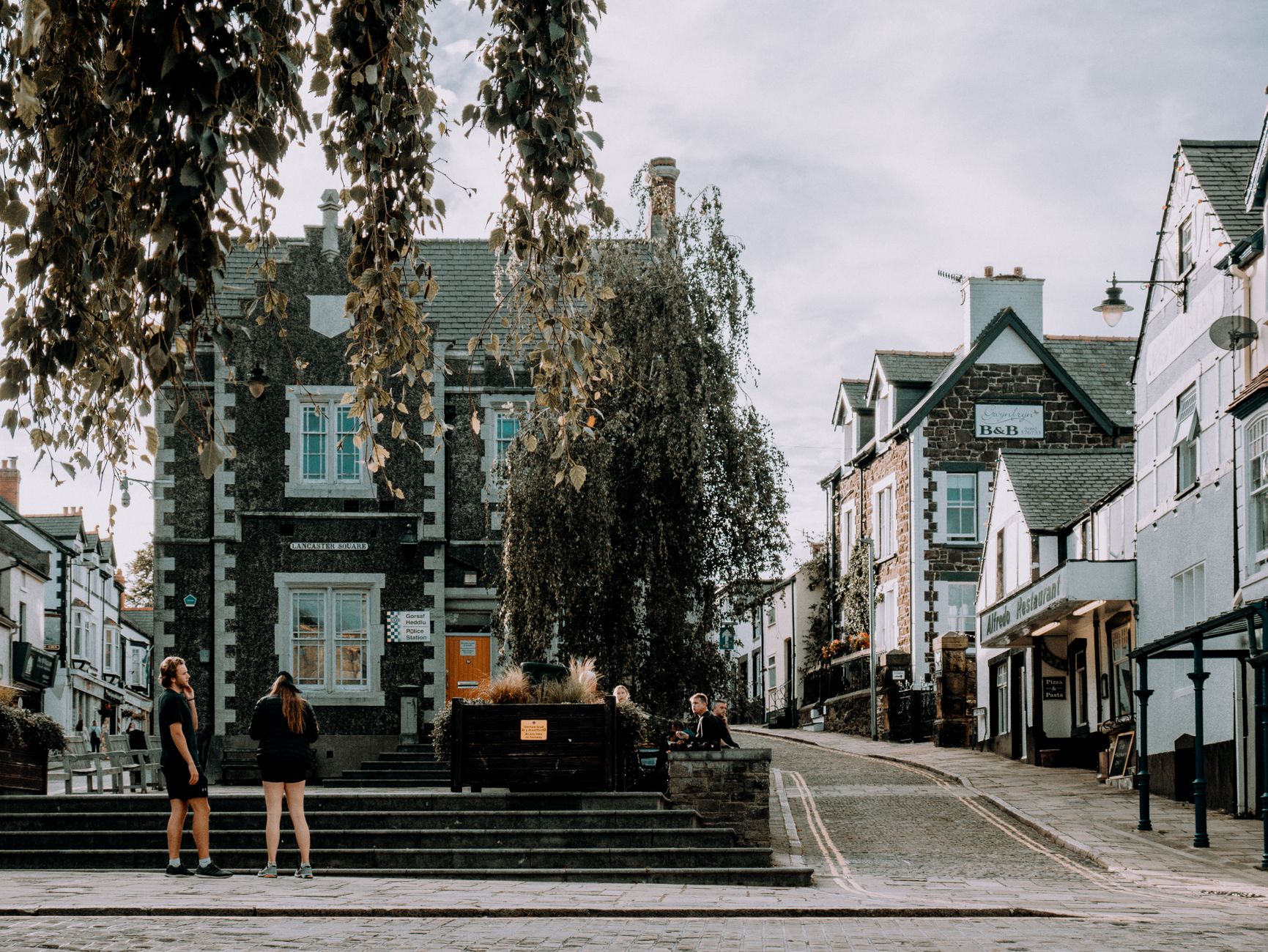
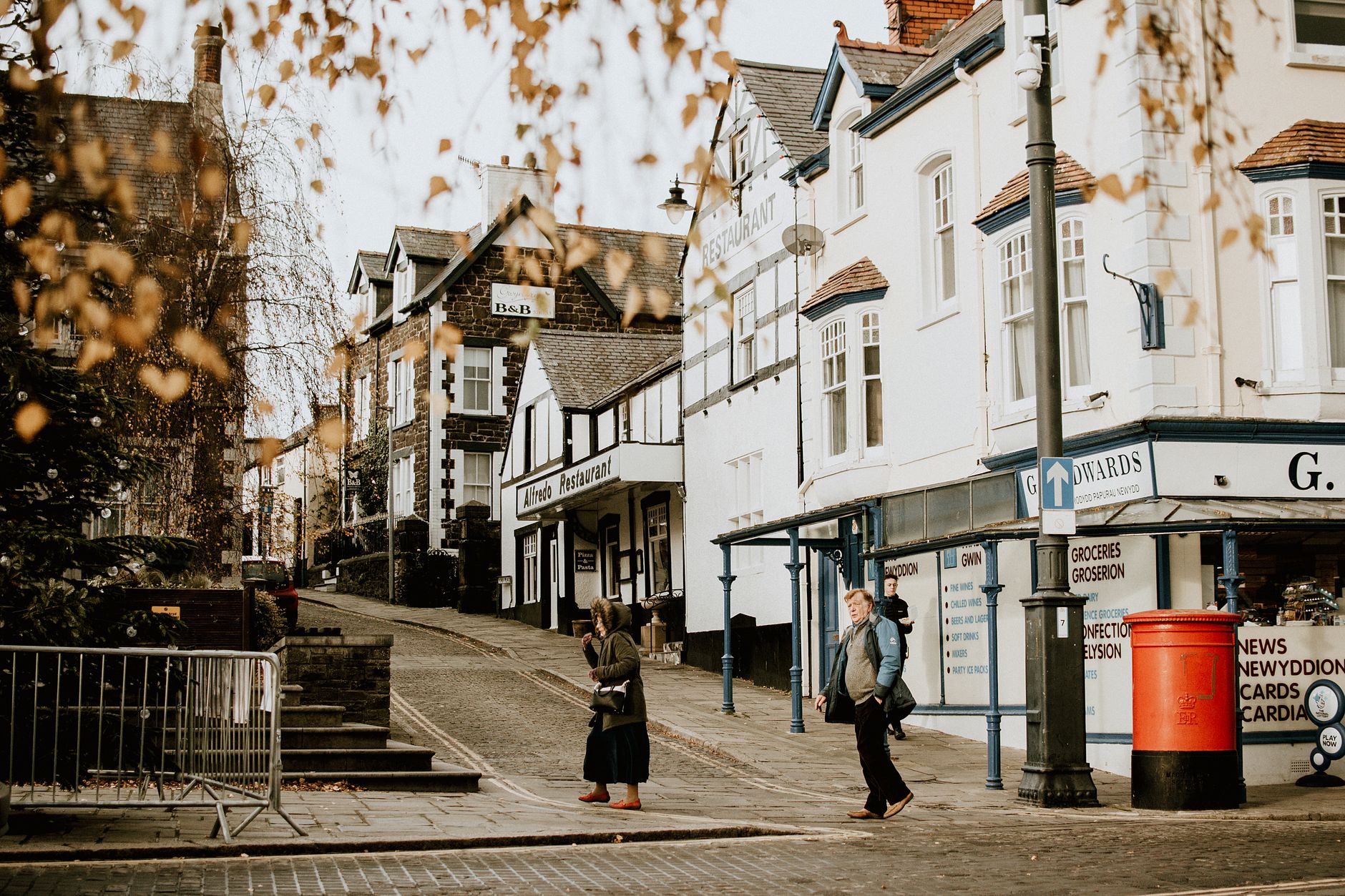
Windermere town exists because of a railway decision. In 1847, a line from Kendal reached a small hamlet called Birthwaite, the station was named after the lake two miles west, and the hamlet quietly became the town. That sequence — infrastructure first, identity second — still shapes how the place feels: a working gateway rather than a set piece, with a proper high street, a Victorian hotel that predates most of its neighbours, and a train station that still runs hourly services toward Manchester.
Orrest Head, the modest fell above the town, was the first Lakeland summit A. Wainwright climbed, in 1930 — and the view from the top is the same one that sent him back, repeatedly, for the rest of his life. That detail tells you something about what Windermere offers: not spectacle in itself, but the right starting point.
💛 What travellers fall for
Regulars tend to arrive by train and resist the urge to rush straight to the lake. The Baddeley Memorial Clock at the junction of New Road and Lake Road is a useful landmark for getting your bearings. Blackwell, the Arts and Crafts house on the southern shore, repays a slow hour — the interiors are genuinely considered, not merely preserved.
Deals in Windermere
Book directly at the provider
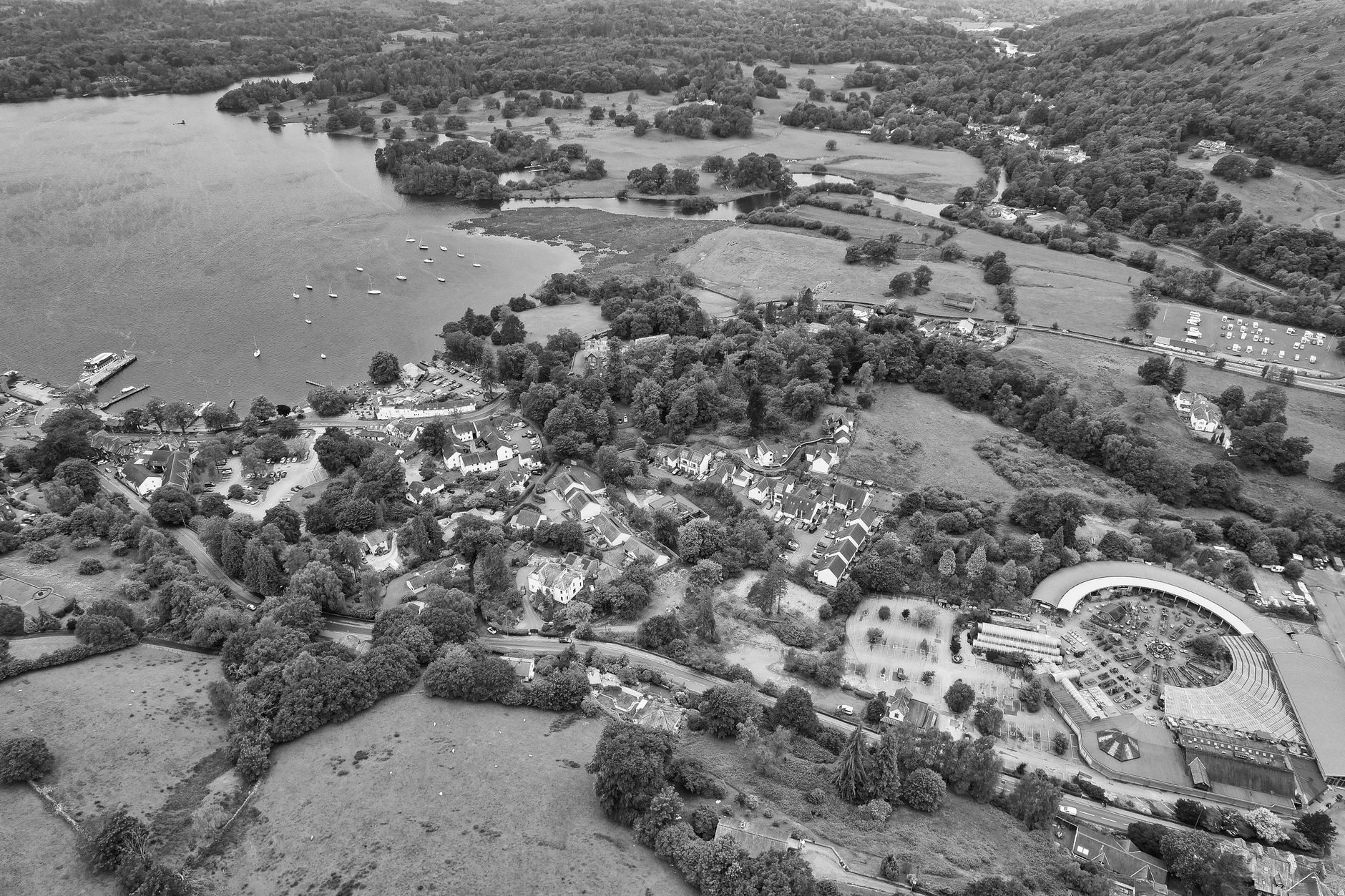
How Windermere came to be
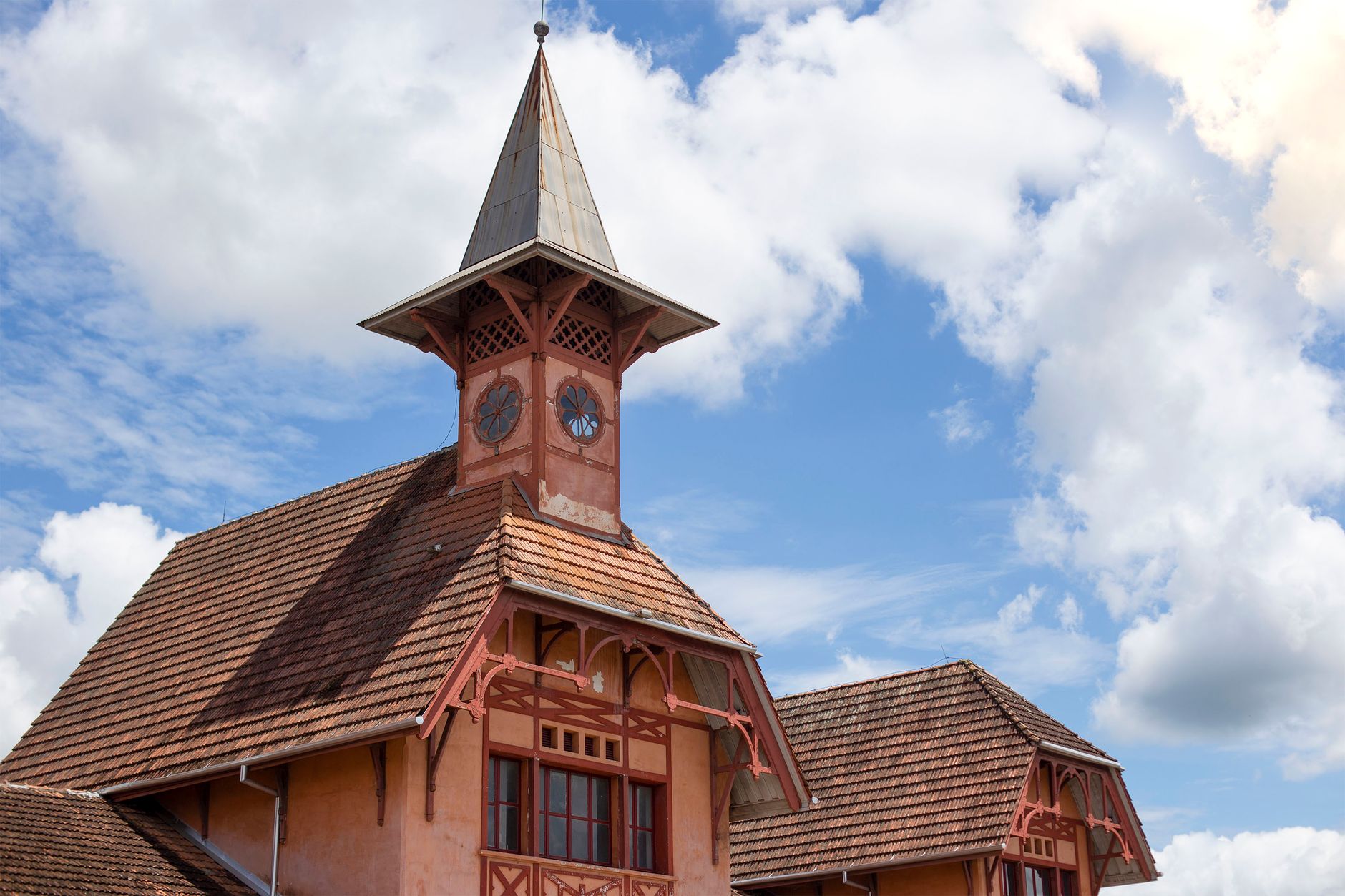
Before 1847, this was Birthwaite: a minor hamlet with a coaching inn, The Queens, dating to around 1730. When the Kendal and Windermere Railway opened its terminus here, the company named the station after the lake rather than the settlement, and the settlement gradually took on that name. Within two years, Pugin had designed The Terrace — a row of Grade II listed houses built in 1849, scaled deliberately to reflect the seniority of the railway executives they were built for. A hotel followed almost immediately, a newsroom and library by 1855, and by 1885 the town had 45 lodging and boarding houses.
The appetite for all of this had been building since 1810, when Wordsworth published his Guide to the Lakes and, in doing so, made the region a destination. The railway simply made the journey manageable for anyone who wasn't already wealthy enough to travel by carriage.
Who and what shaped it
People who shaped it
Landmark buildings
See Windermere in motion
Plan your visit
On the map
When to go
July sits around 19°C on a good day, but Windermere averages nearly 1,500mm of rain a year — this is genuinely wet country, and a waterproof is not optional in any season. Winter days are short and cold, with temperatures dropping to 7°C or below in February, but the fells are quieter and the light on the lake has a particular quality that summer crowds rarely see.
Right now
Background & history adapted from Wikipedia (CC BY-SA) · specs from Wikidata (CC0) · weather from Open-Meteo · map data © OpenStreetMap contributors · photos from Wikimedia Commons / Unsplash with per-image credit. No third-party reviews or social posts reproduced.