
Borrowdale
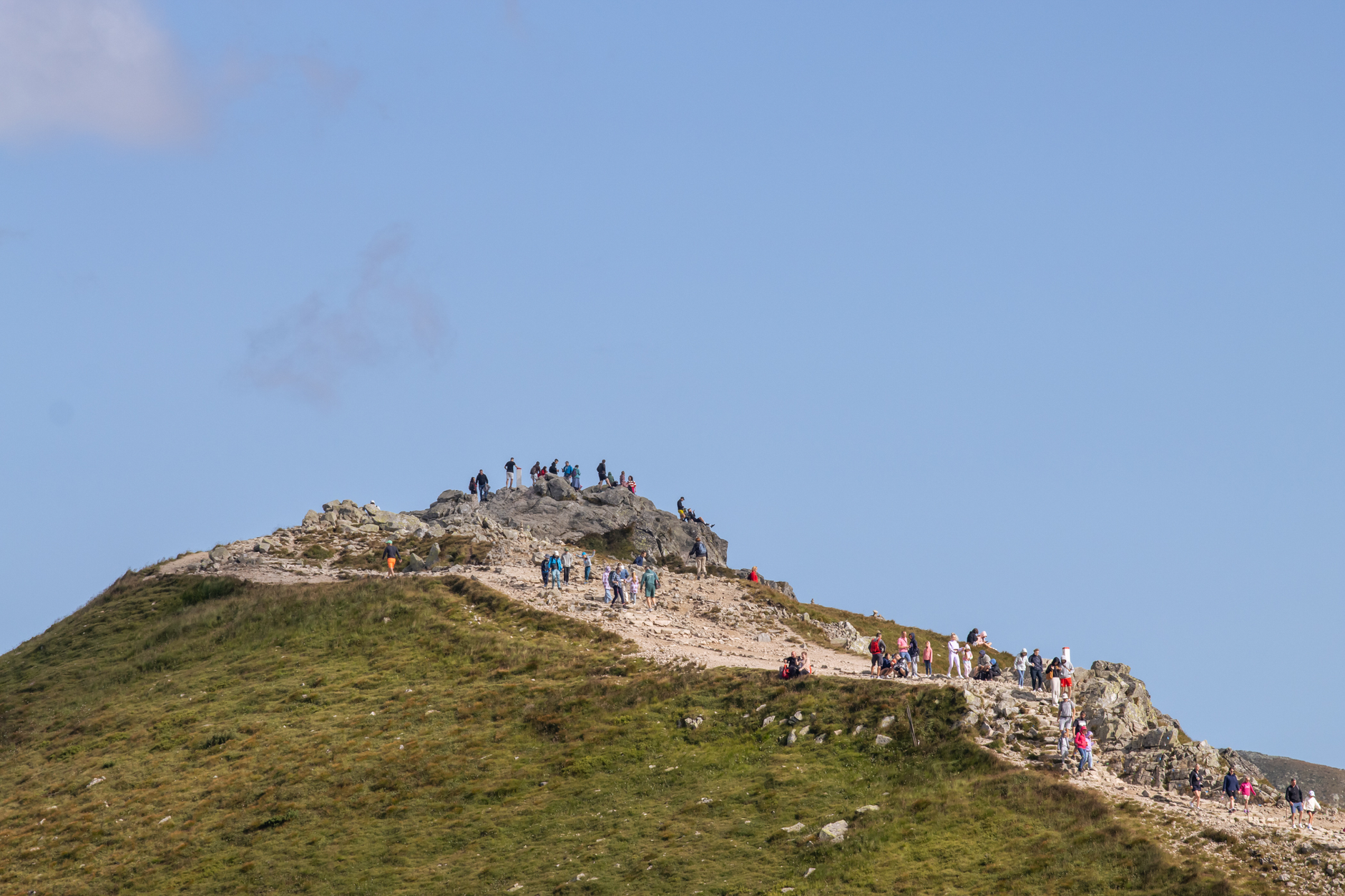
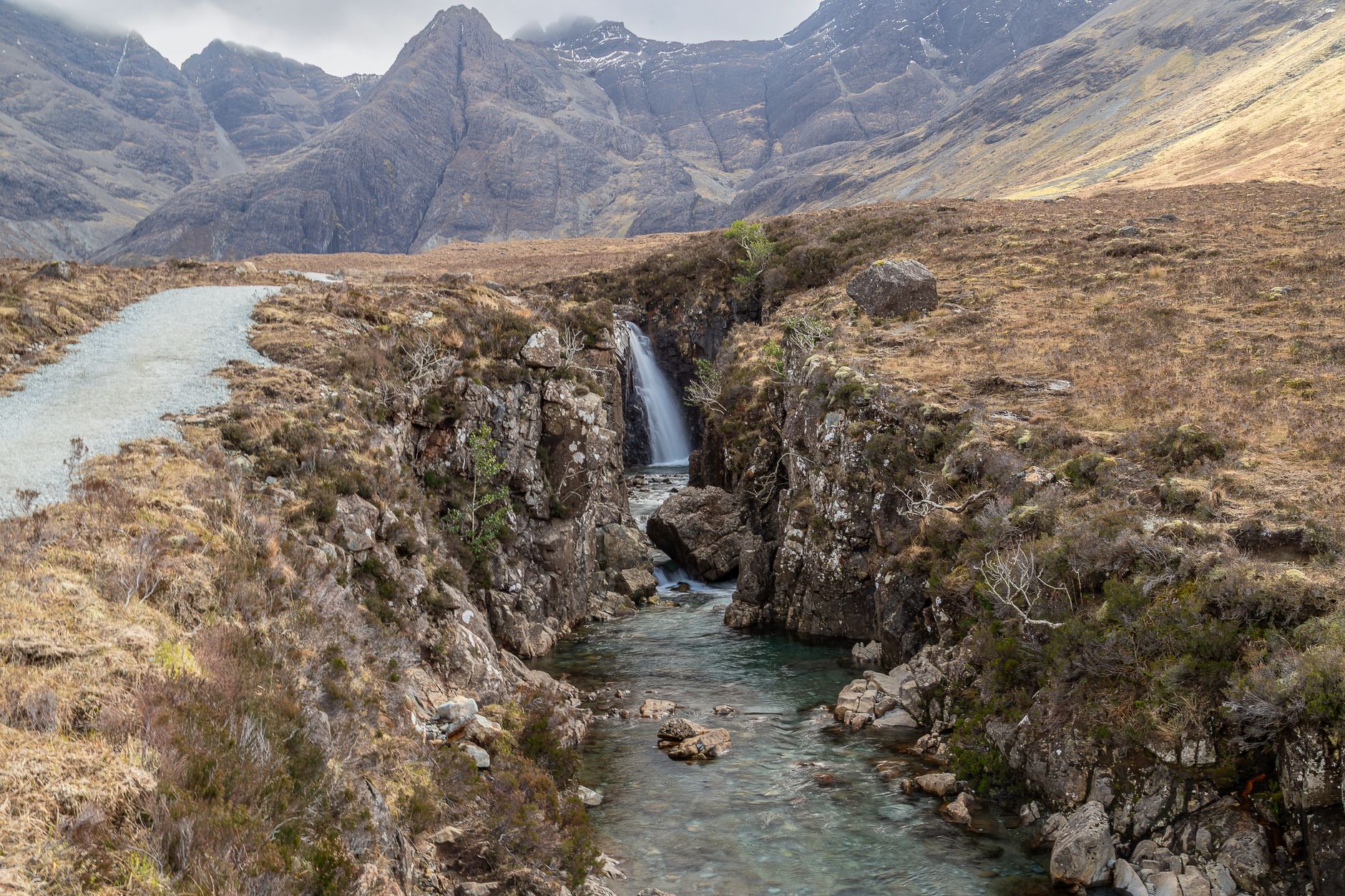
Borrowdale begins where Derwent Water ends. The road south from Keswick narrows into a valley of oak woodland, grey stone and slow river bends, and the scale of the fells pressing in on either side makes it clear you've crossed into somewhere different. A 2,000-ton boulder sits balanced in a clearing as though set down by a distracted giant — which, in a geological sense, is more or less what happened eighteen thousand years ago when the glacier retreated.
The valley runs from the double-arched bridge at Grange up to the high drama of Honister Pass. Along the way: yew trees that predate the Norman Conquest, a graphite deposit that changed how the world draws, and a novelist who came for the view and stayed for seventeen years.
💛 What travellers fall for
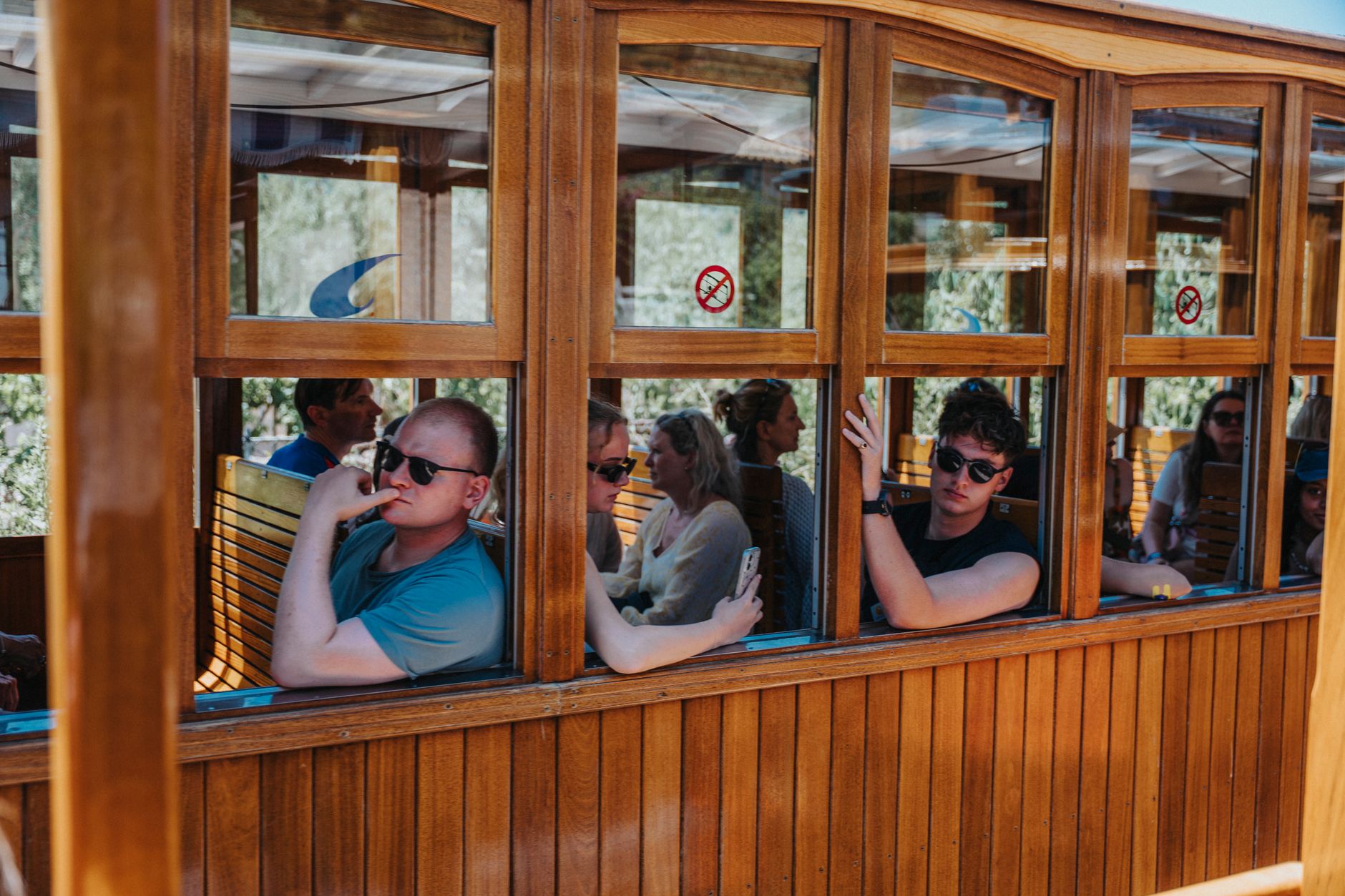
People who return tend to catch the open-top Service 78 from Keswick on a clear morning and ride it all the way to Seatoller before walking back down. Ashness Bridge earns its reputation — go early, before the cars queue behind you. The Lodore Falls are worth timing after a day of heavy rain, when they actually run.
Experiences you don't want to miss


Deals in Borrowdale
Book directly at the provider

How Borrowdale came to be
Scandinavian settlers named this place in the tenth century: 'borg' for fort, 'dalr' for valley — a reference to an Iron Age fortification that preceded them by centuries. Records of people living here stretch back to the 1100s, and by 1505 a chapel existed near Stonethwaite, formally dedicated as St Andrew's in 1687.
Sometime before 1565, a graphite deposit was found near Seathwaite — one of the purest ever discovered, and the origin of the pencil industry. The slate quarry at Honister opened around 1643 and still cuts stone today. In 1913, Brandelhow Park became the first land the National Trust acquired in the Lake District. In 1920, Castle Crag was donated in memory of John Hamer and the Borrowdale men who died in the First World War.
Who and what shaped it
People who shaped it
Landmark buildings
See Borrowdale in motion
Plan your visit
On the map
When to go
Borrowdale is one of the wettest valleys in England, which is precisely why the waterfalls run and the woodland stays so dense. Summer days can be warm and clear, but rain arrives fast from the west; spring and autumn offer the best light and the most honest version of the place.
Right now
Background & history adapted from Wikipedia (CC BY-SA) · specs from Wikidata (CC0) · weather from Open-Meteo · map data © OpenStreetMap contributors · photos from Wikimedia Commons / Unsplash with per-image credit. No third-party reviews or social posts reproduced.