
Kendal
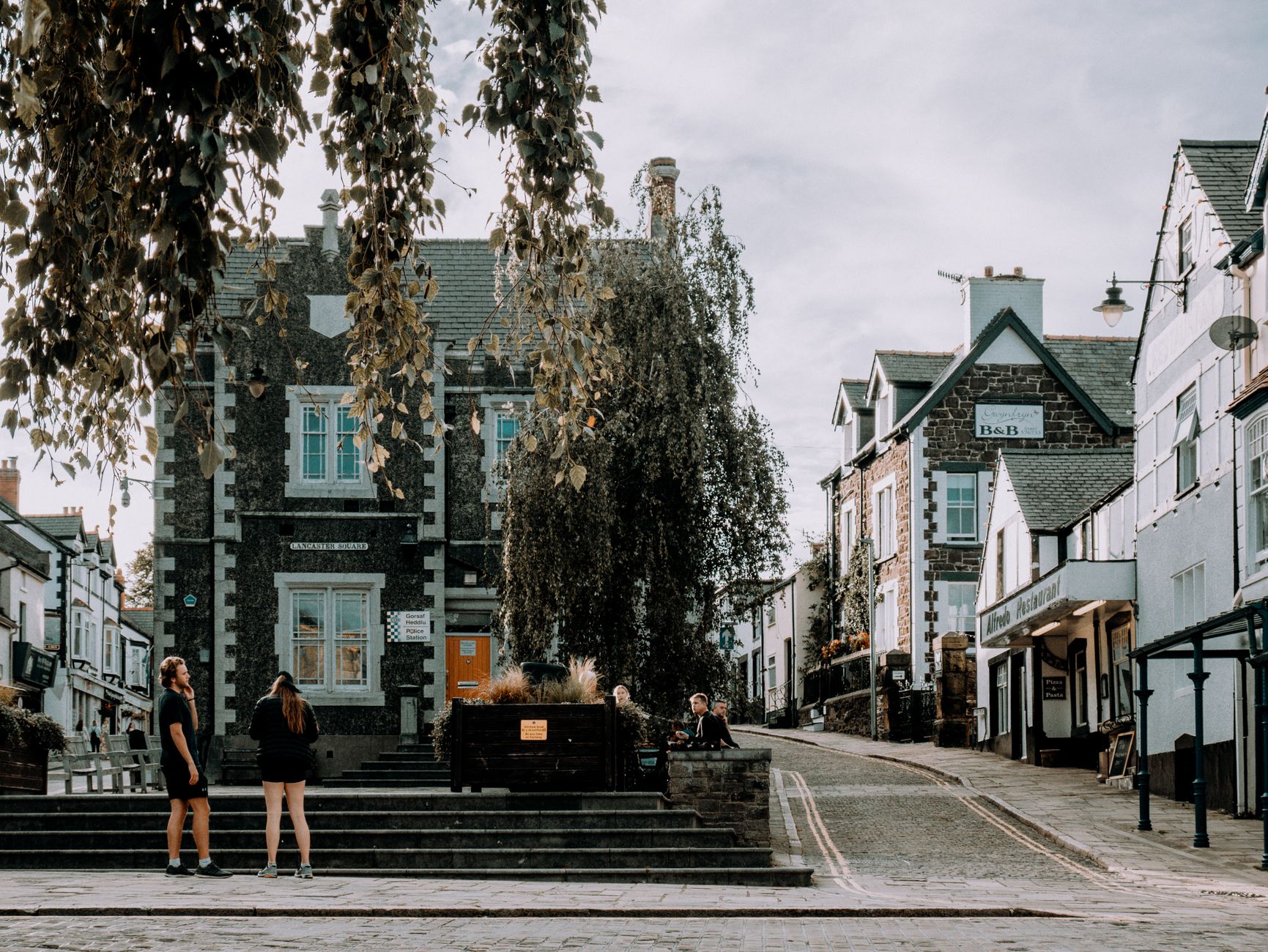

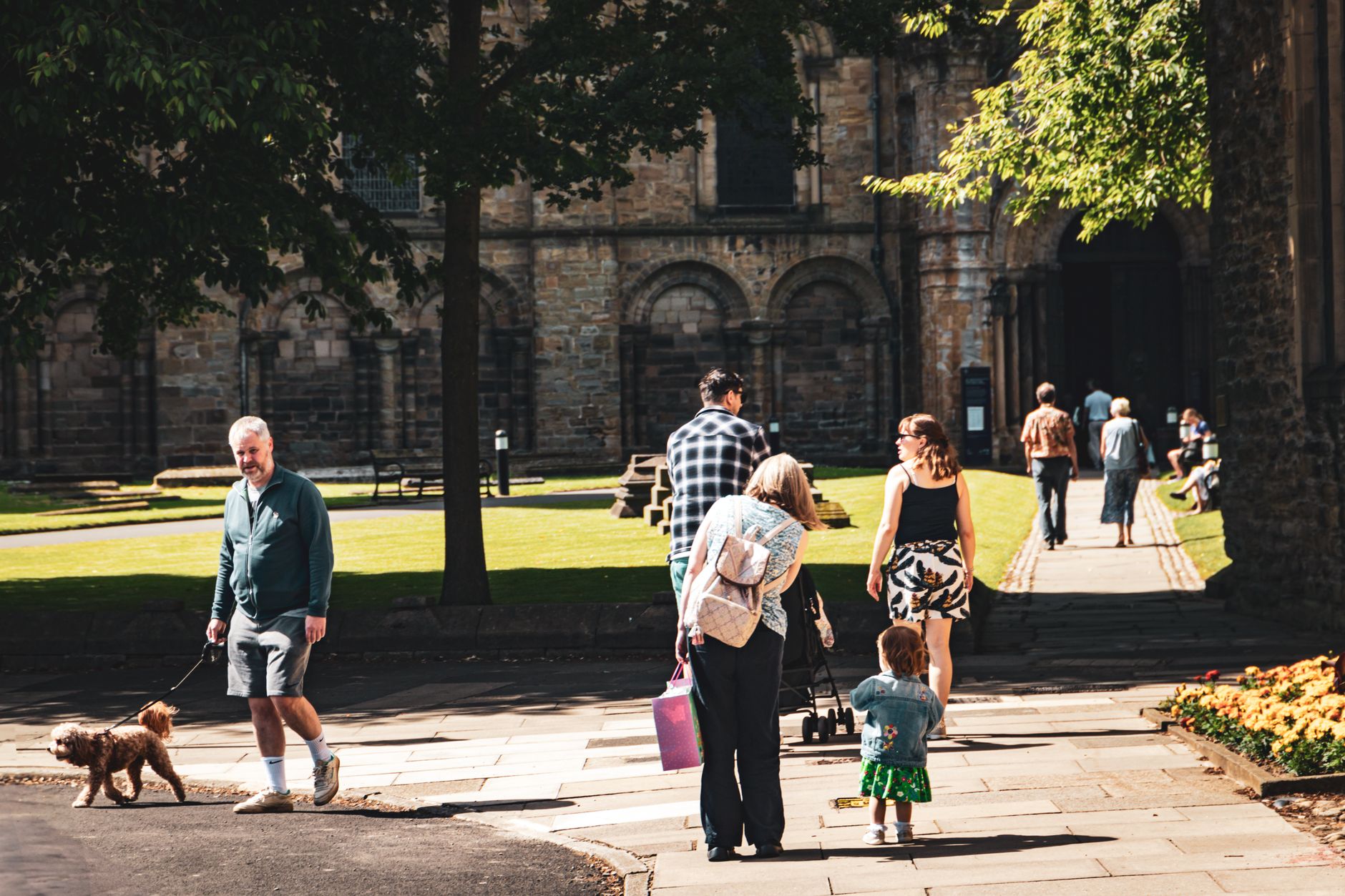
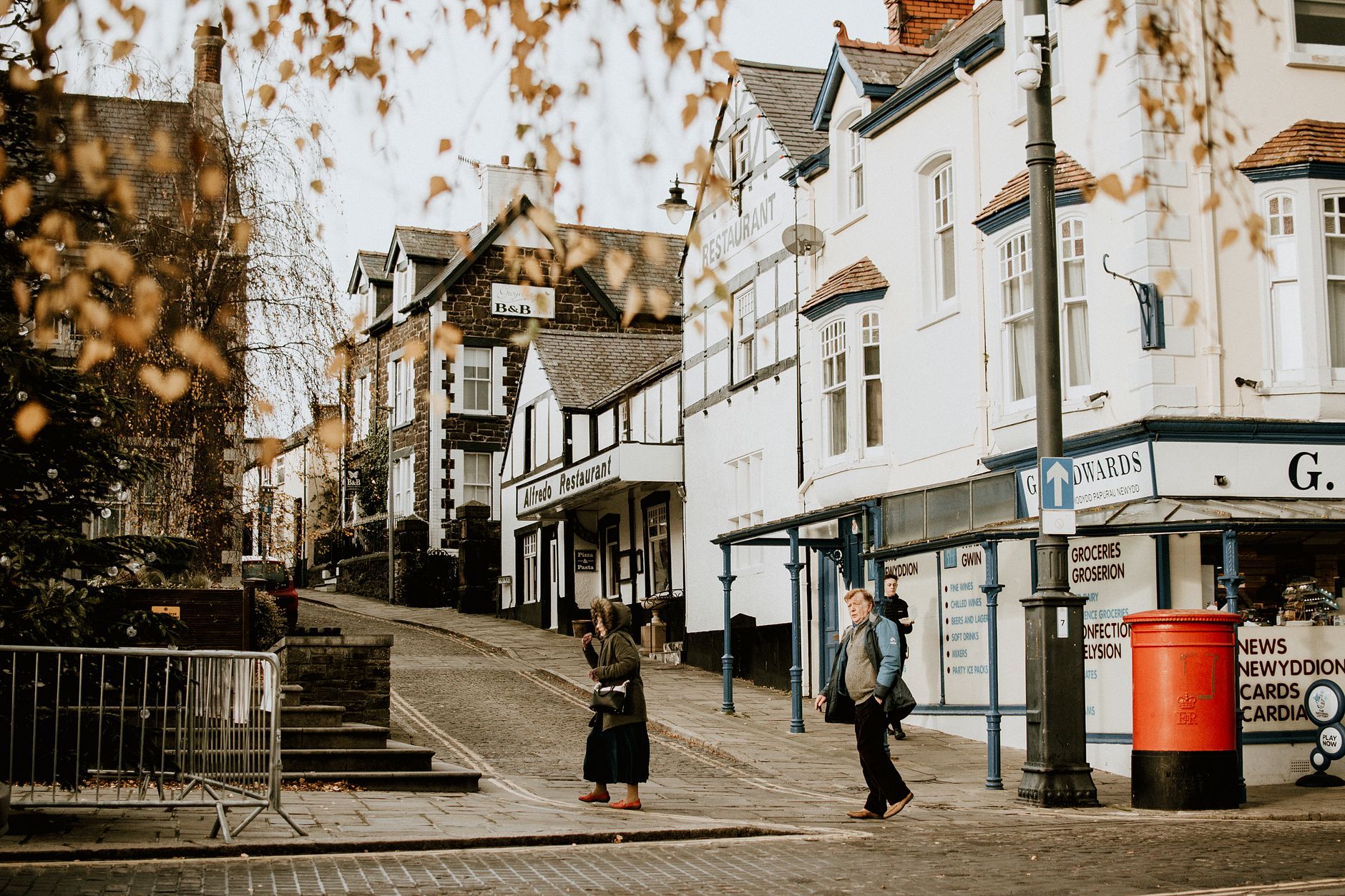

Kendal sits at the edge of the Lake District rather than inside it, and that position is the point. The fells are close enough to pull you toward them, but the town itself has its own gravity — grey limestone buildings lining the River Kent, a ruined castle on the hill above, and a long commercial memory that stretches back to a royal market charter of 1189.
This is where Alfred Wainwright worked as Borough Treasurer and quietly produced his handmade Pictorial Guides to 214 Lake District summits. Where Catherine Parr was born before she became Henry VIII's sixth wife. Where Cumbria's largest parish church stands with five aisles and no particular fuss about it.
💛 What travellers fall for
People who come back tend to mention the same few things: the Quaker Tapestry at the Friends' Meeting House (genuinely worth the detour), the Georgian proportions of Abbot Hall, and the walk up to Kendal Castle at dusk when the light catches what's left of the walls and the valley opens out below.
Deals in Kendal
Book directly at the provider


How Kendal came to be
The Romans built a fort on the Kent's bank in the first century. By 1086 the area was recorded in the Domesday Book under Yorkshire, and in 1189 Richard I granted the Baron of Kendal the right to hold a weekly market — the origin of a trading town that would grow around wool and, later, the fabric known as Kendal Green. The castle on the hill dates from around 1200, built as a home and administrative centre for those barons; Catherine Parr was born within its walls.
The Lancaster Canal arrived in 1819, the railway in 1846, and the branch to Windermere followed in 1847 — each connecting Kendal to the wider world while the Lakes remained just out of reach. In 2023 it became the administrative centre of the new Westmorland and Furness district, a role that feels appropriate for a town that has been organising this corner of England since the medieval market bell first rang.
Who and what shaped it
People who shaped it
Landmark buildings
See Kendal in motion
Plan your visit
On the map
When to go
Summers are mild rather than warm — July and August average highs of around 19°C — and rain is possible in any month. Winters are cool and damp but rarely severe, and the limestone town centre looks well in low winter light.
Right now
Background & history adapted from Wikipedia (CC BY-SA) · specs from Wikidata (CC0) · weather from Open-Meteo · map data © OpenStreetMap contributors · photos from Wikimedia Commons / Unsplash with per-image credit. No third-party reviews or social posts reproduced.