
Cockermouth
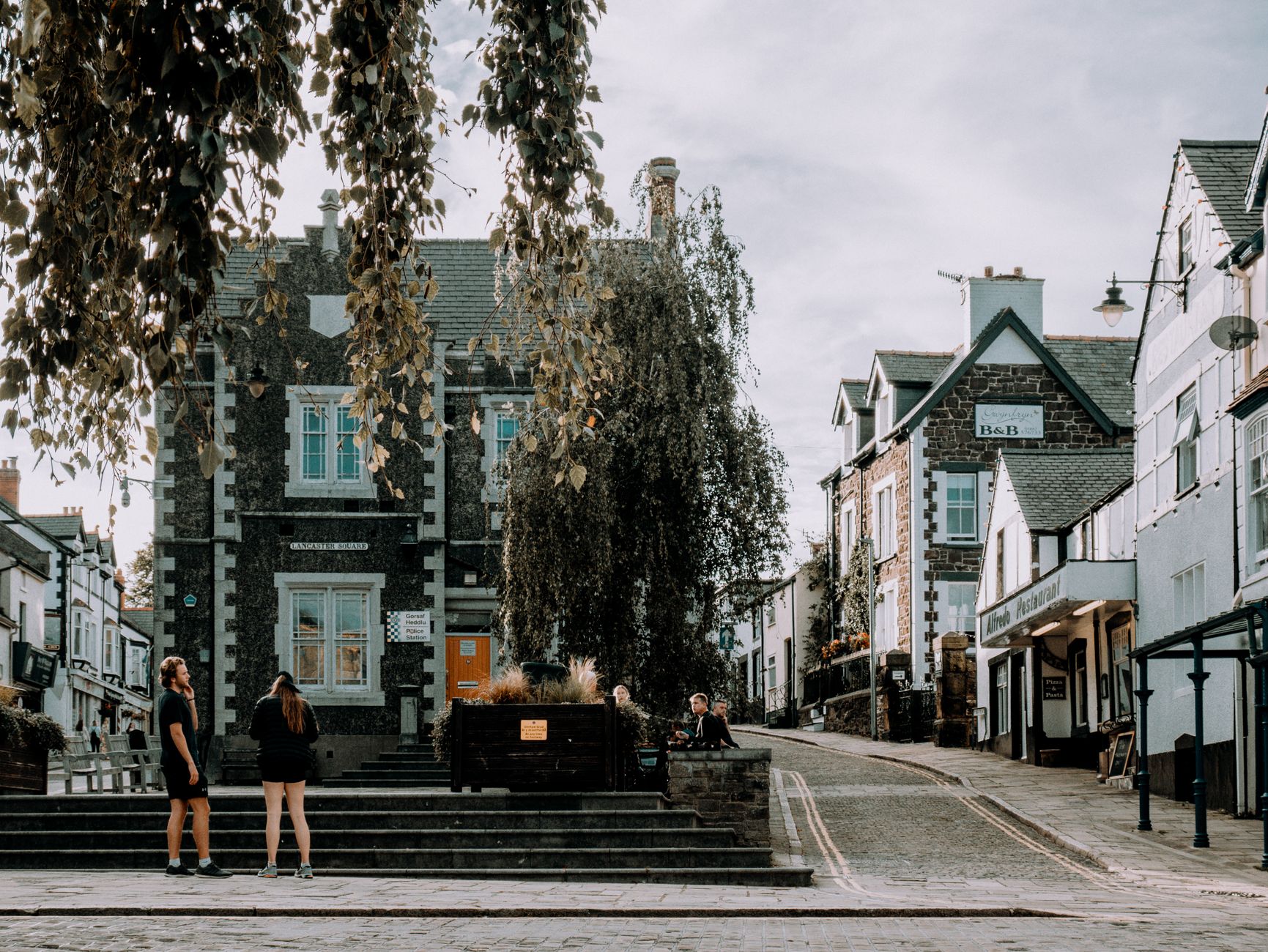
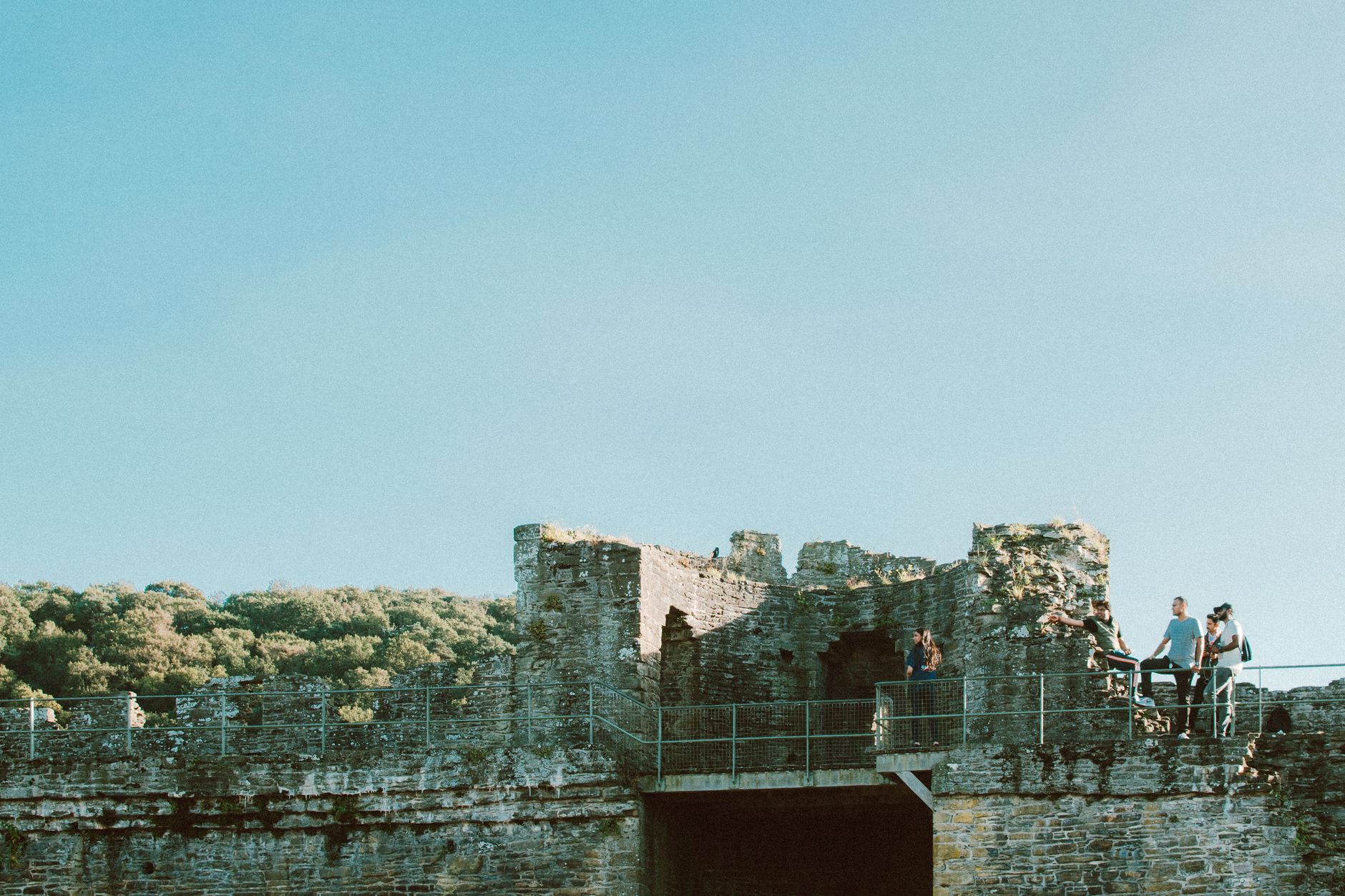


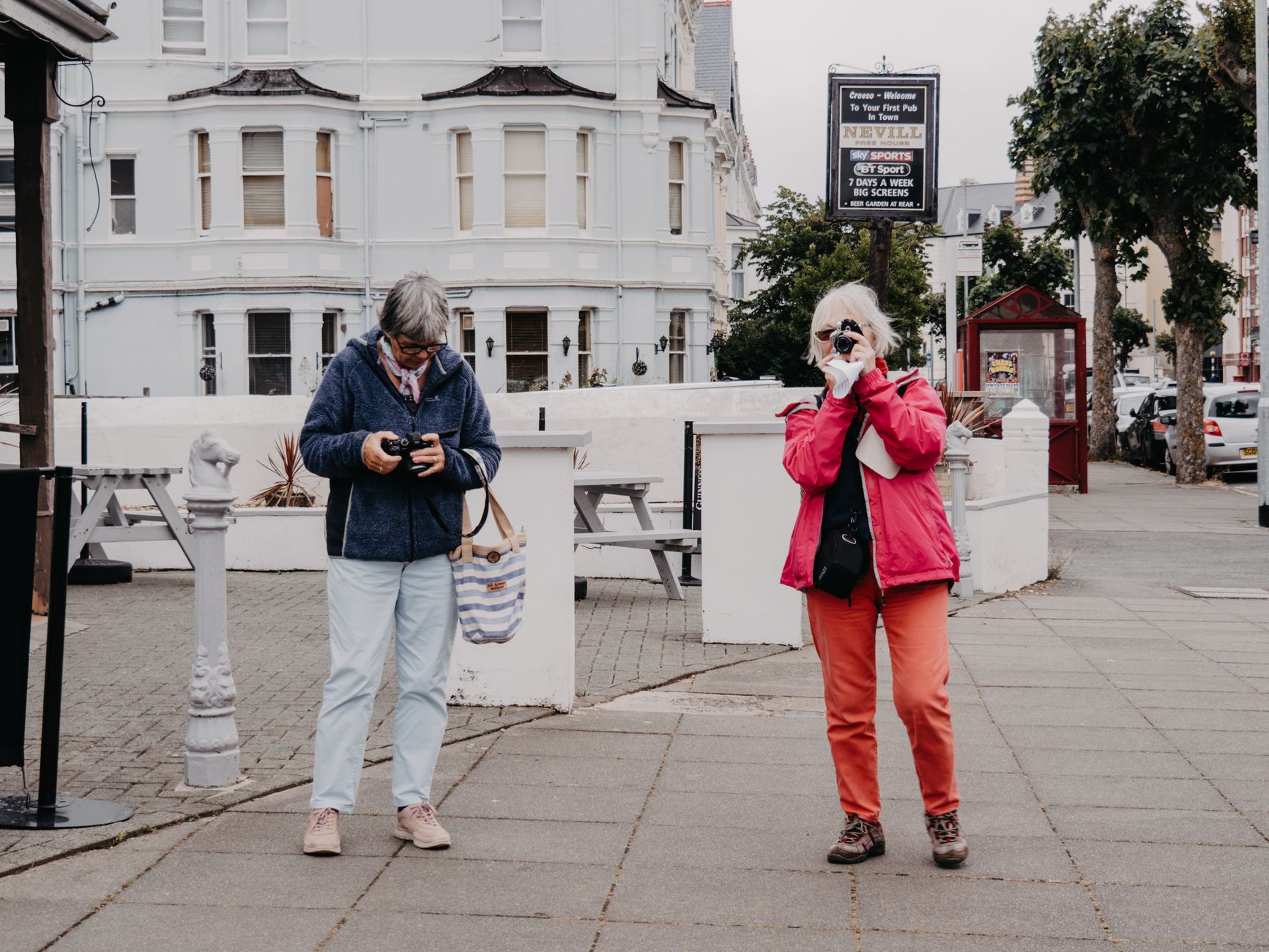

Two rivers meet at Cockermouth — the Cocker and the Derwent — and the town has organised itself around that fact since the Normans put a castle on the ridge between them in 1134. The main street is wide and tree-lined, the architecture largely Georgian, and the whole place has a composed, unhurried quality that sets it apart from the more visitor-saturated villages to the south.
This is the western edge of the Lake District, far enough from Windermere to feel like somewhere people actually live. There's a working brewery near the castle walls, a National Trust townhouse where Wordsworth was born, and a market that has been running, in one form or another, since before 1221.
💛 What travellers fall for
People who come back tend to time a visit around the Cockermouth Festival in July — it's one of the few chances to get inside the castle, which is privately owned and otherwise closed. The Kirkgate Centre, in the old National School building, regularly surprises with its film and music programme. Worth checking what's on before you arrive.
Deals in Cockermouth
Book directly at the provider


How Cockermouth came to be
The castle came first — built in 1134 on a natural defensive ridge where two rivers converge, then expanded through the 13th and 14th centuries using stone quarried from an older Roman fort. A borough by the 13th century, Cockermouth sent MPs to Parliament from 1295 and held market charters granted by Henry III in 1221 and 1227. Textile production — fulling mills, cottage weaving — sustained the town for roughly six centuries.
The railways arrived from Workington in 1847 and from Penrith and Keswick in 1864, pushing new housing south onto The Moor. In 1881, six electric lamps were installed on the streets, making Cockermouth possibly the first town in Britain to trial electric public lighting. The Council for British Archaeology designated it one of 51 Gem Towns in the UK in 1964.
Who and what shaped it
People who shaped it
Landmark buildings
See Cockermouth in motion
Plan your visit
On the map
When to go
The western Lake District is wetter than the east, and Cockermouth gets its share of Cumbrian rain year-round. Summer is the driest and busiest window; late spring and September tend to offer mild days with fewer crowds and better light for the long main street.
Right now
Background & history adapted from Wikipedia (CC BY-SA) · specs from Wikidata (CC0) · weather from Open-Meteo · map data © OpenStreetMap contributors · photos from Wikimedia Commons / Unsplash with per-image credit. No third-party reviews or social posts reproduced.