
Elterwater
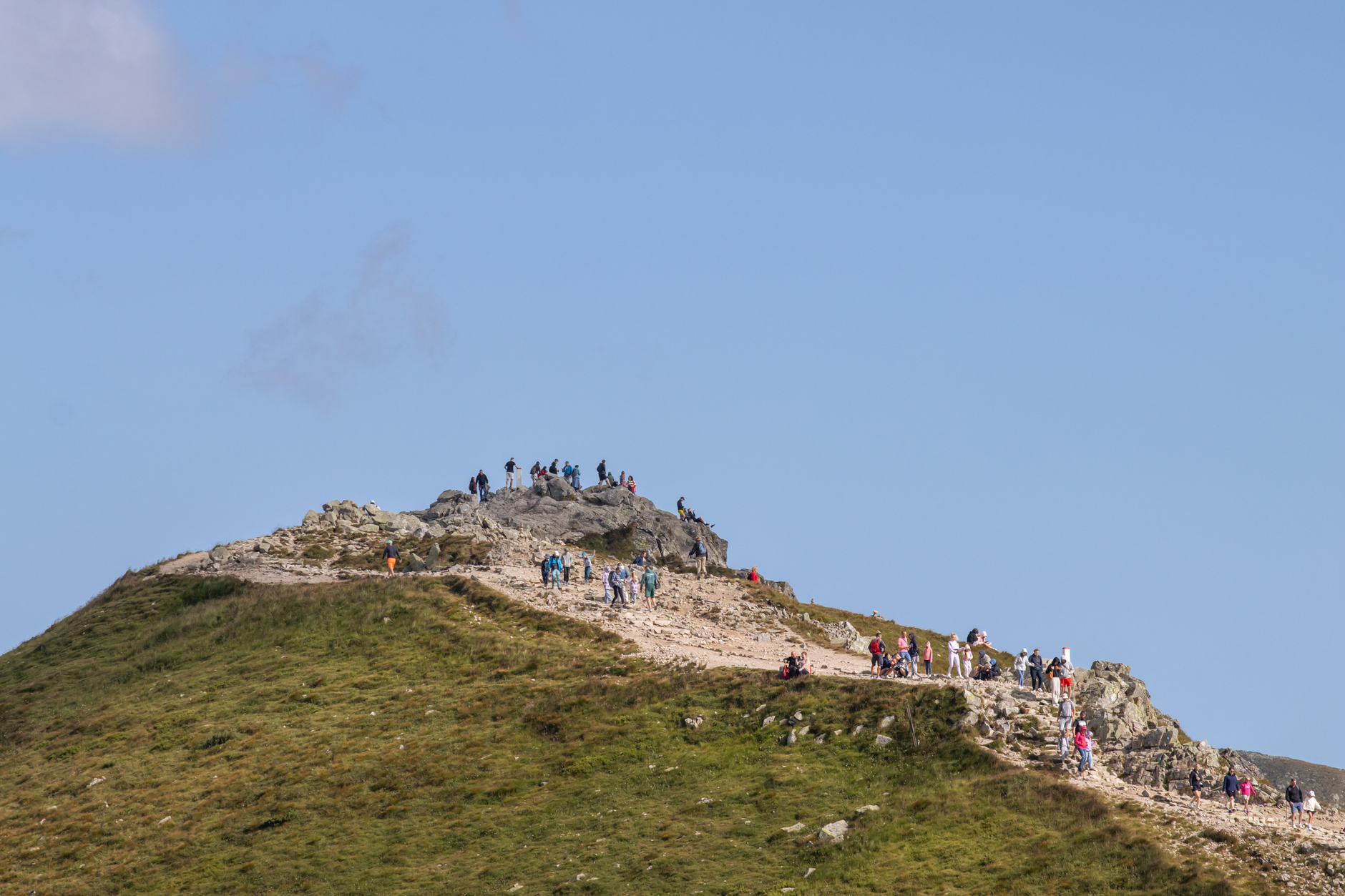

The village green at Elterwater is small enough that you can take it in from a single spot — one tree, the whitewashed front of the Britannia Inn, a shop, and the Langdale fells rising behind. That's most of it. What the place lacks in scale it makes up for in position: Great Langdale opens out around it, the lake that gives the village its name sits half a mile to the southeast, and a footpath west through the trees leads to Skelwith Force without requiring you to get back in the car.
About three-quarters of the houses here are holiday cottages, so the permanent population is thin, the pace unhurried, and the village green tends to be quieter than you'd expect given how many walkers pass through. It works best as a pause rather than a destination — somewhere to eat, breathe, and get your bearings for the valley.
💛 What travellers fall for
People who return tend to time it around the Britannia. A pint after the Langdale round, a seat facing the green — that's the ritual. Slates Coffee and Kitchen handles breakfast before the fells fill with other walkers. The Cathedral Quarry walk in Tilberthwaite rewards those who look it up beforehand; it doesn't announce itself.
Deals in Elterwater
Book directly at the provider


How Elterwater came to be
Great Langdale has been farmed and quarried for centuries, but Elterwater's industrial identity sharpened in 1824 when a gunpowder works opened here, running until 1930. The site is now the Langdale Estate. Alongside the industry, something quieter was happening: in the 1880s, Albert Fleming and Marion Twelves, working under the influence of John Ruskin's Guild of St George, revived linen spinning and weaving in the village. The textiles that came out of that cottage effort became known as Ruskin Lace, continued later by Elizabeth Pepper.
In 1947, the German Dadaist Kurt Schwitters — exiled, largely forgotten by then — built one of his Merzbau constructions in a barn at Cylinders, just outside the village. He died before finishing it. The work was eventually moved to the Hatton Gallery in Newcastle in 1965.
Who and what shaped it
People who shaped it
Landmark buildings
See Elterwater in motion
Plan your visit
On the map
When to go
Elterwater sits in a valley that catches weather from every direction — 1,500mm of rain a year, around 200 wet days, and the genuine possibility of sunshine, hail and sleet within the same afternoon. May offers the best combination of light (over seven hours of sun a day) and manageable crowds; winter days are short and grey but the fells are quieter than they have any right to be.
Right now
Background & history adapted from Wikipedia (CC BY-SA) · specs from Wikidata (CC0) · weather from Open-Meteo · map data © OpenStreetMap contributors · photos from Wikimedia Commons / Unsplash with per-image credit. No third-party reviews or social posts reproduced.