
Coniston
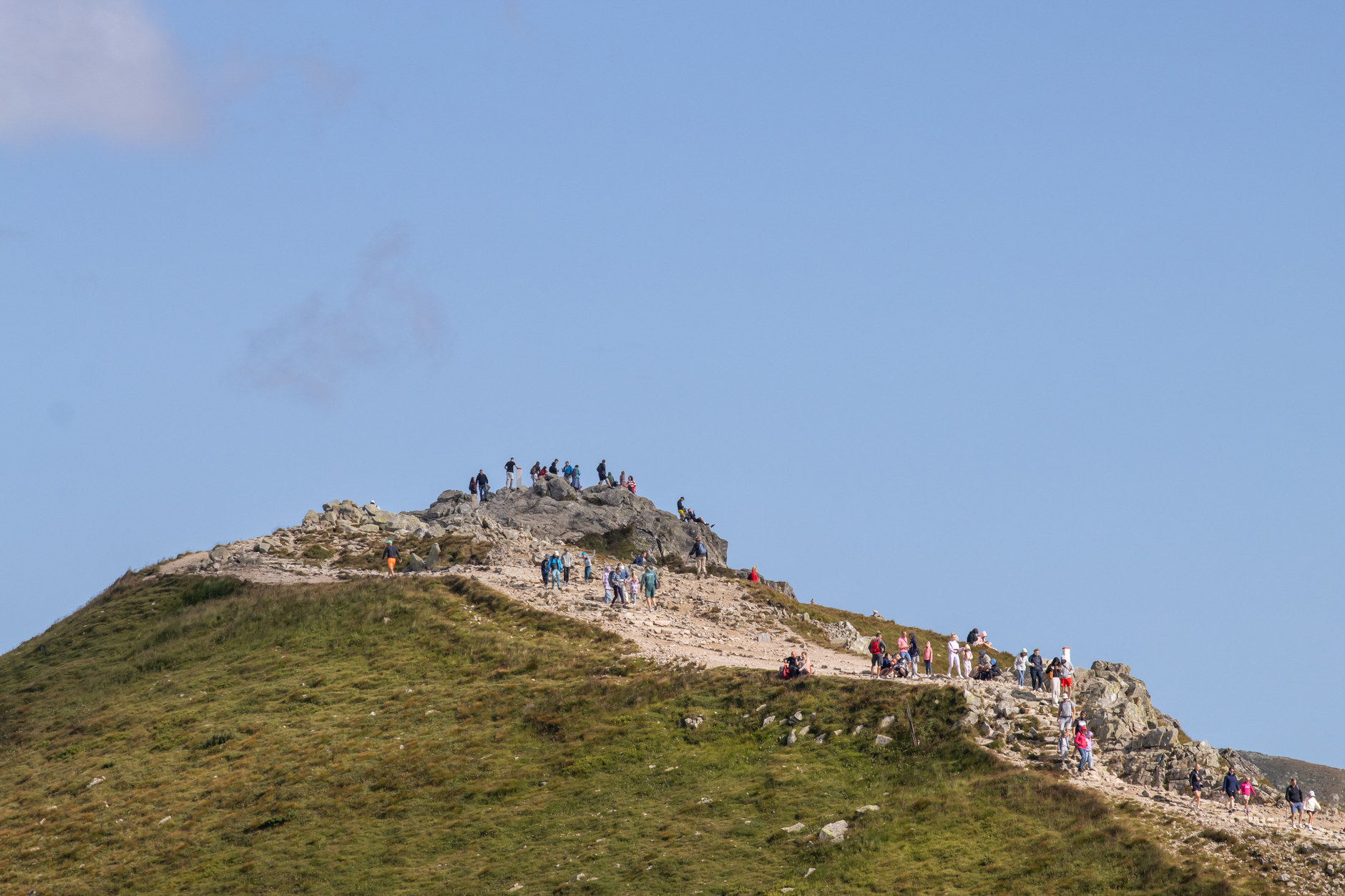
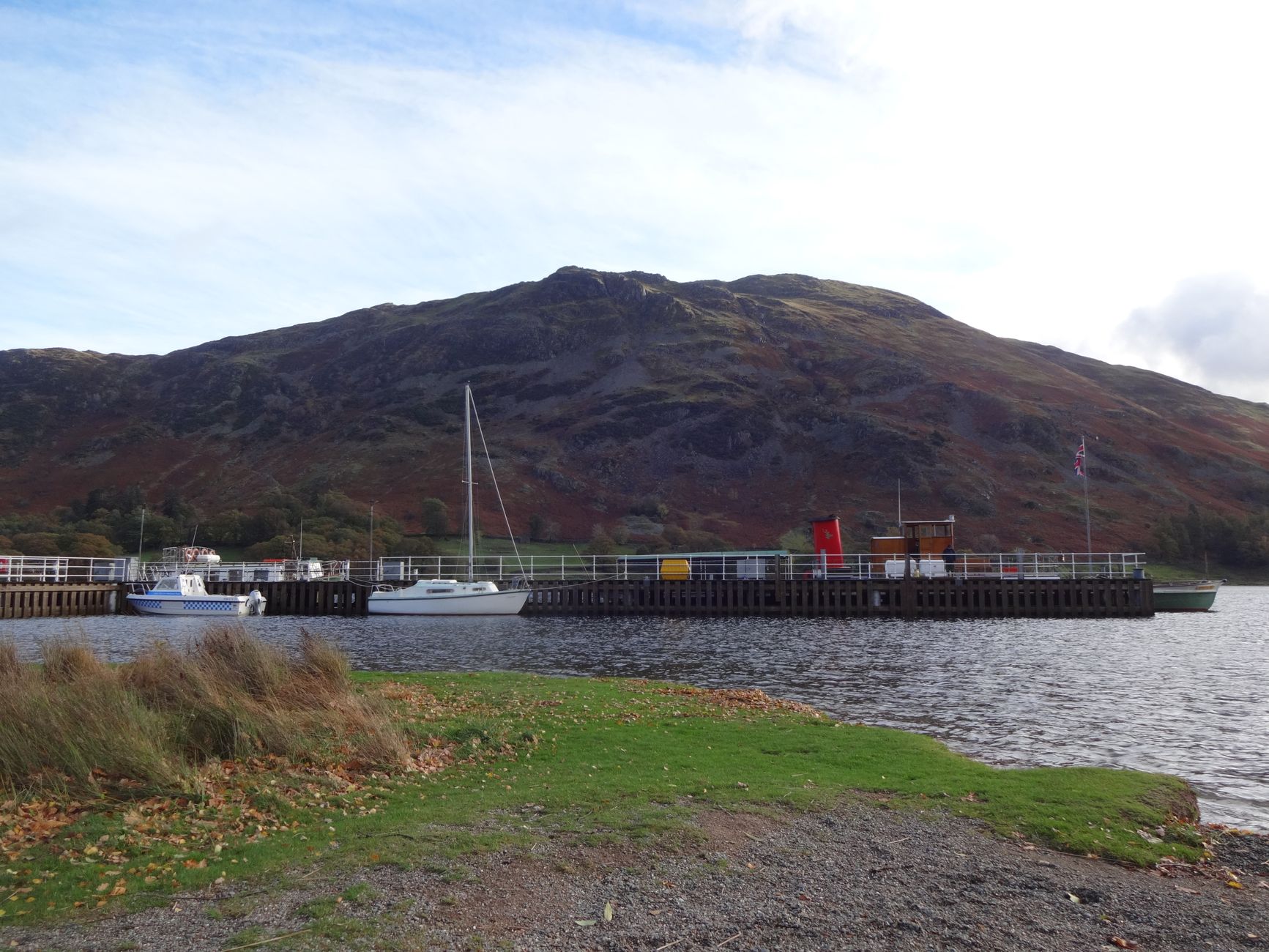



The first thing you notice about Coniston is the fell behind it. Coniston Old Man — 2,634 feet of ancient volcanic rock, laid down 460 million years ago — rises so steeply above the village that the sky seems closer here than it should. Below it, Coniston Water runs long and still, and on the right morning a steam yacht moves across it like something from a different century, which is more or less what it is.
This is a place shaped by copper and water and a few extraordinary people who chose to live and die here. Ruskin is buried in the churchyard. Donald Campbell died on the lake. Beatrix Potter gave the surrounding land away so it would stay exactly as it is.
💛 What travellers fall for
People who keep coming back tend to take the Steam Yacht Gondola at least once, then switch to the Coniston Launch for hop-off trips to Brantwood. The Black Bull's Bluebird Bitter is brewed on-site — order it at the bar, not as an afterthought. Tarn Hows earns the detour on a clear day when the Langdale Pikes are out.
Deals in Coniston
Book directly at the provider


How Coniston came to be
The name carries Old Norse and Old English in it — konungr tūn, the king's farmstead — and by the 12th century it was already recorded as Coningeston. What transformed it was copper. The Company of Mines Royal began extracting ore in the late 16th century, bringing skilled German miners with them. By 1856, the mines were pulling over 3,600 tons of ore a year. The Furness Railway arrived in 1859, and for a few decades Coniston was genuinely industrial. Mining ceased in 1897, the railway closed in the 1960s, and the National Park designation of 1951 began redirecting the village toward what it is now.
The water speed records came later. Donald Campbell broke four records on Coniston Water during the 1950s. On 4 January 1967, attempting an eighth, his jet boat Bluebird K7 crashed at around 290 mph. He was recovered from the lake in 2001 and buried in Coniston that September.
Who and what shaped it
People who shaped it
Landmark buildings
See Coniston in motion
Plan your visit
On the map
When to go
The Lake District earns its name — Coniston is wet, and the fells hold cloud long after valleys clear. Summer brings the most reliable windows for open-water and fell days, though showers arrive without much warning. Winter light over the lake can be striking, but paths on the Old Man turn serious quickly in ice or snow.
Right now
Background & history adapted from Wikipedia (CC BY-SA) · specs from Wikidata (CC0) · weather from Open-Meteo · map data © OpenStreetMap contributors · photos from Wikimedia Commons / Unsplash with per-image credit. No third-party reviews or social posts reproduced.