
Ullswater
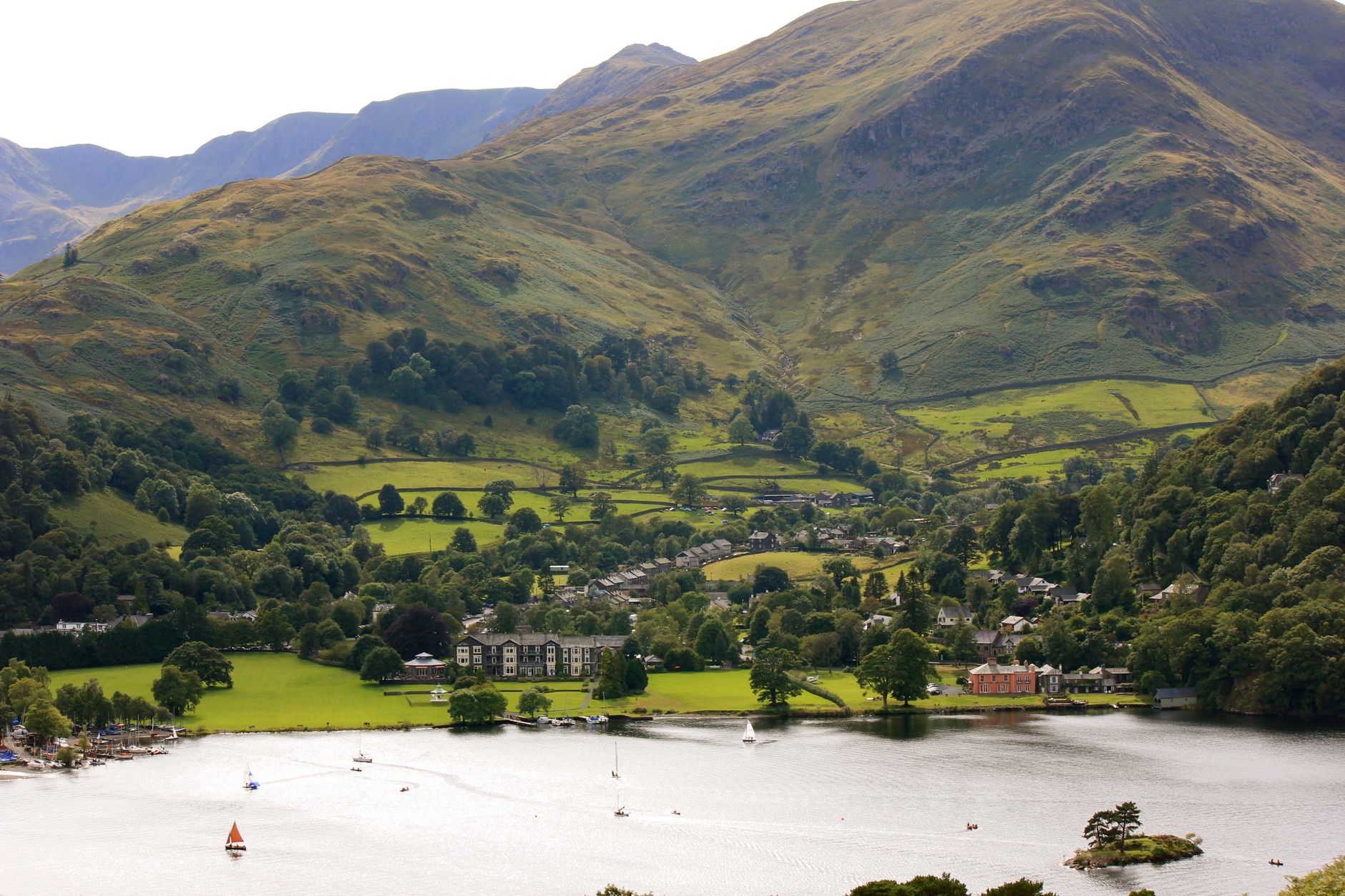
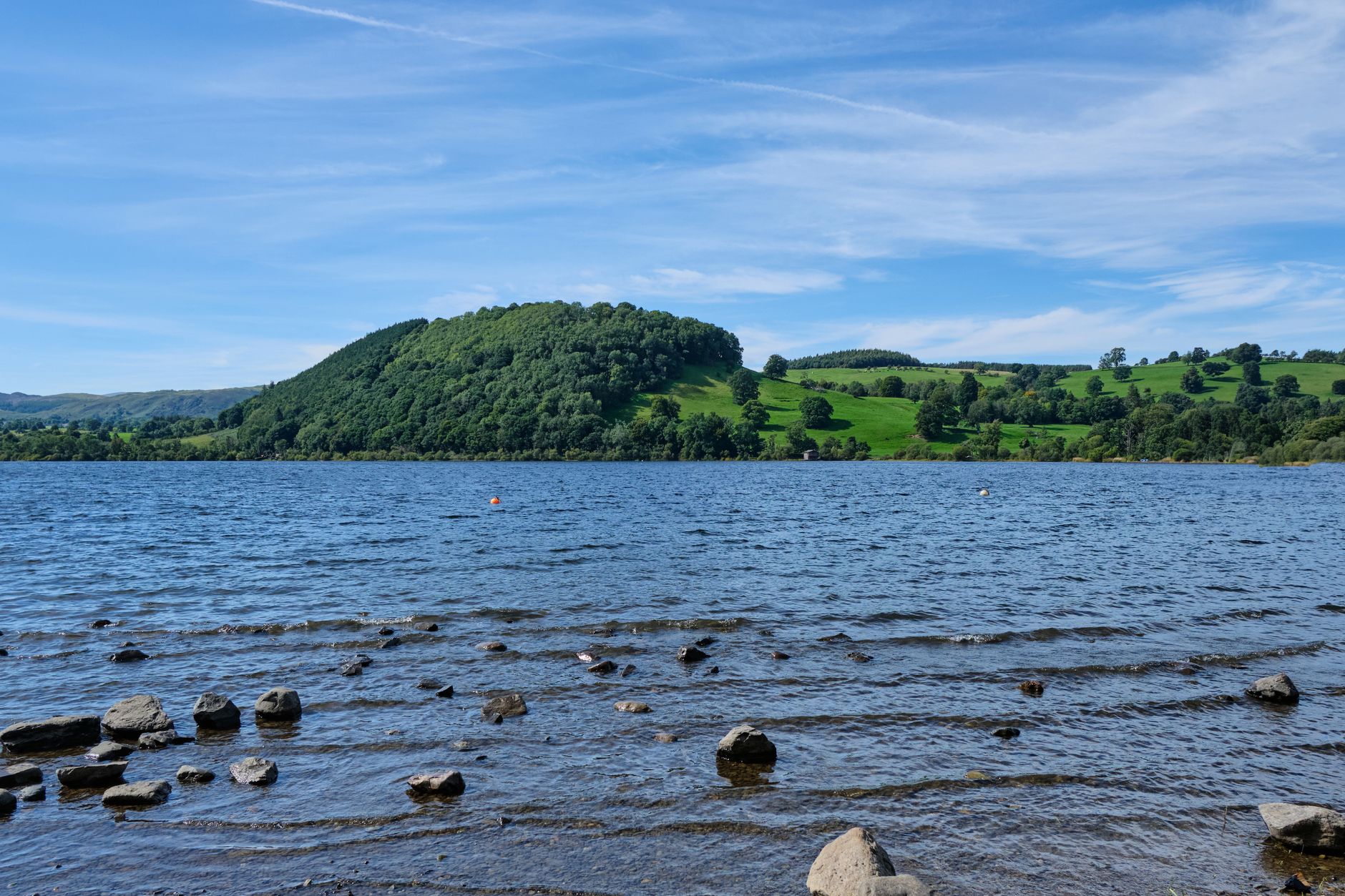
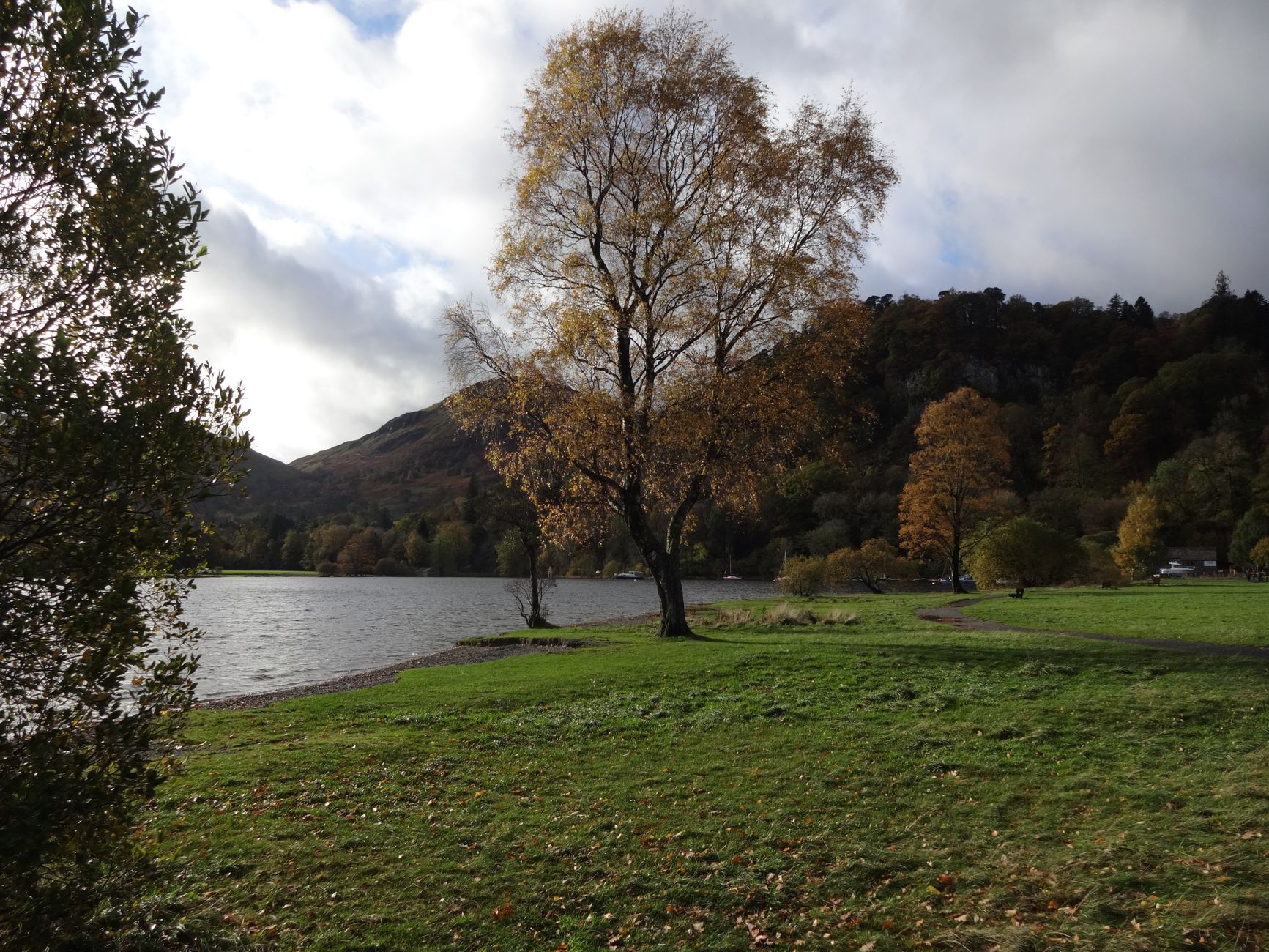
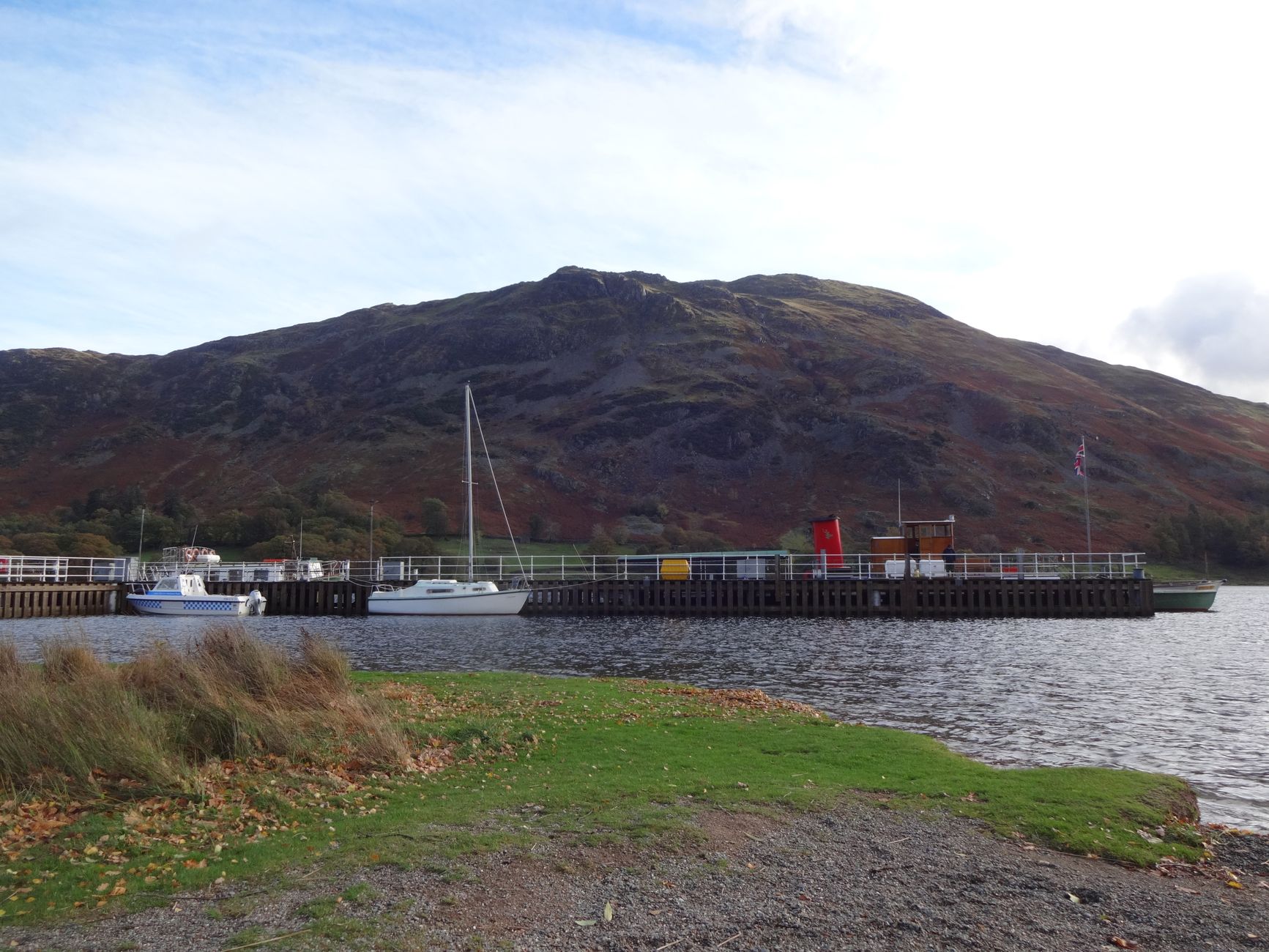
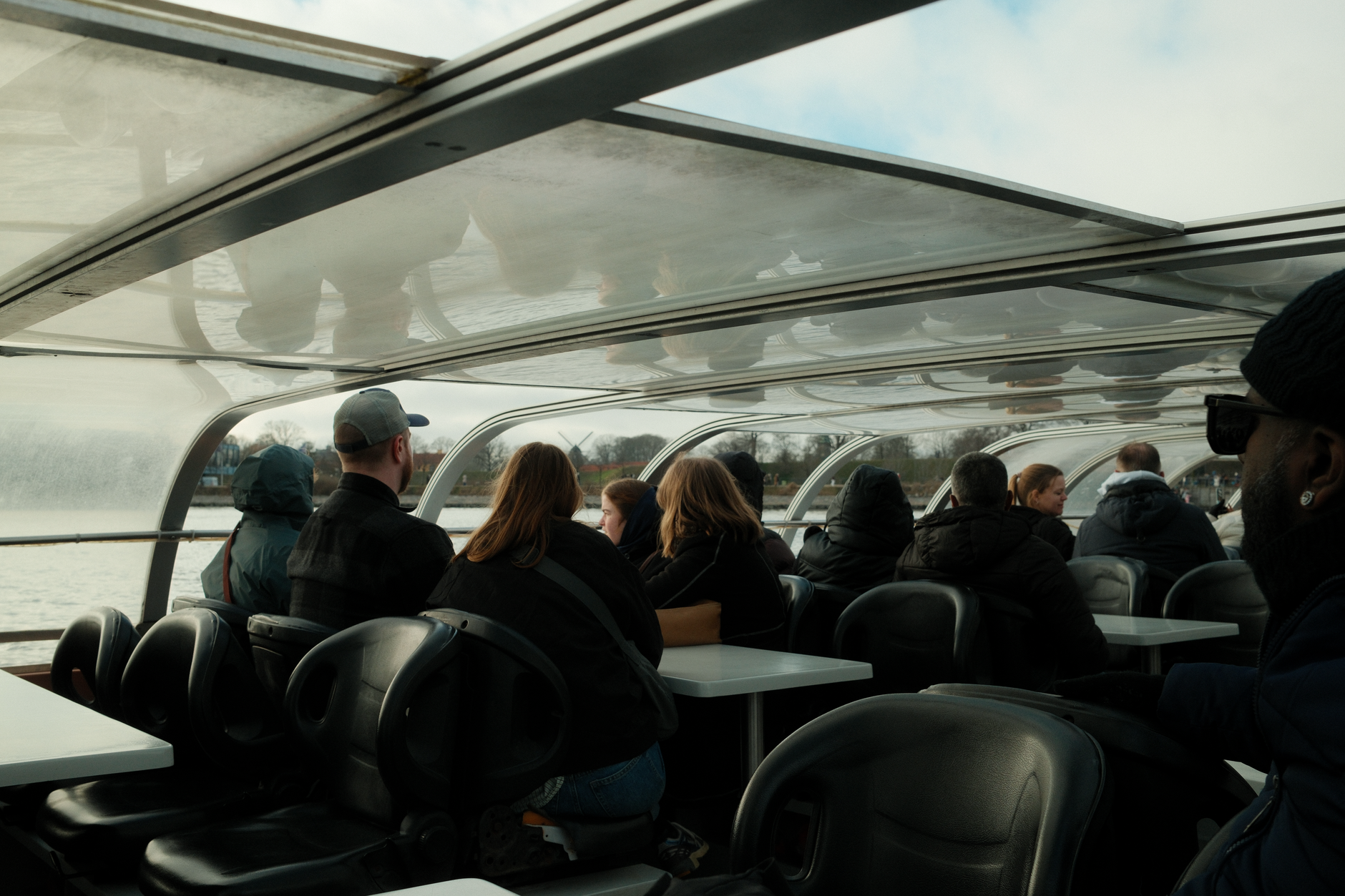
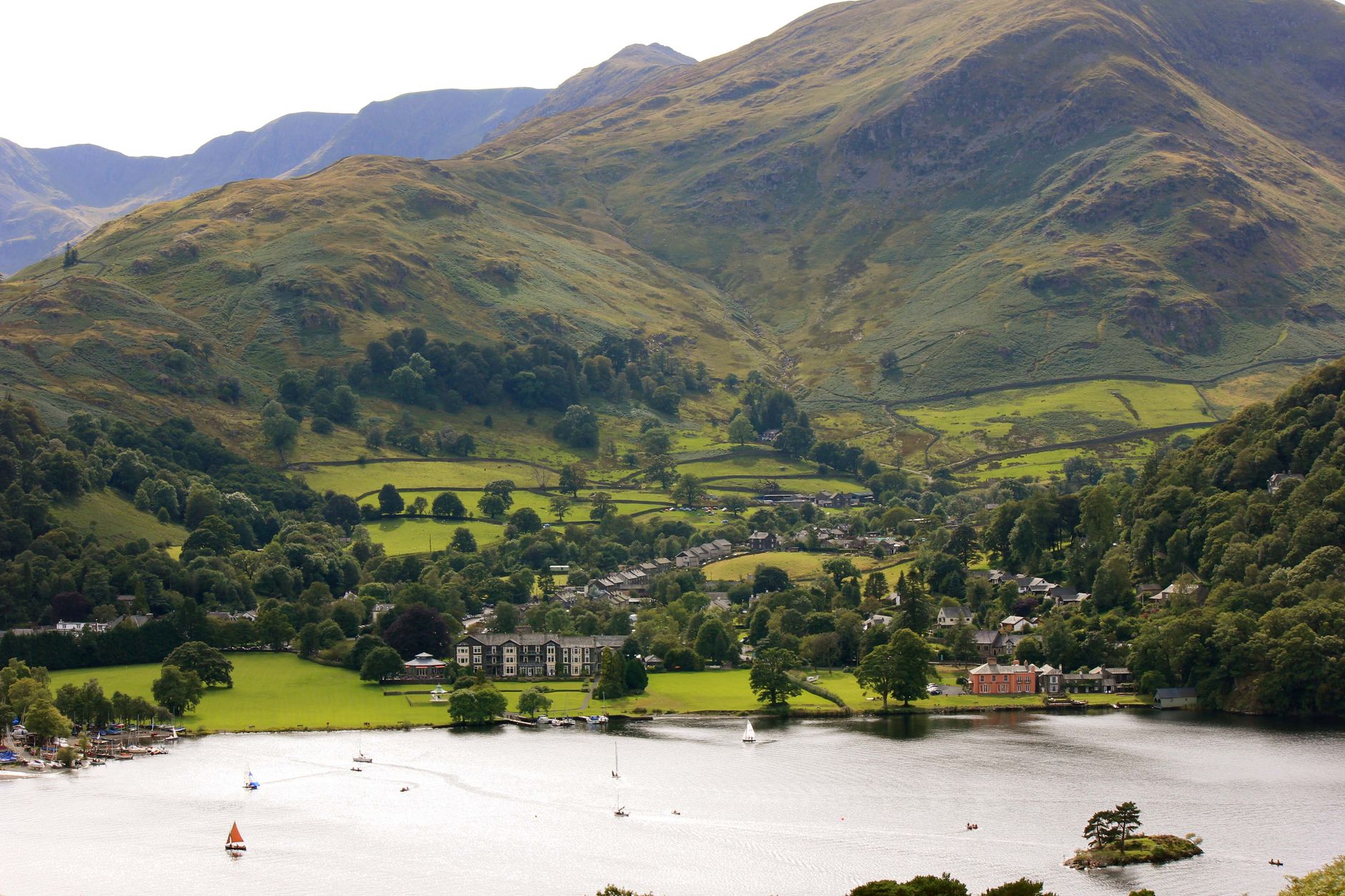
Ullswater is the second-largest lake in the Lake District, and on an April morning with cloud shadows moving fast across Helvellyn, it can stop you mid-stride. The water bends in a lazy S-shape through the valley — you can never see the whole thing at once, which is part of what keeps drawing people back. Glaciers carved this out of Silurian mudstone around ten thousand years ago, and the result is a lake deep enough to have its own weather systems and long enough to take a proper steamer journey from one end to the other.
The villages at each end — Pooley Bridge to the north, Glenridding to the south — are small and functional, which is to say honest. The drama is in the water and the fells above it.
💛 What travellers fall for
People who know Ullswater tend to mention the same things: take the steamer one way and walk back along the Howtown path, not the other way around. Stop at Aira Force before ten in the morning when the light hits the falls straight on. The daffodils at Gowbarrow Park are real, and they come in mid-April, right on schedule.
Deals in Ullswater
Book directly at the provider

How Ullswater came to be
The lake has drawn visitors since the mid-18th century, when Picturesque tourism made dramatic scenery fashionable and the road from Penrith made access easy. By the 1890s it had become a retreat for the British aristocracy, drawn by good sailing and proximity to fell shooting estates. In 1912, Kaiser Wilhelm II toured the water aboard the MY Raven — specially refitted as a royal yacht — while his host, Hugh Lowther, 5th Earl of Lonsdale, built him a shooting lodge at Martindale.
Underground, the Greenside Lead Mine at Glenridding worked for 140 years, extracting more than three million tons of ore before closing in 1962. The Ullswater Steamers, which began in 1859 to supply those same miners, outlasted the mine by decades and are still running.
Who and what shaped it
People who shaped it
Landmark buildings
See Ullswater in motion
Plan your visit
On the map
When to go
Ullswater sits in a wet corner of England — expect rain in any month, with the heaviest falls in November through January. Spring and early autumn offer the clearest light; summer brings warmth but also the most company on the paths.
Background & history adapted from Wikipedia (CC BY-SA) · specs from Wikidata (CC0) · weather from Open-Meteo · map data © OpenStreetMap contributors · photos from Wikimedia Commons / Unsplash with per-image credit. No third-party reviews or social posts reproduced.