
Glenridding
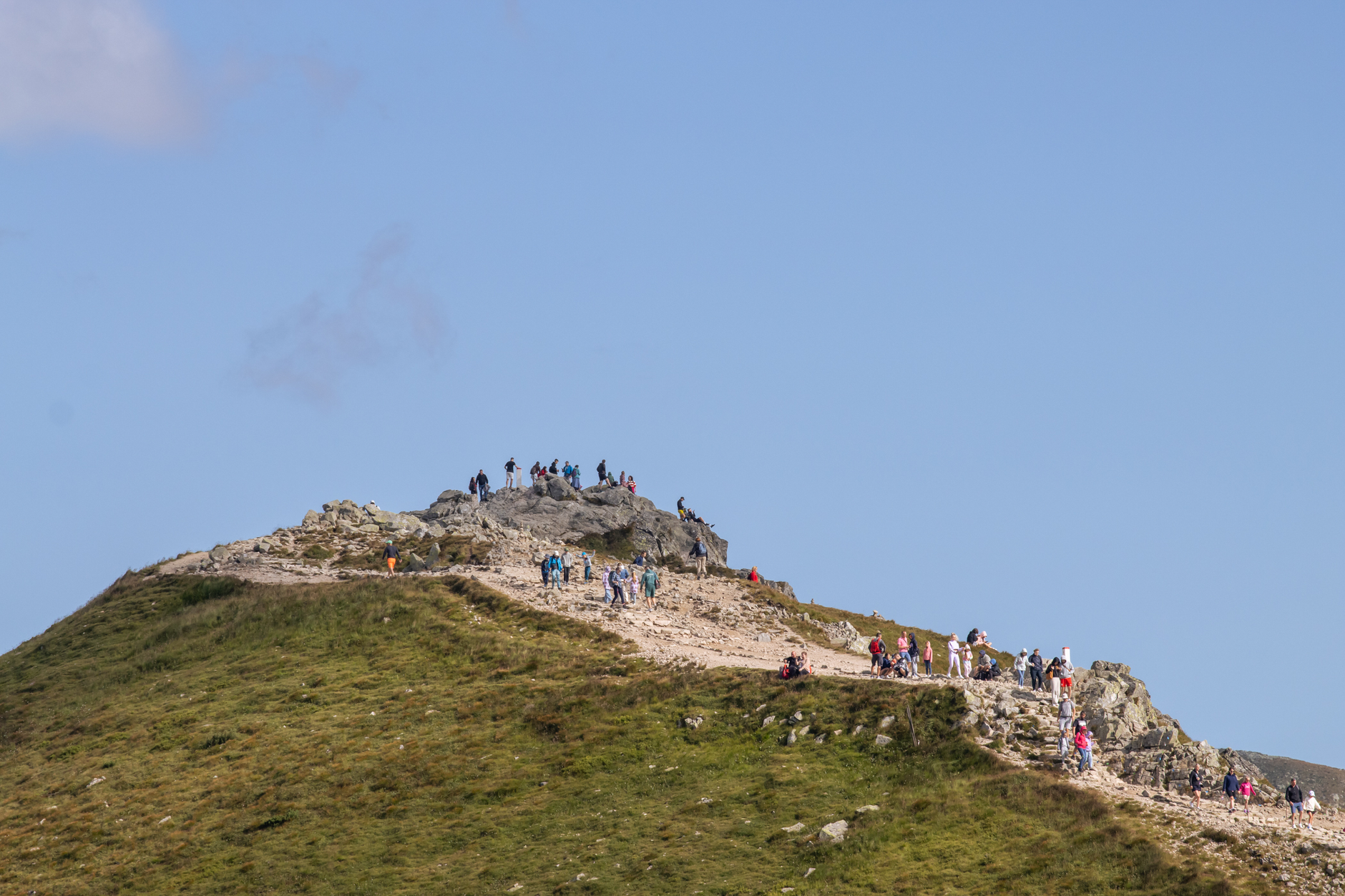
The beck through Glenridding moves fast enough that you hear it before you see it — a wide, pale-stoned rush cutting through a village of maybe five hundred people at the southern end of Ullswater. The main street ends, practically, at the water, and the fells rise so steeply on either side that the sky feels like a slot.
This is a working starting point as much as a destination. Walkers come to tackle Helvellyn via Striding Edge, boats leave from the pier for the seven-and-a-half miles north to Pooley Bridge, and the road past the general store eventually leads up toward the old Greenside Mine workings. The place has bones: lead ore, Dutch adventurers, a Darwin visit. It earns its position on the map.
💛 What travellers fall for
People who come back tend to time the Ullswater Steamer for late afternoon when the light goes low and flat across the lake. The *Raven*, built in Rutherglen in 1889, is the one worth boarding if you have a choice. After the boat, the Inn on the Lake terrace is the obvious move — the views hold up.
Deals in Glenridding
Book directly at the provider

How Glenridding came to be
The name goes back to around 1290 — Glenredyn in the records, a Cumbric phrase meaning 'valley overgrown with bracken.' Lead ore was identified in the 1650s, and Dutch adventurers drove the first levels in the 1690s, though serious commercial extraction didn't begin until the 1820s. From the mid-1830s, under shareholder George Head Head, Greenside Mine expanded into the largest lead operation in the Lake District, its shafts eventually reaching 3,000 feet underground and threading beneath Helvellyn and Sheffield Pike. The village itself grew around that industry.
Greenside closed in 1962, and the former mining bunkhouse — 963 feet up toward Helvellyn — now operates as a youth hostel. The Regency-era Glenridding House, built between 1807 and 1814 by Reverend Henry Askew and later a guest house that hosted Charles Darwin in 1881, has recently been restored as a country house B&B.
Who and what shaped it
People who shaped it
Landmark buildings
See Glenridding in motion
Plan your visit
On the map
When to go
Summers run mild rather than warm — expect 16–19°C from June to September, with 100mm-plus of rain most months; a waterproof is not optional. Winter days rarely clear 7°C, snow is possible from November through April, and December is the wettest month of the year by some margin.
Right now
Background & history adapted from Wikipedia (CC BY-SA) · specs from Wikidata (CC0) · weather from Open-Meteo · map data © OpenStreetMap contributors · photos from Wikimedia Commons / Unsplash with per-image credit. No third-party reviews or social posts reproduced.