
Kathmandu Valley & Himalayas, Nepal
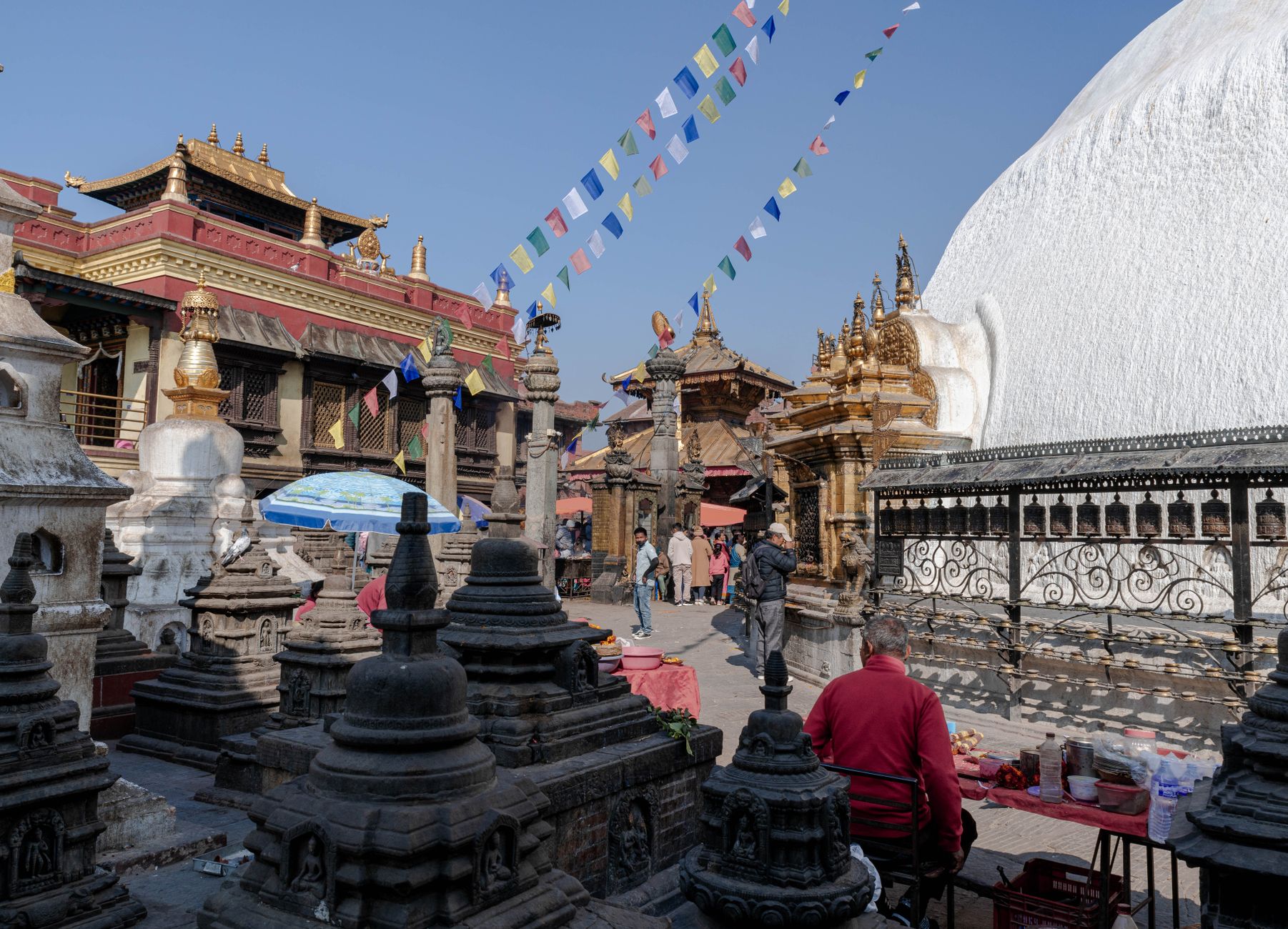
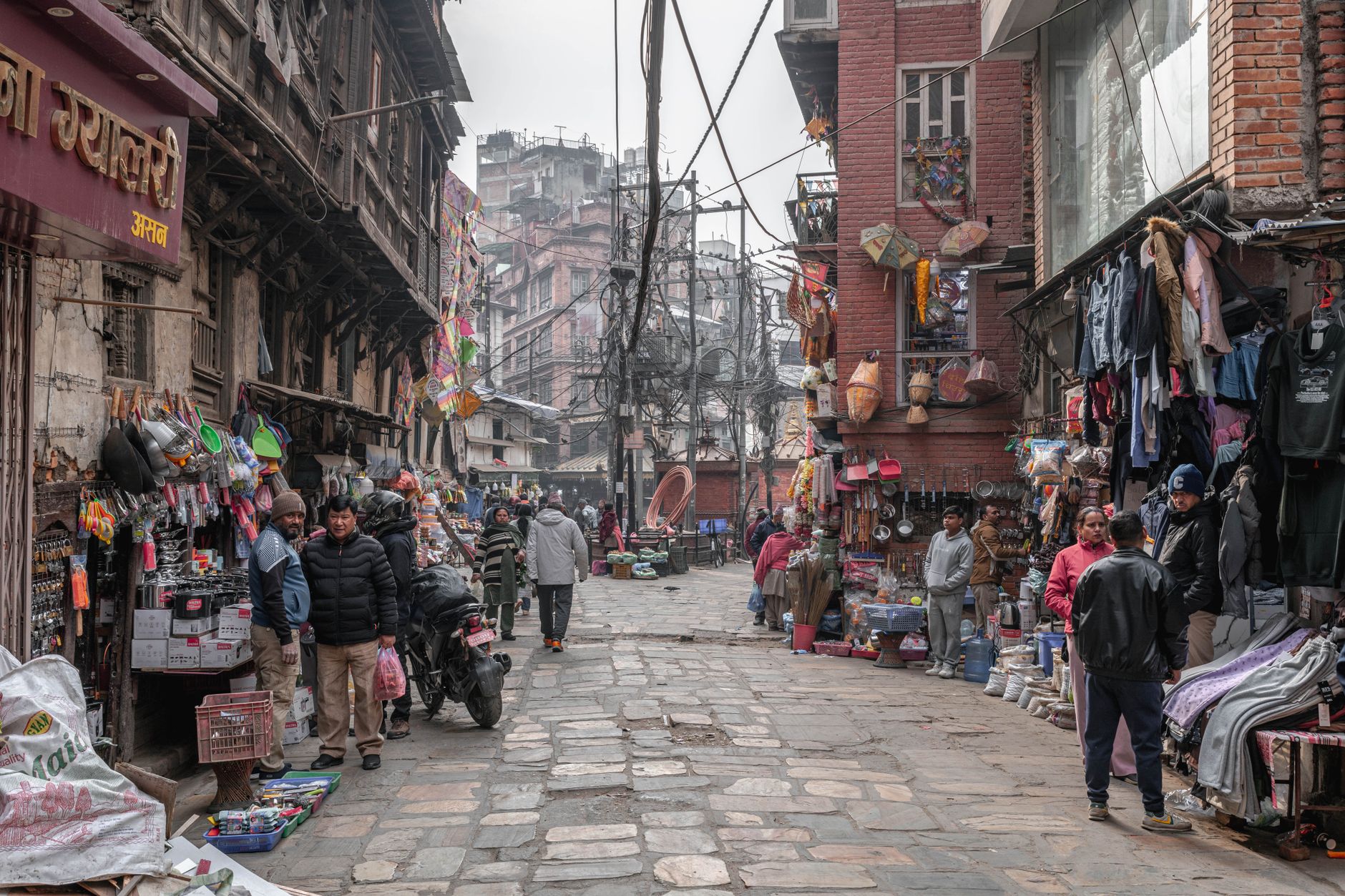
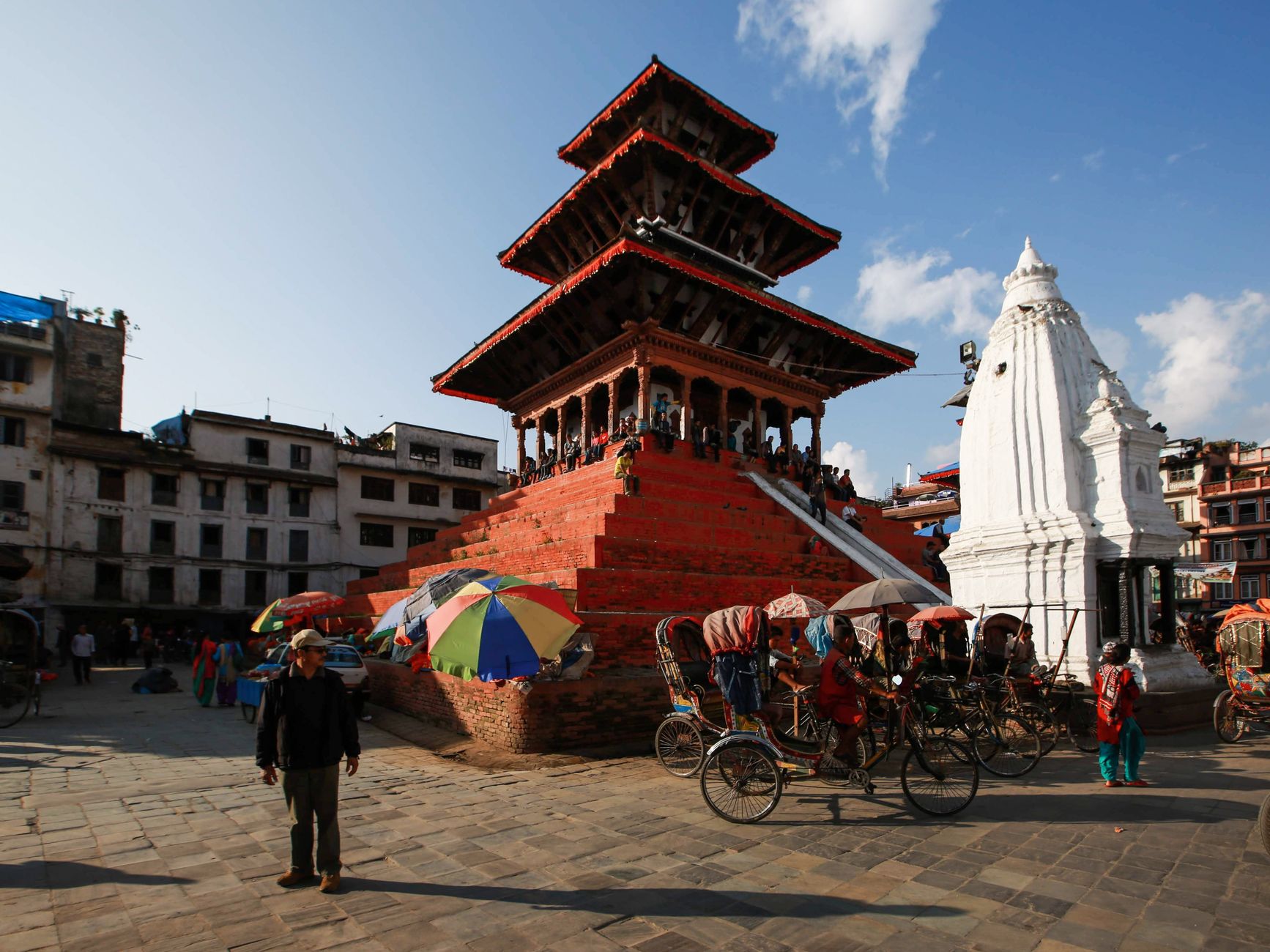
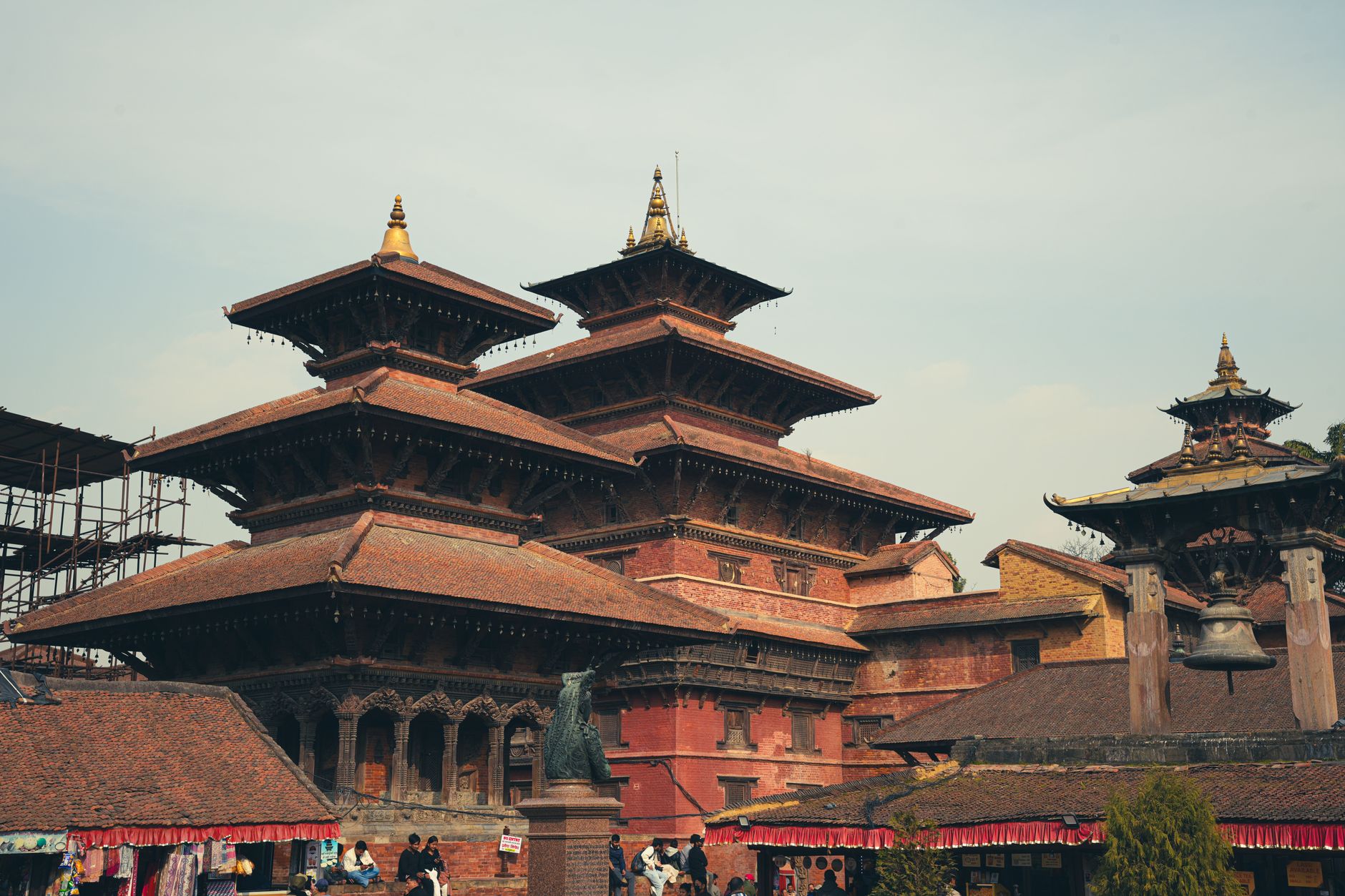

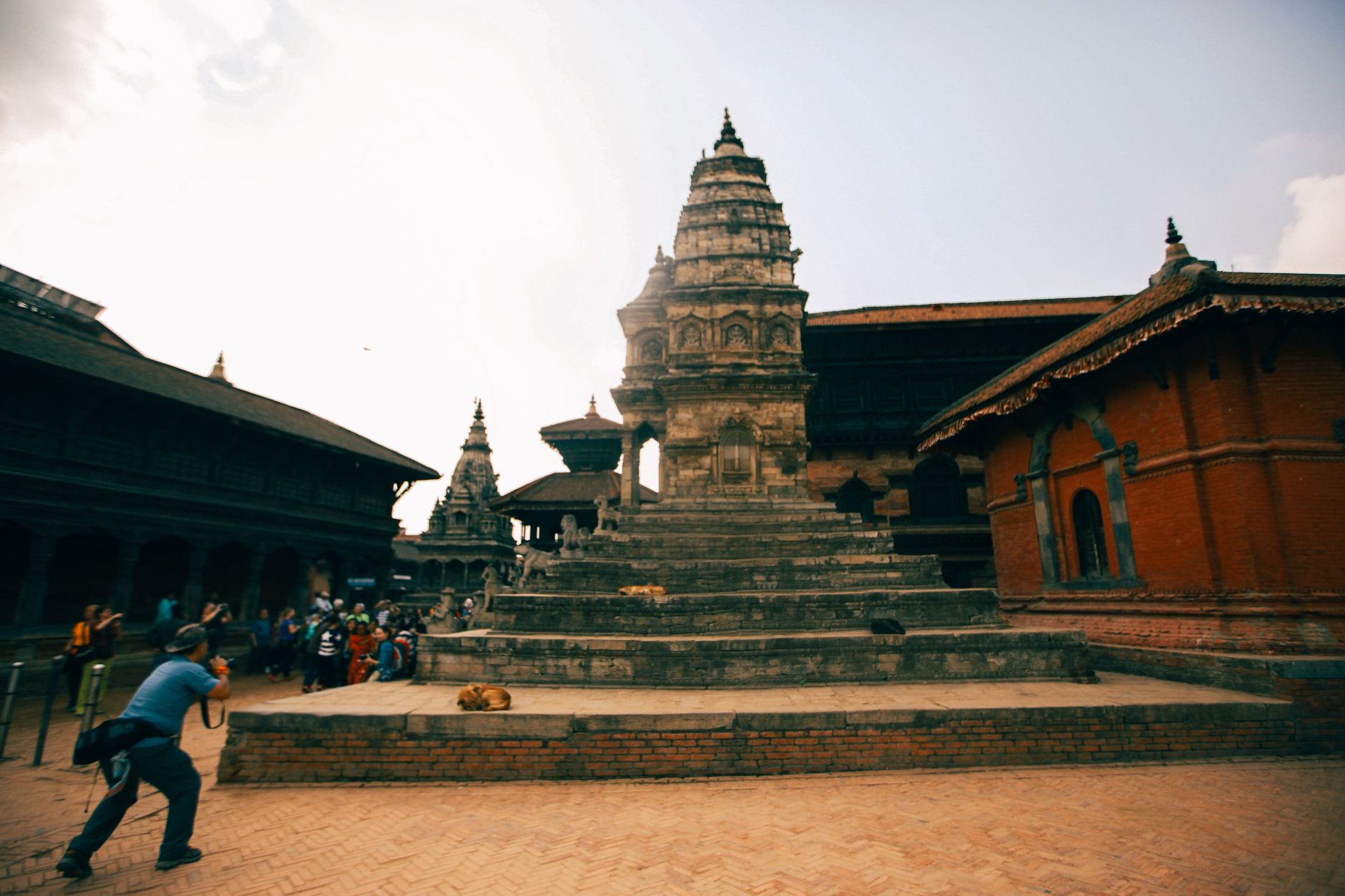
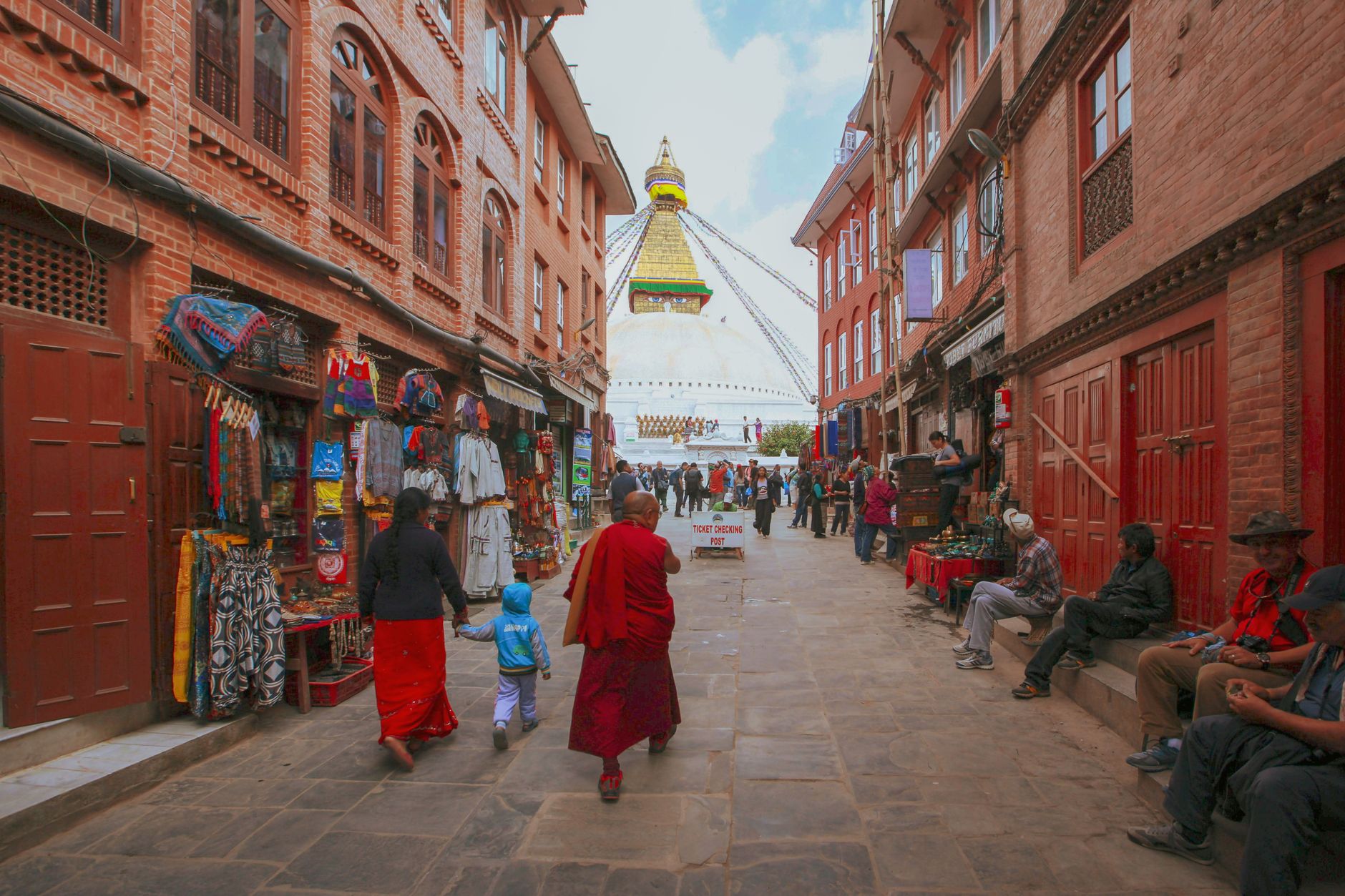
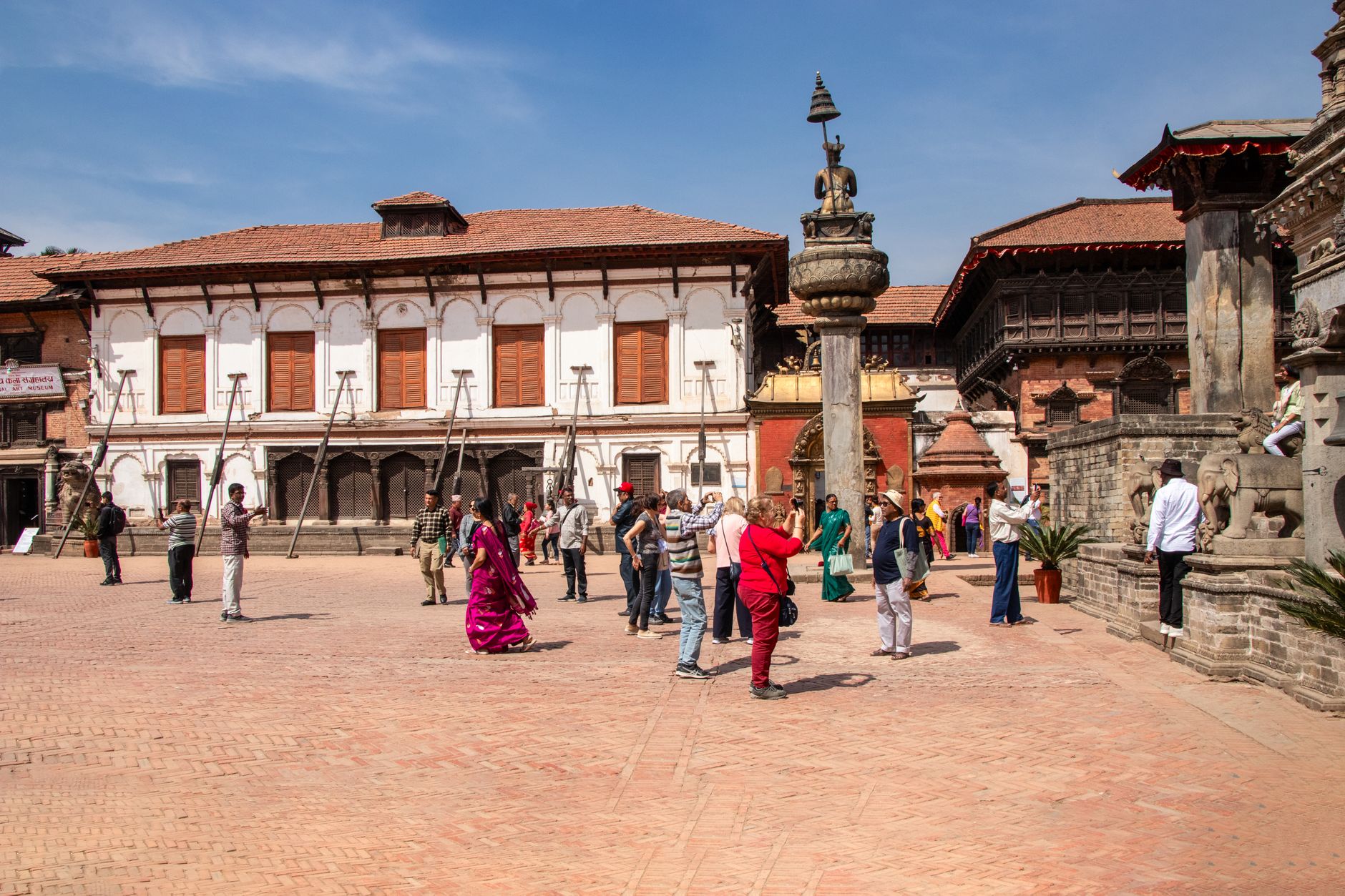
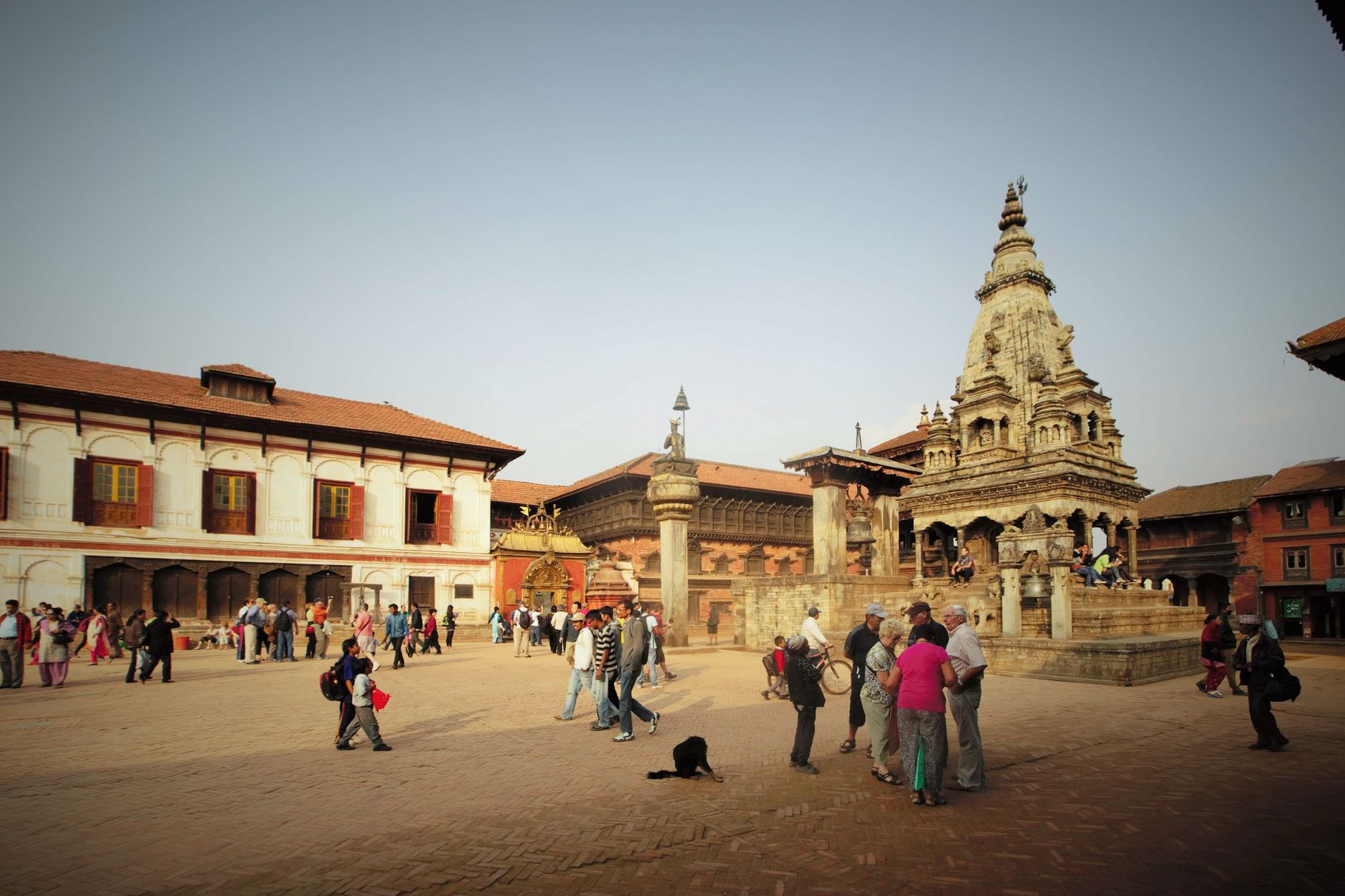
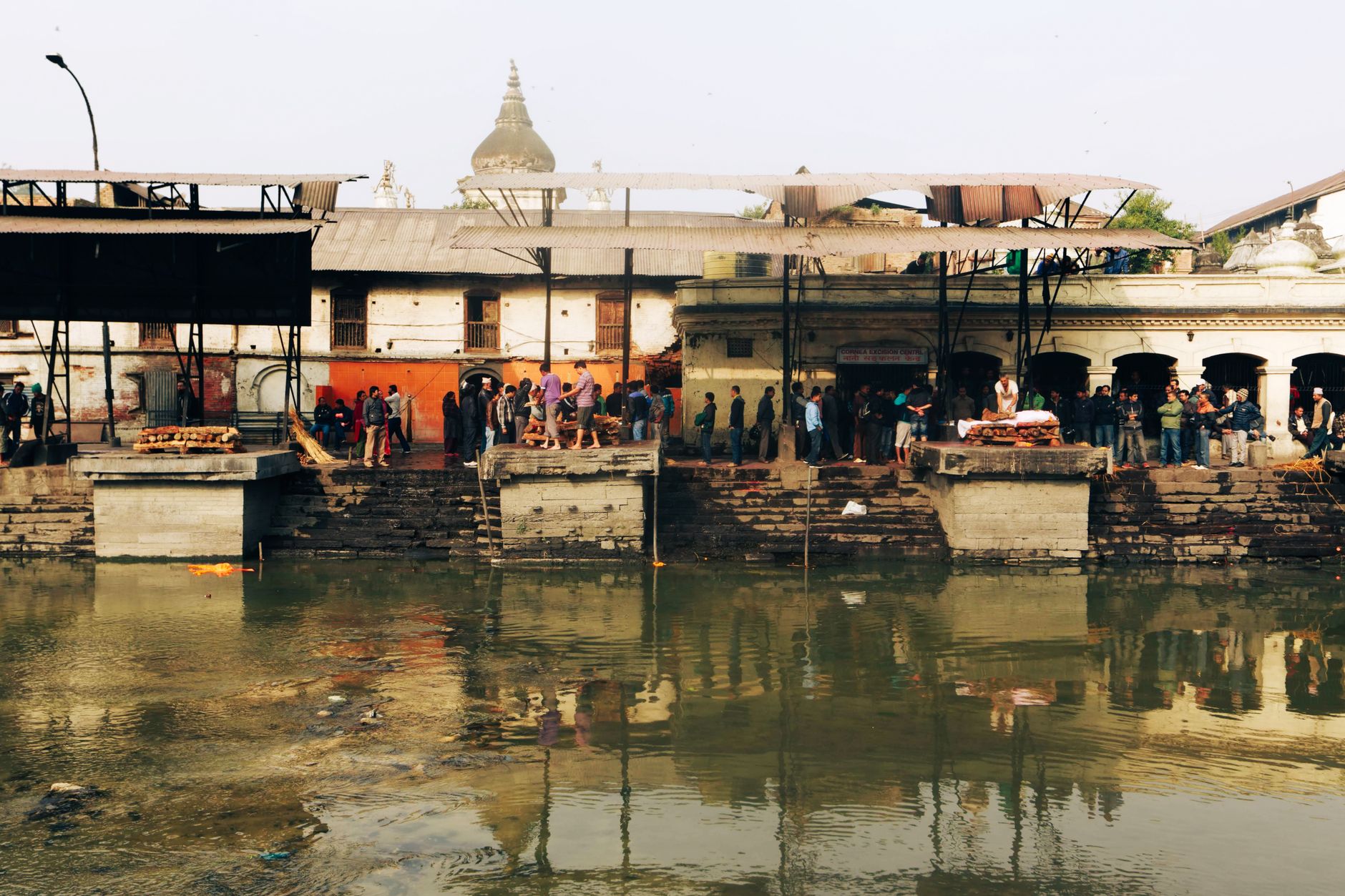
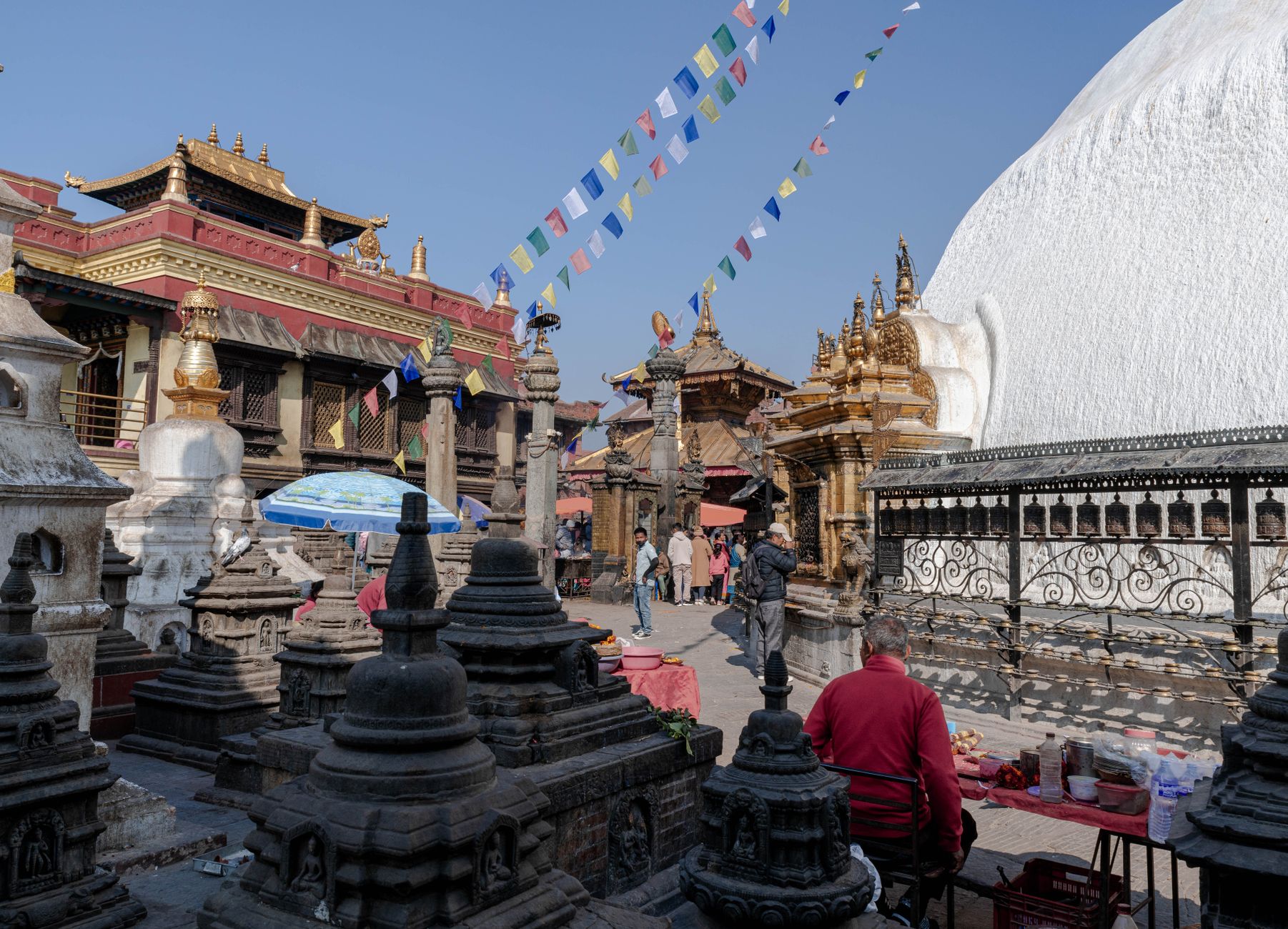
The Kathmandu Valley holds seven UNESCO World Heritage Sites within a single bowl of land — two Buddhist stupas, three royal palace squares, two Hindu temple complexes — and you can move between them in an afternoon. What slows you down is the detail: a gilded roof catching the morning light above Patan's Durbar Square, the low hum of monks circling Boudhanath at dusk, the smell of incense and marigold at the ghats of Pashupatinath.
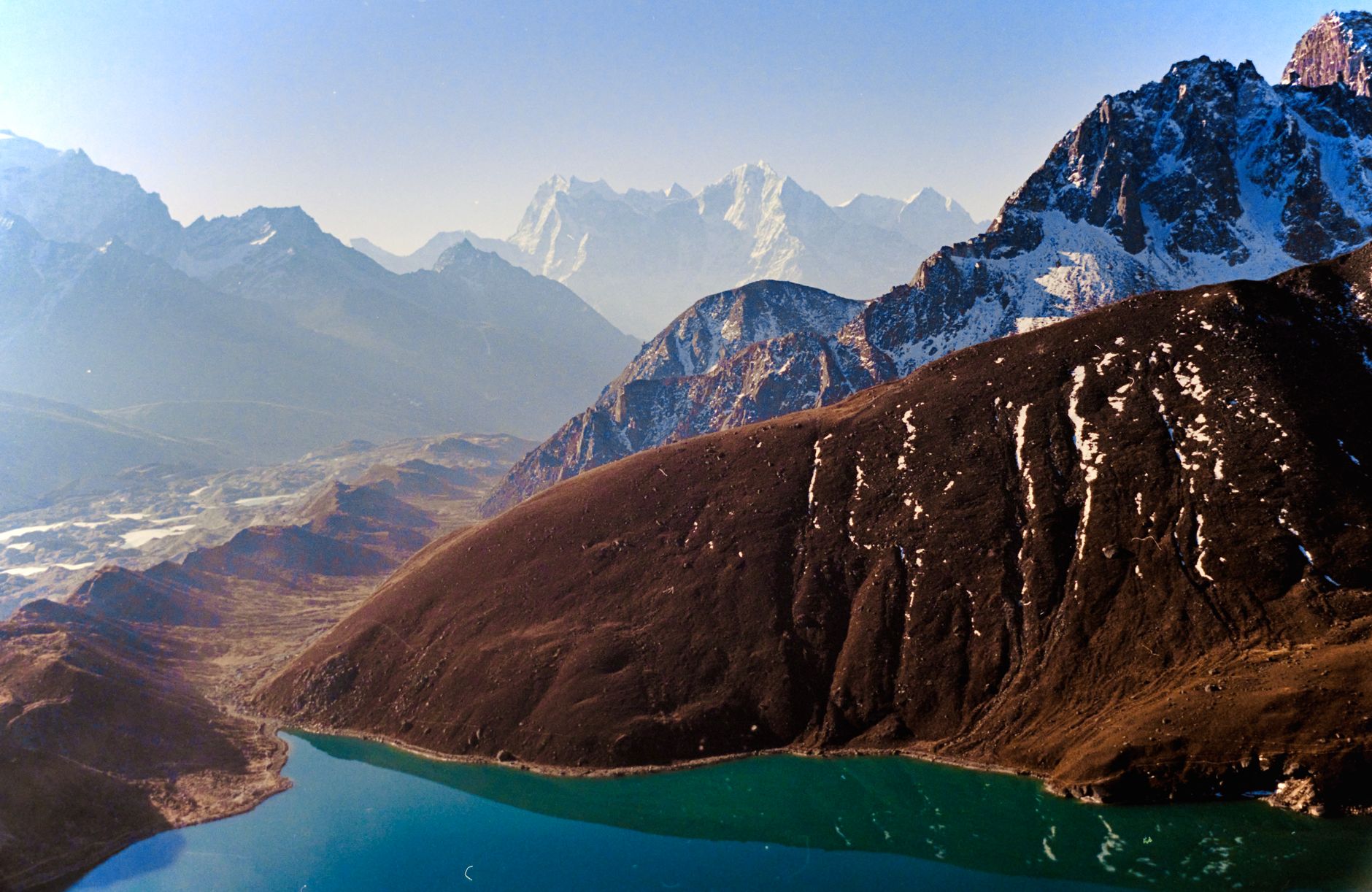
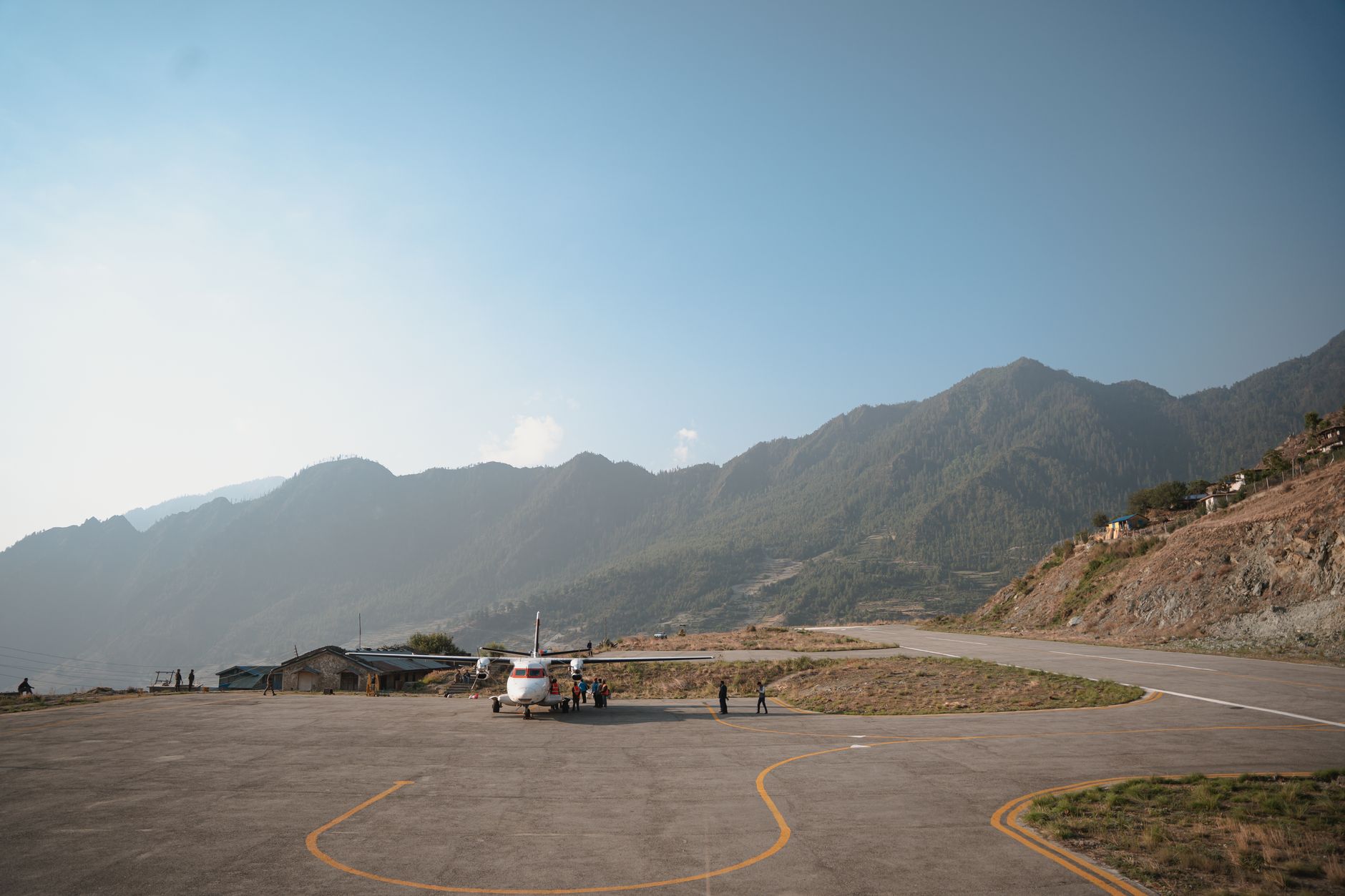
Beyond the valley rim, the Himalayas begin. Flights into Kathmandu on clear days offer a ridge of snow that fills the entire window on the right-hand side — a reminder that this is also the staging ground for the world's highest mountain range.
Popular cities in Kathmandu Valley & Himalayas, Nepal
💛 What travellers fall for
People who come back tend to anchor themselves in Patan rather than central Kathmandu — quieter streets, the same heritage density, and Cafe de Patan inside the Durbar Square courtyard for a slow breakfast before the tour groups arrive. They also learn to time Boudhanath for early morning, when the butter-lamp smoke is thickest and the circumambulation feels genuinely contemplative.
How Kathmandu Valley & Himalayas, Nepal came to be
The valley has been inhabited since at least the early centuries CE — an inscription near Changu Narayan dates to 464 CE, the oldest found in Nepal. The Licchavi dynasty gave way to the Mallas, who ruled from the 12th century and left behind the palace squares and temples that still define the skyline. One of the valley's most far-reaching exports came in the 13th century: the architect Araniko, invited first to Tibet and then to the court of Kublai Khan, introduced the pagoda form to China, reshaping Buddhist architecture across East Asia.
In 1768, Prithvi Narayan Shah of the Gorkha principality conquered the valley, ending Malla rule and establishing Kathmandu as the capital of a unified Nepal — a role it has held ever since. The April 2015 earthquake caused devastating damage across the valley, including to Bhaktapur, Lalitpur and historic structures in Kathmandu itself; reconstruction continues.
Who and what shaped it
People who shaped it
Landmark buildings
See Kathmandu Valley & Himalayas, Nepal in motion
Plan your visit
On the map
When to go
October to December is dry, cool and reliably clear — the best window for mountain views and comfortable walking. Spring (March–May) is warm with occasional haze; the monsoon from June through September brings heavy rain most afternoons, though mornings can be clear.
Right now
↡ Cities
Background & history adapted from Wikipedia (CC BY-SA) · specs from Wikidata (CC0) · weather from Open-Meteo · map data © OpenStreetMap contributors · photos from Wikimedia Commons / Unsplash with per-image credit. No third-party reviews or social posts reproduced.