
Panauti
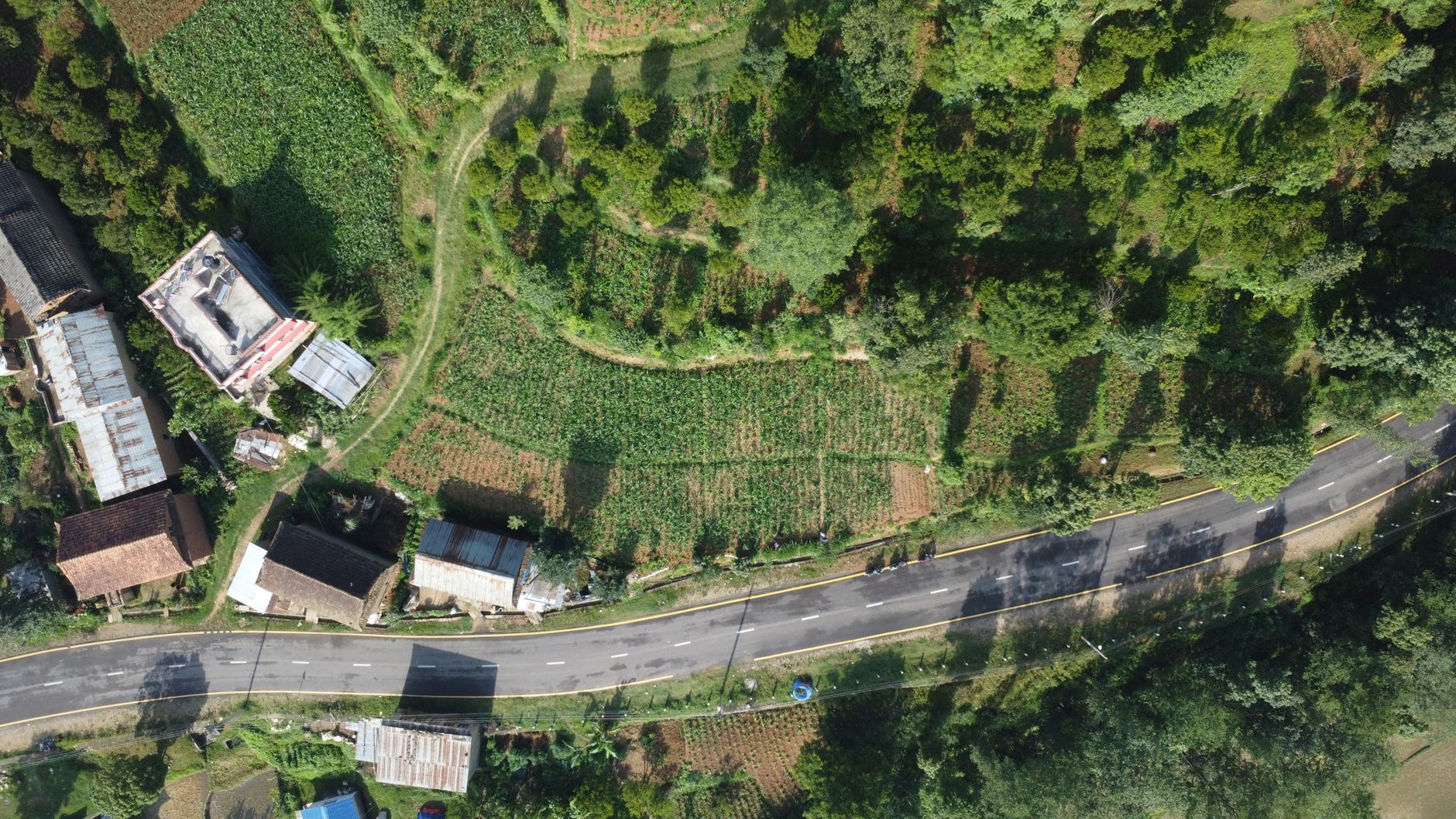
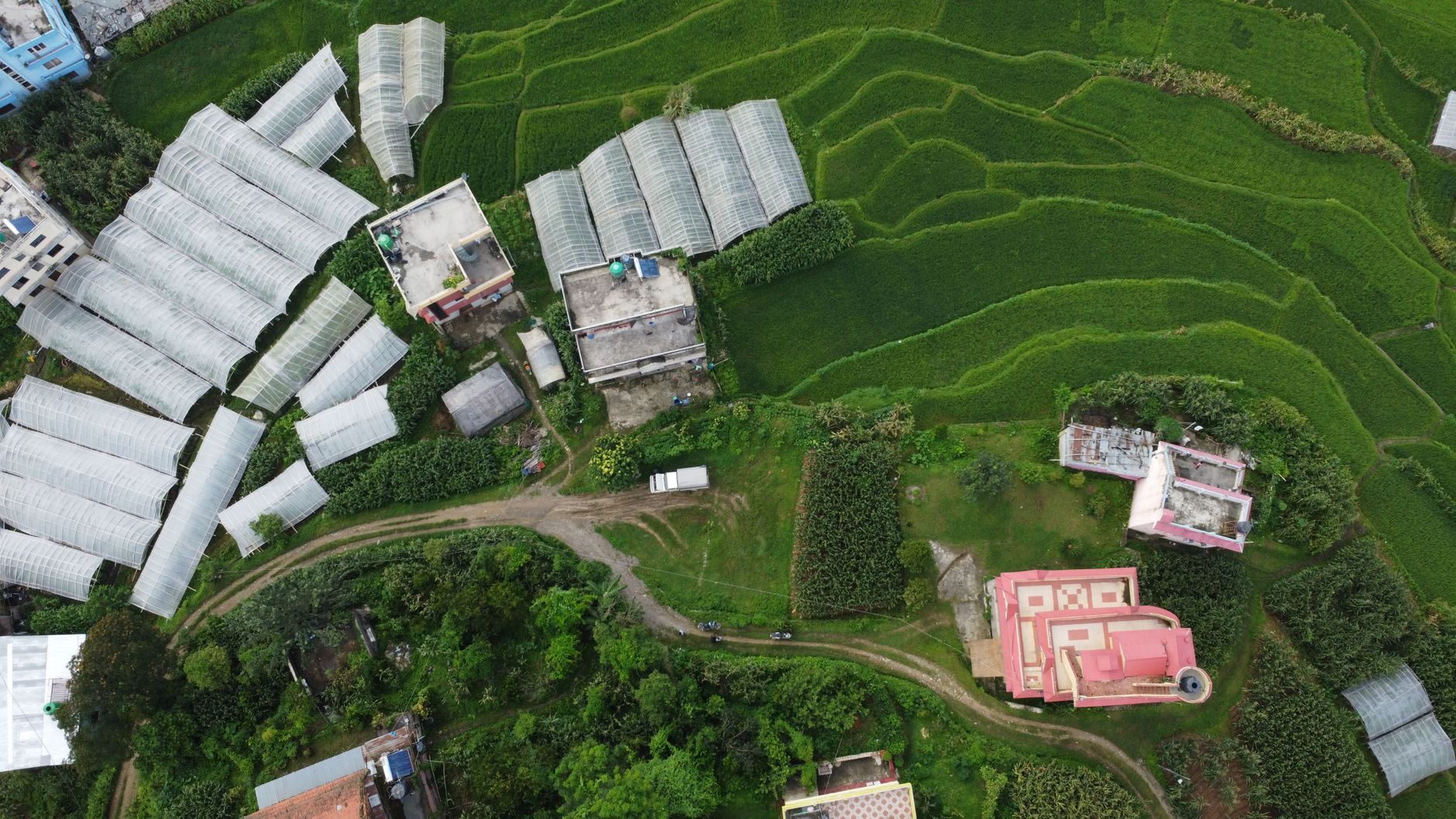
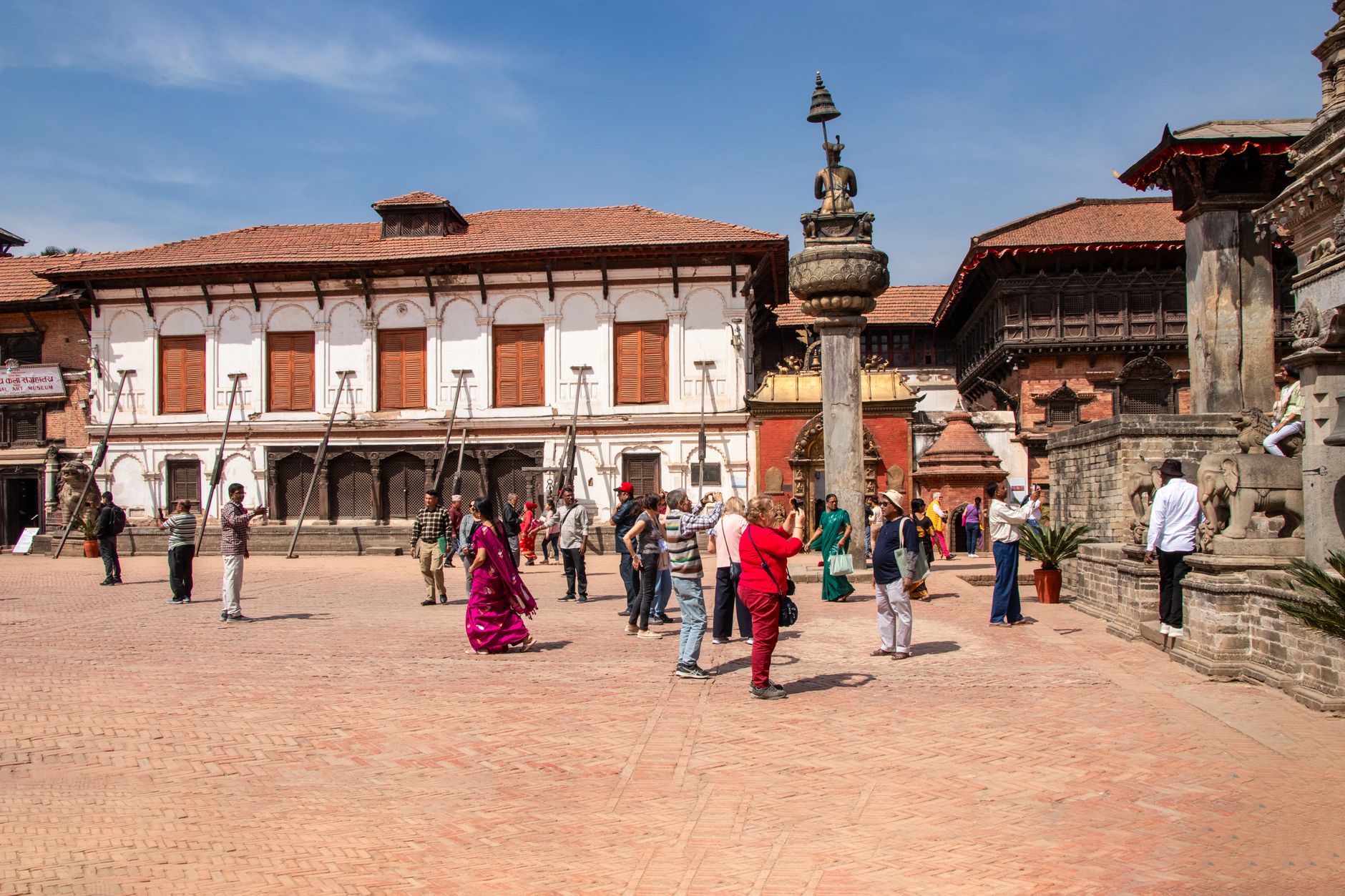
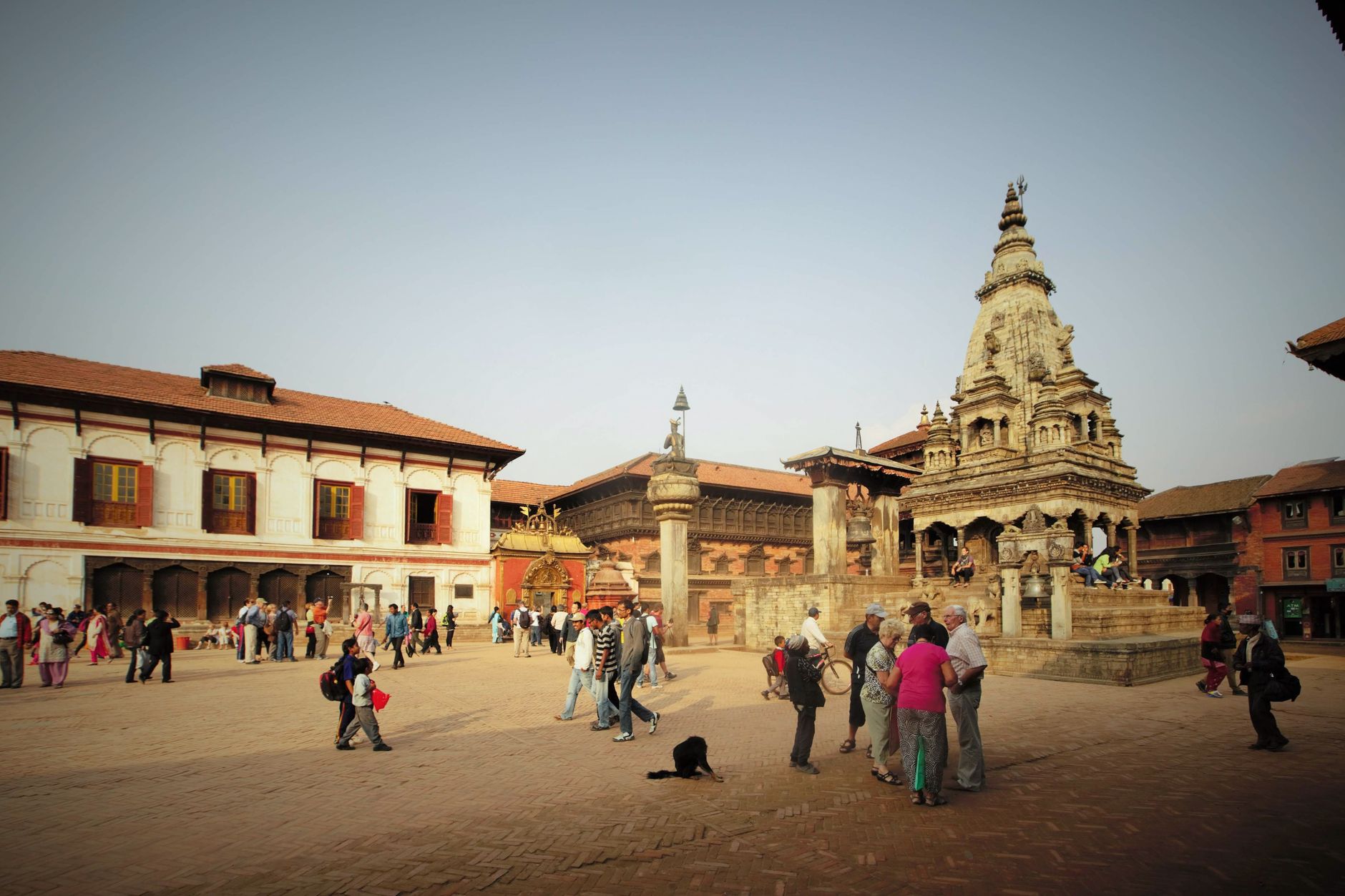
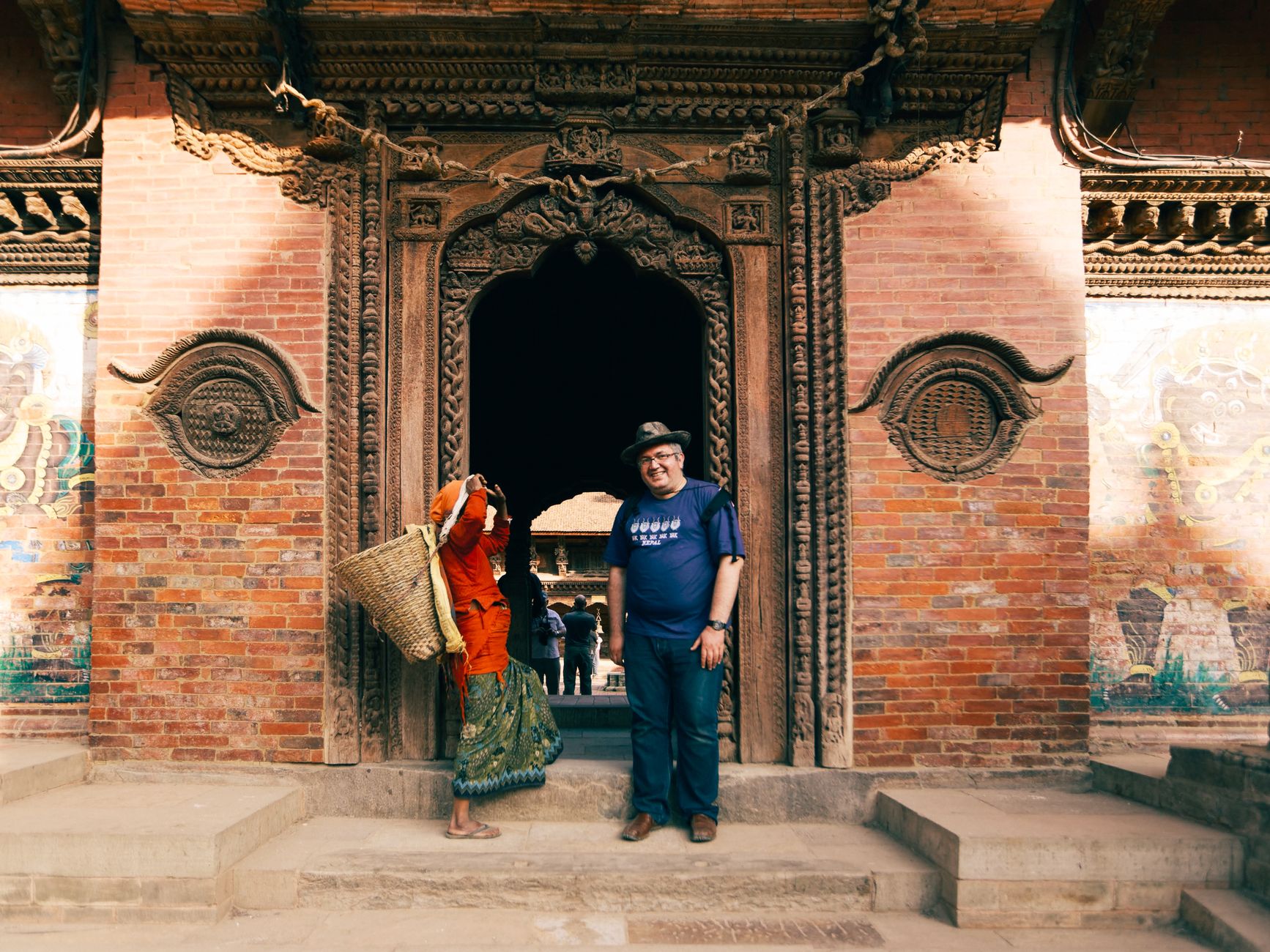
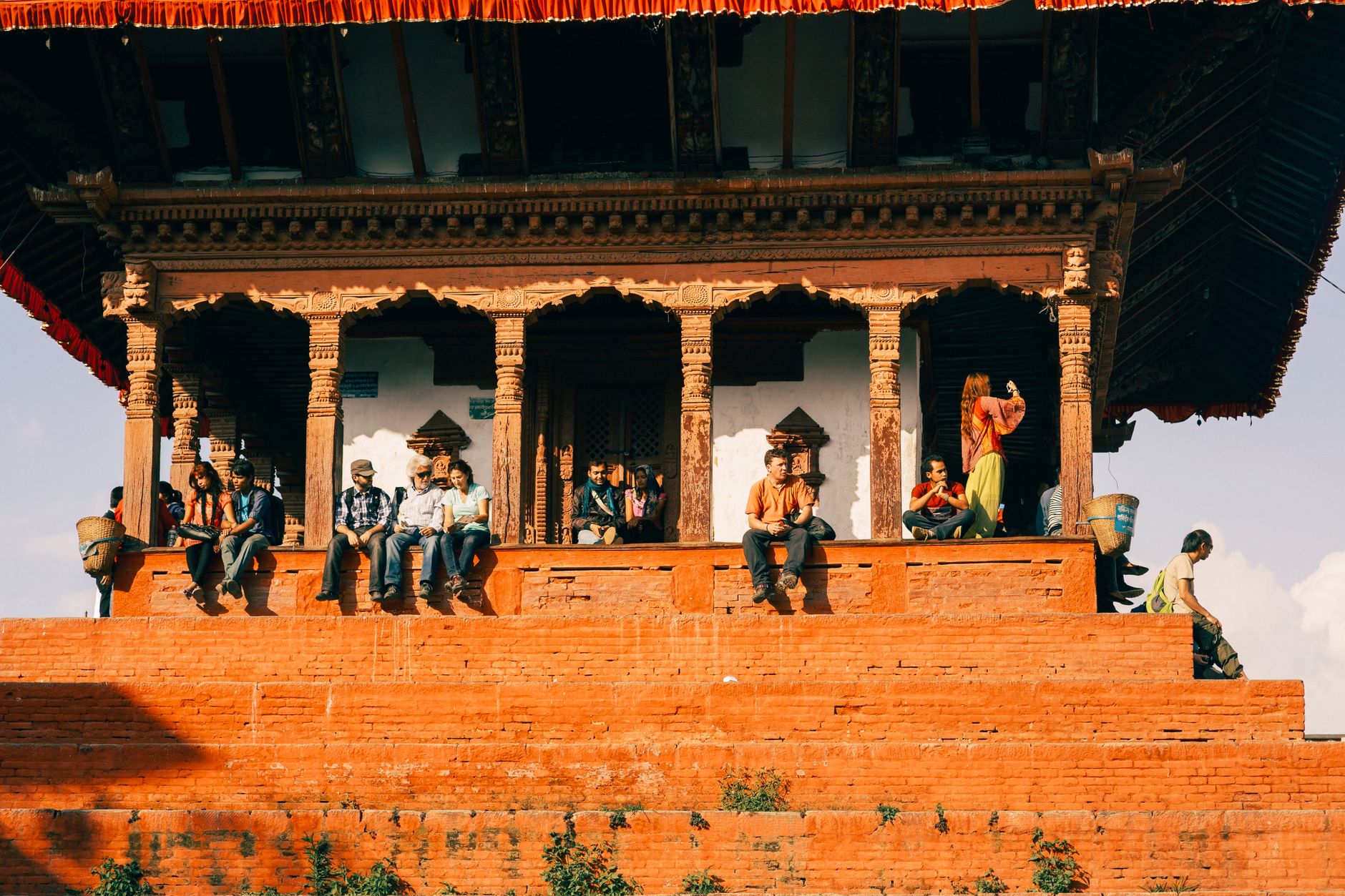
Panauti sits at the confluence of two rivers, 32 kilometres southeast of Kathmandu, and it has the particular quality of a place that history kept returning to. The medieval street grid is still intact, the courtyards still hold their shrines, and the Indreshwar Mahadev Temple — built over a Shiva lingam in 1294 and considered the oldest surviving temple in Nepal — anchors everything with a quiet authority.
The town's forty temples range from the three-storey Indreshwar to the small domed Tula Narayan on its eastern flank, and walking between them takes minutes rather than hours. A 1990s French-funded restoration programme brought many of the structures back from disrepair, which is why the stonework here looks cared-for rather than merely old.
💛 What travellers fall for
People who come back tend to mention the same thing: staying in a Newari homestay changes the texture of the visit entirely. Two nights gives you enough time to eat with your hosts, walk the lanes at dusk when the Indreshwar complex opens around six, and notice the town on its own terms rather than as a day-trip destination.
Deals in Panauti
Book directly at the provider


How Panauti came to be
The recorded history of Panauti reaches back to the first century AD, but the town takes its clearest shape in the 13th century. A golden scripture inside Indreshwar Temple credits King Harisingh Dev with founding it; other documents point to Ananda Malla, who ruled between 1274 and 1310 CE. The Indreshwar temple itself was built in 1294 by the widow of a Bhaktapur crown prince, and rebuilt the following year by the royal princess Virammadevi. A gold-plate inscription from 1400 records King Jayasingh Ramvardhan making a "tuladan" offering — gold equal to his own body weight — at the Tula Narayan Temple.
By the 17th century Panauti had been absorbed into the Bhaktapur kingdom; in 1763 Prithvi Narayan Shah brought it into the unified Nepal he was building. The end of the salt trade in the 1950s and the construction of the Arniko Highway in the 1960s — which bypassed the town entirely — pulled economic life elsewhere, leaving the medieval fabric largely undisturbed.
Who and what shaped it
People who shaped it
Landmark buildings
See Panauti in motion
Plan your visit
On the map
When to go
Temperatures across the year run roughly between 2°C and 27°C, with summers warm and monsoon-wet from June through September. The dry months from October to March are the most comfortable for walking the temple courtyards, with clear skies and cool mornings.
Background & history adapted from Wikipedia (CC BY-SA) · specs from Wikidata (CC0) · weather from Open-Meteo · map data © OpenStreetMap contributors · photos from Wikimedia Commons / Unsplash with per-image credit. No third-party reviews or social posts reproduced.