
Kathmandu
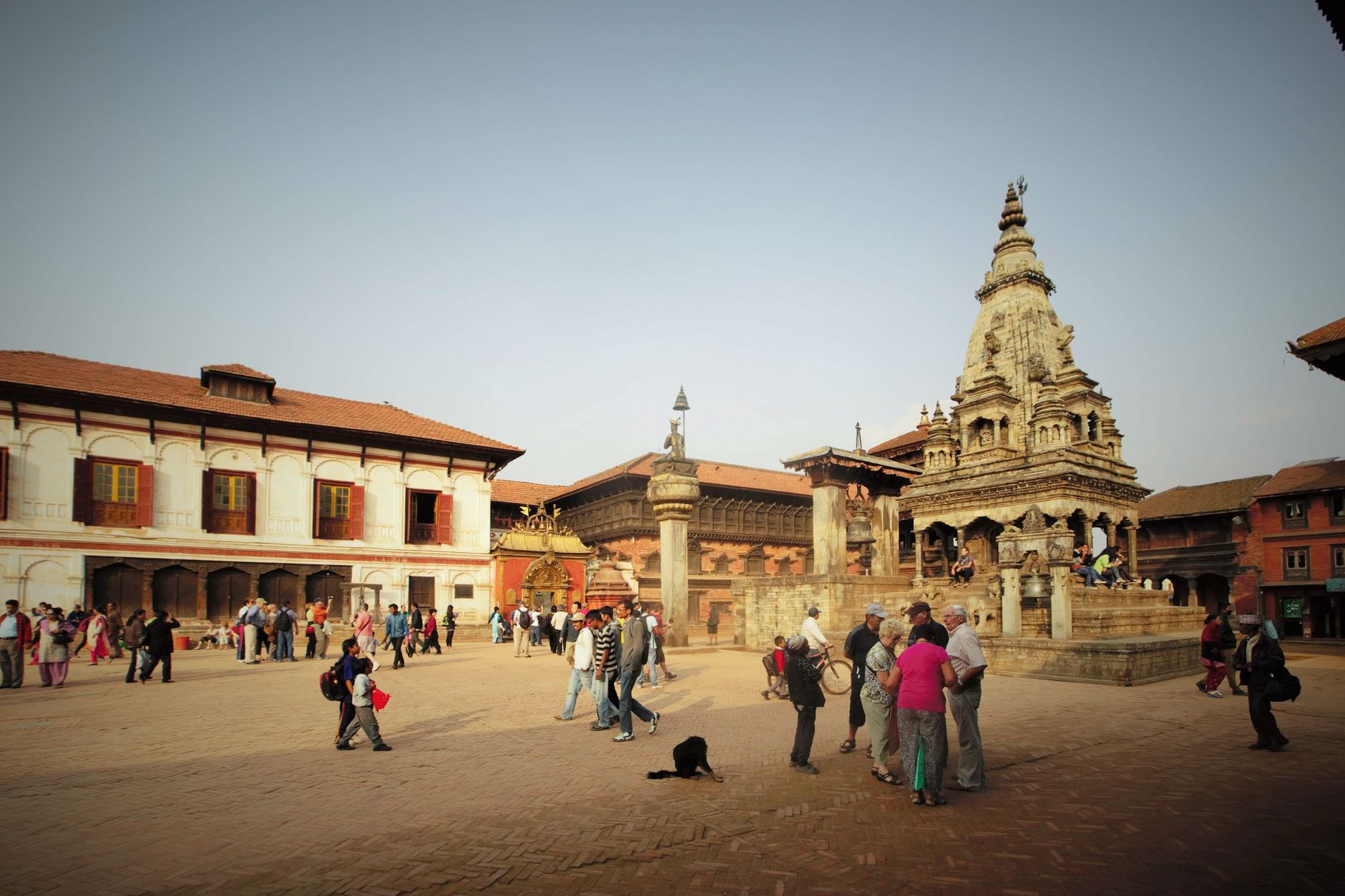
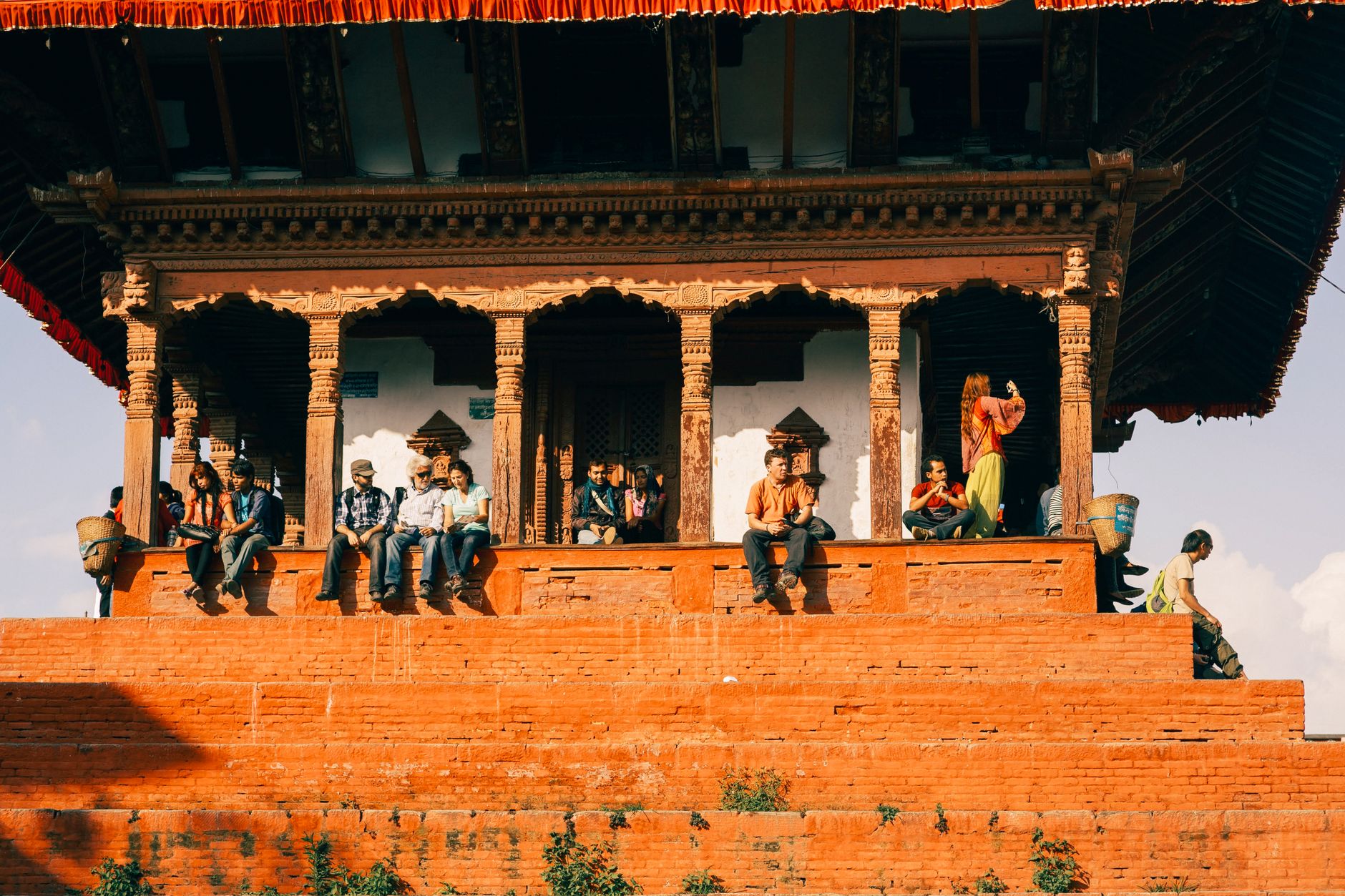
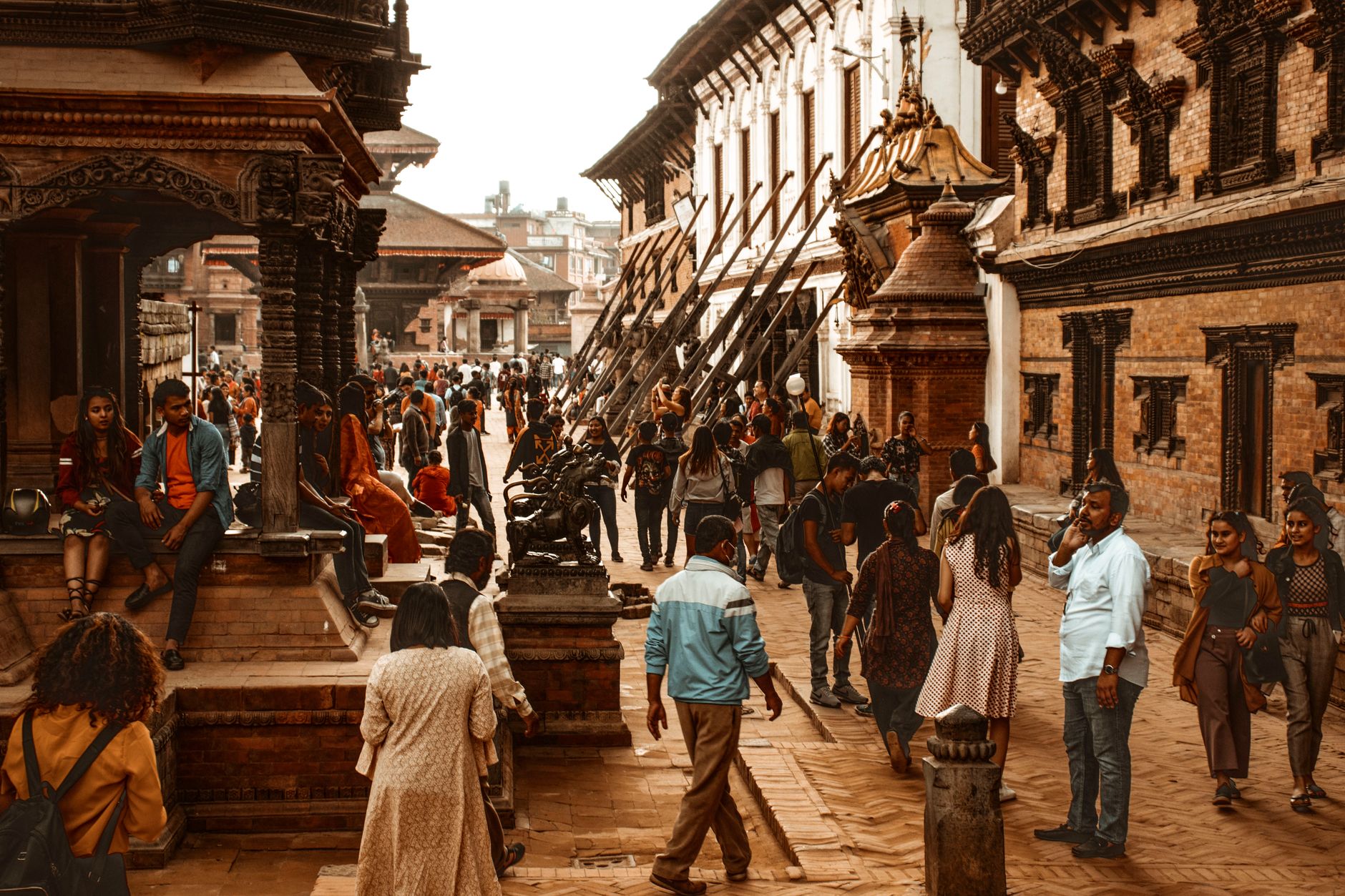
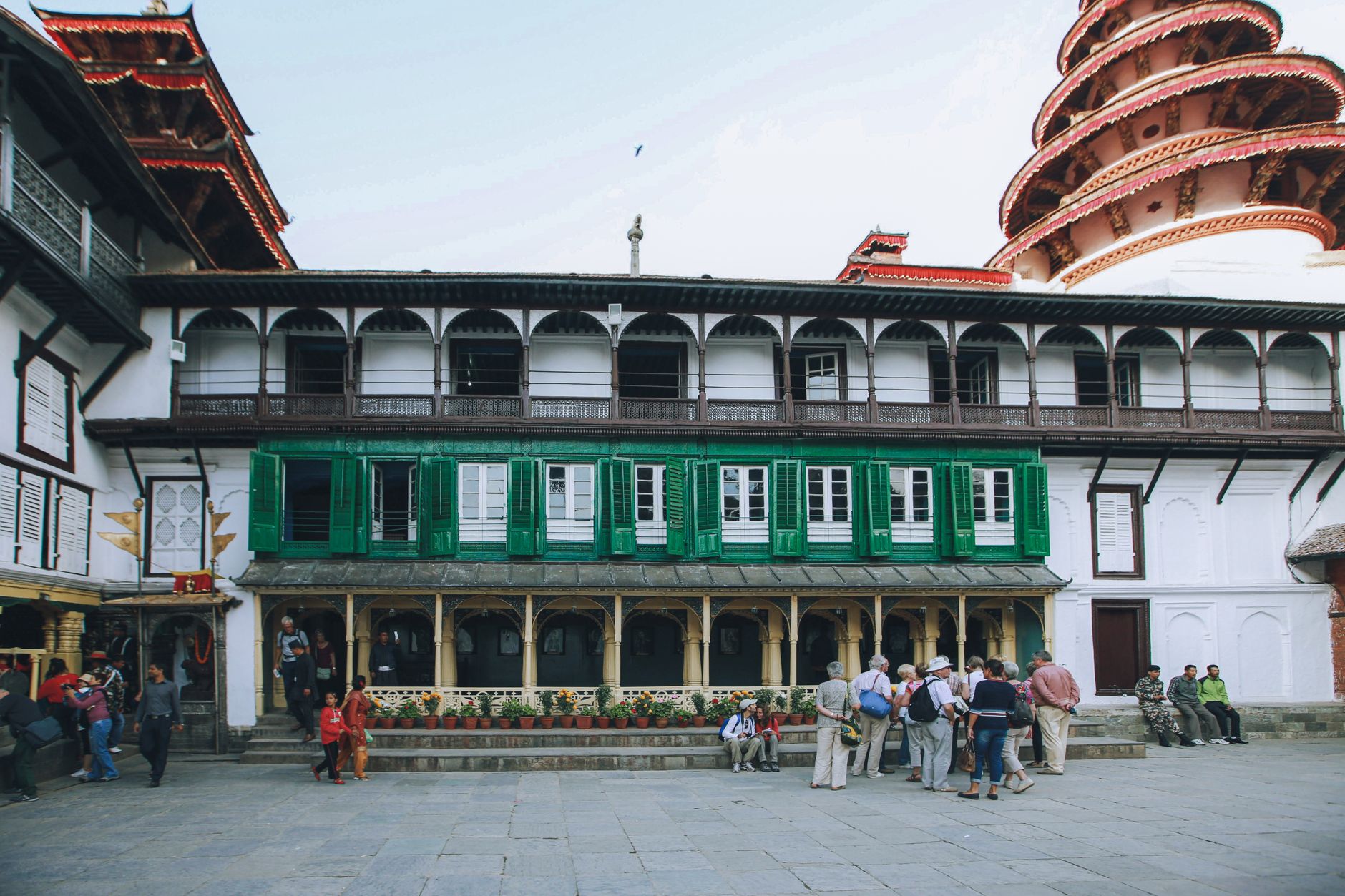
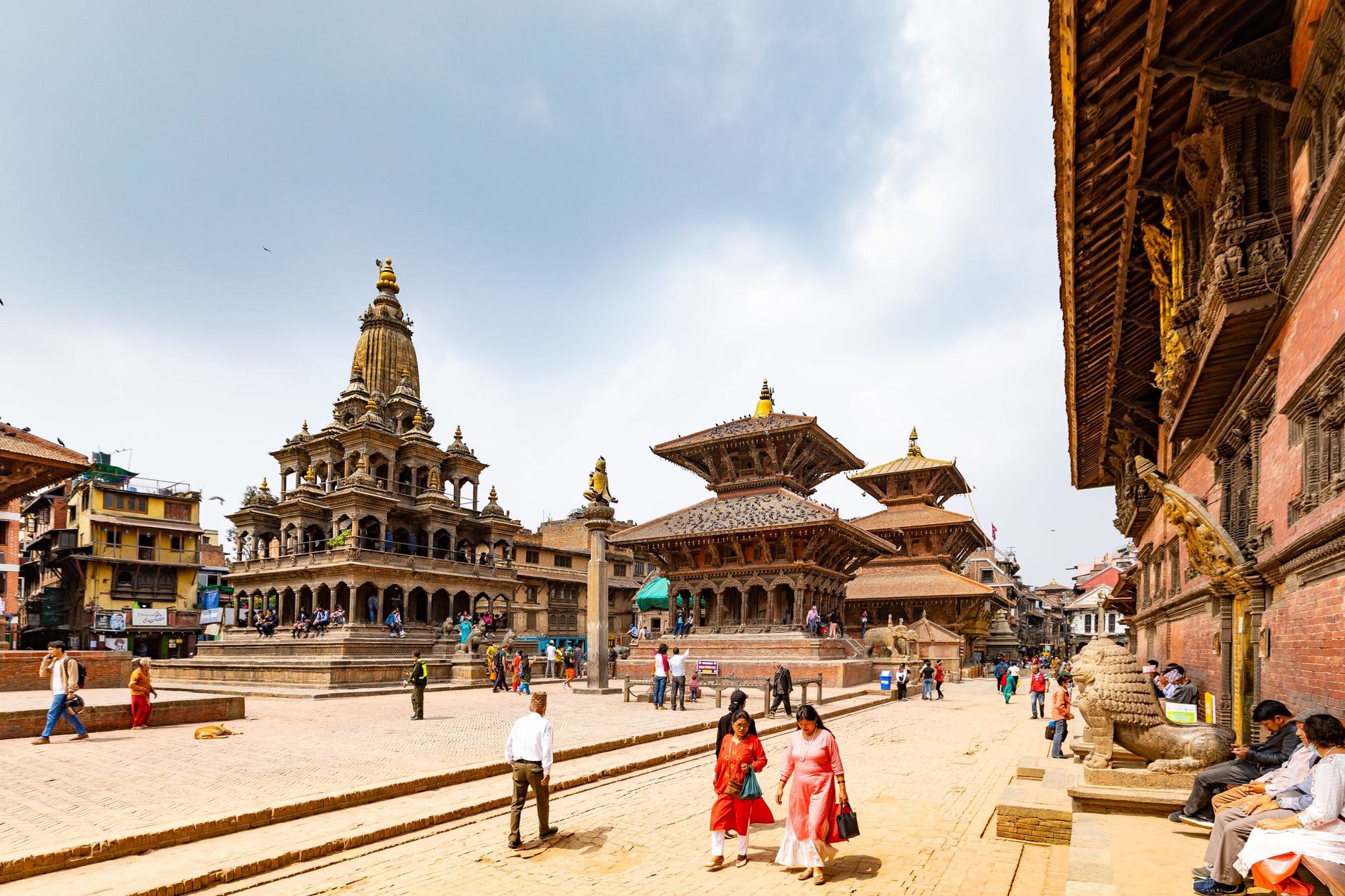
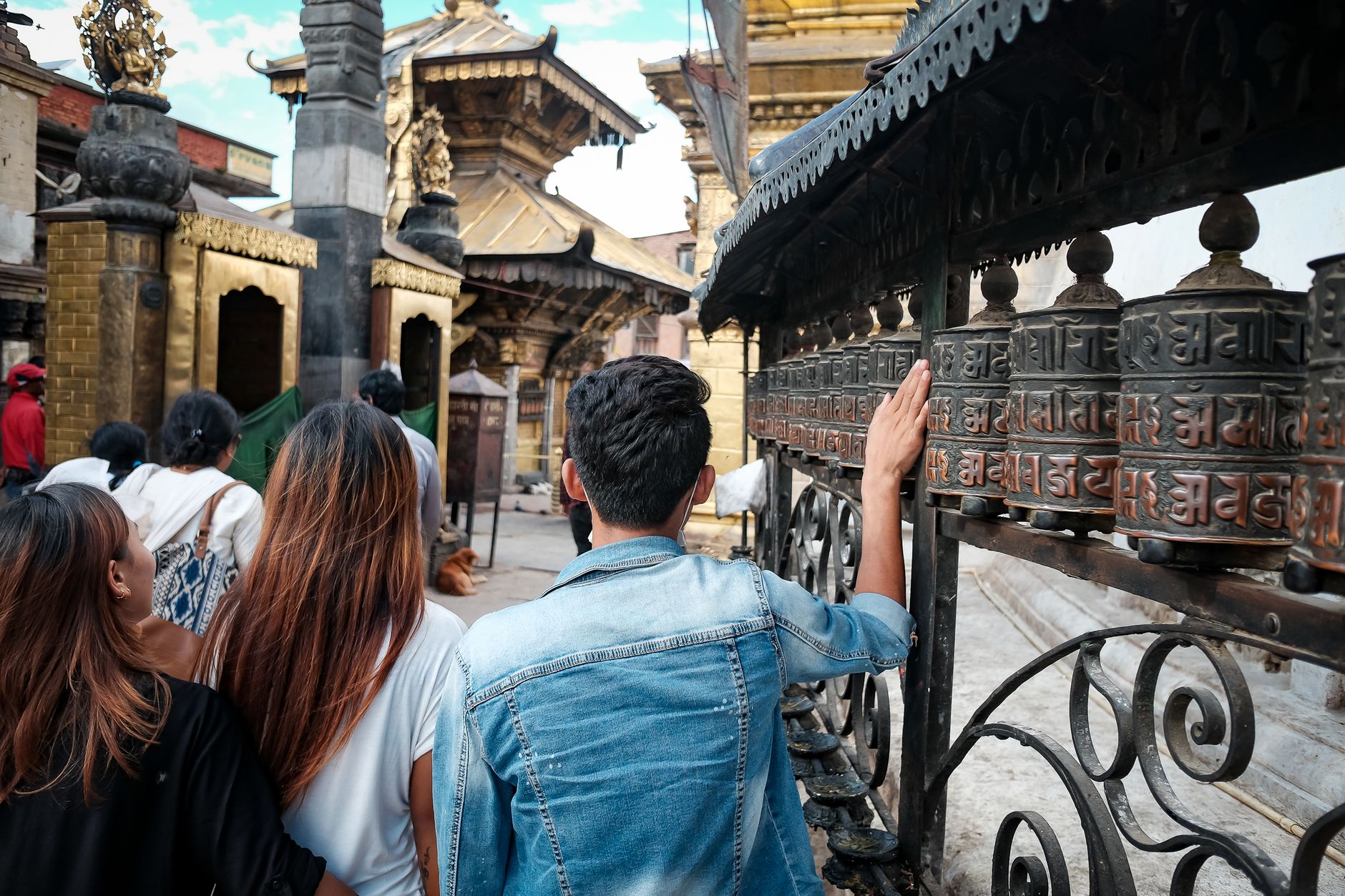
The name Kathmandu comes from a single wooden temple — kasthamandap, meaning wood temple — said to have been built from the timber of one tree in 1596. That origin story tells you something about the city: here, the mythic and the material have always been the same thing. Brick courtyards hold temples that have been active for over a thousand years. Cremation smoke rises from the ghats at Pashupatinath a few kilometres from the airport. The city sits at roughly 1,400 metres in a valley ringed by hills, and on clear October mornings you can see the high Himalaya from its rooftops.
Kathmandu's seven UNESCO World Heritage monument zones are close enough to cover on foot and by short taxi rides, but the city rewards slower attention — the carved wooden eaves of Durbar Square, the butter lamps left before a shrine, the particular way afternoon light falls on a sixteenth-century courtyard.
💛 What travellers fall for
Regulars tend to arrive in October or March, when the air is clear and the light is sharp. Most skip the taxi queue at Tribhuvan airport and take the Sajha Yatayat bus on Route 5 — it runs every fifteen to thirty minutes and drops you close to the centre. Budget an extra ten dollars and a local guide at Pashupatinath; non-Hindus cannot enter the inner sanctum, but a guide opens up everything around it.
Deals in Kathmandu
Book directly at the provider
How Kathmandu came to be
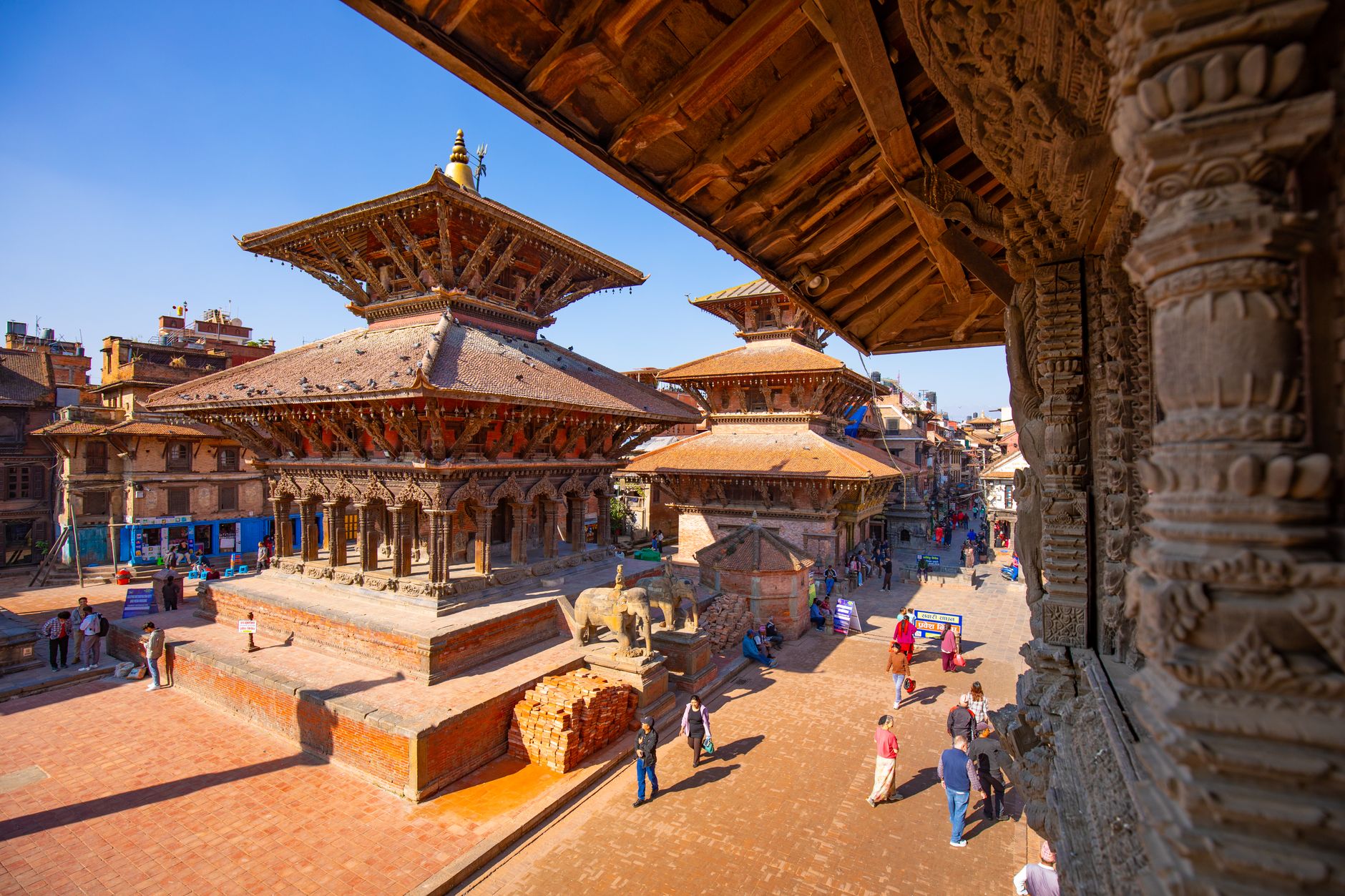
Kathmandu was founded in 723 by Raja Gunakamadeva under the name Manju-Patan. For roughly five centuries from the twelfth century onward, the Malla dynasty shaped the city's temple-dense skyline: the Taleju Bhawani Temple went up in 1576 under Raja Mahindra Malla; the Kasthamandap, the wooden pavilion that eventually gave the city its name, followed in 1596. King Pratap Malla added the Rani Pokhari pond in 1670 and expanded the Hanuman Dhoka Palace complex with multiple temples.
In 1768 the Gurkha Kingdom made Kathmandu its base, and in 1846 the Rana dynasty seized power after the Kot Massacre, ruling until 1951. Earthquakes in 1833 and 1934 reshaped parts of the city, and the 2015 earthquake caused severe damage to historic structures, many of which are still being restored.
Who and what shaped it
People who shaped it
Landmark buildings
See Kathmandu in motion
Plan your visit
On the map
When to go
October to November and March to April are the clearest months — daytime temperatures sit between 18°C and 26°C with largely sunny skies. Winters are mild by day but can drop to around 3°C at night; summer monsoon months from June to August bring warmth and persistent cloud.
Right now
Background & history adapted from Wikipedia (CC BY-SA) · specs from Wikidata (CC0) · weather from Open-Meteo · map data © OpenStreetMap contributors · photos from Wikimedia Commons / Unsplash with per-image credit. No third-party reviews or social posts reproduced.