


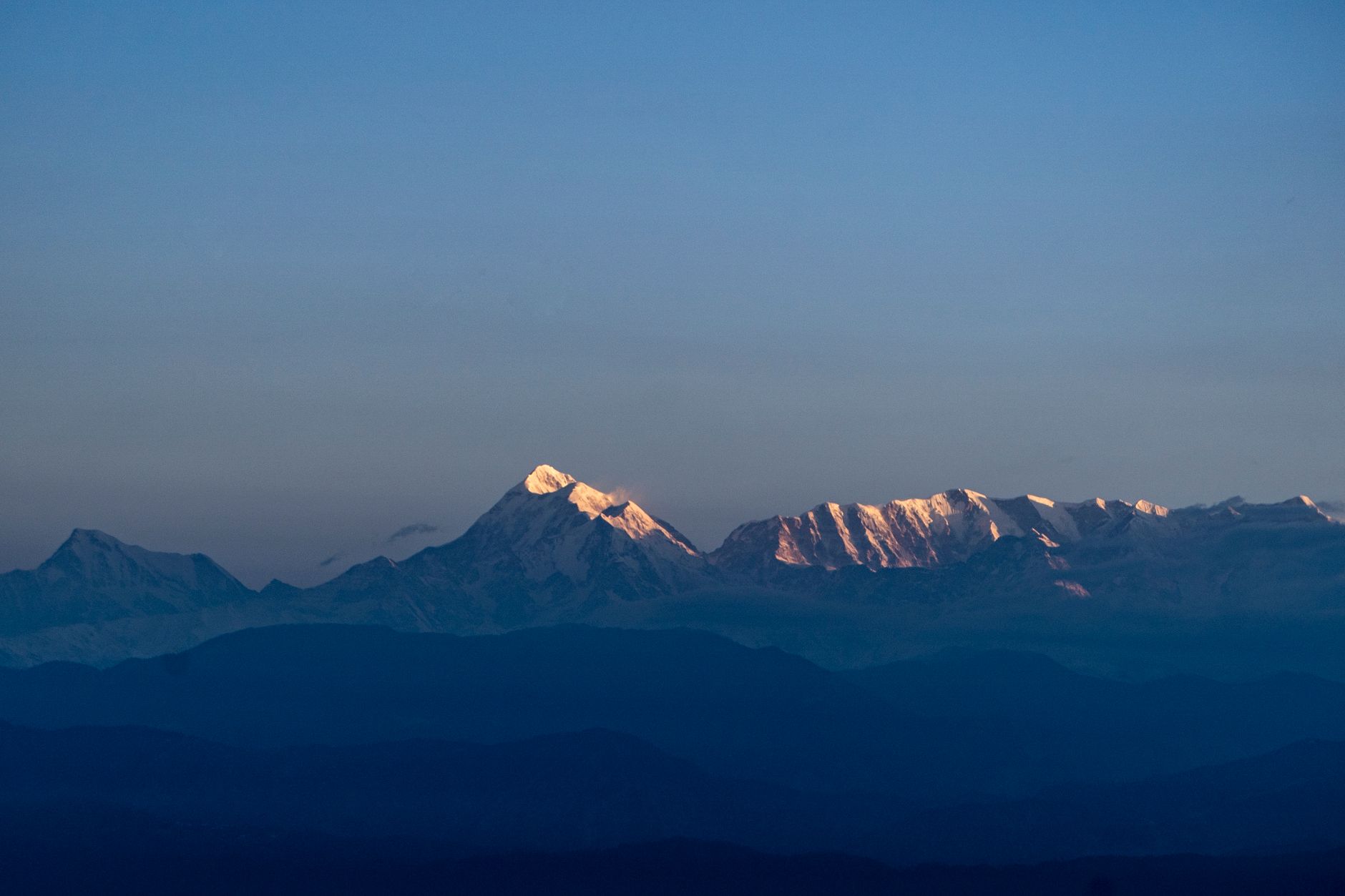


> Boudhanath Stupa is one of the most peaceful and mesmerizing places to visit in Kathmandu. The moment you step into the complex, you're surrounded by a sense of calm, with colorful prayer flags fluttering in the breeze, monks chanting prayers, and devotees walking around the stupa in quiet devotion. The sheer size and beauty of the white dome, topped with the iconic Buddha eyes, is truly breathtaking. Visiting during the evening is a magical experience, as the stupa lights up beautifully and the atmosphere becomes even more serene. Whether you're seeking spirituality, photography, or simply a peaceful escape, this place offers something special for everyone. Take your time to walk around the stupa, explore the nearby cafés and monasteries, and simply soak in the positive energy.
Boudhanath
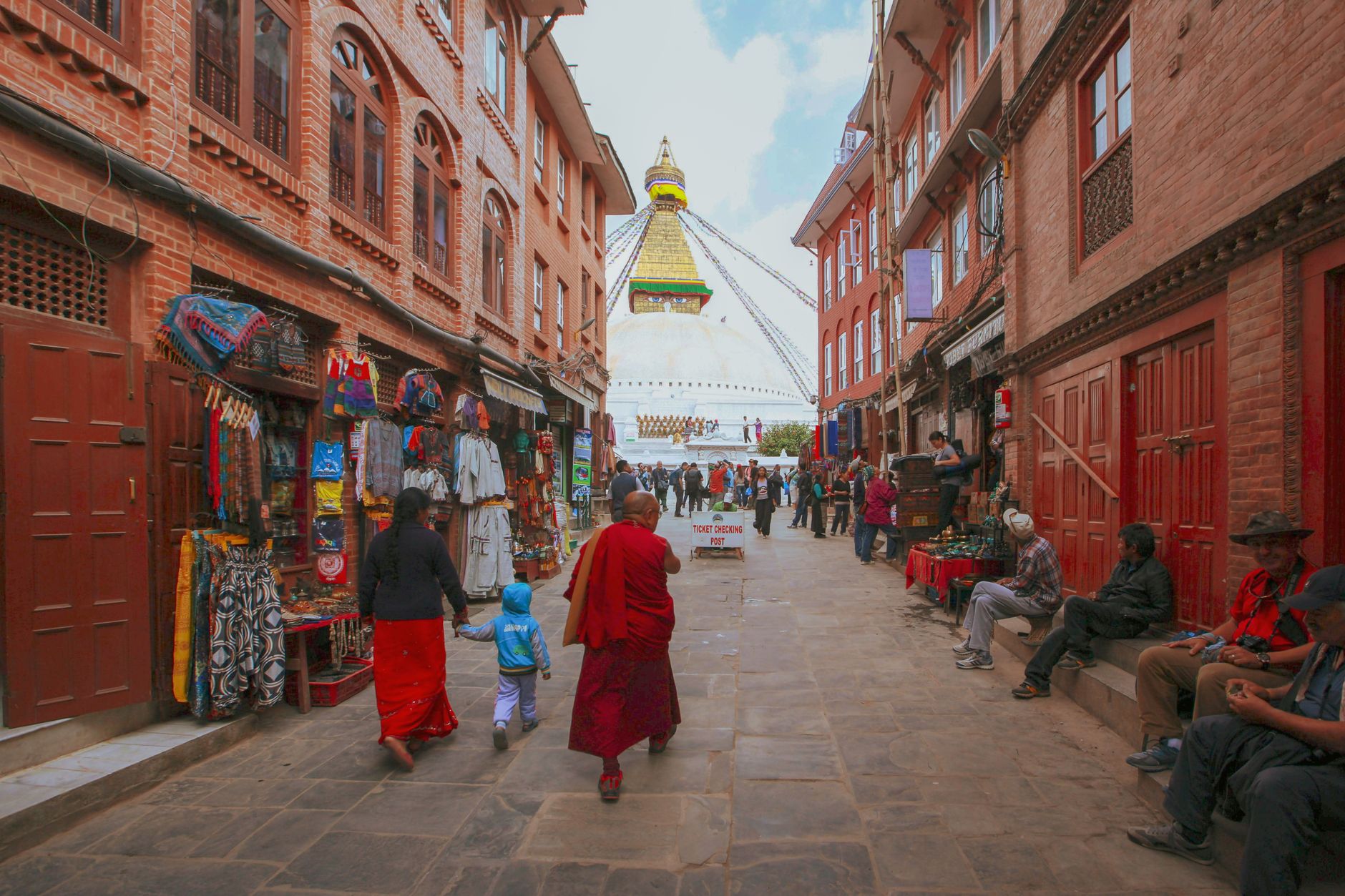
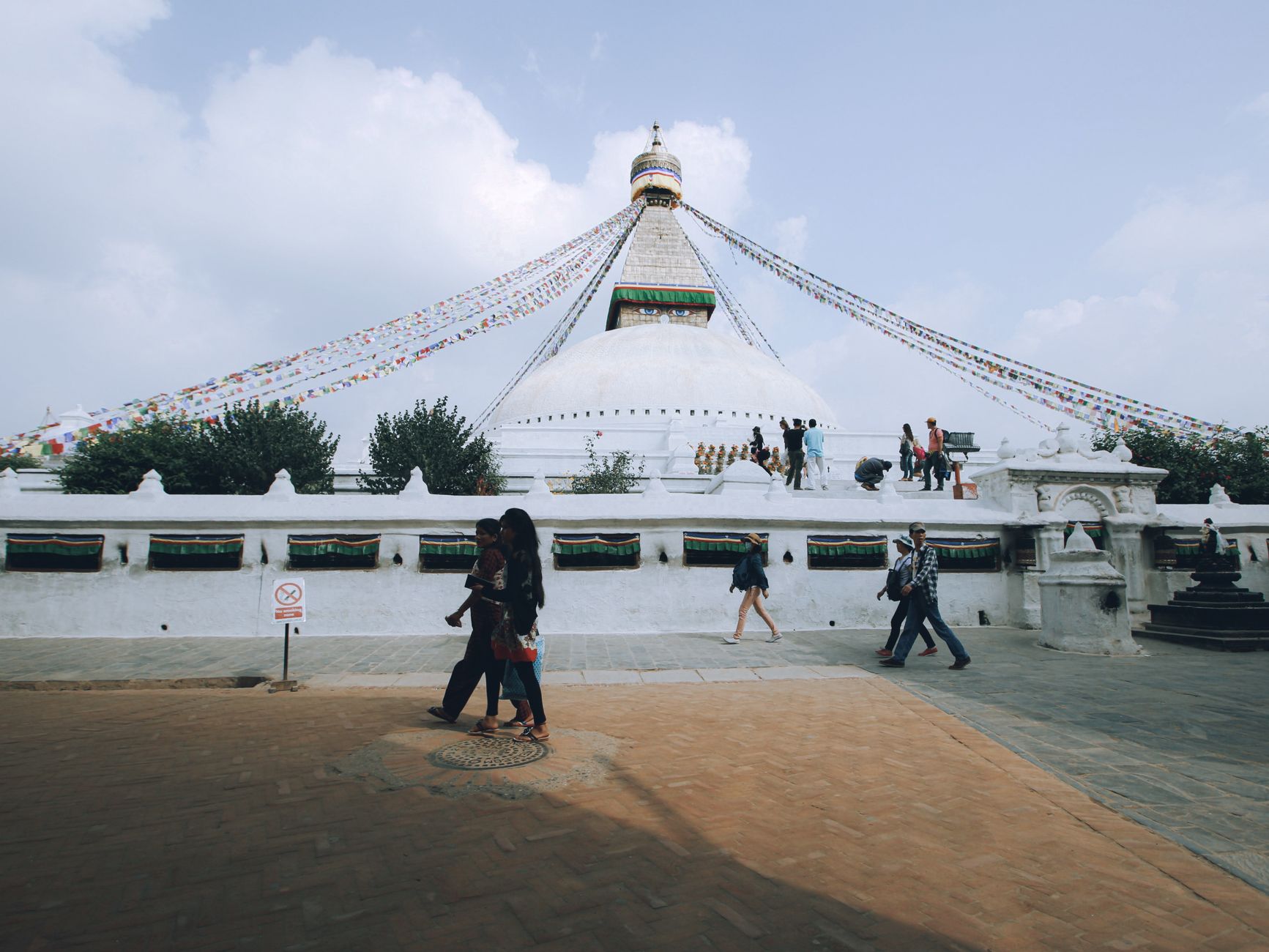
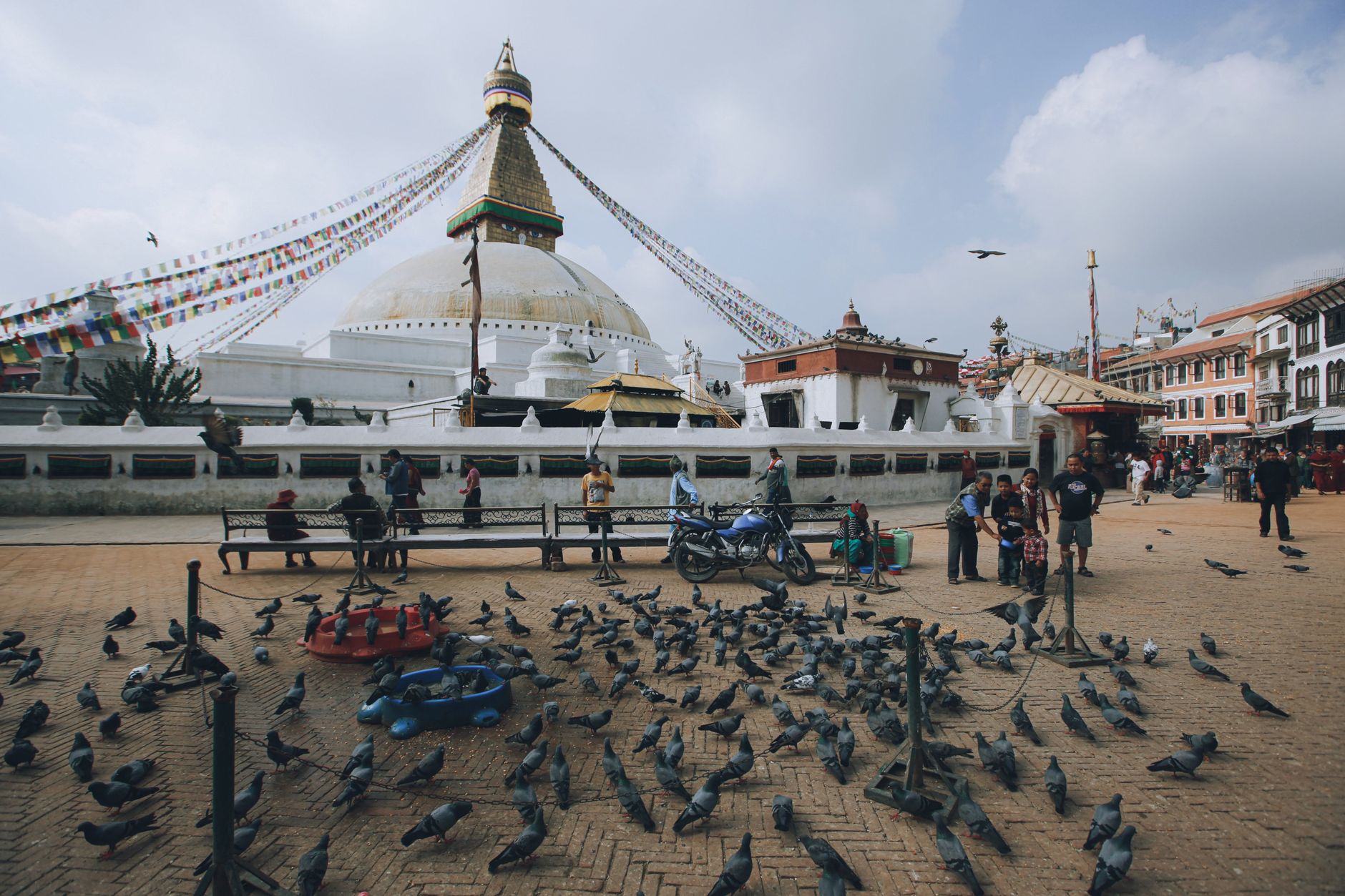
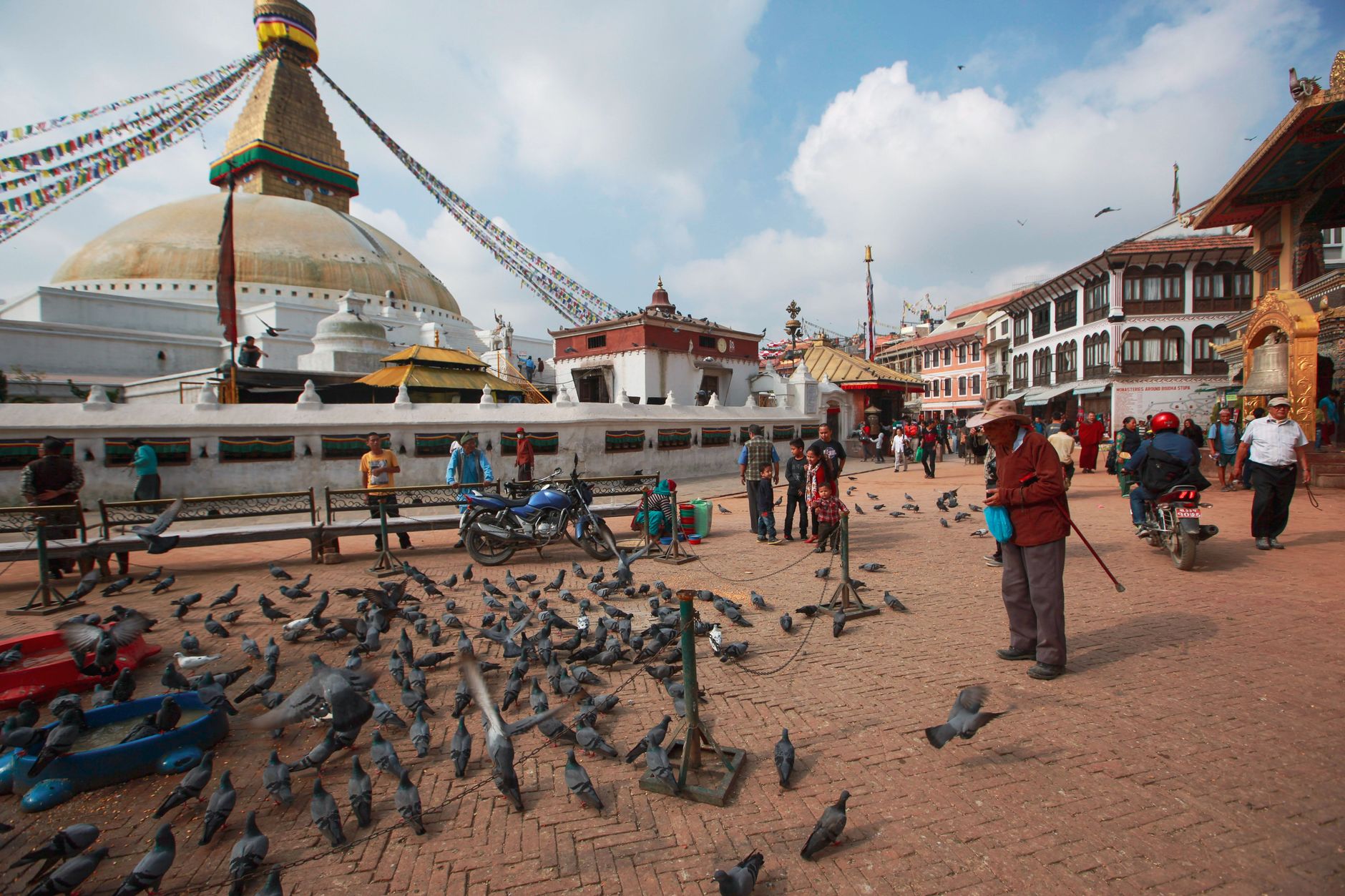
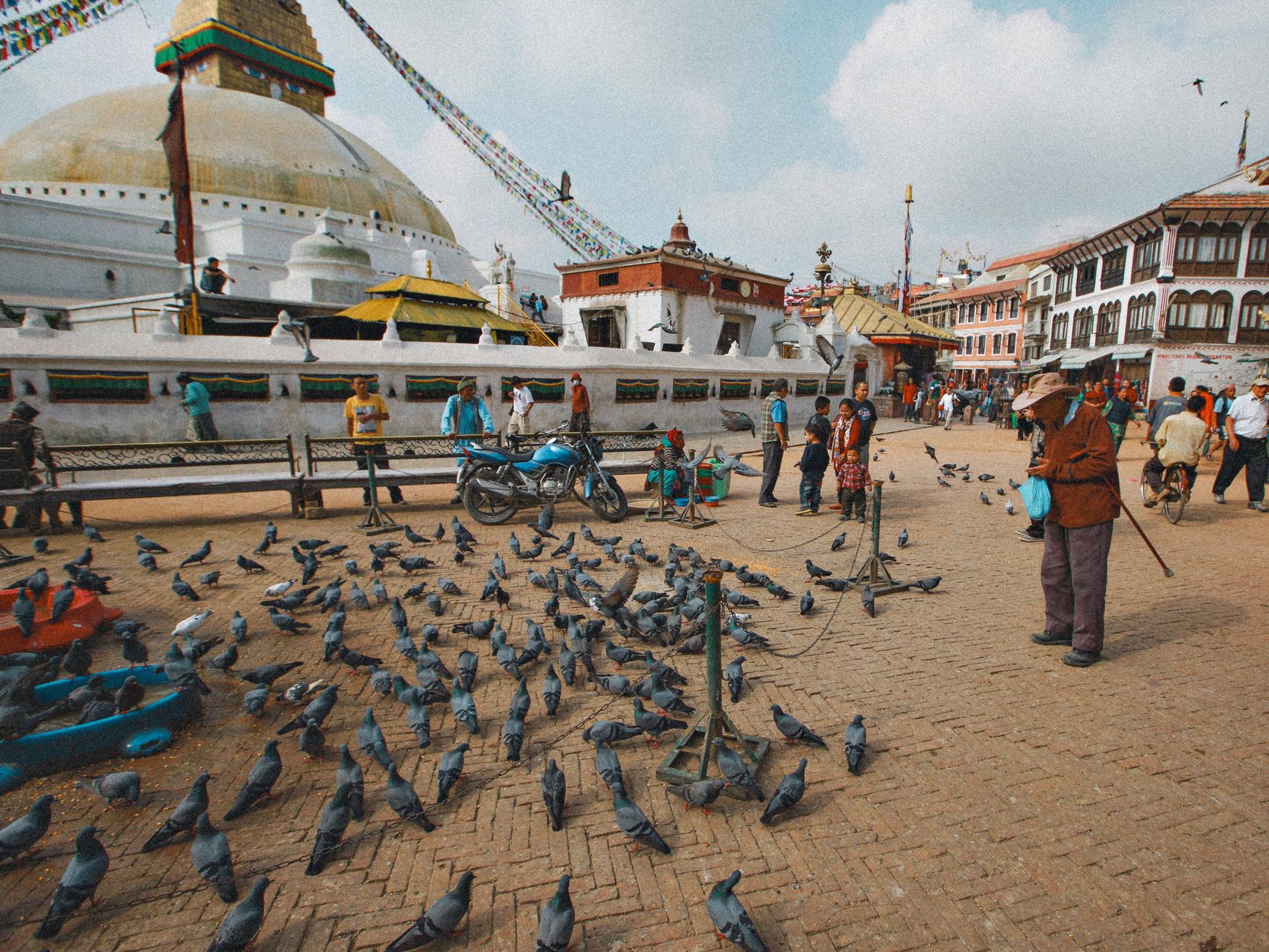
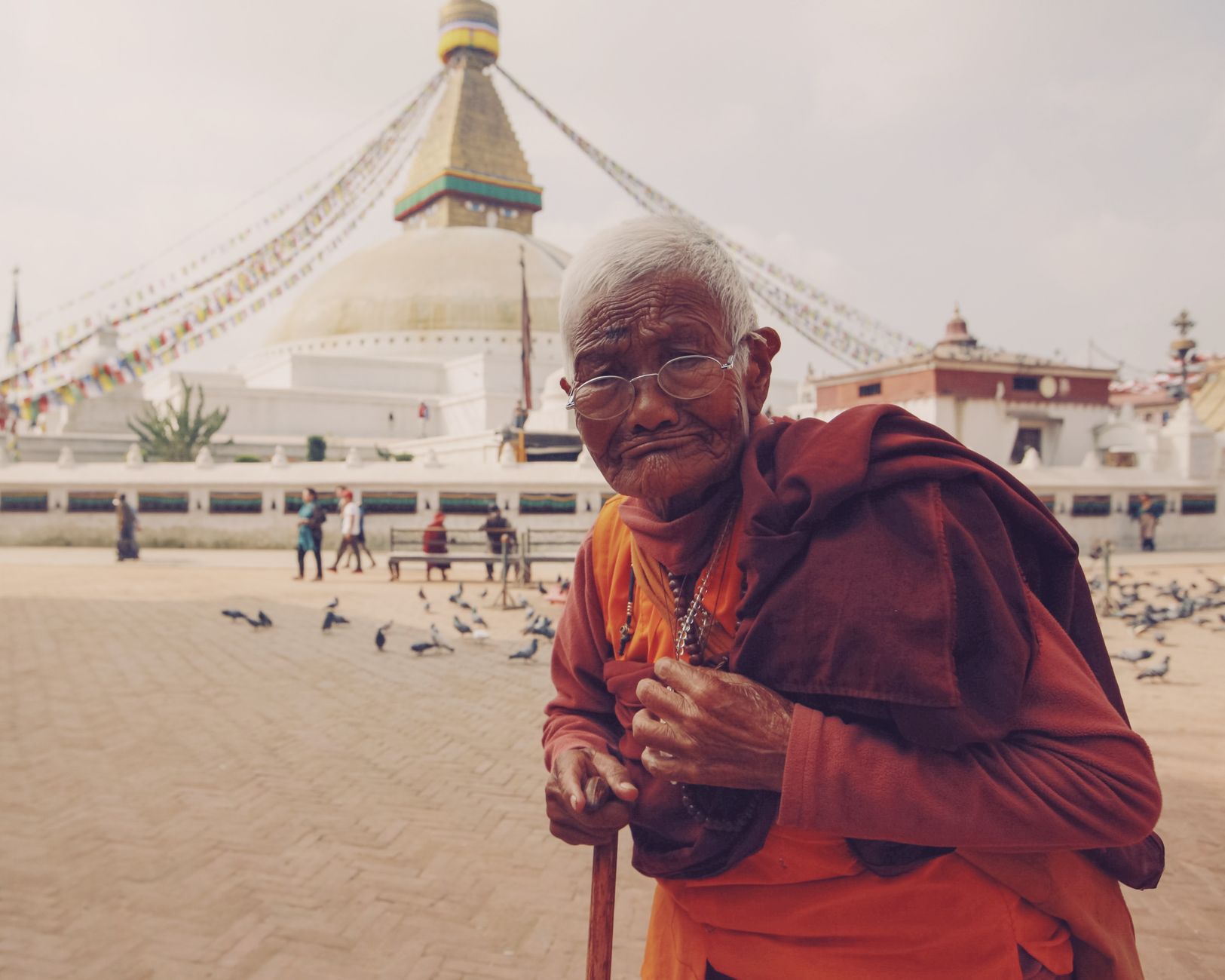
The first thing you notice at Boudhanath is the eyes — four pairs of them, painted on each face of the thirteen-tiered spire, looking out over the rooftops with an expression that is neither stern nor kind, just watchful. Below them, the great whitewashed dome sits at roughly 120 feet across, ringed by 147 niches holding prayer wheels that pilgrims spin as they walk the kora clockwise, lips moving, beads passing through fingers. This is one of the largest stupas in the world, and it has been a place of continuous practice for well over a millennium.
Boudhanath sits 11 kilometres northeast of central Kathmandu, and the moment you step through the lane that opens onto the circular plaza, the city's noise reorganises itself around something older and slower. More than fifty Tibetan monasteries have grown up in the surrounding streets since the 1950s, giving the neighbourhood a density of religious life you won't find anywhere else in the valley.
💛 What travellers fall for
People who come back tend to arrive twice in the same day — early, around 5 or 6 AM, when the butter-lamp smoke is still thin and the circumambulation is mostly locals; and again at dusk, when the light goes amber and the rooftop cafes fill. The laphing vendor near the eastern lane, selling cold spiced mung-bean noodles, is the kind of detail you find yourself describing to everyone afterwards.
Experiences you don't want to miss
Deals in Boudhanath
Book directly at the providerHow Boudhanath came to be
The site's origins are genuinely tangled. Nepalese chronicles credit either King Mānadeva (c. 464–505 CE) or King Śivadeva (c. 590–604 CE) with the founding, while local legend attributes the original stupa to a widow named Jhapko Lakpa. What seems clear is that a stupa stood here by around 600 CE. That structure was destroyed by Mughal invaders in the fourteenth century, and the current dome — still roughly 700 years old — was raised in its place. In the late fifteenth or early sixteenth century, a Yolmo lama named Ngagchang Sakya Zangpo restored it again.
UNESCO recognised Boudhanath as a World Heritage Site in 1979. After the April 2015 earthquake — magnitude 7.8 — brought the spire down, reconstruction began almost immediately. The spire was repaired and the stupa reopened in 2016 with a three-day purification ceremony. The Tibetan refugee community that arrived after 1950 has since built more than fifty monasteries in the surrounding streets, reshaping what had been a pilgrimage waypoint into a living centre of Tibetan Buddhism outside Tibet.
Who and what shaped it
People who shaped it
Landmark buildings
See Boudhanath in motion
Plan your visit
On the map
When to go
October through December brings the clearest skies and the sharpest views of the surrounding hills — the light in those months is genuinely different, colder and more defined. Spring (March to May) is nearly as good and warmer; the monsoon months are wet but rains mostly fall at night, leaving mornings surprisingly fresh.
Right now
What travellers say about Boudhanath
Boudhanath Stupa is one of the most breathtaking places I visited in Kathmandu. As someone who is personally devoted to Lord Buddha, this visit was deeply meaningful. Seeing the massive white dome and the iconic Buddha eyes watching over the devotees was an unforgettable experience. It was also the first time I learned about what a *stupa* is, which made the visit even more special. The atmosphere is filled with peace, spirituality, and positive energy. Watching monks, locals, and visitors walking clockwise around the stupa while spinning prayer wheels created a truly calming experience. Despite the heavy crowd, we were fortunate enough to get a good darshan and spend some quiet moments soaking in the surroundings. The area around the stupa is lively, with beautiful monasteries, cafés, souvenir shops, and prayer flags adding to its charm. Whether you're religious, interested in history, or simply looking to experience Nepal's rich culture, this place is a must-visit. My only suggestion would be to visit early in the morning or during the evening if you prefer a less crowded experience. Even with the crowd, the serenity of Boudhanath shines through. A truly awe-inspiring place that beautifully blends faith, culture, history, and architecture. I would gladly visit again.
Buddha Stupa is one of the most iconic and spiritually significant landmarks in Kathmandu, Nepal. The stupa is huge and majestic, with beautiful eyes watching in all four directions. The area is very clean and well maintained. Walking around the stupa with prayer flags flying and monks chanting creates a spiritual atmosphere that is hard to explain in words. The surrounding cafés, monasteries and shops add to the charm, making it a wonderful place to relax, reflect, and soak in the culture.
Highly recommend to pay a visit. I arrived around sunset time to catch the day and light view, personally I prefer the night view. Explore the area in the day, find a good spot from one of the rooftop cafes, dine and wine as you watch the place being lit up.
The stupa is impressive and has a very peaceful atmosphere. It’s surrounded by many restaurants where you can grab a coffee and enjoy the view from above. ☕️ However, it gets very crowded towards lunchtime, so better visit earlier if you prefer it quieter 🧘♂️ Still it's a must-see spot for the vibe and culture
Background & history adapted from Wikipedia (CC BY-SA) · specs from Wikidata (CC0) · weather from Open-Meteo · map data © OpenStreetMap contributors · photos from Wikimedia Commons / Unsplash with per-image credit. No third-party reviews or social posts reproduced.