
Pashupatinath
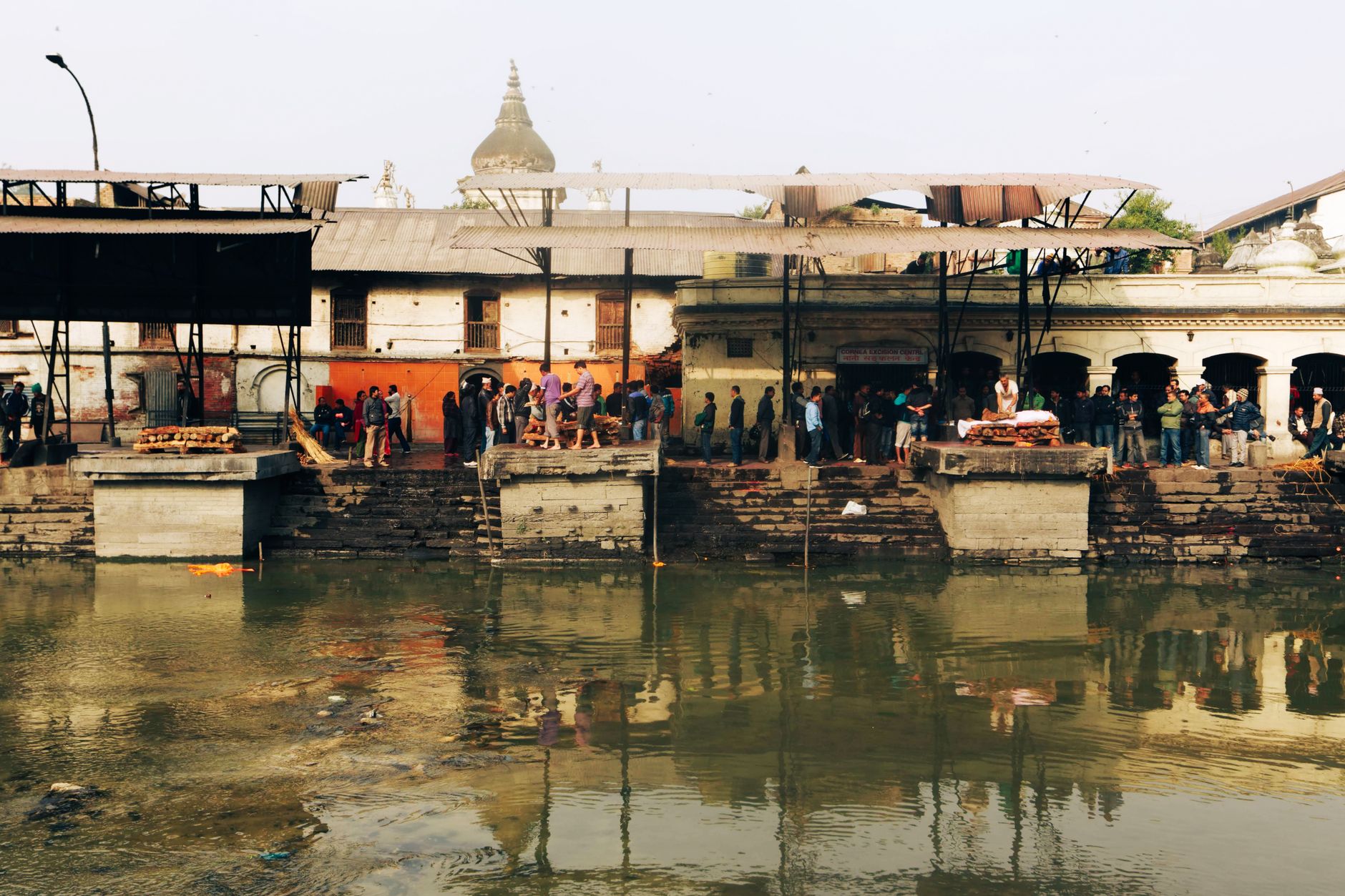
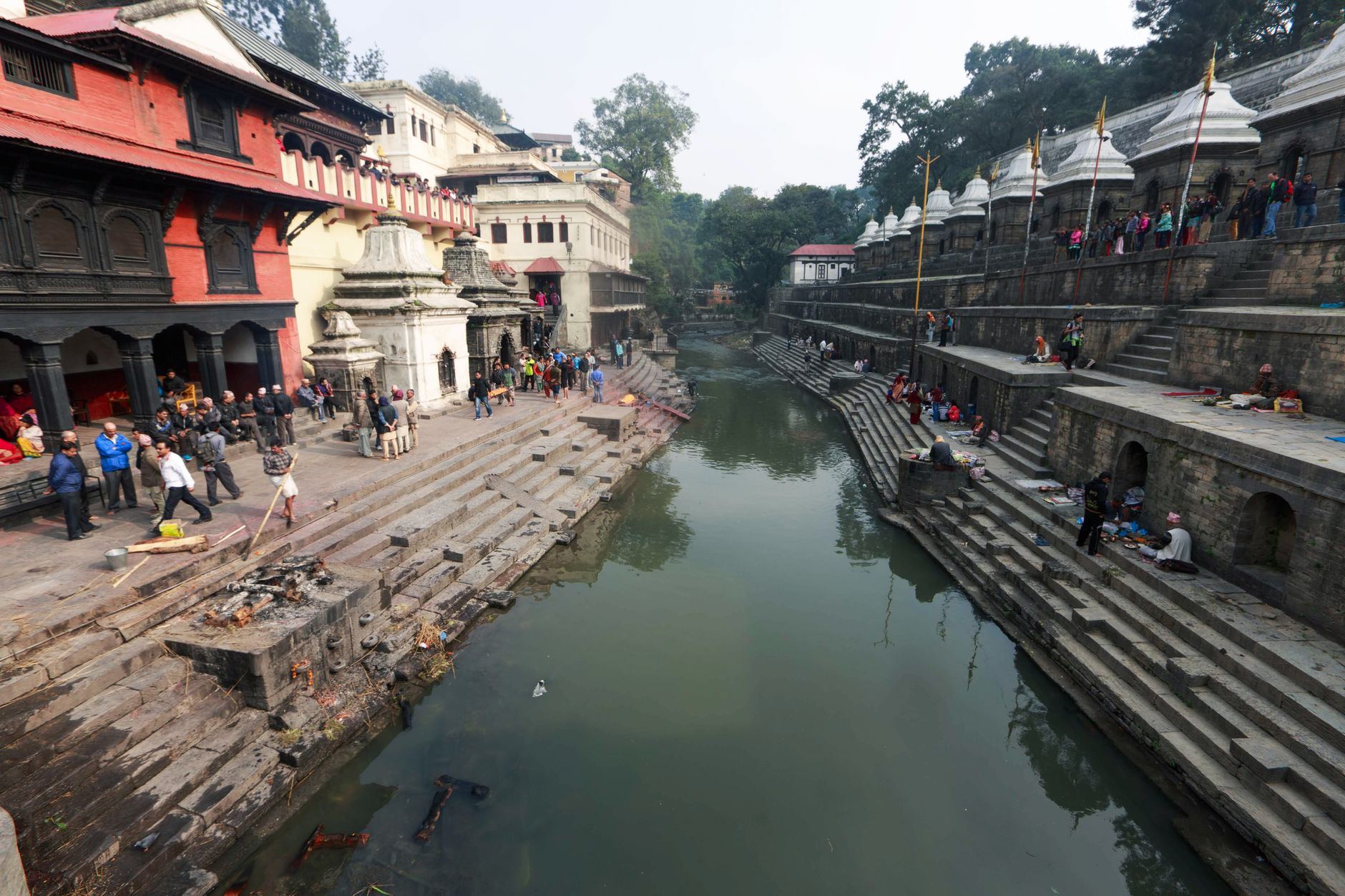
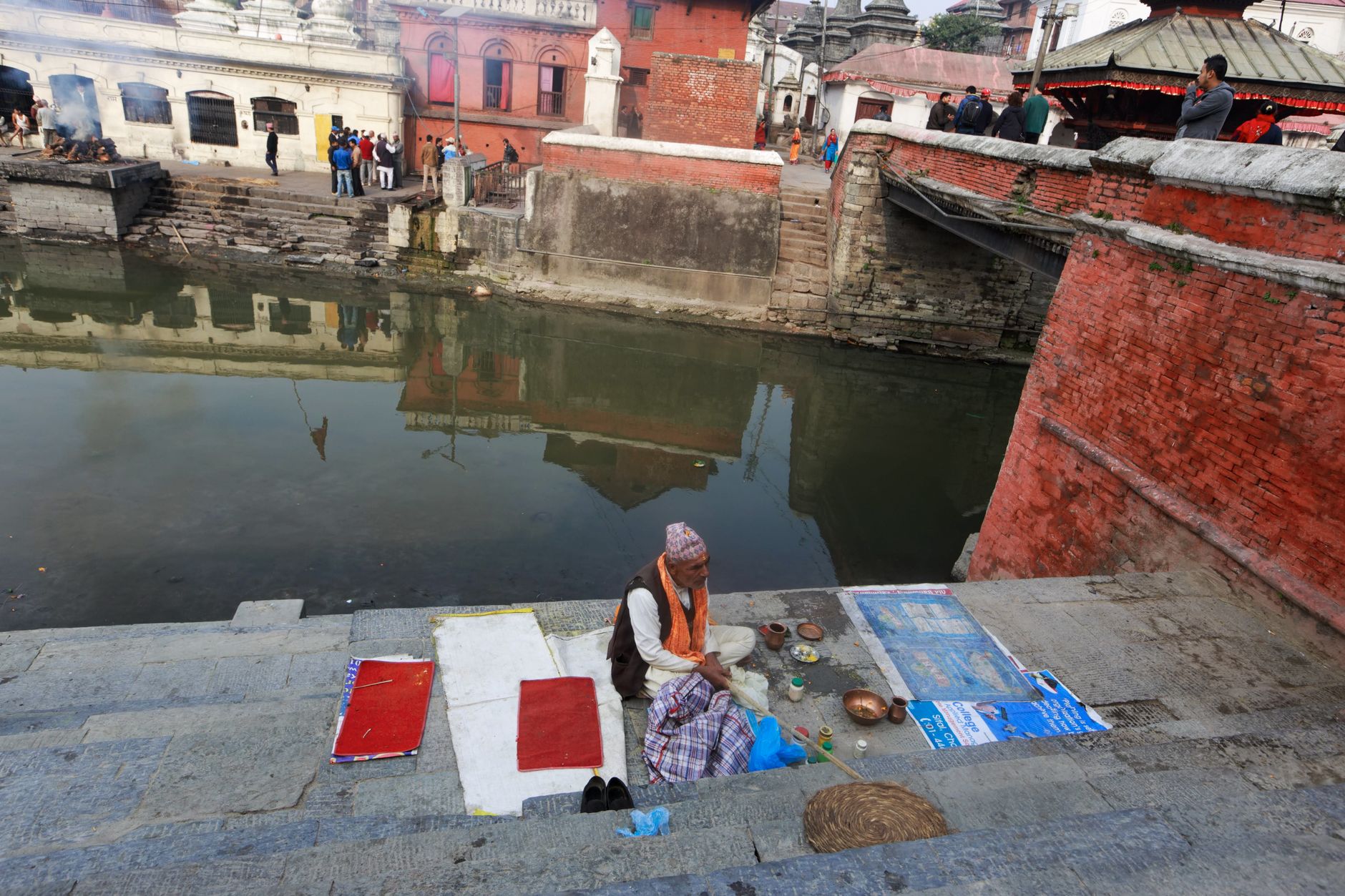
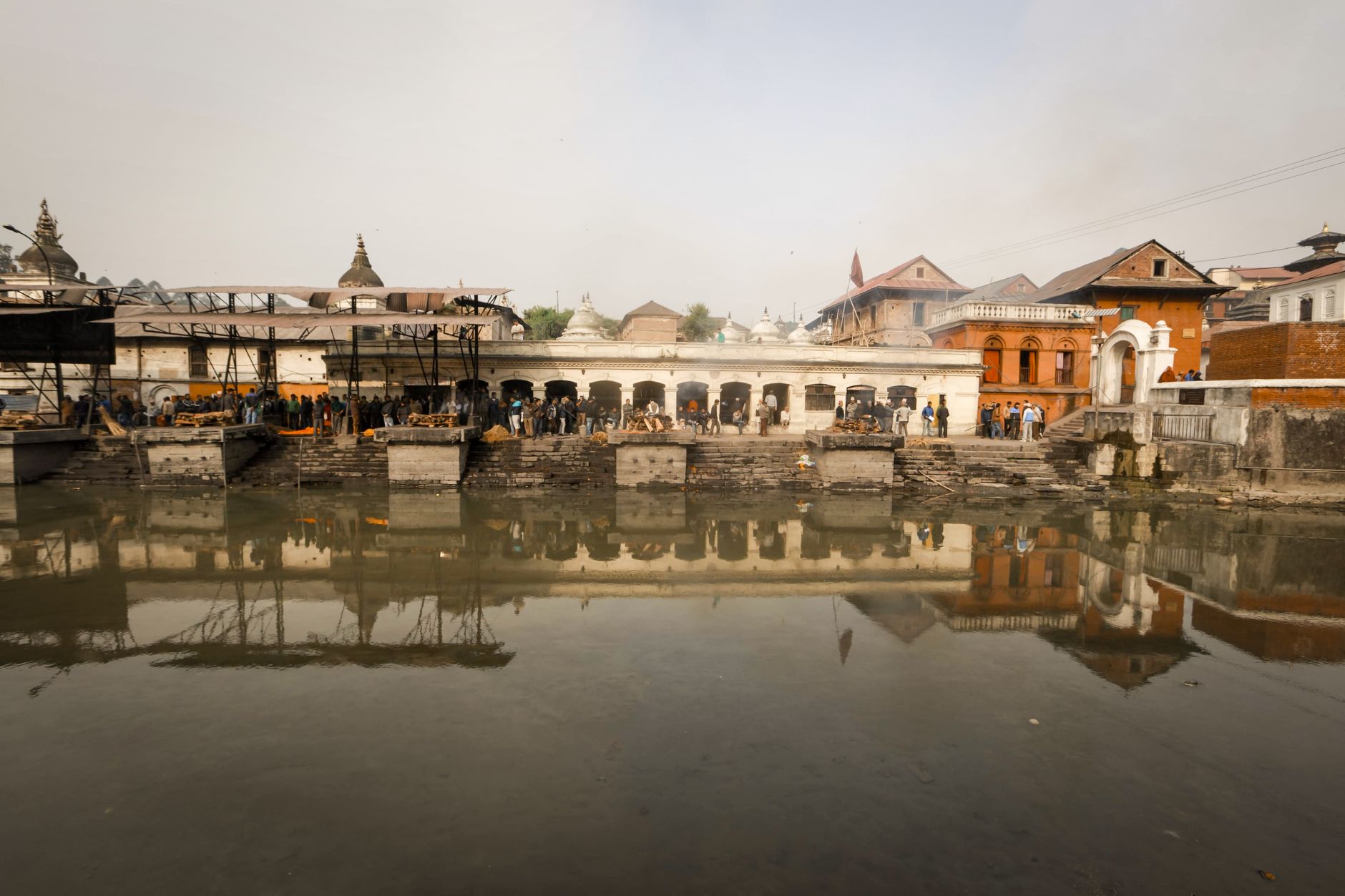
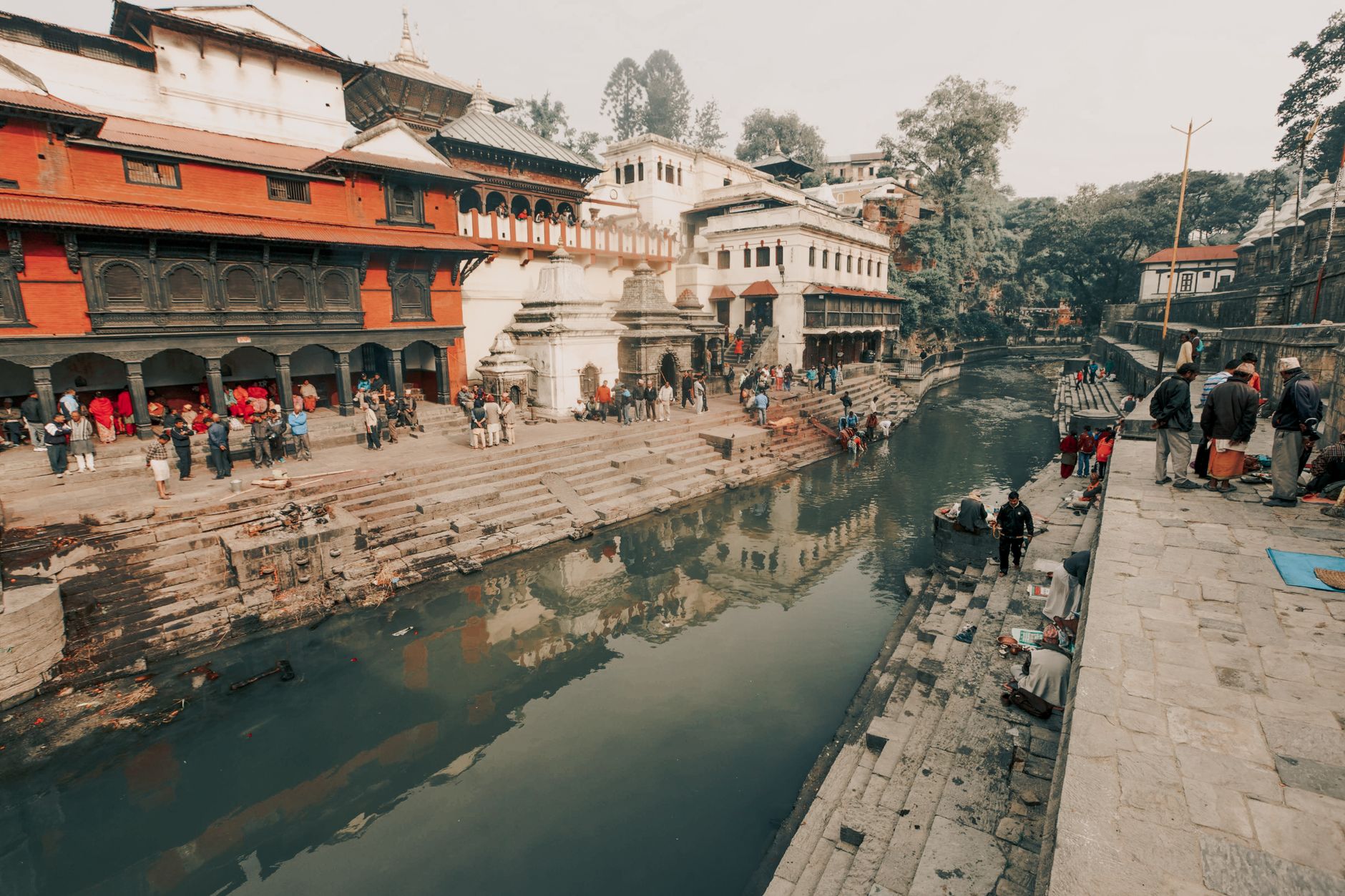
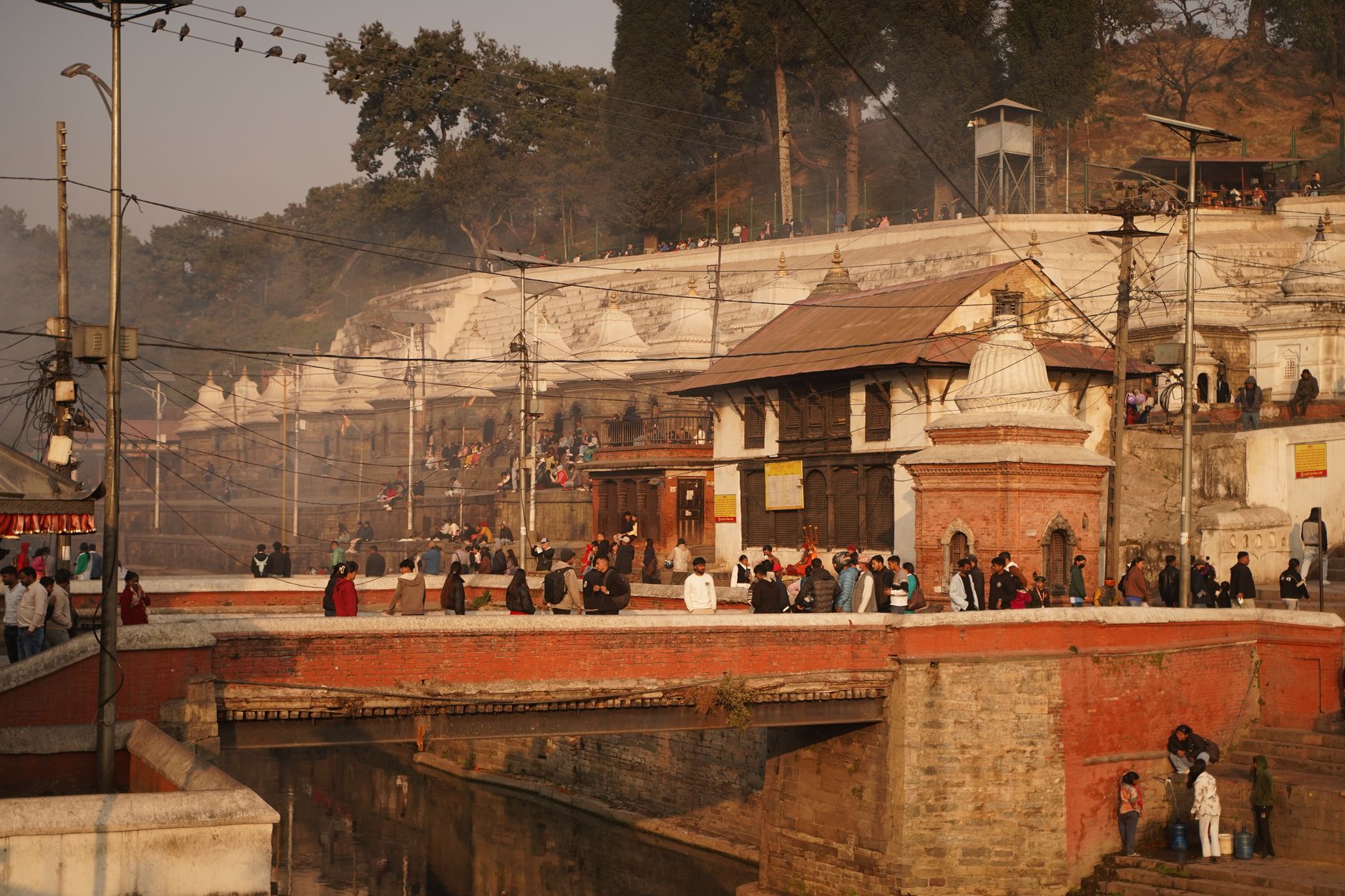
On the banks of the Bagmati River, about five kilometres east of Kathmandu, smoke rises from the ghats at almost any hour of the day. Pashupatinath is one of the most sacred Shiva temples in the world, and it functions — visibly, continuously — as both a place of worship and a cremation ground. Deer and rhesus macaques move through the 246-hectare complex alongside mourners, sadhus daubed in ash, and pilgrims who have travelled days to be here.
Non-Hindu visitors cannot enter the main pagoda, but the outer complex offers its own unmediated encounter with Nepali religious life. The two-tiered copper-and-gold roof of the central shrine is visible from the eastern bank, where you can watch the Bhasmeshvar Ghat — the valley's most active cremation site — and, in the early evening, the aarti ceremony that turns the riverside into something closer to theatre than ritual, though it is unmistakably both.
💛 What travellers fall for
People who come back tend to say the same thing: arrive before the main temple opens at 4 am, or return for the evening aarti between 6 and 7:30 pm. The light is different, the crowds thinner in the early morning, and the priests' chanting carries across the Bagmati in a way it simply doesn't at midday. Give the monkeys a wide berth — they will take food from your hand whether you offer it or not.
Deals in Pashupatinath
Book directly at the provider

How Pashupatinath came to be
The earliest physical evidence of a temple here dates to around 400 CE, though tradition places the original foundation in the 3rd century BCE under Pashupreksha of the Somadeva Dynasty. The historical record becomes clearer by the 13th century. Medieval king Shivadeva, who ruled from 1099 to 1126 CE, is credited with a significant reconstruction, and Ananta Malla later added a roof. The temple was destroyed and rebuilt several times over the centuries.
The structure standing today took its present form in 1697, when King Bhupalendra Malla rebuilt it after termites brought down the previous shrine. The main sanctum houses a one-metre stone Mukhalinga — four-faced, silver-based, bound with a silver serpent — tended by Vedic Dravida Brahmins from Karnataka, selected for their scholarship rather than their lineage. UNESCO added Pashupatinath to its World Heritage List in 1979.
Who and what shaped it
People who shaped it
Landmark buildings
See Pashupatinath in motion
Plan your visit
On the map
When to go
Autumn (September to November) and the dry stretch from February to April offer the clearest skies and the most comfortable temperatures, ranging from around 10°C at night to 25°C in the day. Monsoon, from June through August, brings heavy, persistent rain and heat that can push past 35°C — the complex is still accessible, but the ghats and pathways become slippery and the atmosphere considerably heavier.
Right now
Background & history adapted from Wikipedia (CC BY-SA) · specs from Wikidata (CC0) · weather from Open-Meteo · map data © OpenStreetMap contributors · photos from Wikimedia Commons / Unsplash with per-image credit. No third-party reviews or social posts reproduced.