
Granada
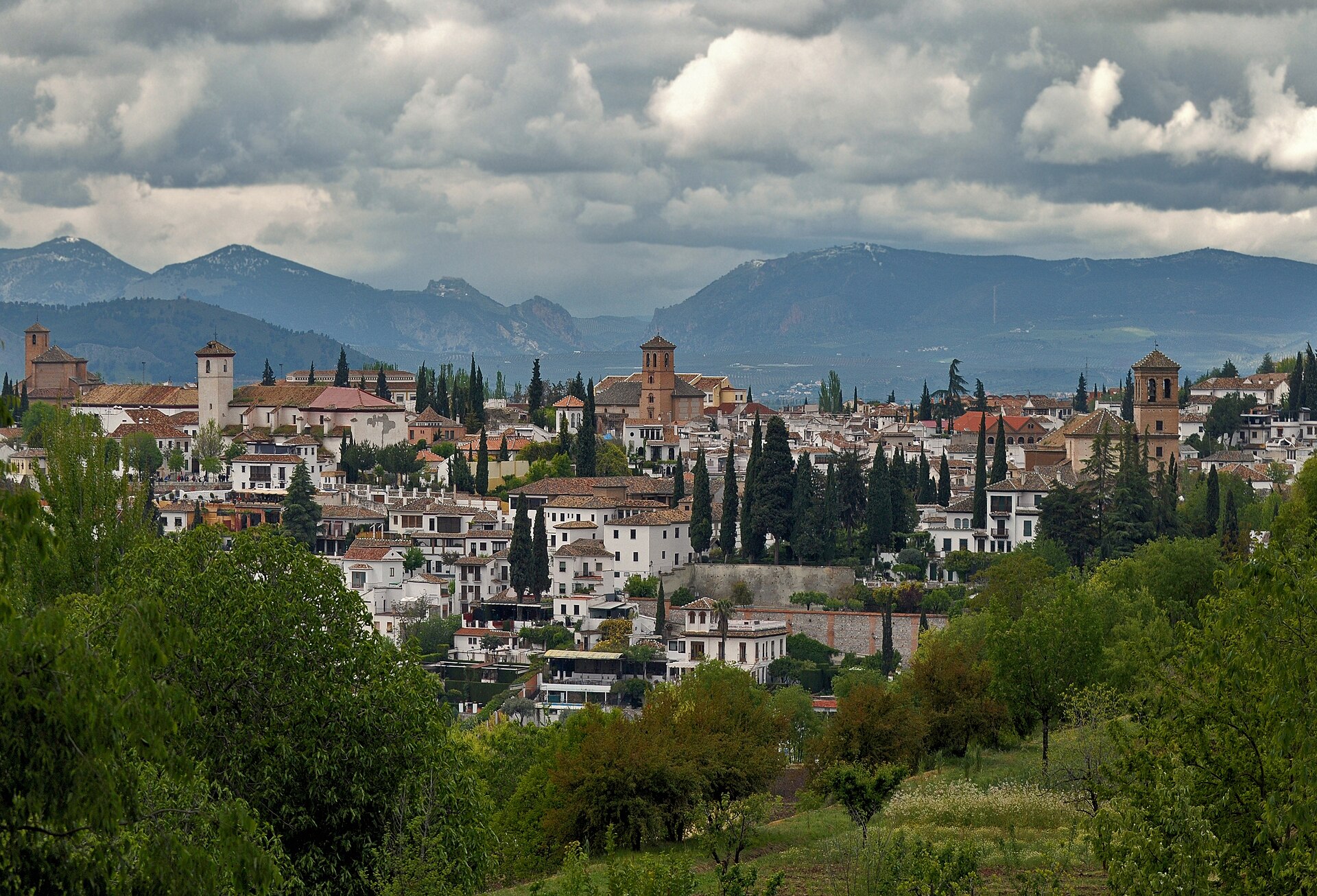
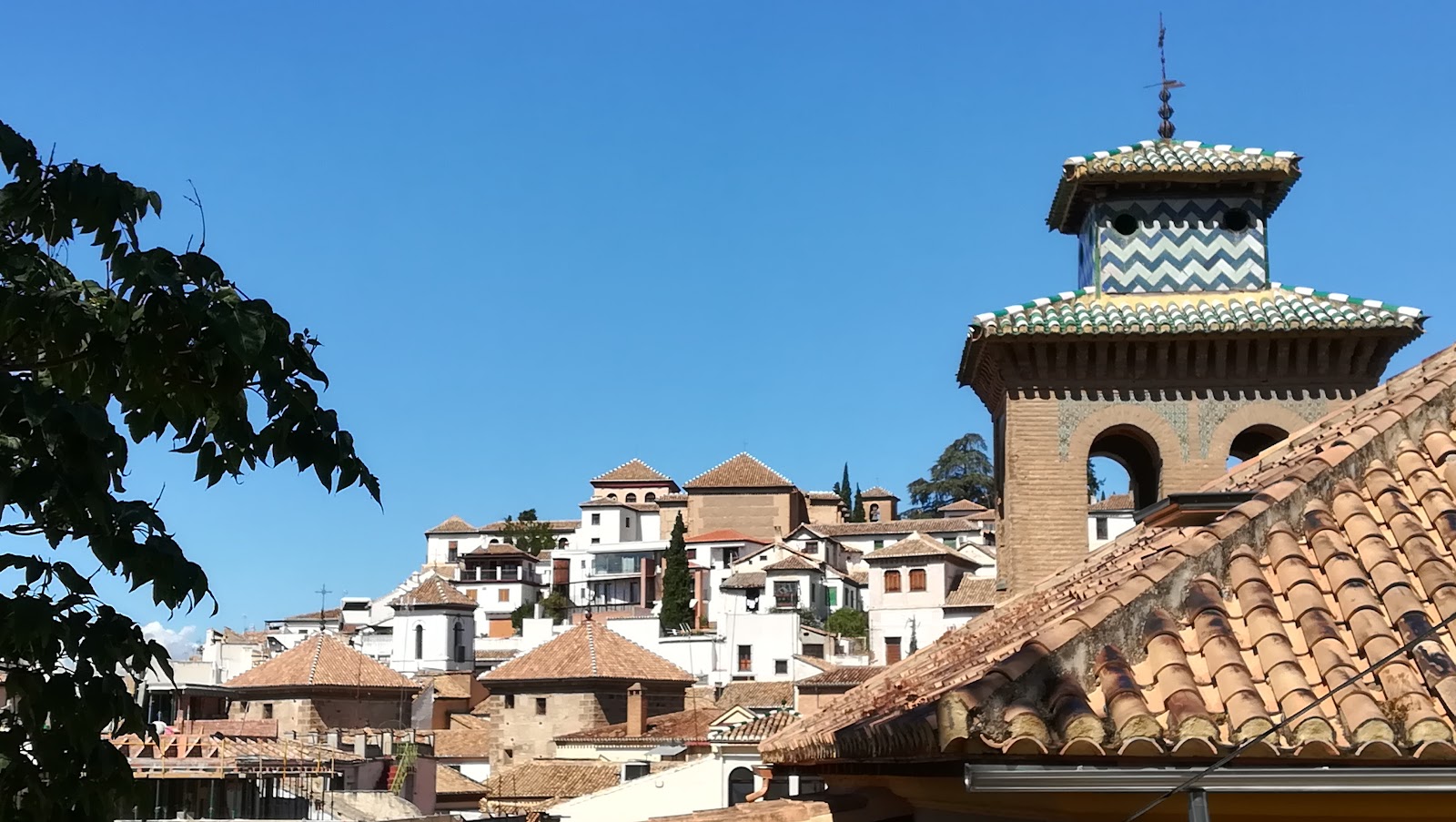
Granada's colonial streetscape runs almost unbroken from Parque Central down Calle La Calzada to the edge of Lake Cocibolca, and that axis tells you most of what you need to know about the city: old stone and faded paint on one end, open water and equatorial light on the other. The cathedral's yellow façade anchors the park; a cemetery from 1830 holds more than ten former presidents; a fortress built in 1748 once guarded the city's gunpowder. Granada is one of the oldest continuously inhabited cities on the American mainland, and it wears that age without apology.
It sits 45 kilometres southeast of Managua, close enough for a day trip but worth more than that. The city is a practical base for Mombacho Volcano, the islands of Lake Cocibolca, and the markets of Masaya — but it earns its own time on the itinerary.
How Granada came to be
Francisco Hernández de Córdoba founded Granada in 1523 on the site of the indigenous town of Jaltepa, making it one of the first European cities established on the American continent. It grew quickly into a regional economic hub — which also made it a target. Pirates raided from the Caribbean repeatedly through the 17th century, and Iglesia de la Merced, originally built in 1539, was destroyed in those attacks before being rebuilt.
The city's most dramatic wound came in 1856–1857, when the American filibuster William Walker made Granada his headquarters, then sacked and burned it as he retreated. Granada was also the historic seat of Nicaragua's Conservative Party, a rivalry with Liberal León so bitter that Managua was founded between them as a compromise capital.
Who and what shaped it
People who shaped it
Landmark buildings
See Granada in motion
Plan your visit
On the map
When to go
Nicaragua has two seasons: a dry season roughly November through April, and a wet season from May through October. Granada sits in the southwest, where the dry months bring reliable sun and cooler evenings — the most comfortable window for walking the city. The wet season brings daily afternoon downpours that clear quickly, and the landscape around Lake Cocibolca turns a deeper green.
Right now
↡ Attractions
Background & history adapted from Wikipedia (CC BY-SA) · specs from Wikidata (CC0) · weather from Open-Meteo · map data © OpenStreetMap contributors · photos from Wikimedia Commons / Unsplash with per-image credit. No third-party reviews or social posts reproduced.