
Cathedral of Granada
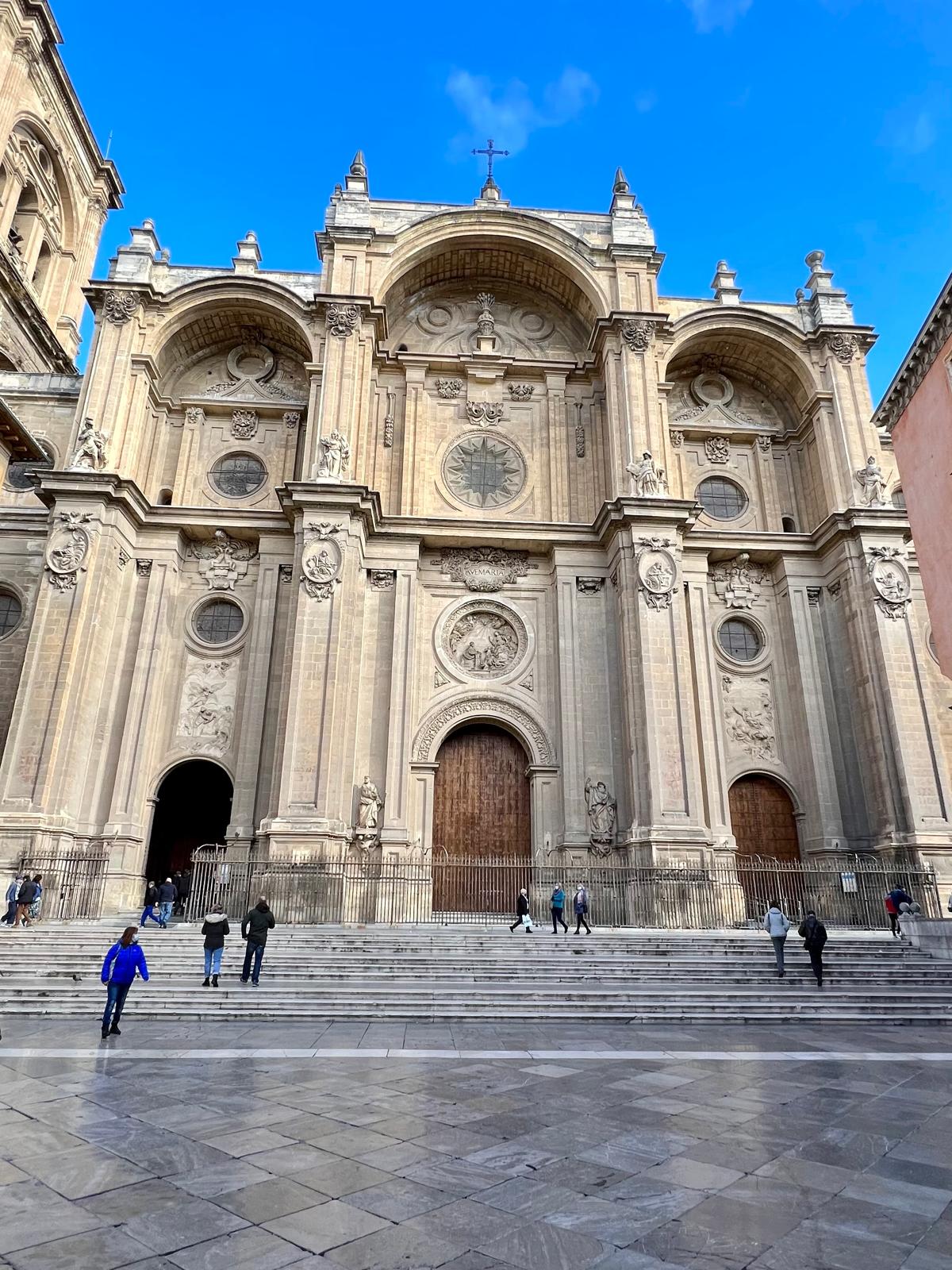
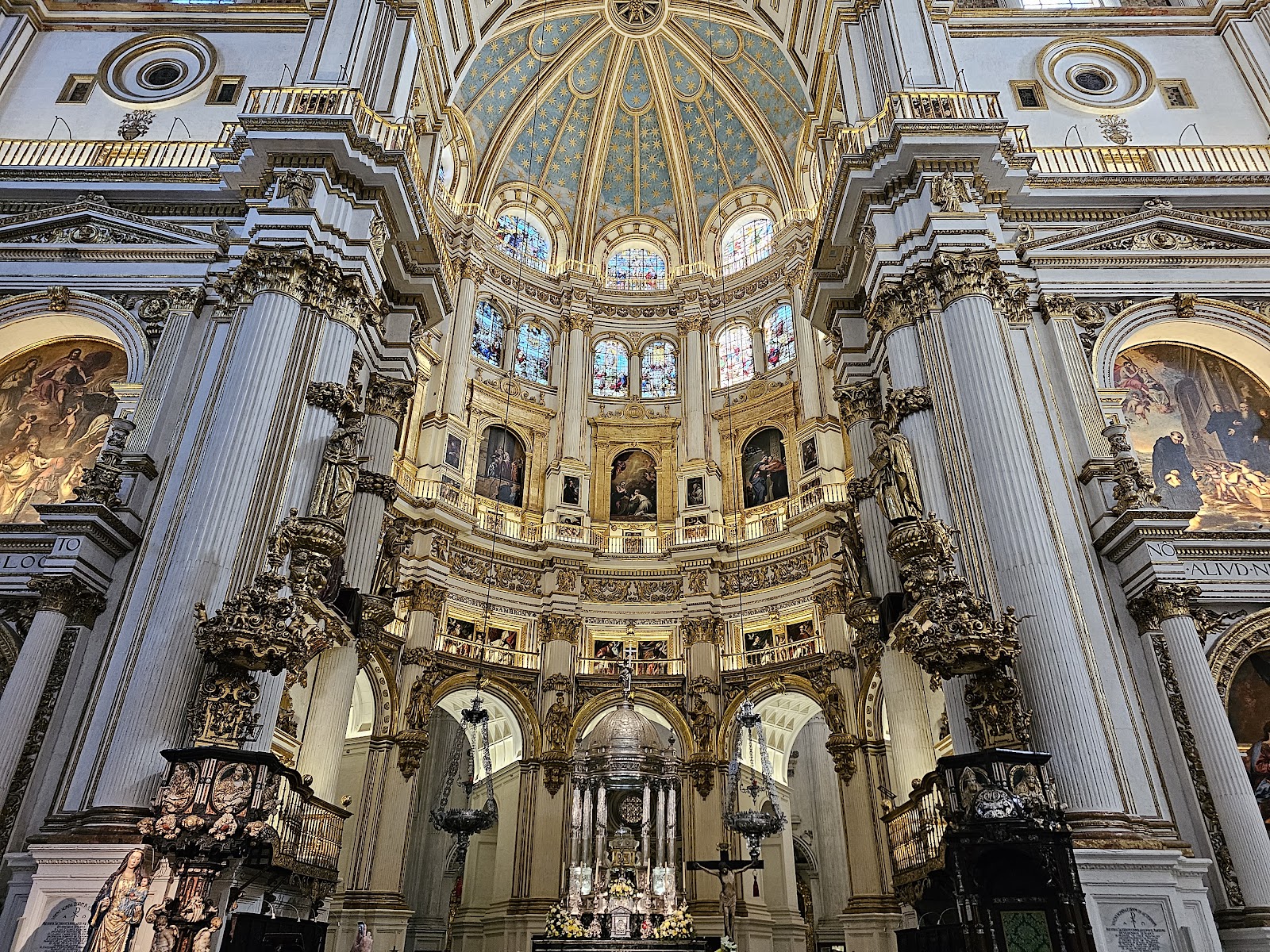
The dome overhead is painted deep blue and scattered with gold stars — not gilded excess, but something almost astronomical, as if the architects wanted the ceiling to feel like night sky rather than stone. The Cathedral of Granada sits at the centre of what was once the city's main mosque, and that layering of histories never quite leaves you as you move through its five naves.
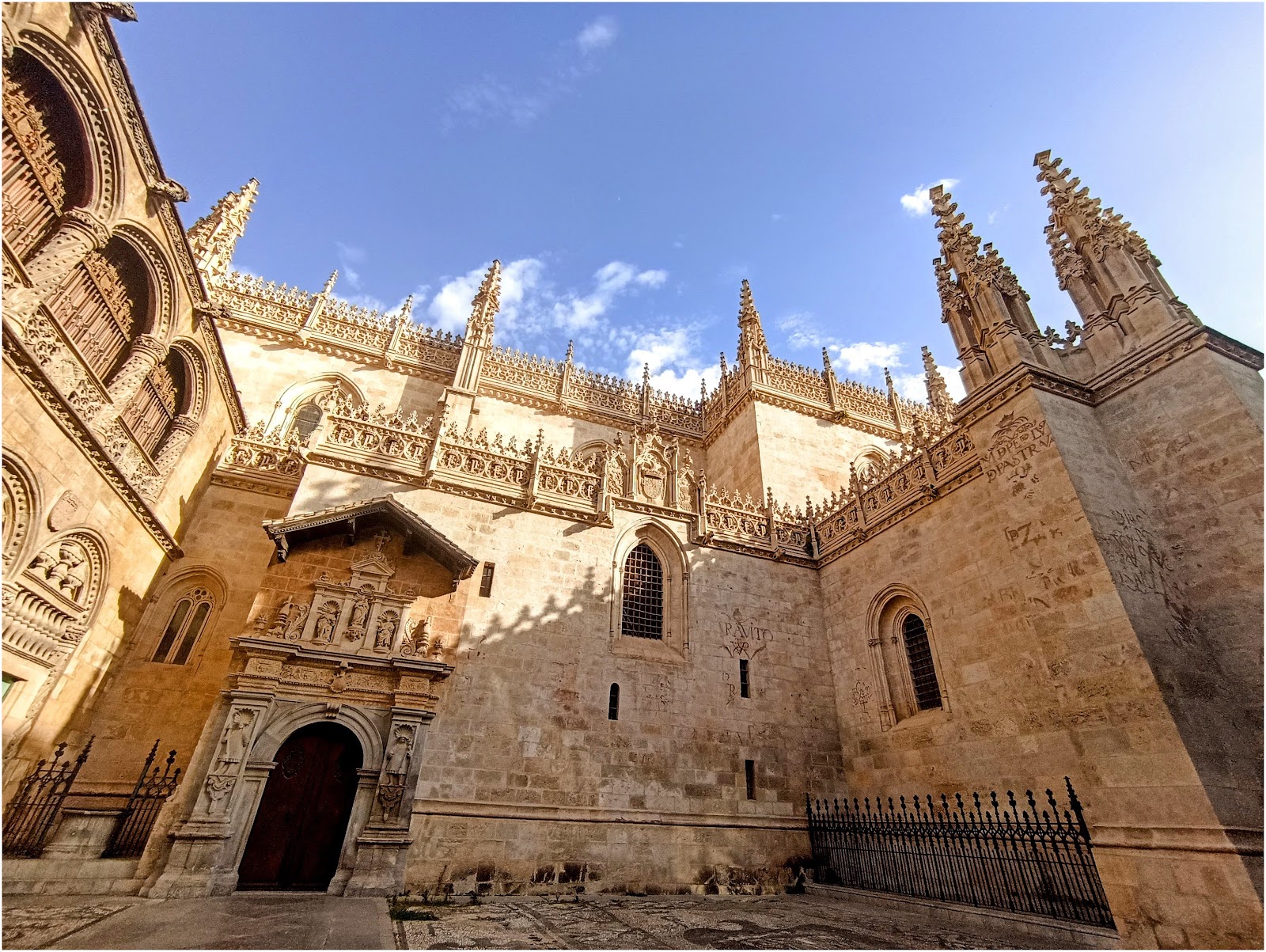
Construction ran from 1518 to 1704 — 181 years, six principal architects, and a shift in vision so complete that the Gothic foundations Enrique Egas laid were eventually overwritten by Diego de Siloé's Renaissance ambition. The result is a building that changed its mind slowly, across centuries.
💛 What travellers fall for
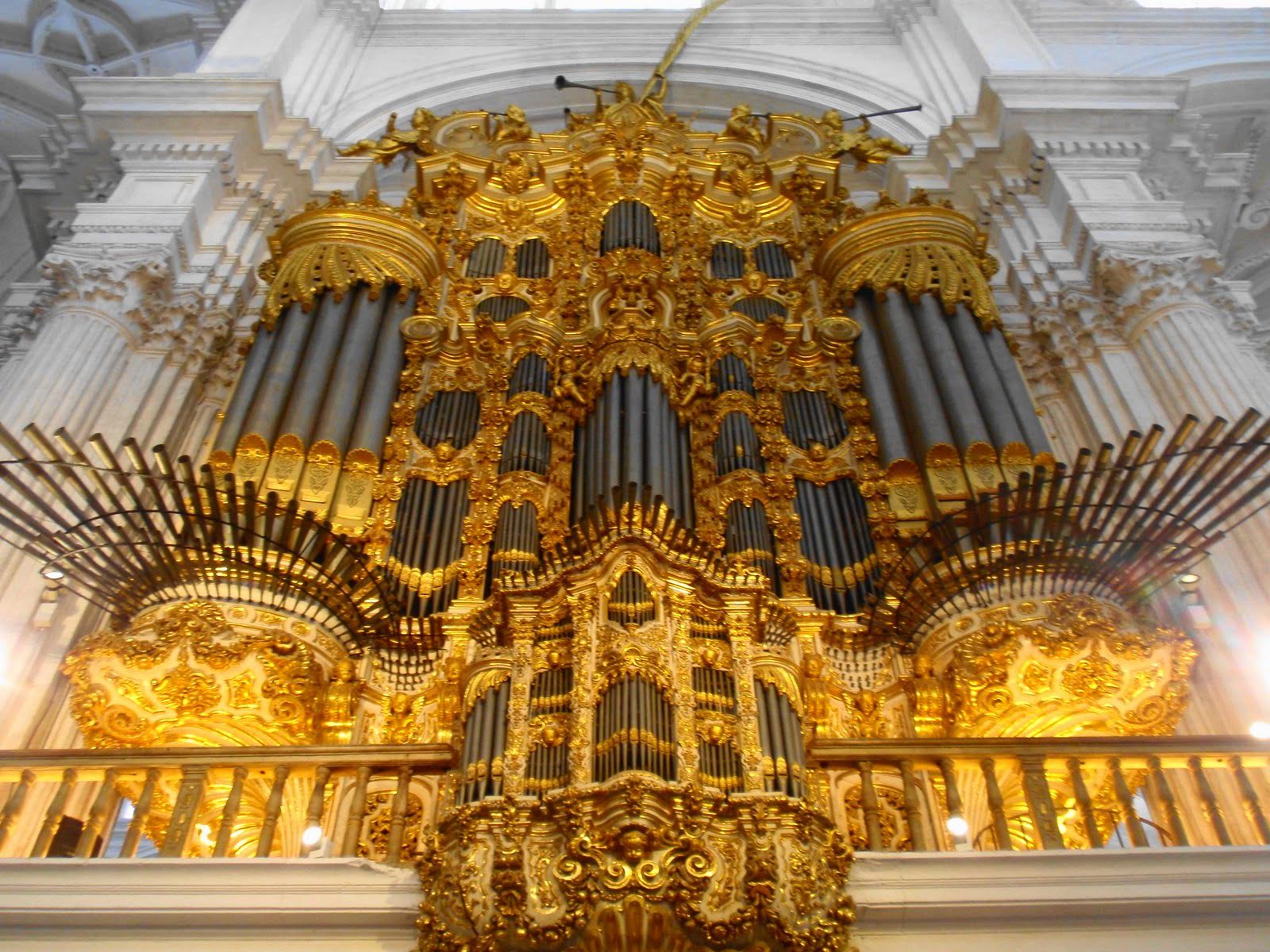
People who come back tend to linger near the organs — both dating to 1744, the epistle-side instrument still running on its original machinery with around 4,000 pipes. The kneeling effigies of Ferdinand and Isabel by Pedro de Mena in the main chapel are smaller and more intimate than you expect, worth a second look once the initial sweep of the nave is done.
The story behind Cathedral of Granada
When the Nasrid kingdom fell to the Catholic Monarchs in 1492, Granada's central mosque was earmarked for a cathedral. Building began in 1518 under Enrique Egas, who planned a Gothic structure in the tradition of the great Castilian cathedrals. By 1529, Diego de Siloé had taken over and redirected the project toward the Italian Renaissance — a circular main chapel, Corinthian columns, a coffered dome. He worked on it for nearly four decades.
The architects who followed — Juan de Maena, Juan de Orea, Ambrosio de Vico — each left their mark across the following century. Alonso Cano reshaped the main façade in 1667, introducing Baroque curves. The attached Sagrario, designed by Francisco Hurtado Izquierdo, was built between 1705 and 1759. One of the two planned towers was never finished: the ground beneath it, sandy river soil from the buried Darro, couldn't bear the weight.
Good to know
Enter from Gran Vía de Colón, a one-minute walk from the Catedral bus stop. General admission is €6.50, free for under-12s. The Royal Chapel next door requires a separate ticket. Sunday opening is afternoons only (15:00–18:15). Budget roughly an hour. No flash photography.
Where is Cathedral of Granada?
More tickets & tours for Cathedral of Granada
Book directly at the provider
What travellers say about Cathedral of Granada
We almost skipped Granada Cathedral because we had already visited several churches during our trip through Spain. I’m so glad we didn’t. The cathedral is absolutely breathtaking. Every corner has something beautiful to look at, and the ceilings and architecture are the kind that make you stop mid-conversation and just stare for a minute. One of the coolest surprises was the Semana Santa exhibit inside. Seeing the religious figures, robes, and pieces used during the Holy Week processions gave us a whole new appreciation for this tradition. A few helpful things to know before you go: • They offer student discounts. • No luggage or large backpacks are allowed inside. • Plan for more time than you think you’ll need. Pro Tip: Look up the opening hours before you go and visit when it’s less crowded. The details inside are incredible, and you’ll enjoy it so much more if you’re not being shuffled along with a big group. If you’re visiting Granada and wondering if it’s worth it, the answer is 100% yes. It’s one of those places that makes you feel connected to the history, culture, and faith that have shaped Spain for centuries. 🇪🇸✨
A beautiful cathedral located right in the heart of Granada. The interior is spacious, bright, and impressive without feeling overwhelming. Easy to combine with a walk around the historic center, and definitely worth a short visit if you’re exploring the city.
The experience is beautiful the cathedral is humongous. Huge pillars , big ORGAN with almost 4000 pipes and tall but simple ceiling but awesome stained glass work. Altar is also very beautiful but if compared with SAN JERONIMO , it’s okey. Not as grand altar as JERONIMO. But the ORGAN music is just Wao. One can listen to it for hours. Very soothing and relaxing. But the structure here is huge. Pillars are so big and humongous the it left as gaping at them. Definitely worth visiting
Extraordinarily detailed, enormous, and peaceful. It was a beautiful experience to be in this outstanding cathedral. We were inside for almost two hours. This is a gorgeous home for worship, especially during a summer’s day. If you’re visiting the amazing city of Granada, definitely add this cathedral to your to-visit list. There is also a wonderful little gift shop inside.
You can get this combo'ed with royal chapel and some other sites. Download the audio guide before you get here (install the app). You can get tickets in the morning or the afternoon as they close mid day. I wouldn't necessarily say it's a must do if you've been to other Spanish cathedrals. The royal chapel is more interesting instead.
More of Granada
Discover where to stay, what to do and the best deals for your trip.
Explore Granada →More attractions in Granada
All of Granada →
Background adapted from Wikipedia (CC BY-SA) · map data © OpenStreetMap contributors · ratings & place photos via Google · other photos with per-image credit. Ticket links may earn us a commission at no extra cost to you.