
Alhambra
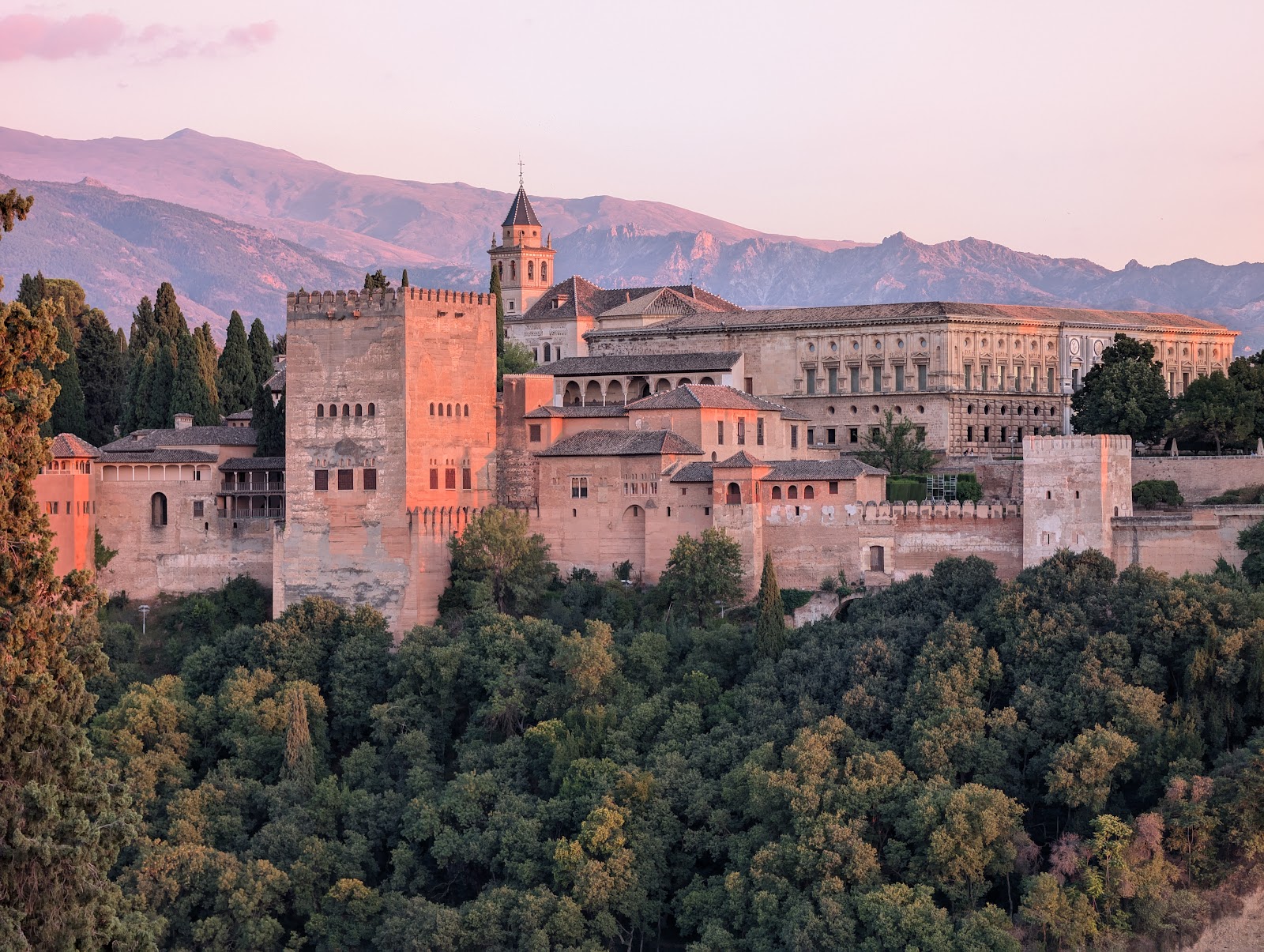
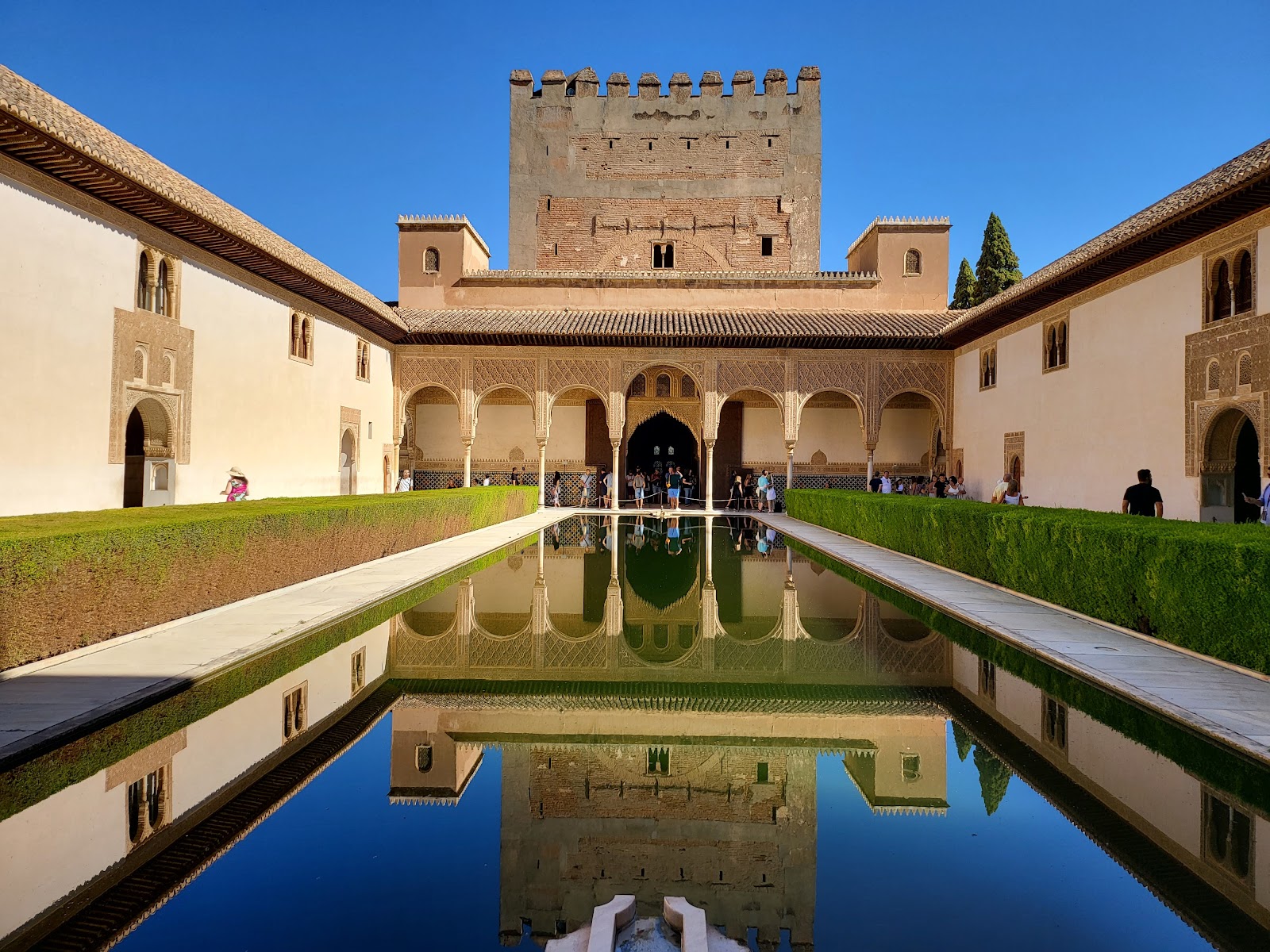
The Alhambra sits on Sabika hill above Granada, a red-walled city-within-a-city that covers 35 acres of the Sierra Nevada's lower slopes. From a distance it reads as a fortress. Step inside and the scale shifts entirely: here are palaces built around silence and water, their ceilings carved into stalactite vaults, their courtyards arranged so that a pool of still water doubles the sky.
Muhammad I Ibn al-Ahmar began building here in 1238, and the Nasrid rulers who followed him — particularly Yusuf I and Muhammad V in the 14th century — turned the hilltop into one of the most elaborately considered complexes in the medieval world. The Alhambra Decree was signed here in 1492. So was the contract that sent Columbus west.
💛 What travellers fall for
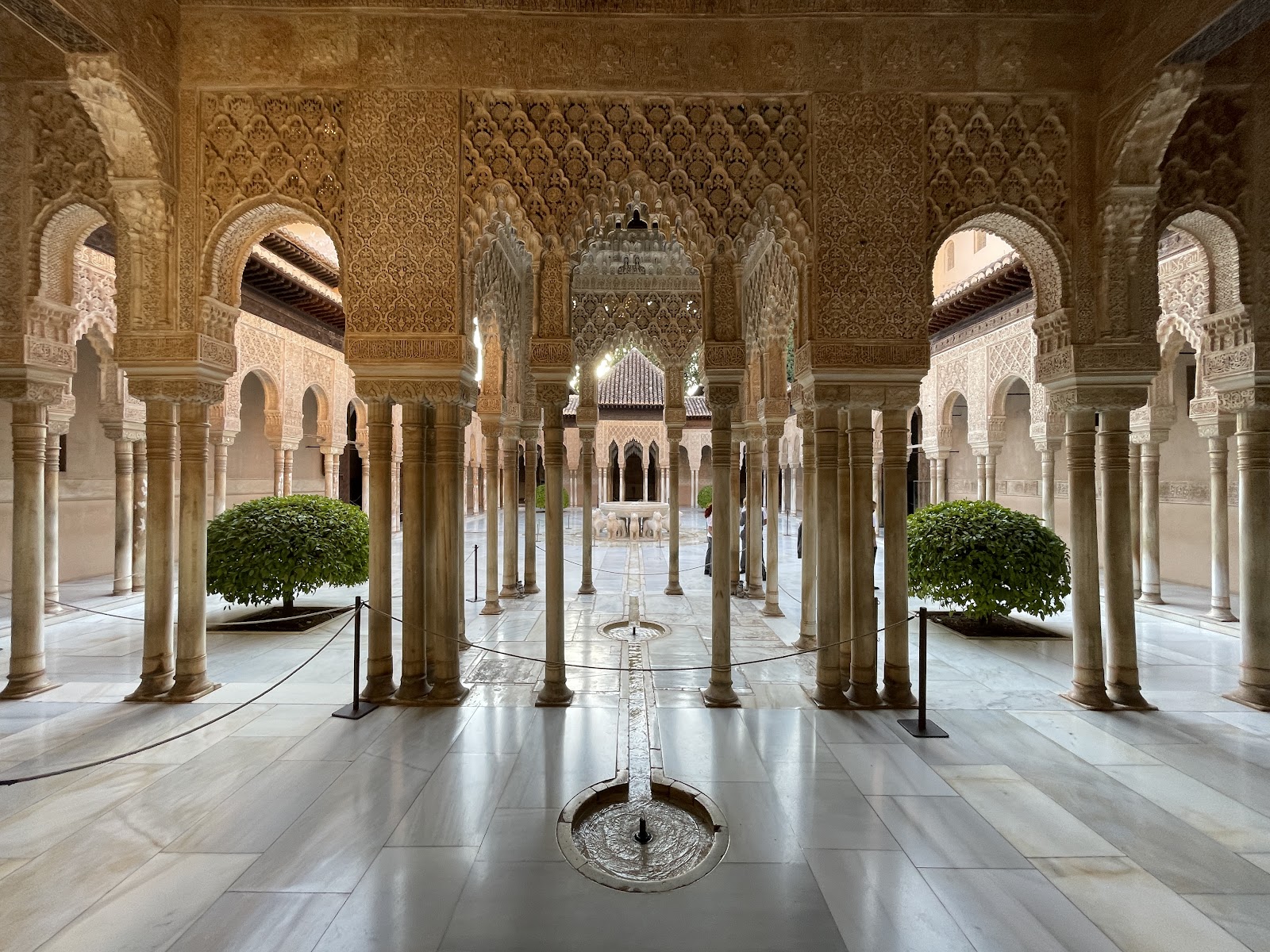
Regulars book the timed entry for the Nasrid Palaces as early in the morning as possible — the light in the Patio de los Leones is different before midday, and the crowds haven't yet compressed into the corridors. They also note that admission to the Charles V Palace and the Alhambra Museum is free, and worth the extra hour.
The story behind Alhambra
Construction began in 1238 when Muhammad I Ibn al-Ahmar, founder of the Nasrid Emirate of Granada, chose Sabika hill — already the site of earlier fortresses and an 11th-century palace — for his new seat of power. The complex grew across generations, but the reigns of Yusuf I and Muhammad V in the 14th century produced its defining spaces: the Comares Palace, the Palace of the Lions, the hammams, the mosque, and an elaborate water system that fed it all.
In 1492 the Catholic Monarchs Isabella and Ferdinand moved in, and it was in the Hall of Ambassadors that Columbus presented his Atlantic plans before the contract was signed on 17 April. Charles V later demolished part of the complex to build his own palace. The French blew up sections of the fortress during their occupation. Serious restoration only began in the 19th century, and in 1984 the site was listed as a UNESCO World Heritage Site.
Good to know
Book tickets online before midnight the day prior — slots for the Nasrid Palaces sell out weeks ahead. The C30 bus runs from Isabel La Católica square; on foot, Cuesta de Gomérez from Plaza Nueva through the Alhambra wood is the better approach. Allow at least three hours.
Summers on the hill are hot and dry — July averages 26°C and the sun is direct. Spring and autumn offer the most comfortable conditions for walking the site's full length. January averages 7.5°C, and the Sierra Nevada behind the Alhambra holds snow well into spring, which makes for a particular view from the upper ramparts.
Where is Alhambra?
More tickets & tours for Alhambra
Book directly at the provider
What travellers say about Alhambra
The Alhambra is one of those rare places that seems slightly unreal even while you are standing inside it. Every courtyard, arch and carved wall appears designed by someone who believed geometry could calm the human soul. And somehow, centuries later, it still does. The Generalife gardens are perhaps the true luxury here — not flashy, not loud, simply elegant in that very Andalusian way: water, shade, silence, cypress trees, and the distant outline of Granada shimmering below. One almost expects a philosopher in linen robes to appear around the corner and quietly ruin your sense of modern urgency. Of course, modern urgency arrives anyway in the form of crowds. The Alhambra is astonishingly popular, and rightly so, but the experience occasionally resembles an airport designed by medieval poets. Tickets vanish weeks in advance, security checks are strict, and timing matters with military precision. Arrive unprepared and you may spend more time refreshing booking pages than admiring Moorish ceilings. Compared with Seville’s Alcázar, the Alhambra feels grander, more monumental — less intimate perhaps, but undeniably more cinematic. It doesn’t merely decorate the hill above Granada; it dominates it with quiet confidence. A place that reminds you civilisation once valued beauty as seriously as power. Perhaps that is why everyone keeps coming back.
Beautiful. I definitely recommend it. If you want to avoid the crowds (which is probably not possible), plan a visit outside the main summer season. Allow a few hours. The complex is well marked, the toilets are clean. Parking can be a problem.
The Alhambra is absolutely worth both the money and the time. The stunning Moorish architecture, intricate details, beautiful gardens, and breathtaking views over Granada make it one of the most impressive historical sites in Spain. Every corner feels like a masterpiece, and it’s easy to spend 3–4 hours exploring without getting bored. Although tickets can be expensive and you should book well in advance, the experience is unforgettable. If you enjoy history, architecture, or photography, the Alhambra is a must-visit destination. It exceeded my expectations and was one of the highlights of my trip to Spain. I would definitely recommend it to anyone visiting Granada.
Alhambra Granada is absolutely worth the visit. Try to go early, as the heat of the day can make it a little overwhelming, along with the large number of tourists visiting this massive attraction. This was part of our Luxury Gold travel tour and having a guide really enhanced the experience. Allow around 3 hours to properly explore and take in the incredible architecture, gardens, and history. A truly unforgettable experience in Spain.
Fabulous day out, busy but not over crowded, beautiful gardens and buildings, could do with a large cafe/dining area. Allow a full day to enjoy everything, we did Alhambra one day and Granada on another visit. ENSURE YOUR BOOK EARLY.
More of Granada
Discover where to stay, what to do and the best deals for your trip.
Explore Granada →More attractions in Granada
All of Granada →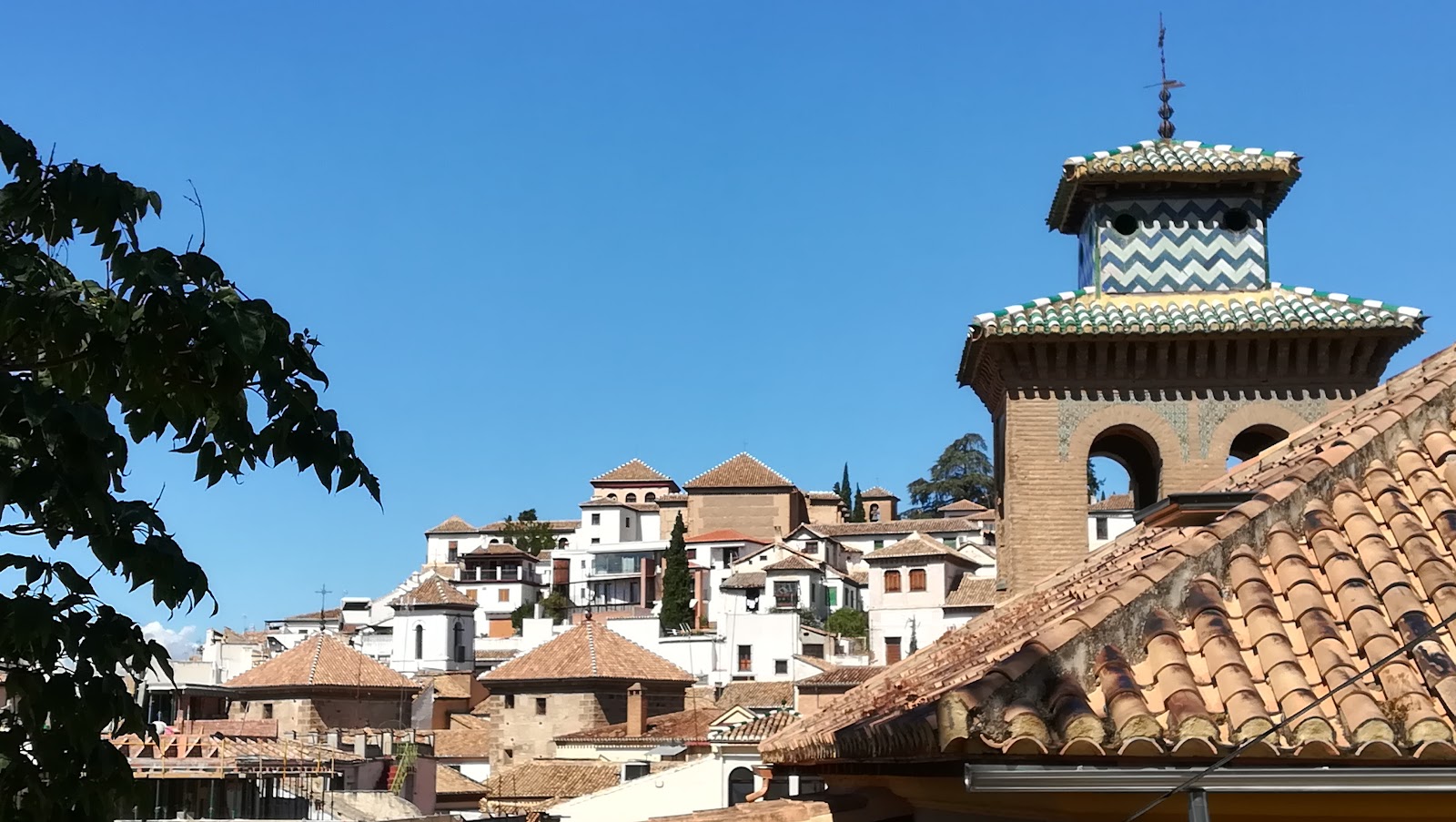
Background adapted from Wikipedia (CC BY-SA) · map data © OpenStreetMap contributors · ratings & place photos via Google · other photos with per-image credit. Ticket links may earn us a commission at no extra cost to you.