
Sacromonte
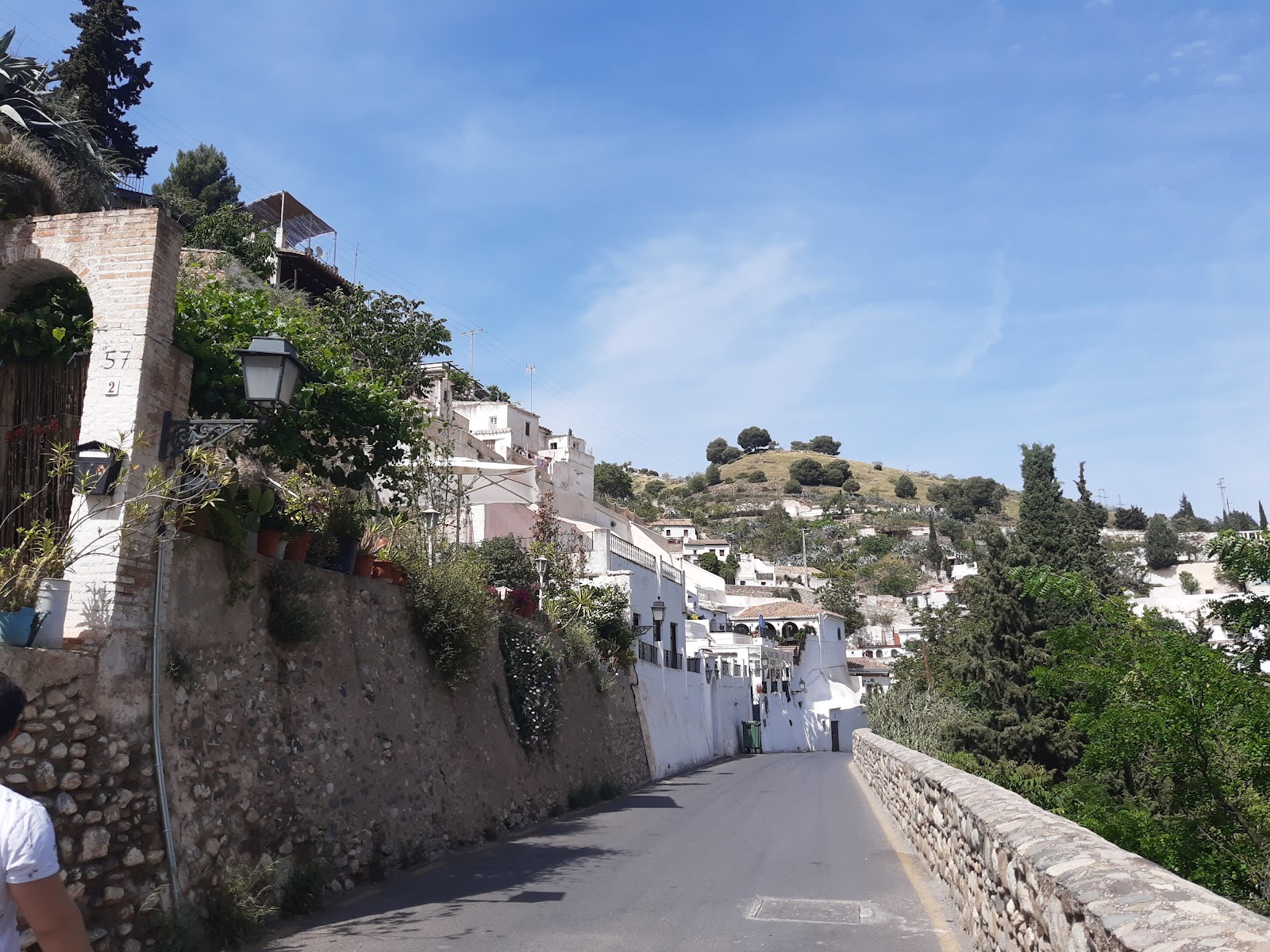
The road up to Sacromonte climbs east out of Granada past whitewashed walls and prickly pear, and at some point the city you came from feels genuinely far away. This is the neighbourhood the Romani settled after the Christian conquest of 1492, carving homes into the soft tufa hillside — cave houses that stayed cool in summer and held heat through winter. Around 1,500 of them were occupied at the neighbourhood's peak in the 1960s.
Today the Camino del Sacromonte is lined with zambras — flamenco venues in those same caves — and the Abbey of Sacromonte sits at the top, its 17th-century stone holding a carved Christ and a story involving relics, forgeries, and an archbishop who believed anyway.
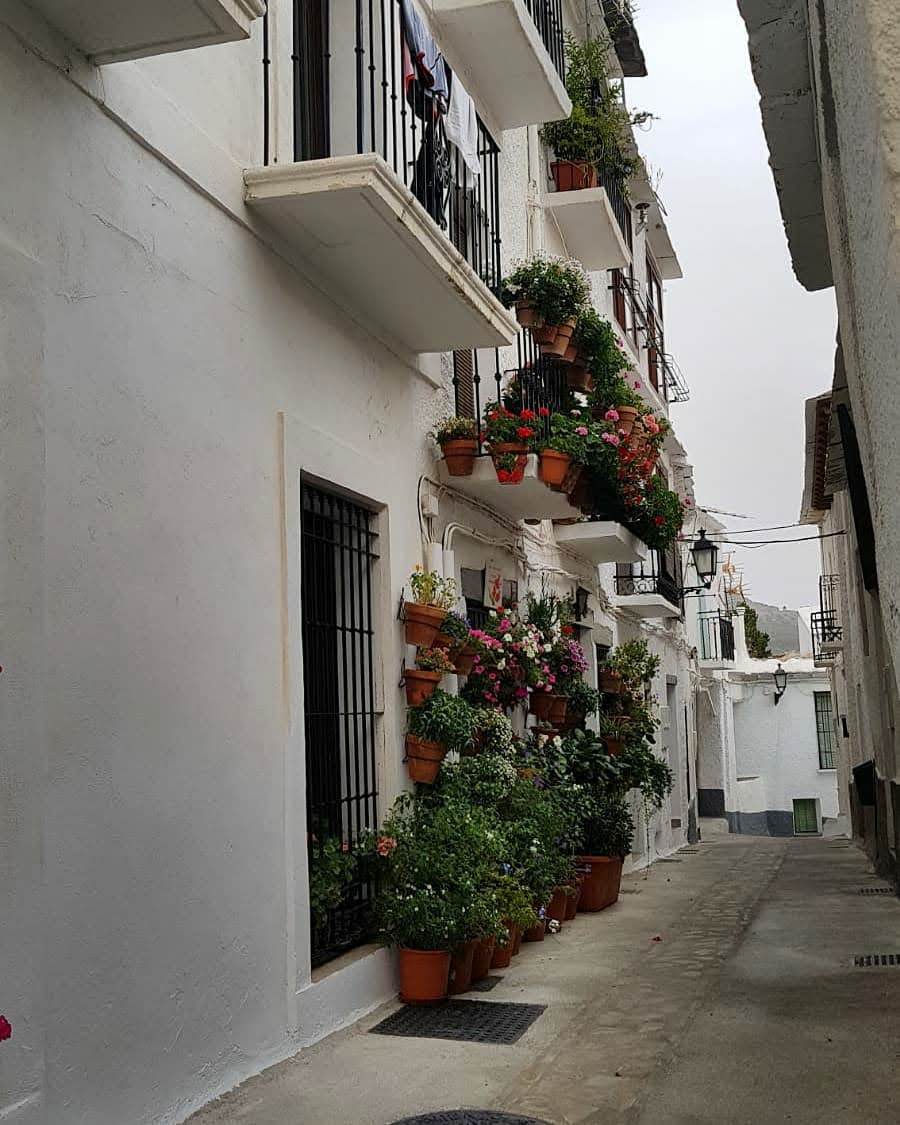
💛 What travellers fall for
People who come back tend to time it around the guided tour at the Abbey — mornings are quieter and the catacombs feel properly atmospheric before the afternoon groups arrive. The Caves Museum on the lower slopes rewards a slow look: the forge cave and the loom cave together tell you more about daily Romani life here than any signboard.
The story behind Sacromonte
In February 1595, workers on the hill of Valparaíso uncovered what were claimed to be the remains of St. Cecilius, the first bishop of Granada. Over the following years a series of lead books surfaced nearby, purportedly early Christian texts — later declared forgeries by Rome, though that verdict arrived only after Archbishop Don Pedro de Castro had already founded the Abbey in 1600 to house the relics and anchor religious life on the hill. Construction began in earnest in 1609 under Jesuit brother Pedro Sánchez, and by 1610 the complex had established one of the first university colleges in Europe.
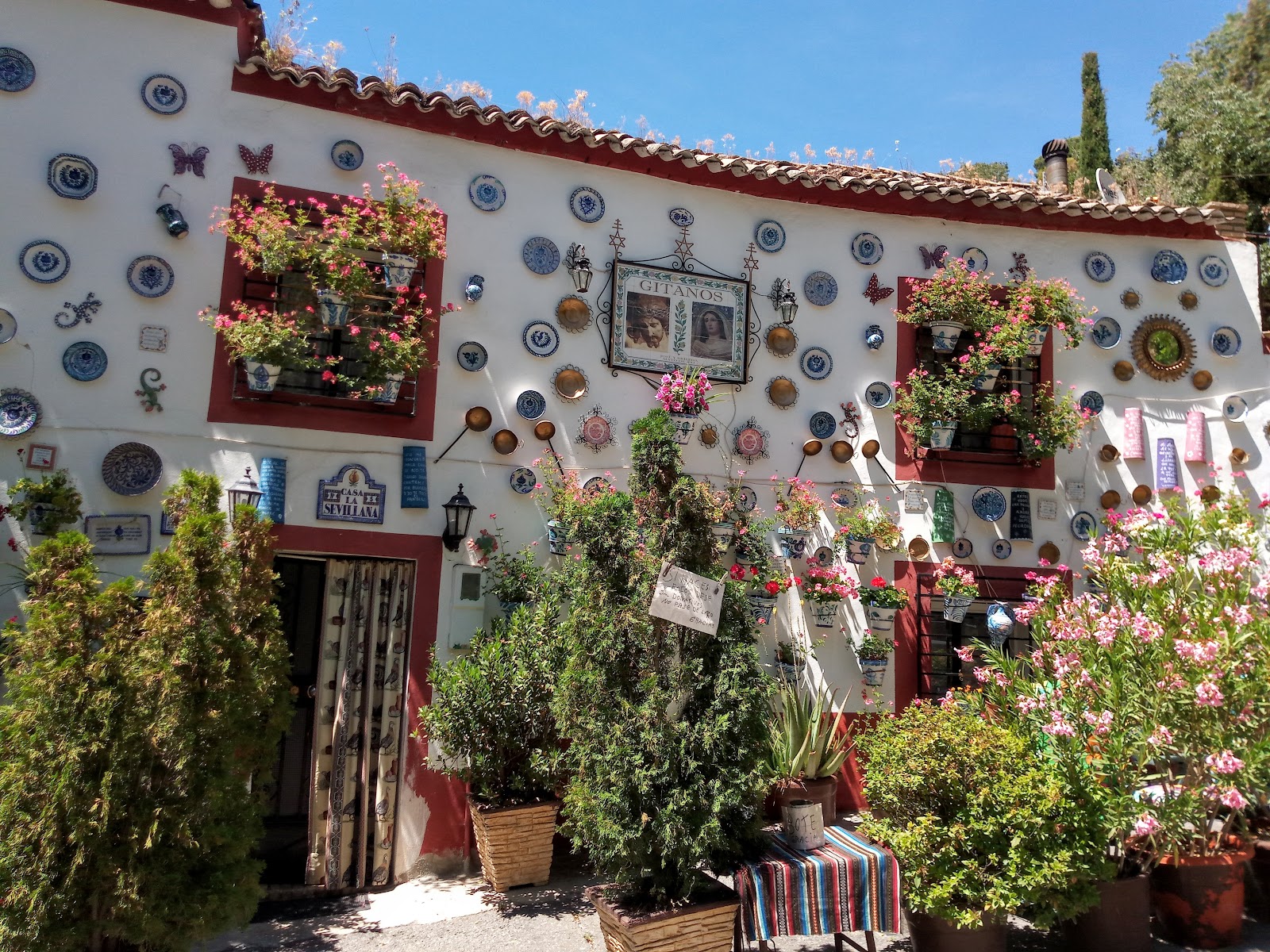
The cave-dwelling community below had its own parallel story. After the expulsions of Jewish and Muslim populations, Romani families settled the slopes and the neighbourhood became, over centuries, the heartland of Granadan flamenco. In the early 20th century, Don Andrés Manjón founded the Escuelas del Ave María on the hill to educate Romani children. The Cueva de la Rocío, still operating today, was founded in 1951 by Andrés Maya Fajardo and Rocío Fernández Bustamante.
Good to know
Bus C34 from Plaza Nueva runs every 15 minutes and takes about 10 minutes — ride up, walk back down. The Abbey requires a guided tour (€5, bookable in advance); the Art Abbey option costs €12 and needs 48-hour pre-booking. Mid-April to mid-May and mid-September to mid-October are the most comfortable windows.
Spring (mid-April to mid-May) and early autumn (mid-September to mid-October) offer the easiest conditions — warm days without July's heat, which can reach 26°C. Evenings cool quickly year-round, and the walk back down from the Abbey in January can feel properly cold, so a layer is worth carrying whatever the forecast says.
Where is Sacromonte?
Location
- In Granada
- 37.1833, -3.5847
- Open in Google Maps
More tickets & tours for Sacromonte
Book directly at the provider
More of Granada
Discover where to stay, what to do and the best deals for your trip.
Explore Granada →More attractions in Granada
All of Granada →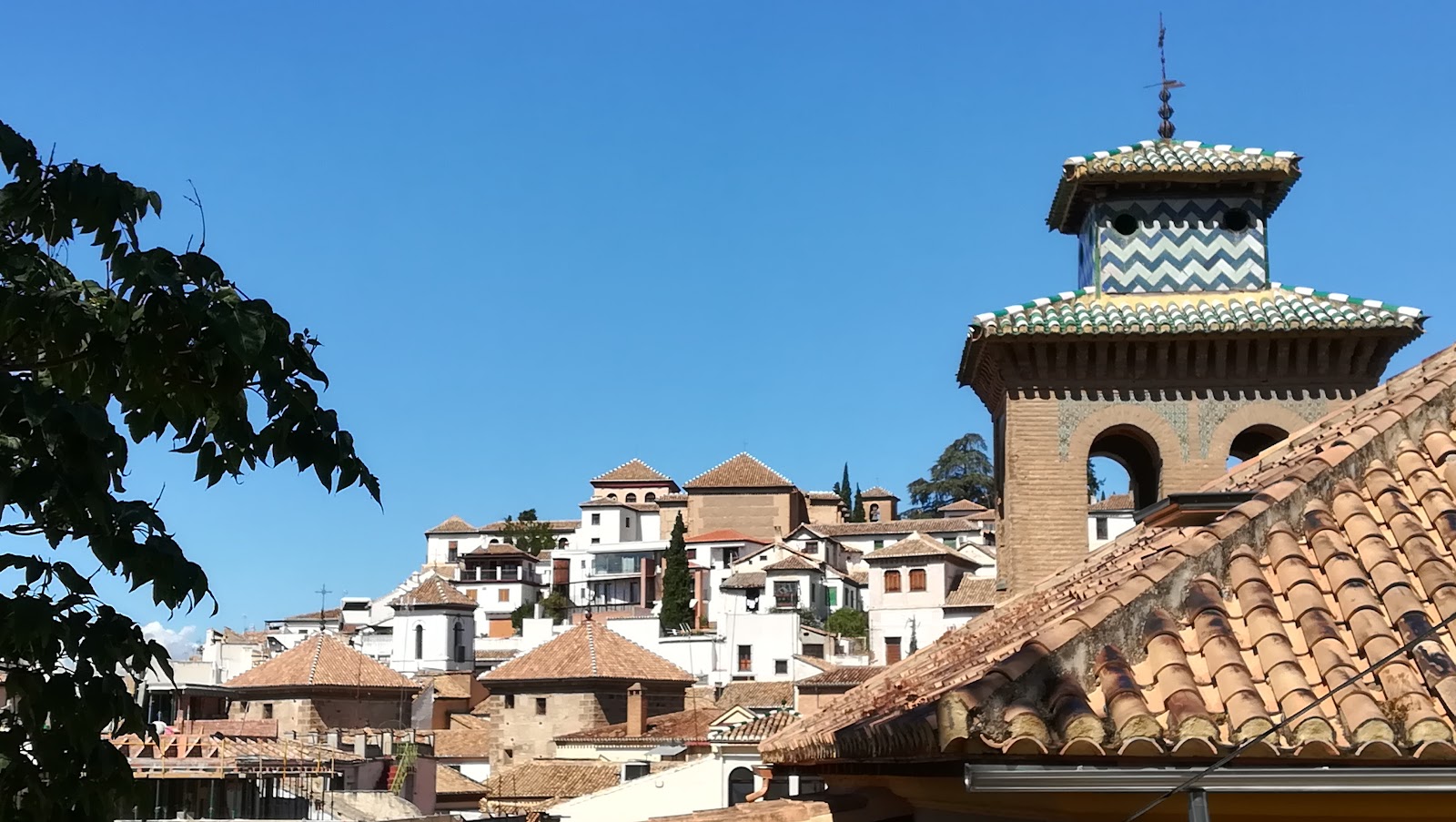
Background adapted from Wikipedia (CC BY-SA) · map data © OpenStreetMap contributors · ratings & place photos via Google · other photos with per-image credit. Ticket links may earn us a commission at no extra cost to you.