
Alcaicería
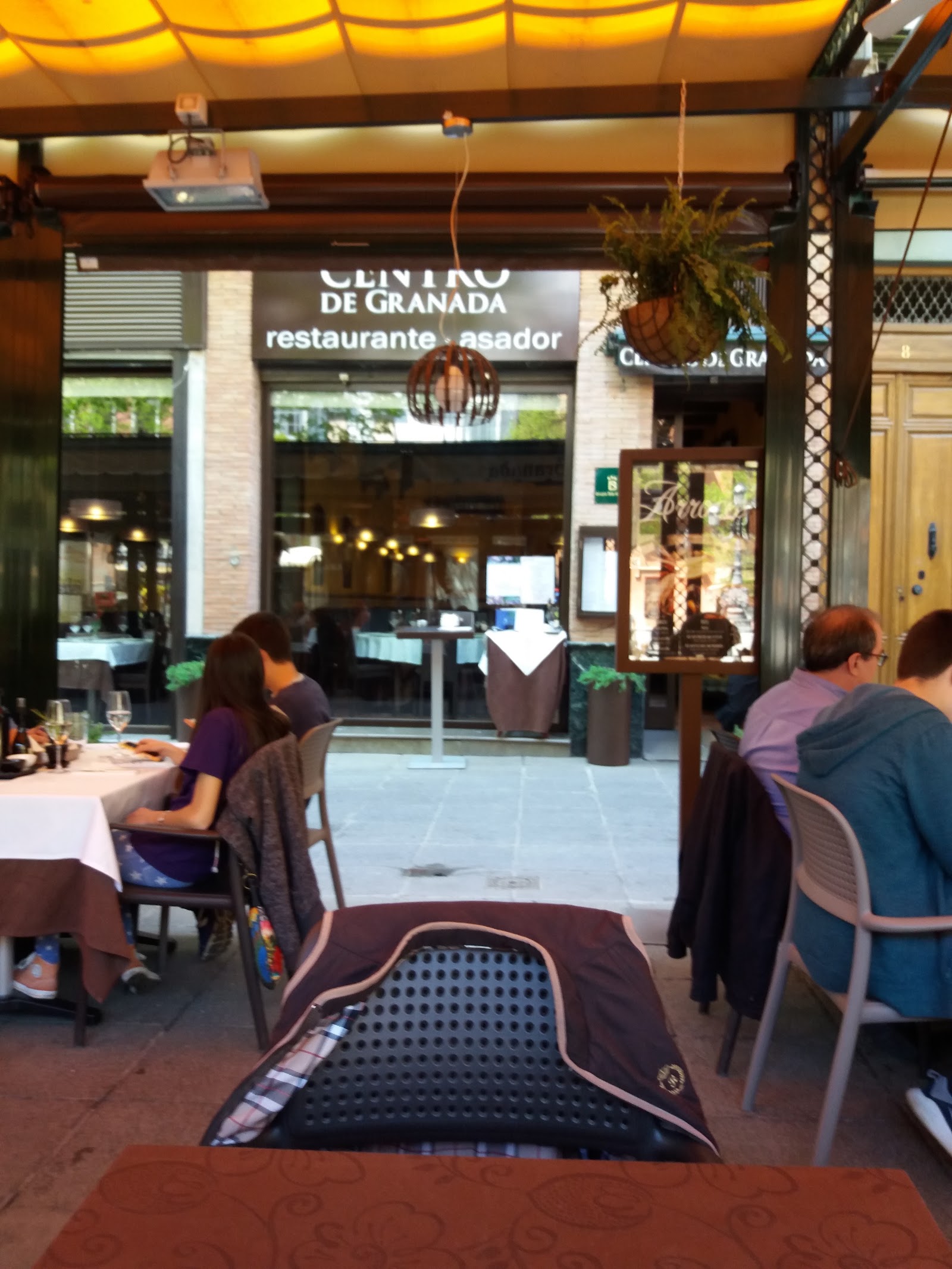
The Alcaicería is easy to walk through in twenty minutes, but the streets slow you down. Red-painted archways open onto narrow passages where wooden inlay boxes and hand-painted ceramics crowd the stalls, and the geometry of the Nasrid-style brickwork overhead is close enough to touch. What you're walking through is a reconstruction — the original burned to the ground in 1843 — but the lanes are still deliberately tight, a design inherited from the medieval silk bazaar that once occupied nearly 4,600 square metres of this same city block.
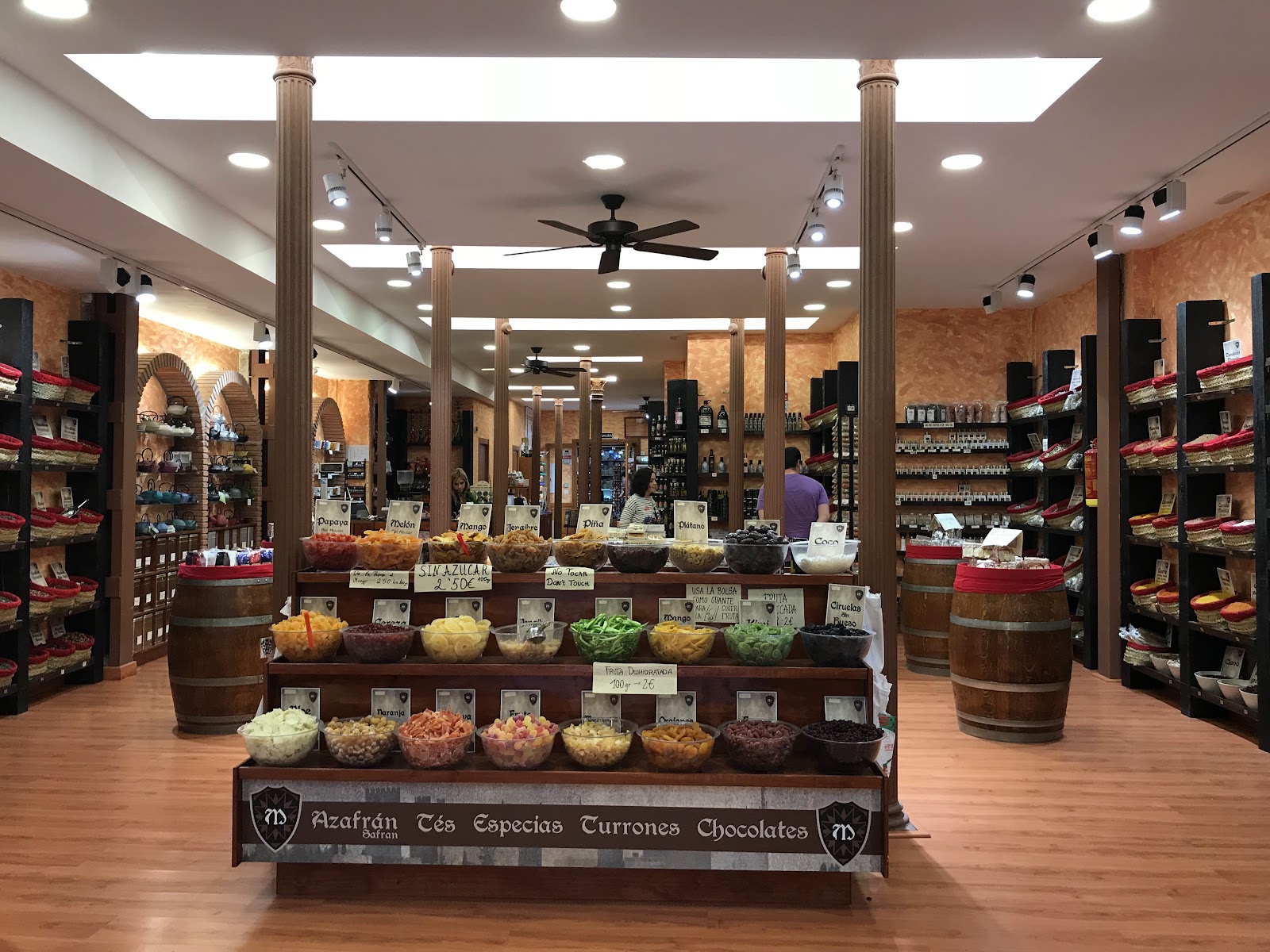
Today the market runs daily between the Cathedral and Plaza de Bibarrambla, selling the things Granada has made for centuries: Fajalauza ceramics in cobalt and green, taracea marquetry boxes, and the stained-glass farolas that glow amber in the afternoon light.
💛 What travellers fall for
People who come back tend to head straight for the taracea shops rather than the stalls nearest the Cathedral entrance, where the tourist pressure is highest. The wooden inlay work — chessboards, small writing desks, jewellery boxes — varies considerably in quality and price, and a slow look at the joinery tells you more than the asking price does.
The story behind Alcaicería
The Alcaicería began as a royal silk market during the Nasrid period, founded in the 14th century and reorganised under the emir Yusuf I, who also built the adjacent Madrasa al-Yusufiyya and a caravanserai nearby. At its peak, the bazaar held over 150 shops, each with a red ochre door that tilted upward to form a rain awning over the silk. Nine gates sealed the complex at night, and a resident warden — the alcaide — oversaw inspectors, guards, and quality controls.
After the Catholic Monarchs took Granada in 1492, the Spanish crown kept the market running. Then, on 20 July 1843, a fire starting in a match shop on Calle Mesones destroyed it entirely. The reconstruction, in which architect Juan Pugnaire took part, shrank the footprint considerably and replaced the original streets with a Romantic Neo-Moorish pastiche — handsome, but a different thing altogether.
Good to know
Bus lines 4, 8, 11, and C31–C34 stop on Gran Vía, a short walk away. Shops open daily 10:00–21:00, though Sunday afternoon hours are reduced in summer and from January through mid-March. Entry is free; individual stalls set their own prices. Watch your pockets — the area attracts pickpockets.
Where is Alcaicería?
More tickets & tours for Alcaicería
Book directly at the provider
What travellers say about Alcaicería
a charming and historic market. The narrow streets are full of small shops selling traditional crafts, souvenirs, ceramics, scarves, and handmade items. The area has a beautiful Andalusian atmosphere. A lovely place to walk, shop, and experience the cultural spirit of Granada.
Very interesting historical lane. Supposed to be old silk bazar of grana but now souvenir shops are in abundance. Two squares in this whole lane is very intriguing. Some shops are genuinely selling beautiful handicrafts but with so many regular souvenir shops. It’s confusing and also doubtful. But one visit is must. Also very close to TEA lane.
This is where the old silk market stood. It is filled with historic symbols, architecture and great stories. As a “shopping center” it has a couple of high end shops but it is mostly tourist items - leather goods, cultural clothing, inexpensive jewelry, pottery, etc. it is definitely worth visiting but maybe with a tour guide who can give the remarkable history of the area.
The Alcaicería has an interesting and historic-looking buildings, but beyond that there’s not much to offer. The area is filled with souvenir shops selling very similar items, nothing particularly unique. Worth a quick walk-through for the architecture, but don’t expect much more than standard tourist souvenirs.
A very beautiful traditional market with a touch of historical Islamic era. I love the Moroccan vibes of this market. There are so many items from clothes to colorful trinkets & souvenirs. The prices are a bit expensive for certain items. I would suggest Medina gift shop nearby if you are looking for tshirt/trinkets/small souvenirs at affordable prices.
More of Granada
Discover where to stay, what to do and the best deals for your trip.
Explore Granada →More attractions in Granada
All of Granada →
Background adapted from Wikipedia (CC BY-SA) · map data © OpenStreetMap contributors · ratings & place photos via Google · other photos with per-image credit. Ticket links may earn us a commission at no extra cost to you.