
Generalife
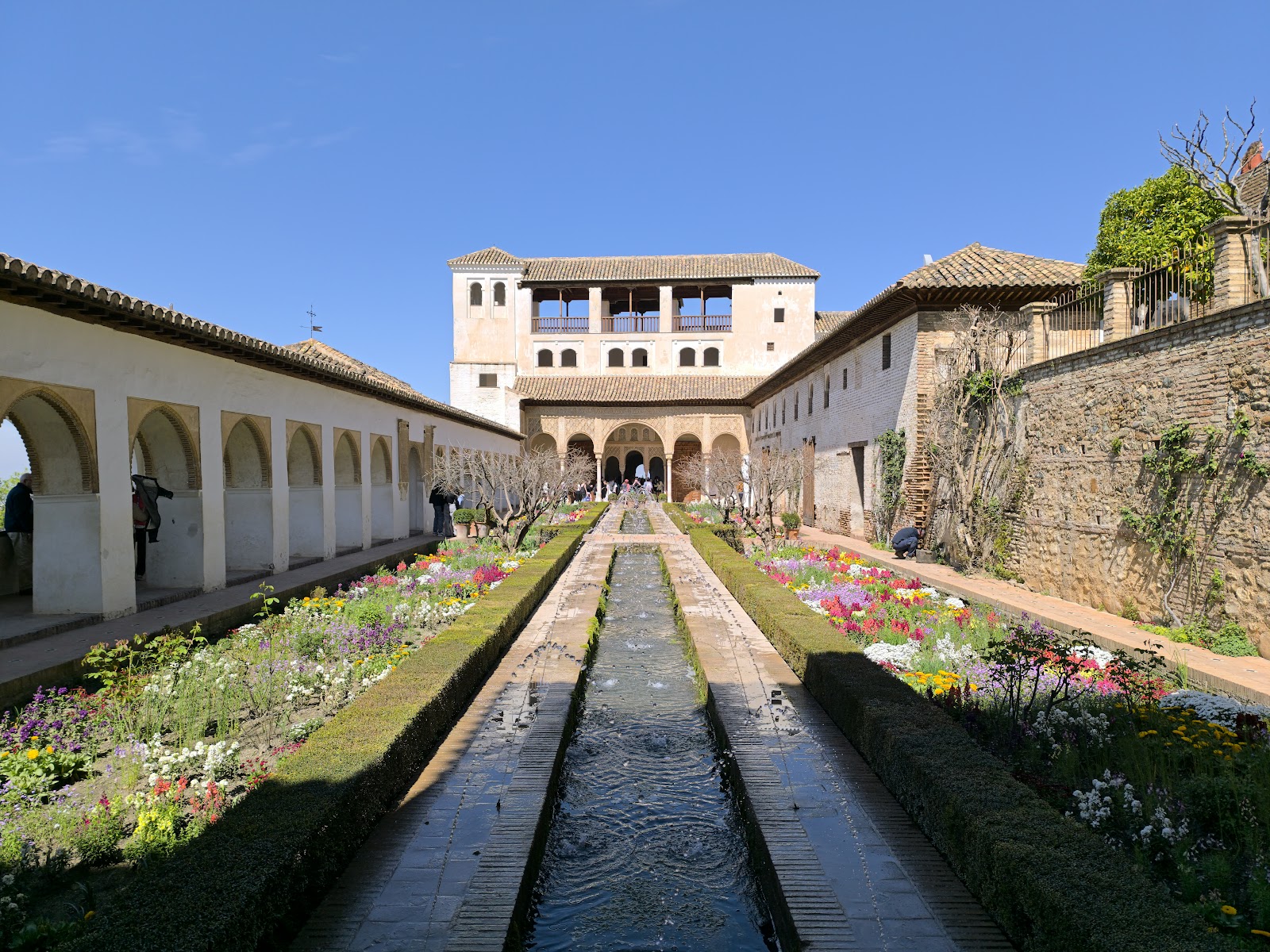
The Generalife sits above the Alhambra on the slope of Cerro del Sol, and its whole logic is water. The Patio de la Acequia — a canal courtyard nearly fifty metres long — runs the length of the palace with jets arcing across the surface, the sound arriving before the view does. This was the Nasrid sultans' summer retreat, a place designed around shade, irrigation and the particular pleasure of watching water move through stone.
What survives is a layering of centuries: a 14th-century garden logic underneath 16th-century arcades, 19th-century neo-gothic follies, and a rose labyrinth laid out by a conservation architect in 1931. None of it pretends to be seamless.
💛 What travellers fall for
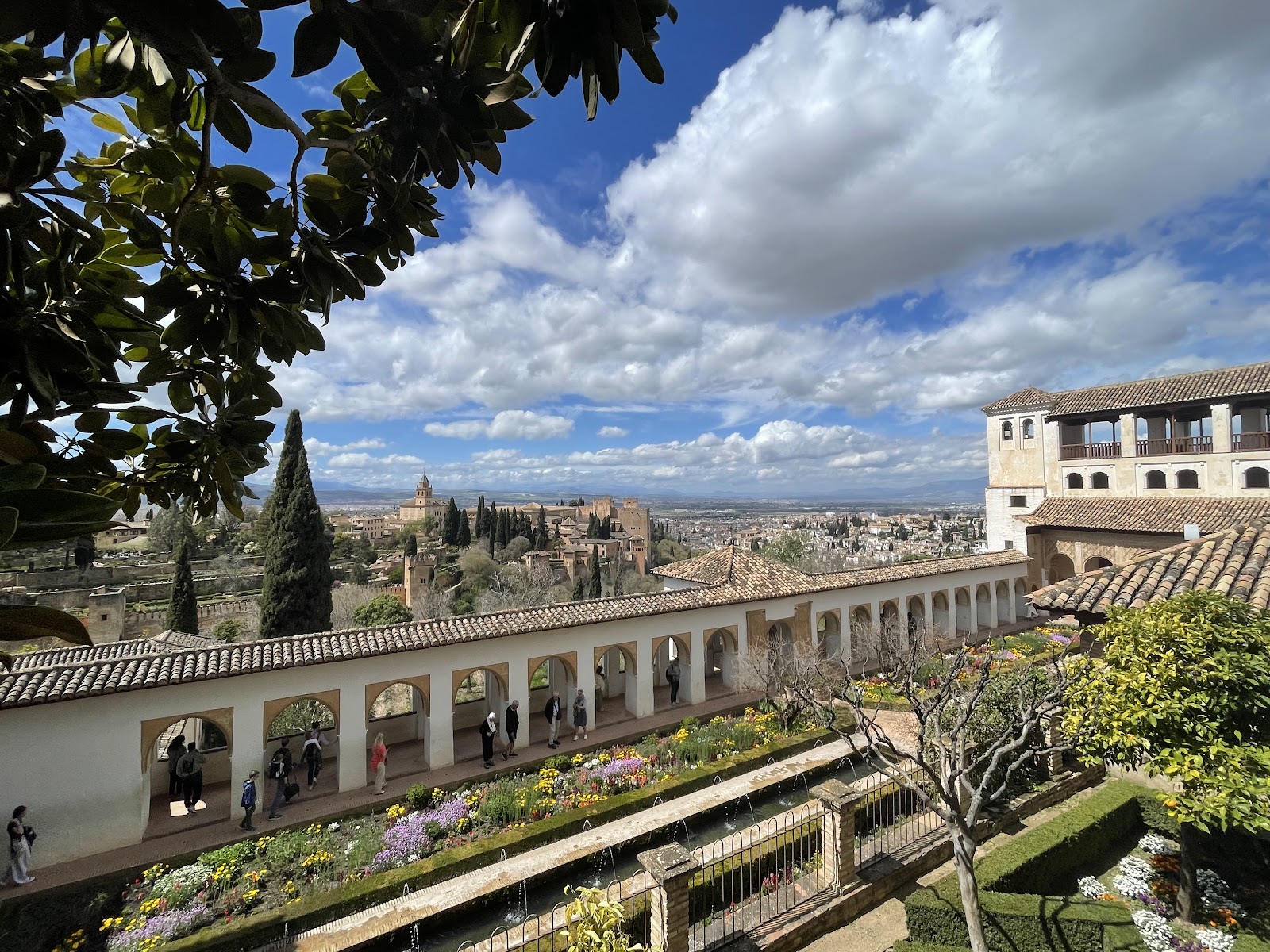
People who come back tend to arrive early, before the tour groups reach the Patio de la Acequia, and walk the Water Stairway — the Escalera del Agua — whose balustrades channel a thin stream of running water the whole way up. The Mirador Romántico at the top, built in 1836 in neo-gothic style, gives a view most visitors never reach.
The story behind Generalife
Construction began in the 13th century under Muhammad I, founder of the Nasrid dynasty, but the palace took its defining shape under Isma'il I, who oversaw major renovations around 1319 — an inscription from that year still marks the work. Muhammad V added further refinements in the late 14th century, including sophisticated water management across the terraces. After the Reconquista, the Catholic Monarchs added an upper storey to the northern pavilion in 1494, and the Patio de la Sultana was redesigned in the 16th century.
The site passed through neglect and private hands before the Spanish state recovered it in 1921. Architect Leopoldo Torres Balbás directed restorations from 1923 to 1936, and in 1931 designed the rose labyrinth in the upper gardens. The southern Jardines Nuevos, including a large cruciform pool edged by clipped cypress walls, were completed by Francisco Prieto Moreno in 1951.
Good to know
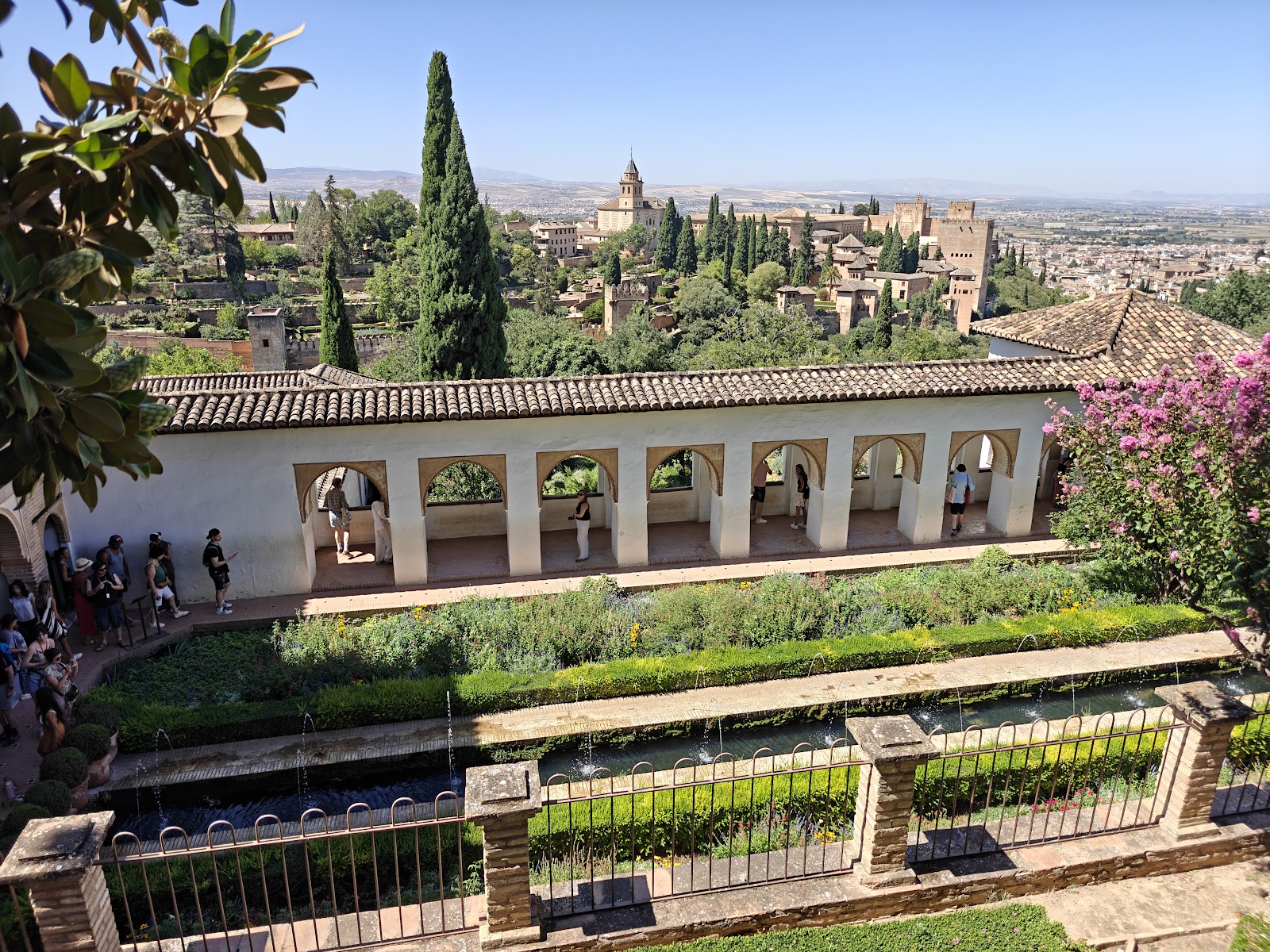
Tickets for the Gardens and Generalife Palace run around €12.73 for a day visit, €8.48 for the evening garden tour. Buses C30 and C32 connect the site to Plaza Nueva. Allow ninety minutes. Summer afternoons are punishingly hot — a morning slot is worth the early alarm.
Summer highs regularly reach 33–35°C with almost no rain — the gardens provide shade but mornings are still the cooler choice. Winter is mild by day (12–15°C) but cold after dark; spring and autumn offer the most comfortable conditions for walking the terraces, and the gardens are in better colour.
Where is Generalife?
More tickets & tours for Generalife
Book directly at the provider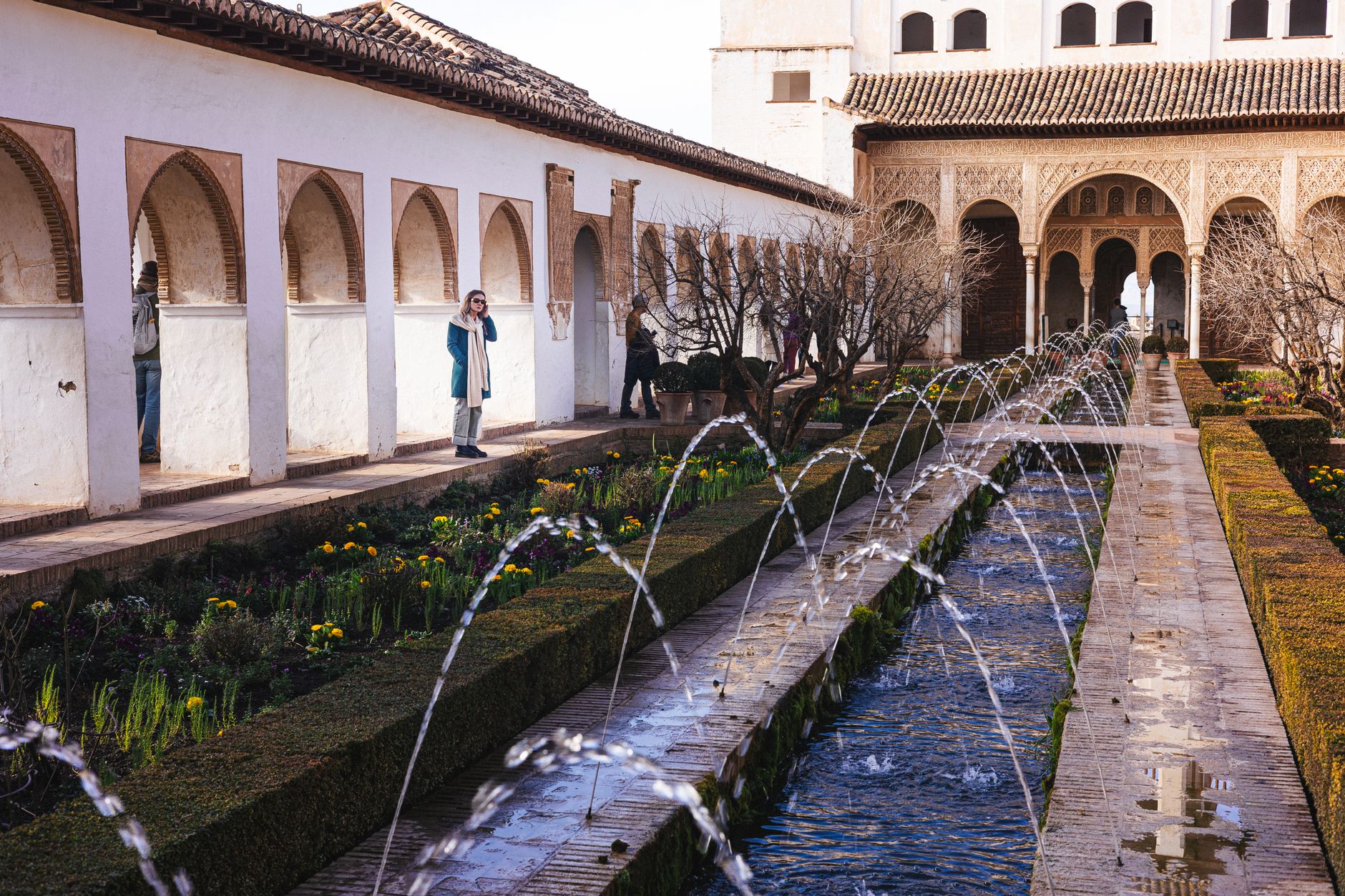
What travellers say about Generalife
⭐⭐⭐⭐⭐ A truly beautiful and peaceful place to visit. The Generalife gardens are wonderfully maintained, with colorful flowers, elegant fountains, and stunning landscaping throughout. Walking through the gardens feels like stepping back in time, and the views over Granada are breathtaking. The combination of history, architecture, and nature makes this a must-see when visiting the Alhambra. Every corner offers something beautiful to admire. Highly recommended!
OMG absolutely spectacular, we did the night visit and it was so special, would totally recommend it. The views were fabulous, it was hard to stop taking photos as the sun went down! Very romantic too. I would even do this again. However, you do need to buy tickets in advance otherwise you won't get in, we struggled to get tickets even 2 weeks in advance, so I would suggest getting organized early for this.
Beautiful gardens, fountains, and amazing views. A must-see when visiting Granada. I strongly recommend buying tickets in advance and bringing your passport or ID for entry. Highly recommended!
Generalife – Google Maps Review Generalife is a breathtaking oasis of peace above Granada. The gardens are beautifully designed with flowing water channels, elegant fountains, and perfectly maintained greenery. Walking through the pathways feels like stepping into a different century — calm, poetic, and timeless. The views of the Alhambra and the city of Granada from here are absolutely stunning. It’s the perfect place to slow down, take photos, and simply enjoy the harmony between architecture and nature. A must-visit if you are in Granada — truly magical and unforgettable. 🌿✨
It was the most beautiful garden that I have ever seen. It’s so peaceful, so calm with a lot of greenery. I think Generalife was supposed to be the garden where people just chill so hopefully I’m not mistaken this for Alhambra.
More of Granada
Discover where to stay, what to do and the best deals for your trip.
Explore Granada →More attractions in Granada
All of Granada →
Background adapted from Wikipedia (CC BY-SA) · map data © OpenStreetMap contributors · ratings & place photos via Google · other photos with per-image credit. Ticket links may earn us a commission at no extra cost to you.