
Albaicín
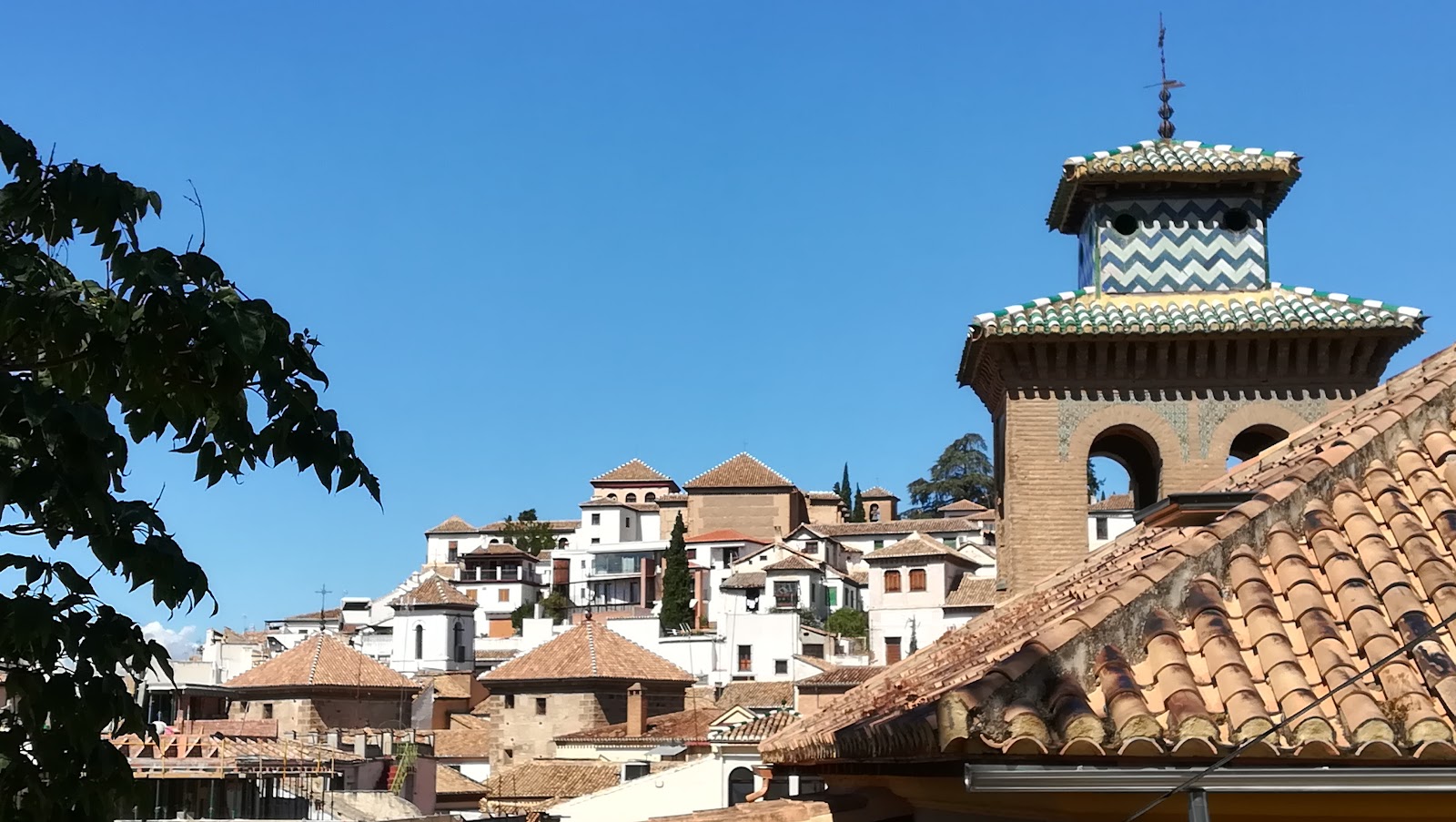
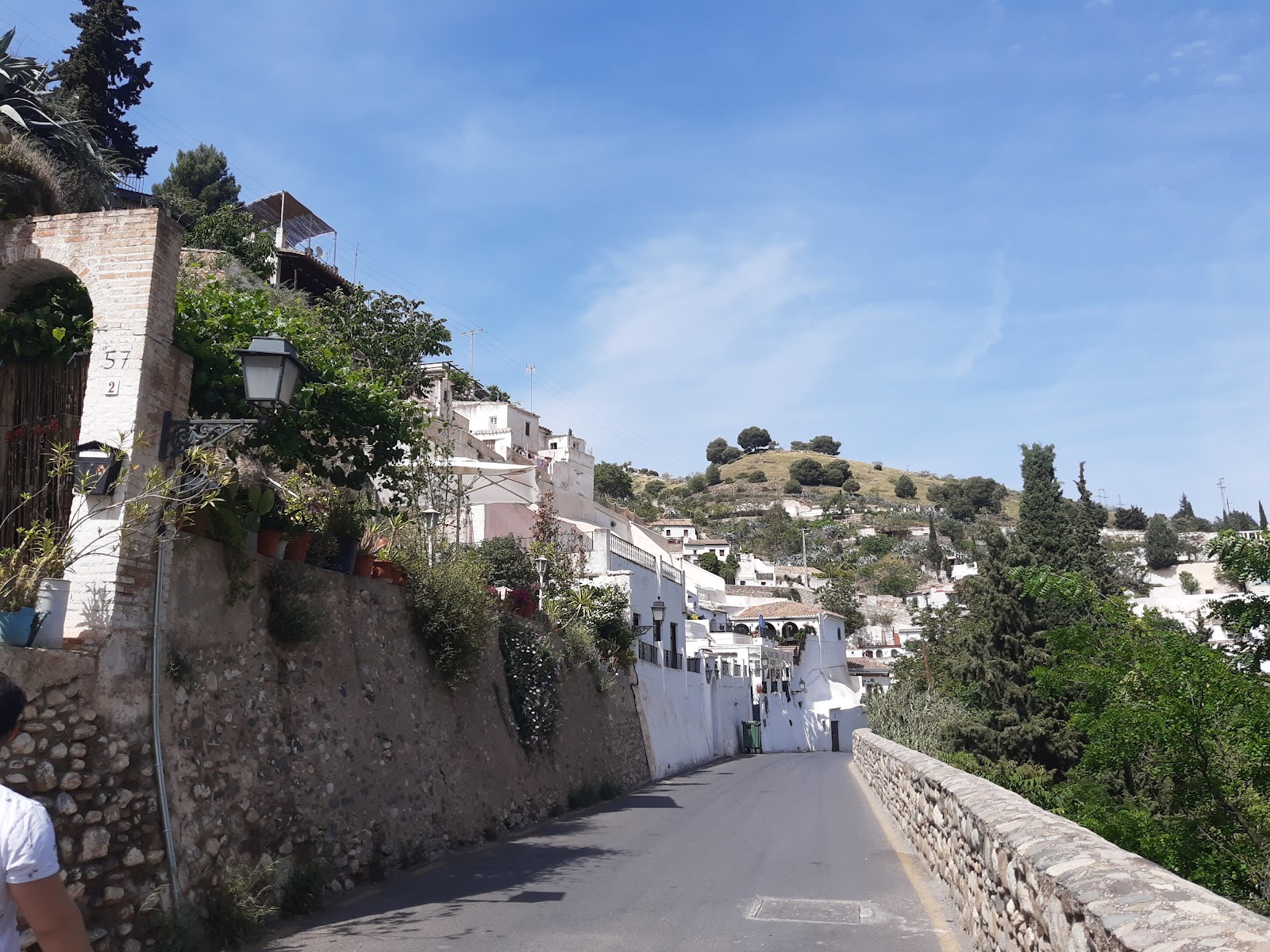
The streets of the Albaicín don't straighten out for you. They curve, climb, dead-end, and double back in patterns laid down during the Nasrid period — the 13th to 15th centuries — when this hillside above the Darro river was a city within a city. Whitewashed walls rise close on either side, broken by the occasional heavy wooden door that opens onto a carmen, a walled garden you'll never see from the street.
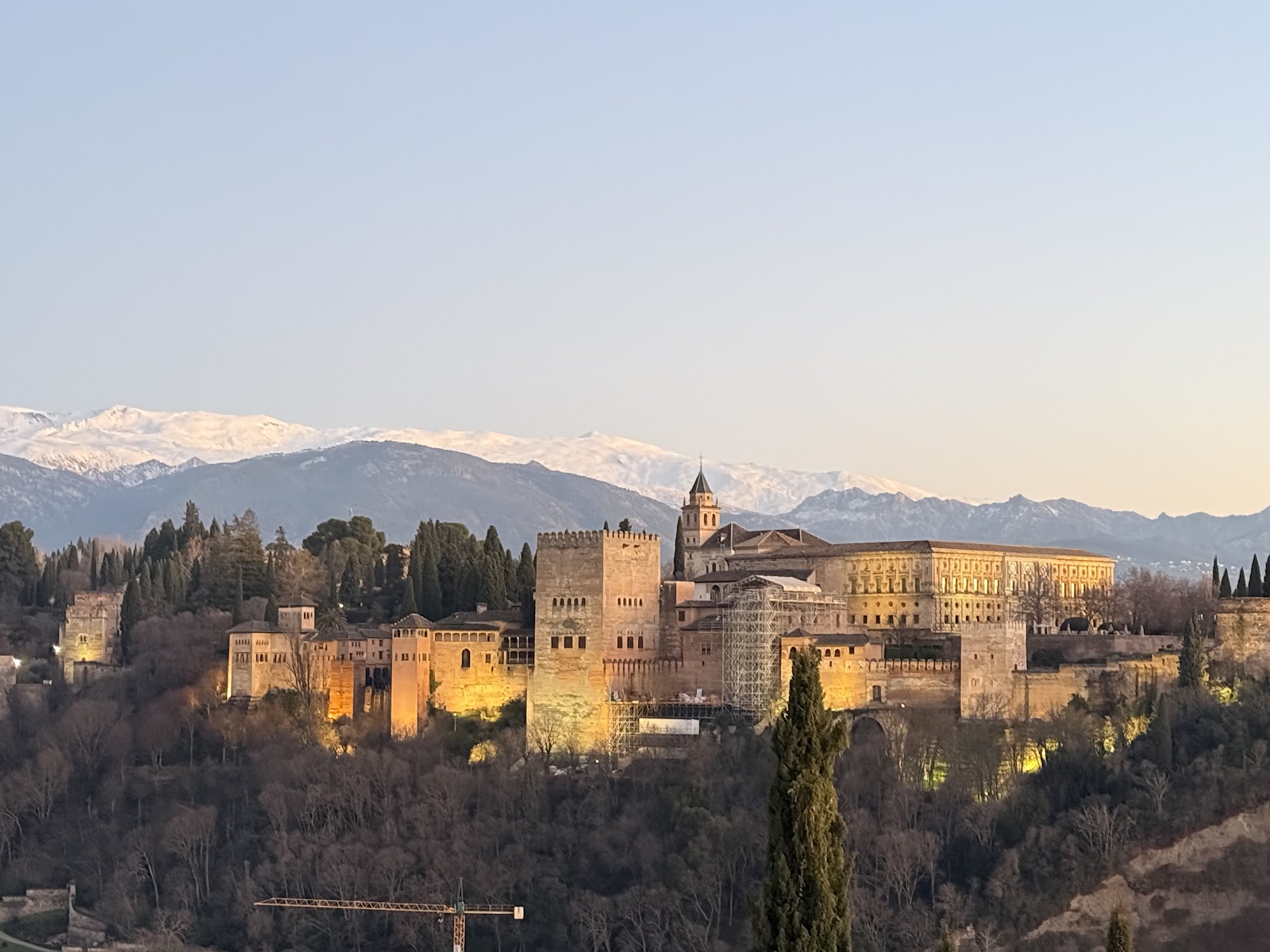
This is Granada's oldest quarter, its medieval street plan largely intact, its 11th-century walls still threading through the neighbourhood toward Sacromonte. The Alhambra sits across the gorge, close enough that you can pick out individual towers from the higher lanes.
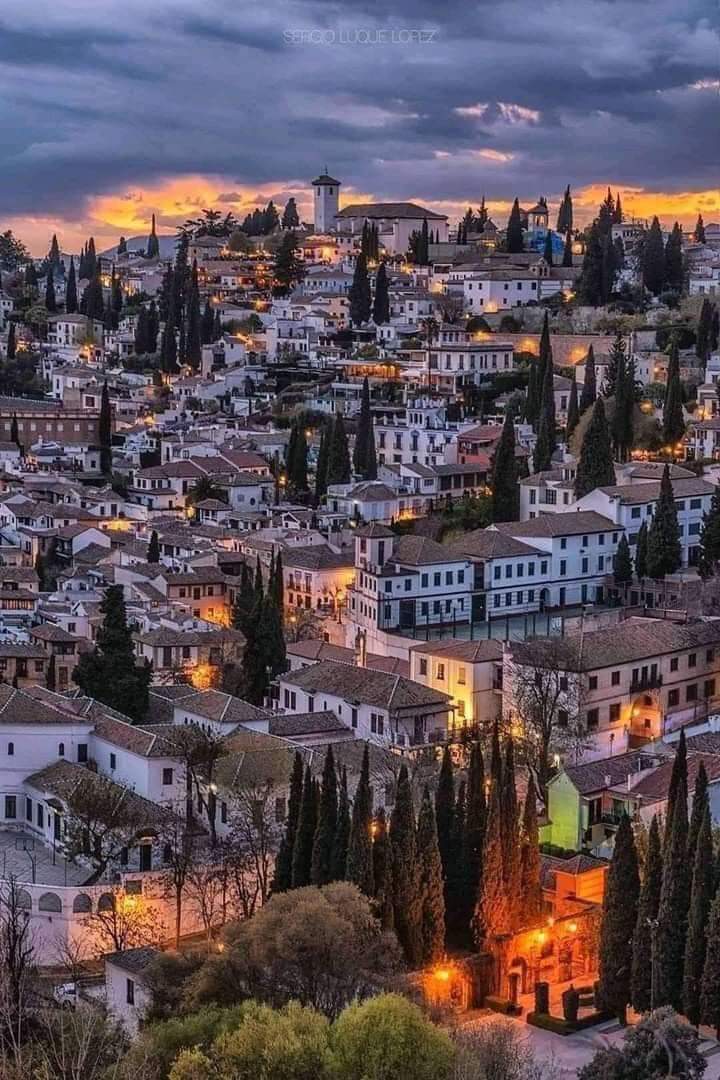
💛 What travellers fall for
People who return tend to anchor their walks at El Bañuelo on the Carrera del Darro — the 11th-century bathhouse is small and unhurried, and the light through its star-cut ceiling vaults is worth the €3 alone. From there, the climb through the lanes to Dar al-Horra Palace rewards anyone who can find it without a map.
The story behind Albaicín
In 1013, Zawi ben Ziri settled this hillside and founded the Taifa of Granada, raising the fortified medina known as Alcazaba Qadima — the first Islamic city in the Albaicín. The Almohads took control in 1157, and in 1238 the Nasrid dynasty arrived, the rulers who would build the Alhambra across the gorge and hold al-Andalus until 1492.
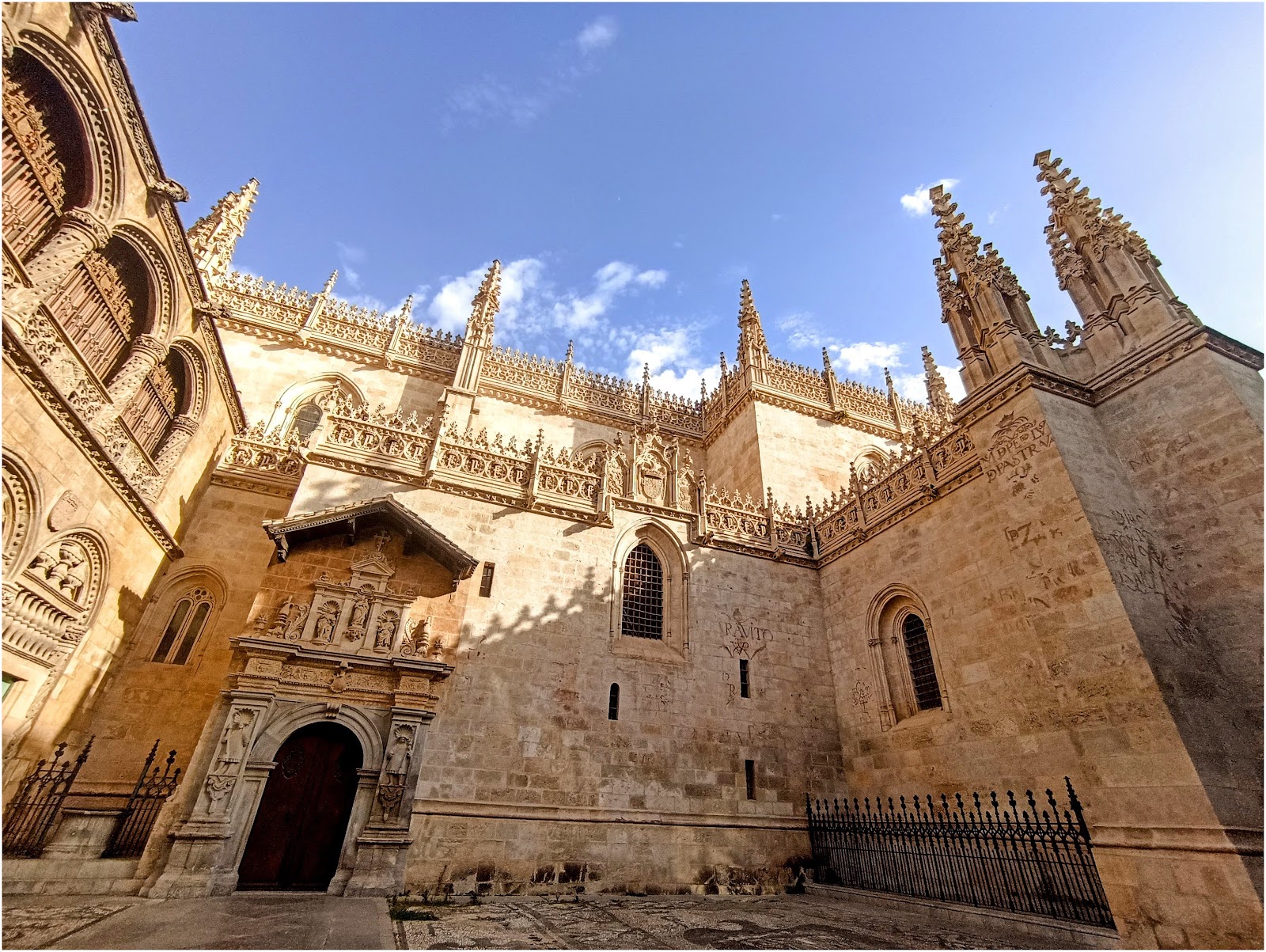
That year, Sultan Boabdil surrendered the city to Ferdinand II of Aragon and Isabella I of Castile. The transformation was methodical: mosques became churches, the Great Mosque of Granada was consecrated to Christian worship in 1501 and demolished in 1565. Five centuries later, in 2003, a new mosque opened on the hill — the first built in Granada since the Reconquista. UNESCO recognised the neighbourhood in 1994 as an extension of the Alhambra's World Heritage designation.
Good to know
Take bus C31 or C34 from Plaza Nueva and ride to Plaza de San Nicolás to start from the top and walk downhill. The neighbourhood has traffic restrictions, so driving in rarely saves time. Casa de Zafra costs €3 on weekdays, free on Sundays. El Bañuelo closes for a midday break, so check hours before you go.
Summer afternoons on the Albaicín's exposed lanes run genuinely hot, and the stone holds the heat well into evening. Spring and autumn are easier for long walks; winter mornings can be cold and clear, with the Alhambra across the valley occasionally dusted with snow from the Sierra Nevada.
Where is Albaicín?
Location
- In Granada
- 37.1808, -3.5938
- Open in Google Maps
More tickets & tours for Albaicín
Book directly at the provider
More of Granada
Discover where to stay, what to do and the best deals for your trip.
Explore Granada →More attractions in Granada
All of Granada →
Background adapted from Wikipedia (CC BY-SA) · map data © OpenStreetMap contributors · ratings & place photos via Google · other photos with per-image credit. Ticket links may earn us a commission at no extra cost to you.