
Royal Chapel of Granada
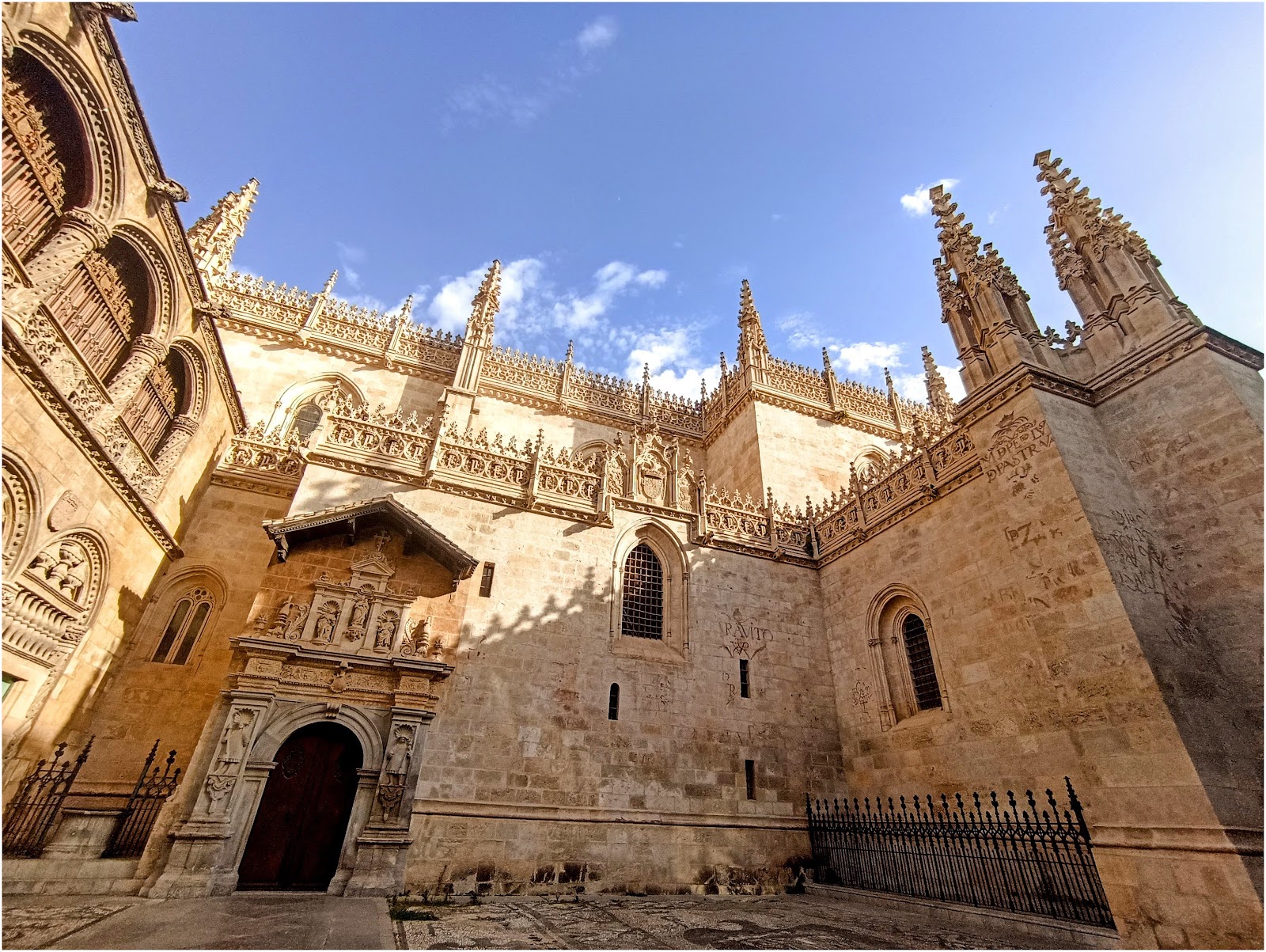
The entry to the Royal Chapel is through a former merchants' hall on Calle Oficios — a deliberately modest door for a place that holds the bones of the monarchs who commissioned the conquest of the Americas. Inside, the light drops and the Gothic ribbed vault opens above you, and somewhere below your feet, in a plain crypt, lie Ferdinand and Isabella in lead coffins.
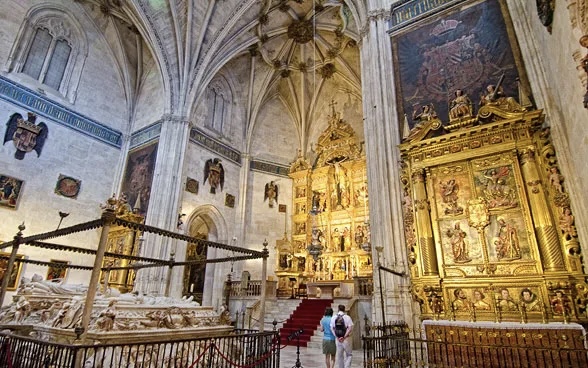
The marble effigies upstairs — carved in Genoa from Carrara stone by Domenico Fancelli — are serene to the point of severity. Their faces are almost portrait-like. Beside them, the monuments to Juana la Loca and Felipe el Hermoso, by Bartolomé Ordóñez, complete a dynastic tableau that no other building in Spain can match.
💛 What travellers fall for
People who come back tend to linger in the sacristy-museum longer than they planned. The Botticelli, the Memling, the Rogier van der Weyden — Isabella's personal collection, gathered in her lifetime — are hung in a room most visitors rush through on the way to the tombs. Give it twenty minutes you weren't planning on.
The story behind Royal Chapel of Granada
On September 13, 1504, the Catholic Monarchs issued a royal decree ordering the construction of a chapel to serve as their mausoleum. Work began in 1505 under Enrique Egas, who directed the project in the Gothic style; Juan Gil de Hontañón, Juan de Badajoz the Elder and Lorenzo Vázquez de Segovia also contributed to the build, which was completed in 1517. The bodies of Ferdinand and Isabella were transferred to the crypt on November 10, 1521.
The main altarpiece — carved between 1520 and 1522 — is considered the largest Plateresque altarpiece in Spain. The adjacent Lonja, a Renaissance merchants' hall financed by banker Esteban Centurión, went up in 1518 and now serves as the chapel's entrance. A significant restoration in 1985 stabilised the roofs, pinnacles and interior walls, and refurbished the sacristy-museum that had been established by royal decree in 1913.
Good to know
Enter from Calle Oficios, off Gran Vía or Calle Reyes Católicos. Buses 4, 8, C31 and C32 stop at the cathedral. Wednesday afternoons are free with a prior reservation. No photography inside, and the chapel closes for worship at certain hours — check before you go. Budget an hour.
Where is Royal Chapel of Granada?
More tickets & tours for Royal Chapel of Granada
Book directly at the provider
What travellers say about Royal Chapel of Granada
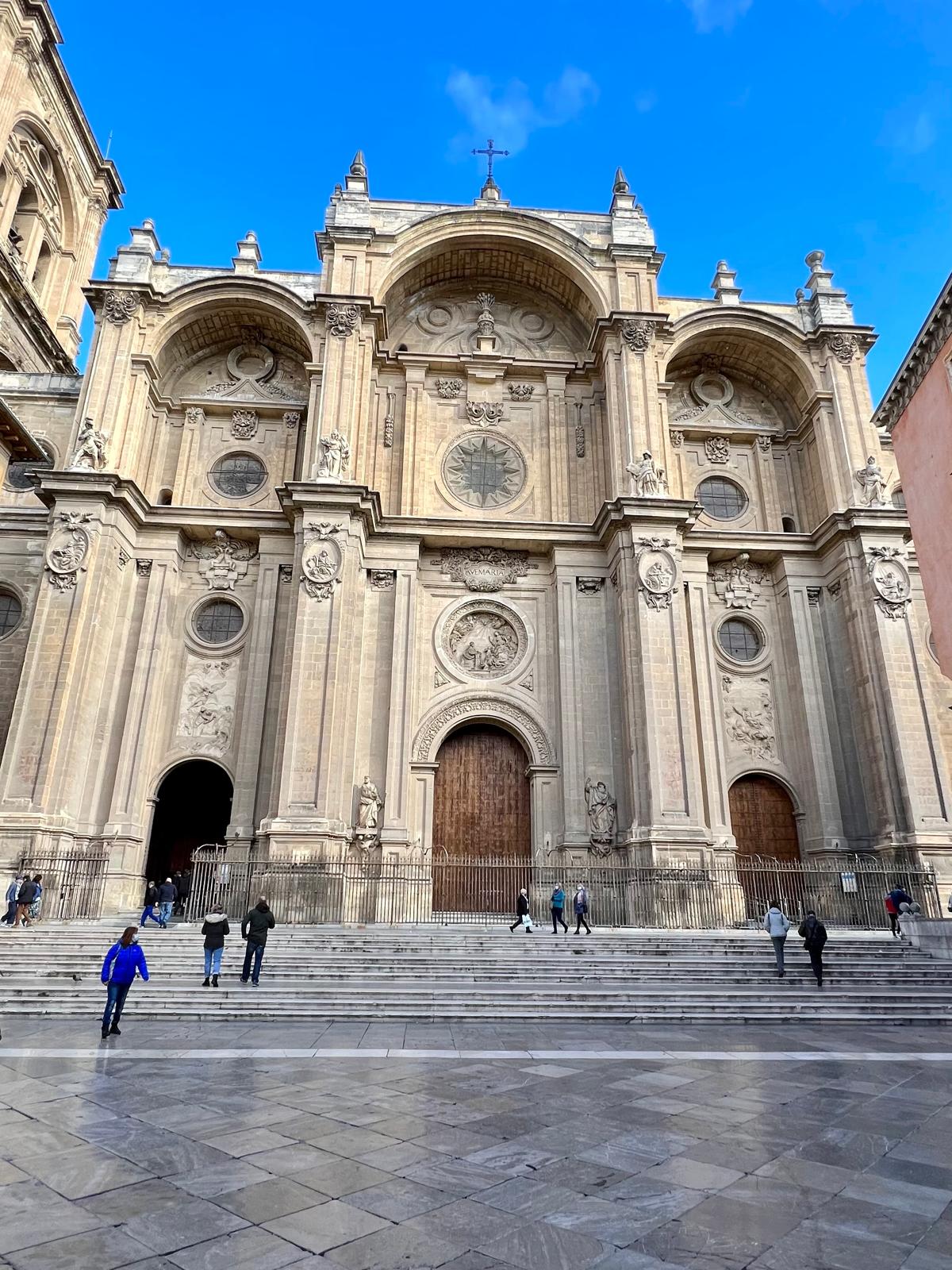
A very beautiful historical fine art architecture cathedral. It beautifully in all dimensions outside, inside, surrounding, the vibes and more. The interiors were astonishing, seeing the beautiful well maintained artistic architecture, in addition to a huge beautiful pipe organ. I enjoyed the walk inside and outside in the surrounding area with lots of views, people and vibes.
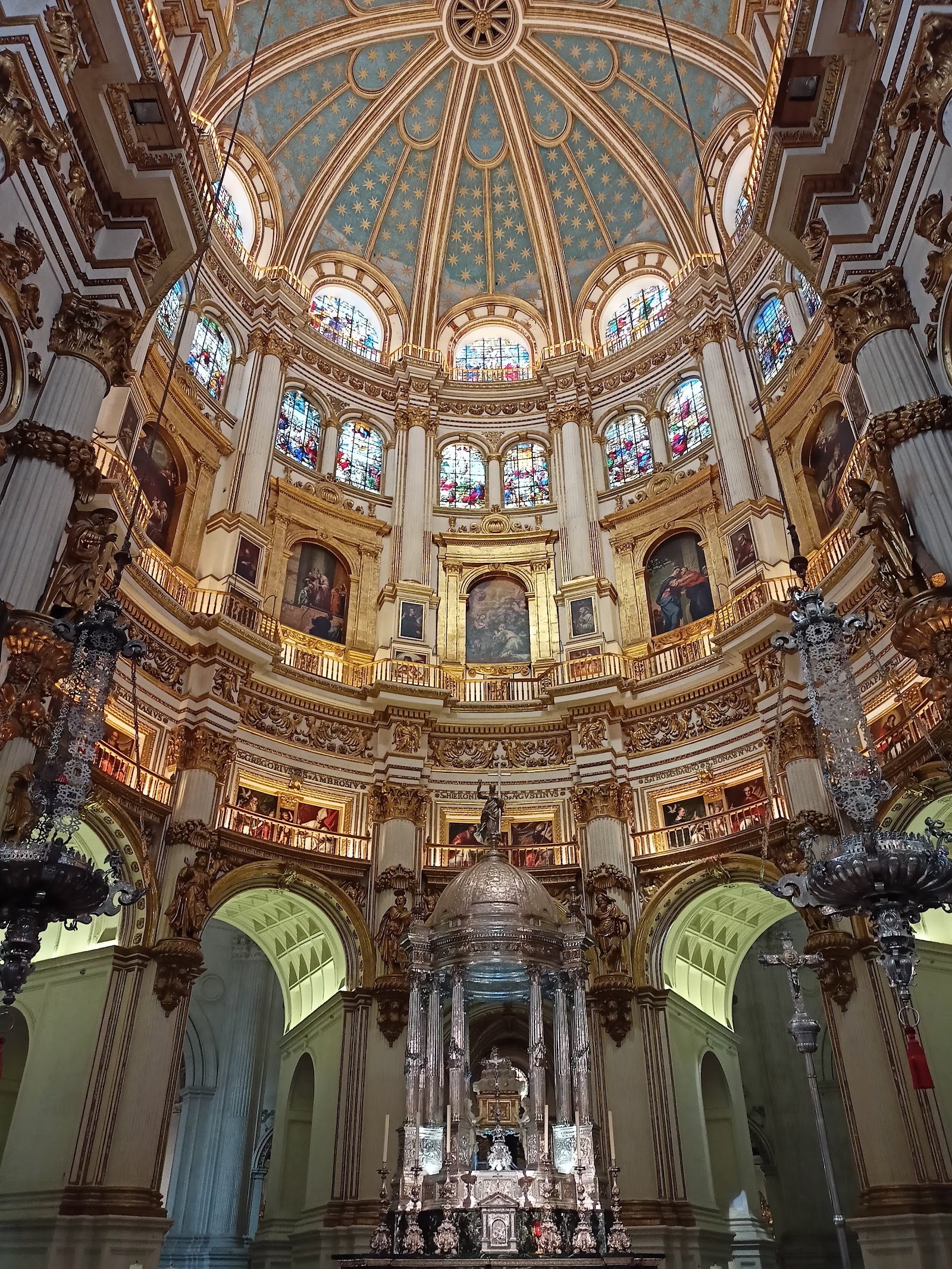
2026/04 The Capilla Real de Granada (Royal Chapel of Granada) is a significant Catholic monument located in the historic center of Granada, adjacent to the city’s cathedral. Commissioned by the Catholic Monarchs, Isabella I of Castile and Ferdinand II of Aragon, in the early 16th century, it was intended as their final resting place and as a symbol of the consolidation of Christian rule following the Reconquista, which culminated in the capture of Granada in 1492. Architecturally, the chapel is built in the Isabelline Gothic style, characterized by elaborate decoration, pointed arches, and intricate sculptural details that blend Gothic structure with early Renaissance influences. Inside, the chapel houses the ornate marble tombs of the Catholic Monarchs, as well as those of their daughter Joanna I and her husband Philip the Handsome. The interior is richly decorated with stained glass windows, religious paintings, and finely crafted altarpieces, reflecting the artistic and spiritual ambitions of the period. The Capilla Real also contains a museum with valuable artifacts, including royal garments, books, and works of art associated with the monarchs. As both a royal mausoleum and a place of worship, it holds immense historical importance, marking the end of Muslim rule in Spain and the beginning of a unified Christian kingdom. Today, it remains one of Granada’s most visited landmarks, offering insight into the political, religious, and cultural transformations of early modern Spain.
The beauty just cannot be explained. Go and enjoy the Chapel. Don't bother taking pictures. Just buy a book on the chapel. The pictures in the book will justify the beauty. Walk around and jut be mesmorized
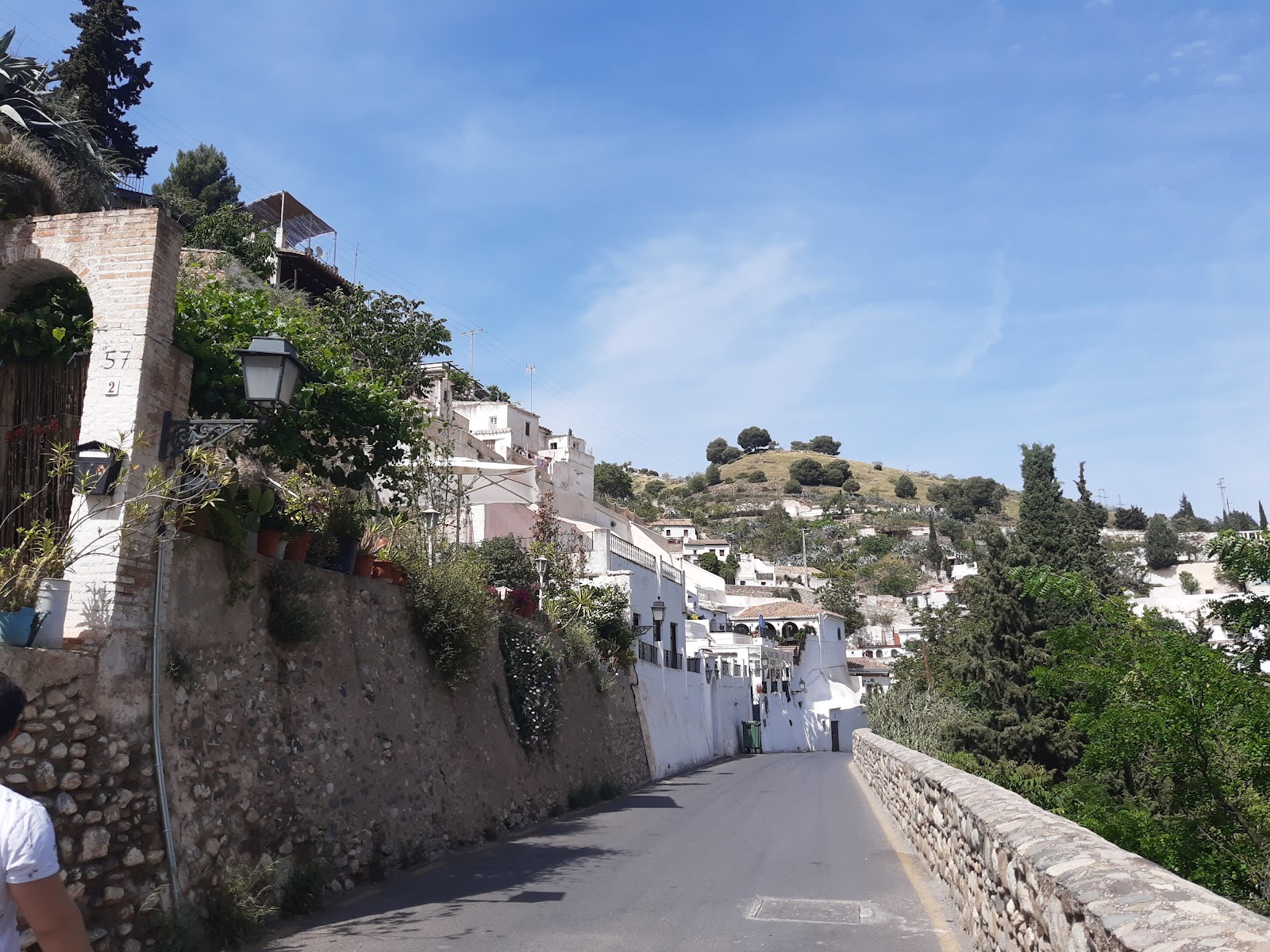
located in the heart of Granada’s historic center. The surrounding area is beautiful and lively, with historic buildings, narrow streets, small shops, cafés, and traditional restaurants.
The Royal Chapel of Granada is absolutely stunning!!! The architecture is beyond beautiful, and the intricate details throughout the chapel make it truly special. The tickets include an audio tour which was so creative, interesting, and fun to listen to! It’s absolutely worth a visit if you’re visiting Granada!
More of Granada
Discover where to stay, what to do and the best deals for your trip.
Explore Granada →More attractions in Granada
All of Granada →
Background adapted from Wikipedia (CC BY-SA) · map data © OpenStreetMap contributors · ratings & place photos via Google · other photos with per-image credit. Ticket links may earn us a commission at no extra cost to you.