
Mirador de San Nicolás
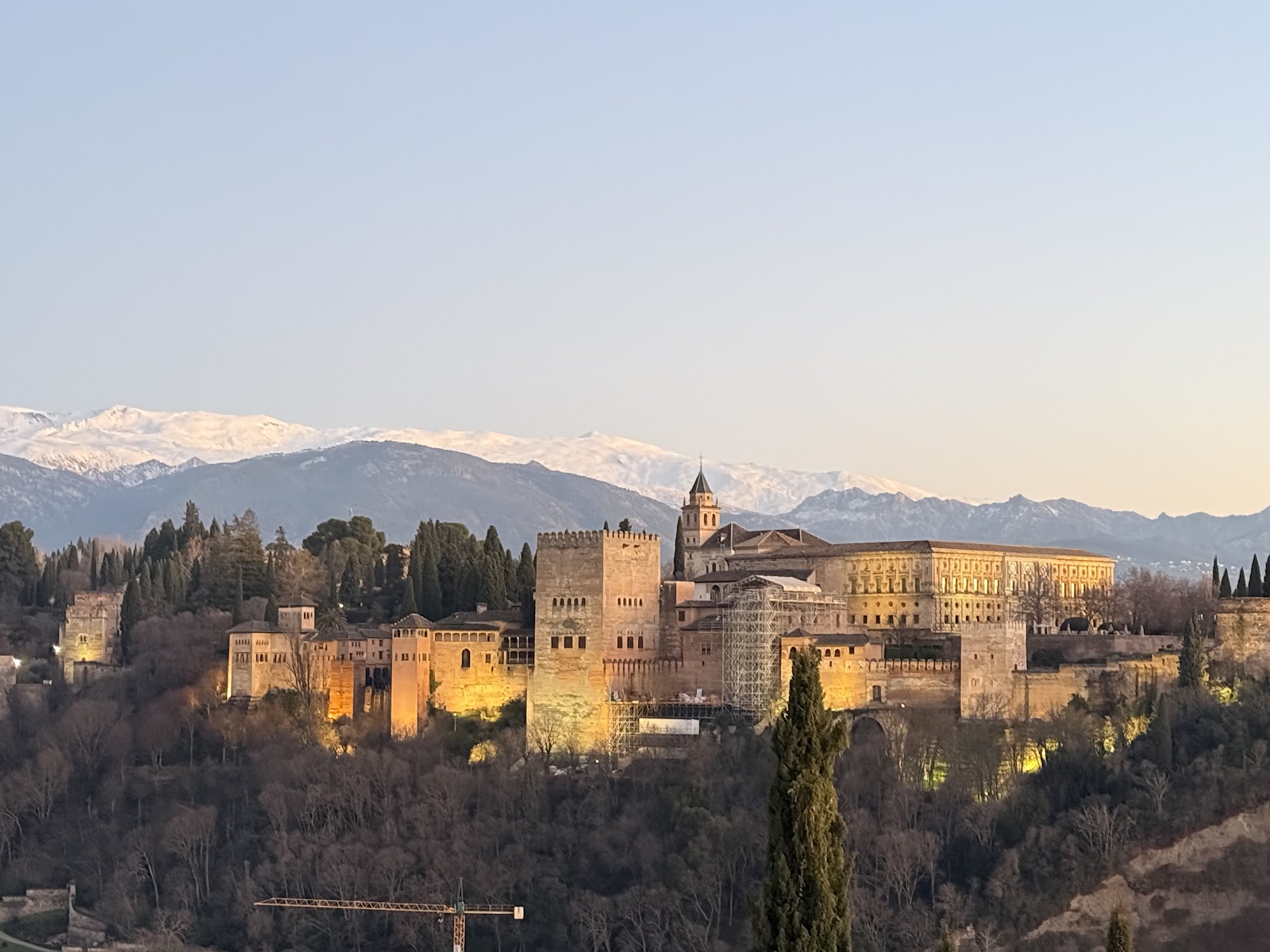
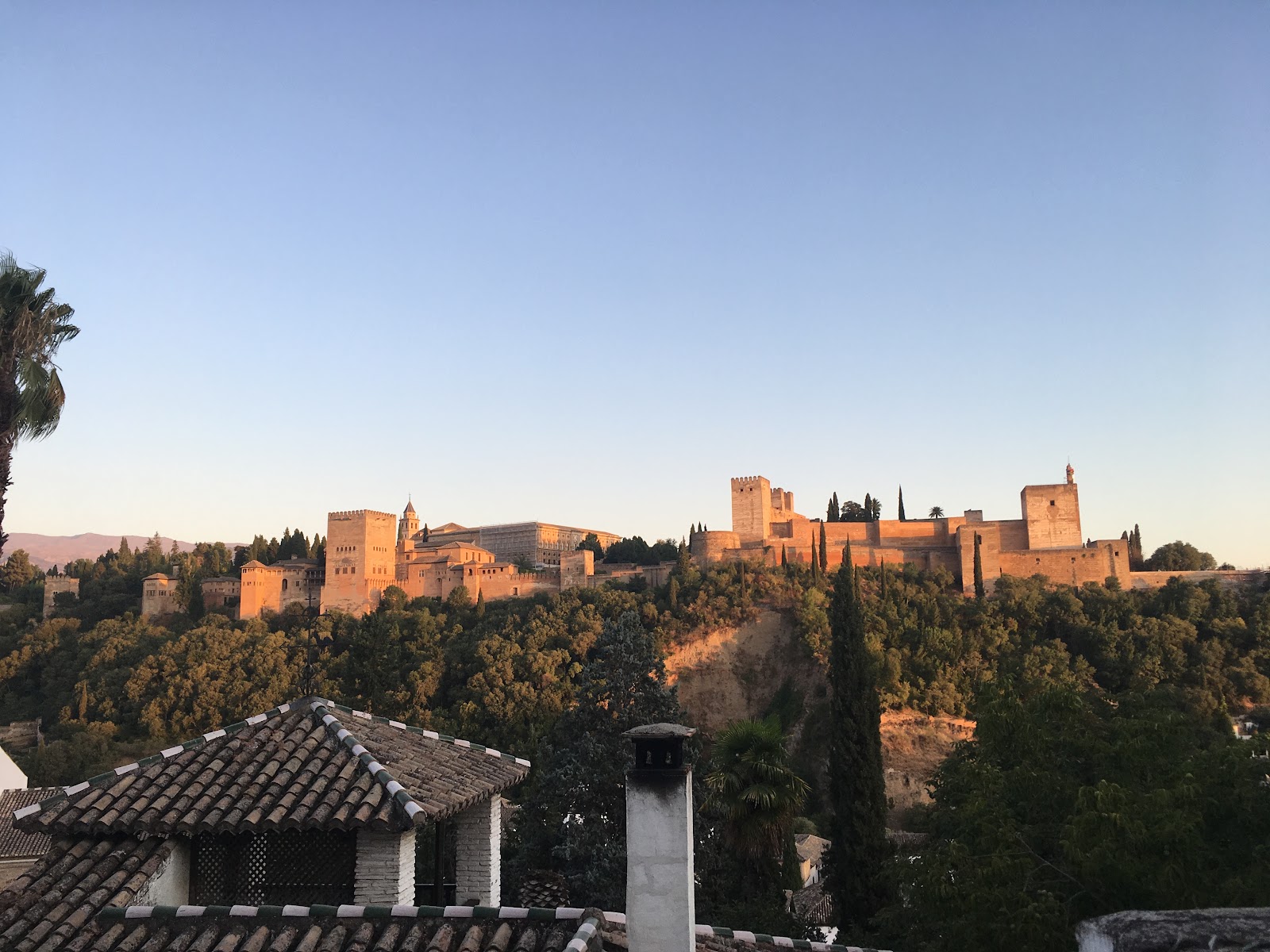
From this square in the Albaicín, the Alhambra sits directly across the valley — close enough that you can pick out individual towers, distant enough that the Sierra Nevada fills the space behind it. The view is the whole point, and it delivers without ceremony.
The square itself is small and perpetually occupied: someone playing guitar, someone selling castañuelas, a dozen languages overlapping. The Church of San Nicolás stands at your back, its Mudejar-Gothic stonework quietly holding the scene together. The real action is whatever the light is doing to that red palace across the gorge.
💛 What travellers fall for
People who come back tend to arrive early morning or just before sunset — the crowd thins before noon and thickens dramatically in the hour before dark. The Balcón de San Nicolás terrace, just below the square, has the same sightline with about a tenth of the foot traffic. Worth knowing before you commit to standing.
The story behind Mirador de San Nicolás
The Church of San Nicolás was built in 1525 on the foundations of a mosque, a pattern repeated across Granada in the decades after the Reconquista. The aljibe — the cistern — beside it was laid out in 1535 by Rodrigo Hernández, a Christian construction set over an earlier Muslim one, its rectangular chamber covered by a semicircular vault that still stands.
The square took on a different kind of significance in 1922, when it was chosen as the opening stage for the Flamenco Song Contest organised by Manuel de Falla and Federico García Lorca. Lorca had been drawn to this hillside long before that — his friend José Mora Guarnido blamed the Albaicín, and particularly the long hours Lorca spent staring across at the Alhambra, for his indifference to his studies.
Good to know
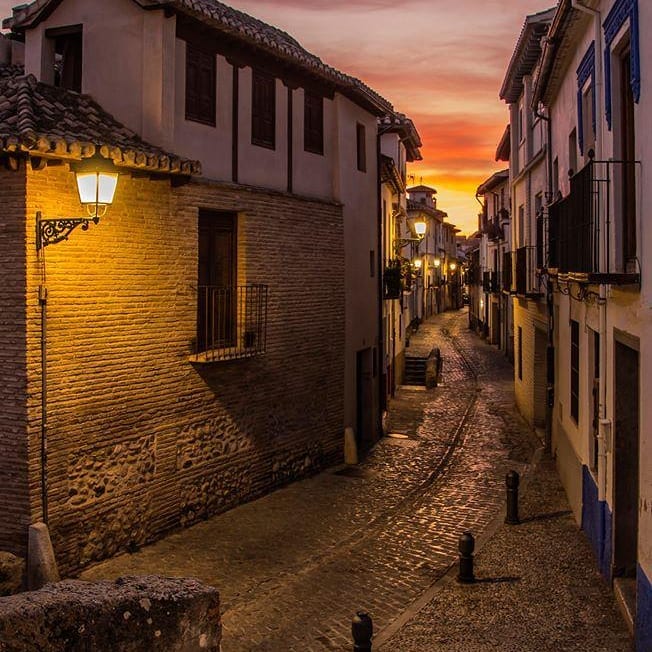
Bus C31 or C32 from Plaza Nueva gets you here without the 20-minute uphill climb on cobblestones — worth considering if the heat is up. Free entry, open around the clock. The church itself is only accessible during worship hours. Parking at San Cristóbal costs nothing; add ten minutes on foot from there.
Granada's summers are hot and dry, with afternoon temperatures regularly above 35°C — the walk up from Plaza Nueva earns its sweat. Spring and autumn are the most comfortable seasons for the climb and the lingering. Winter evenings turn cold fast once the sun drops behind the Sierra Nevada, so bring a layer if you're staying for the last light.
Where is Mirador de San Nicolás?
More tickets & tours for Mirador de San Nicolás
Book directly at the provider
What travellers say about Mirador de San Nicolás
Wonderful place to overlook the city and La Alhambra, especially as the sun goes down and the lights on the Alhambra start to light it up. The only probably is that the secret is out, and it's very crowded. You'll have to wait a while to get up to the shirt wall for the perfect picture, unless you don't mind other people in your photos. It is free. Sometimes there are musicians playing and street vendors sell their little gifts.
This mirador is the viewpoint from a park in front of a church. It offers a fantastic view of the Alhambra, especially at sunset. Lots of tourists though and it gets quite busy. There was a local musician busking while we were there playing traditional Spanish guitar, which added to the vibe.
Best possible view of the Alhmabra. Highly recommend going there during the day and in the evening when thi lights of the Alhambra turn on. A magical view.
Mirador de San Nicolás offers one of the best views of the Alhambra and the Sierra Nevada mountains. The scenery is absolutely stunning, especially around sunset. However, it can get extremely crowded, making it difficult to find a good spot and fully enjoy the atmosphere. Despite the crowds, it's still worth visiting for the spectacular panoramic views.
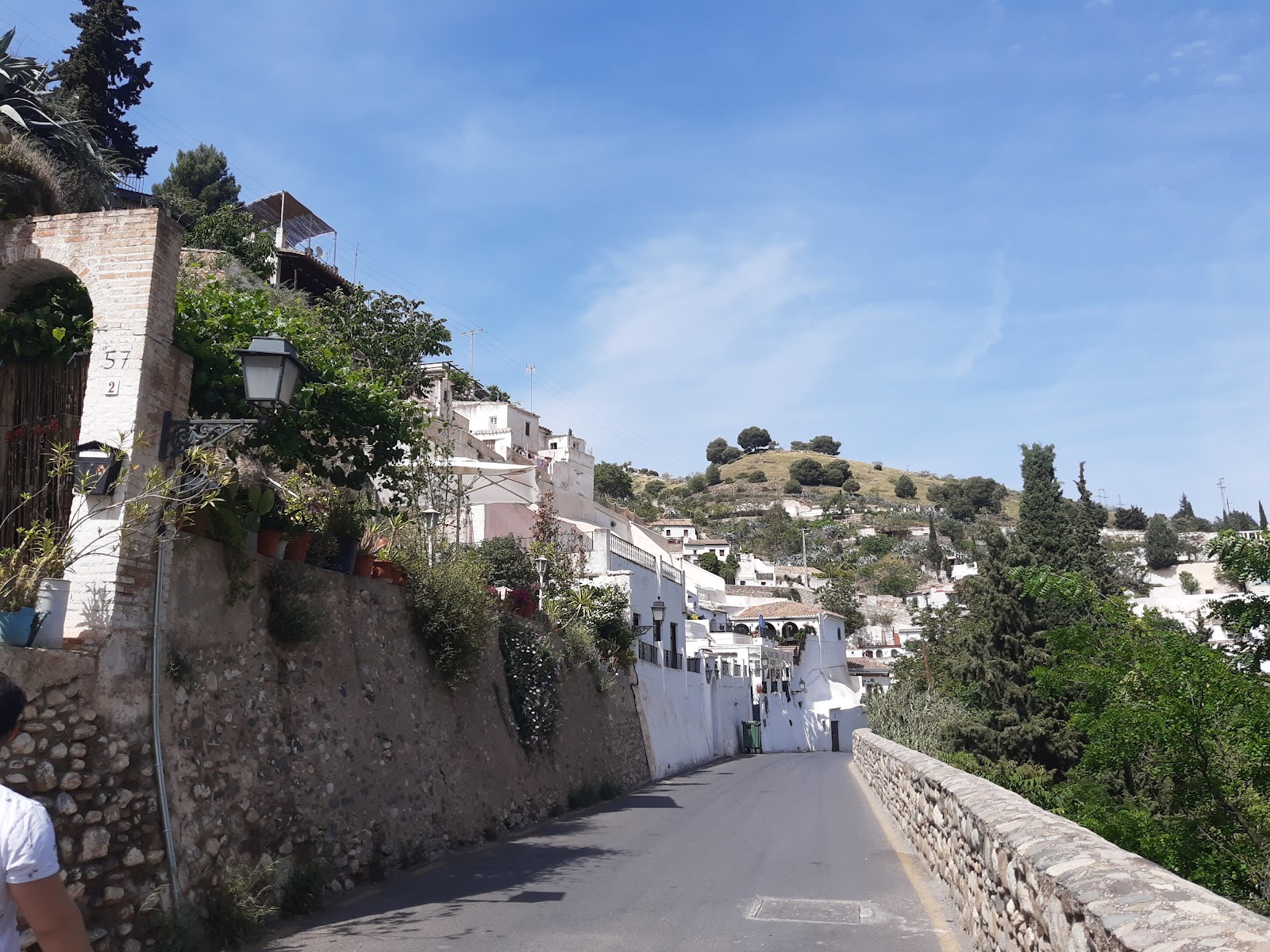
If you’re looking for the best views in Granada, Mirador de San Nicolás is absolutely worth it. We visited midday, so it was very hot (sunset would be even better), but the panoramic views of the city and the breathtaking Alhambra were unforgettable. Granada has been my favorite city in Spain so far. Pro tip: Take a taxi up and walk back down. You’ll get the views without the uphill climb and can enjoy wandering through the charming Albaicín neighborhood, exploring the local shops, cafés, and hidden corners along the way.
More of Granada
Discover where to stay, what to do and the best deals for your trip.
Explore Granada →More attractions in Granada
All of Granada →
Background adapted from Wikipedia (CC BY-SA) · map data © OpenStreetMap contributors · ratings & place photos via Google · other photos with per-image credit. Ticket links may earn us a commission at no extra cost to you.