
Edinburgh
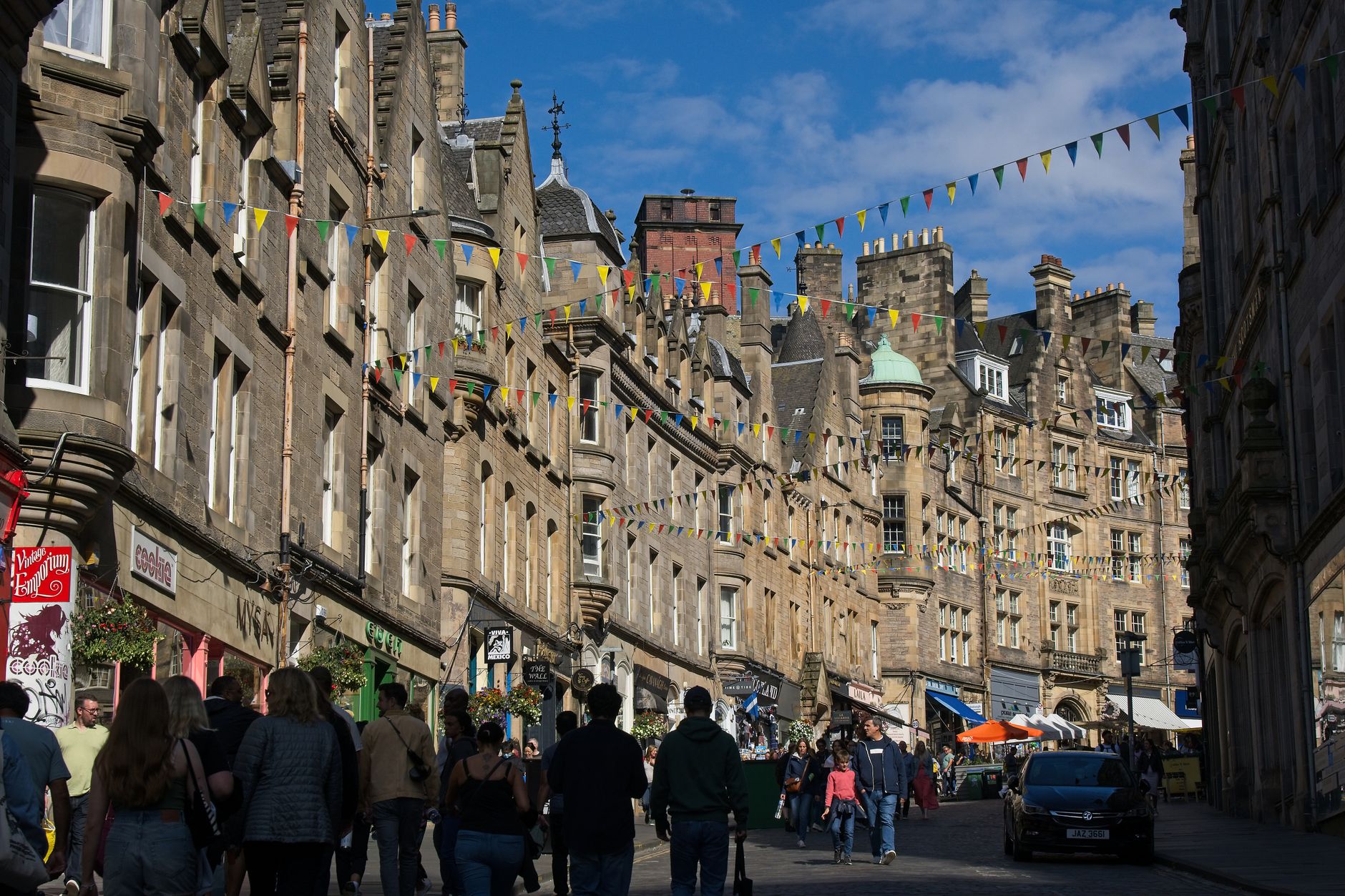
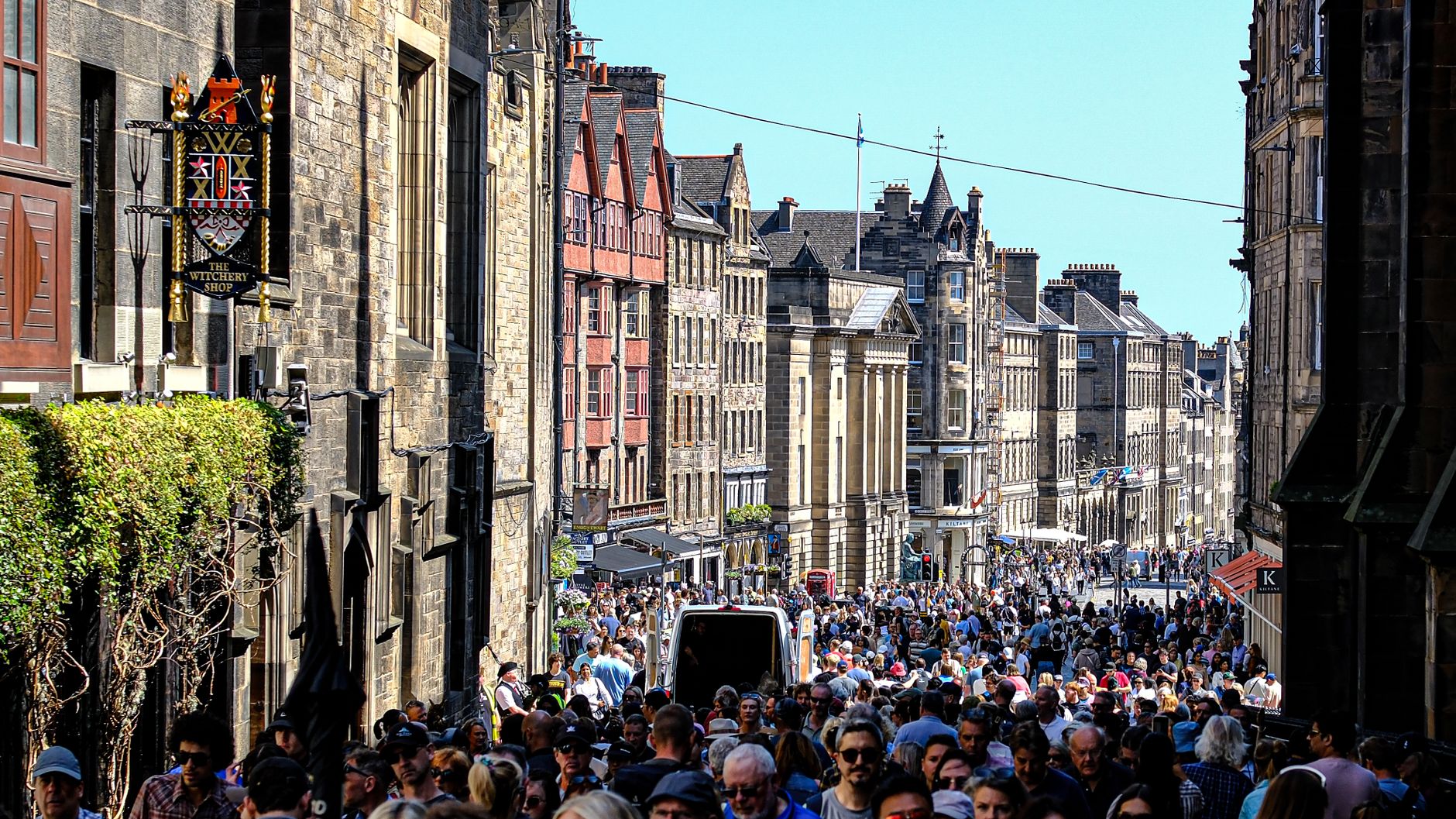
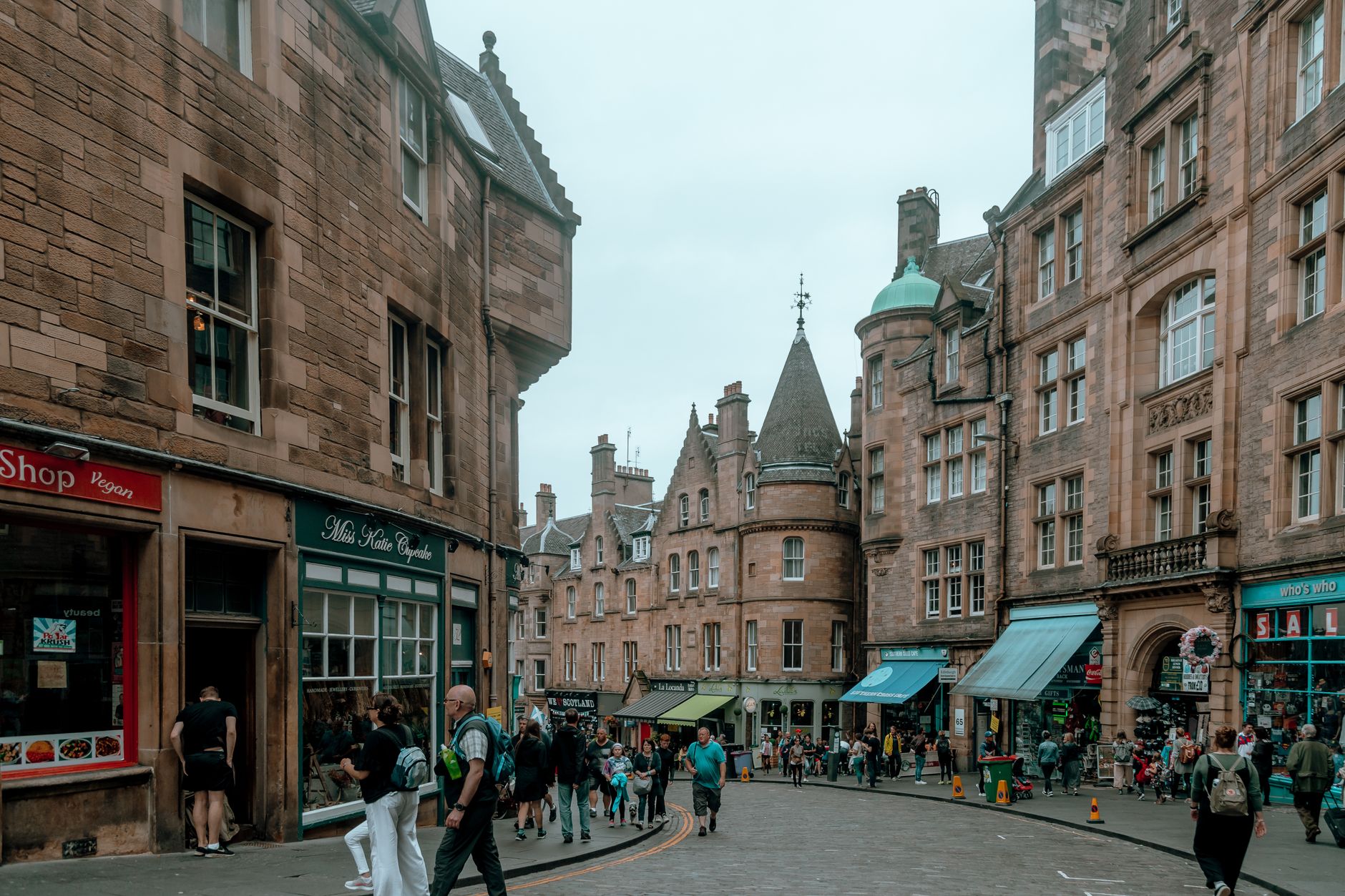
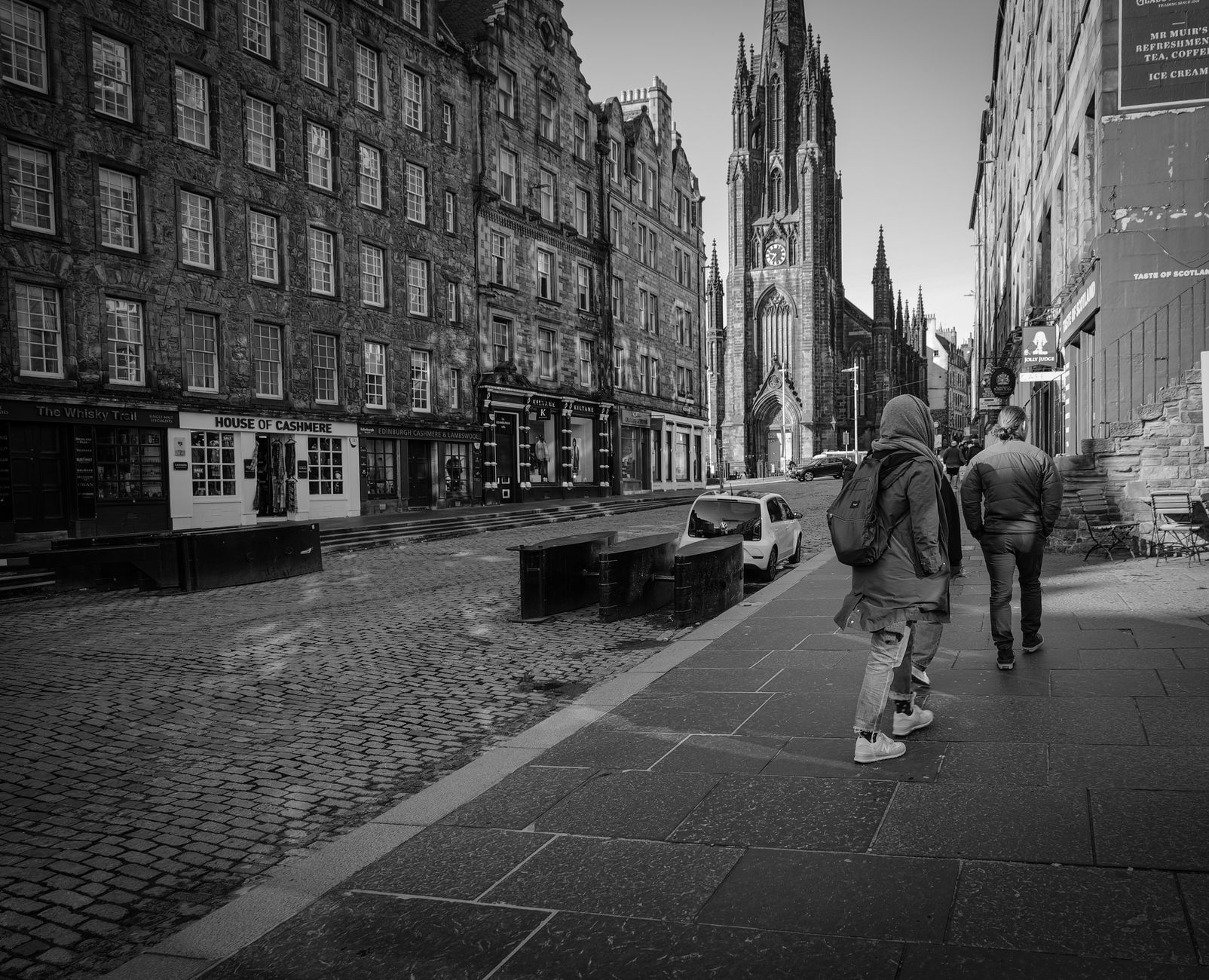
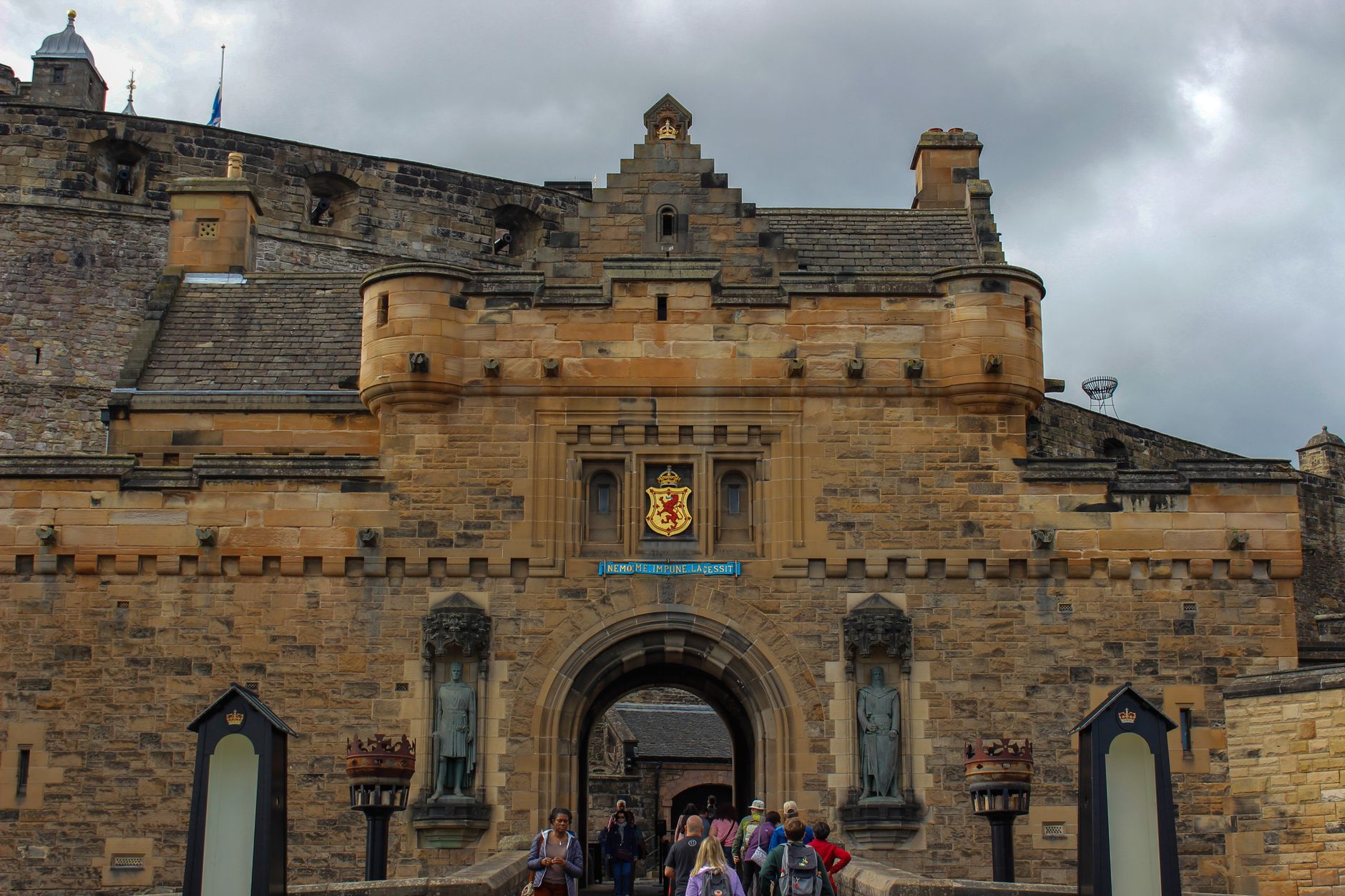
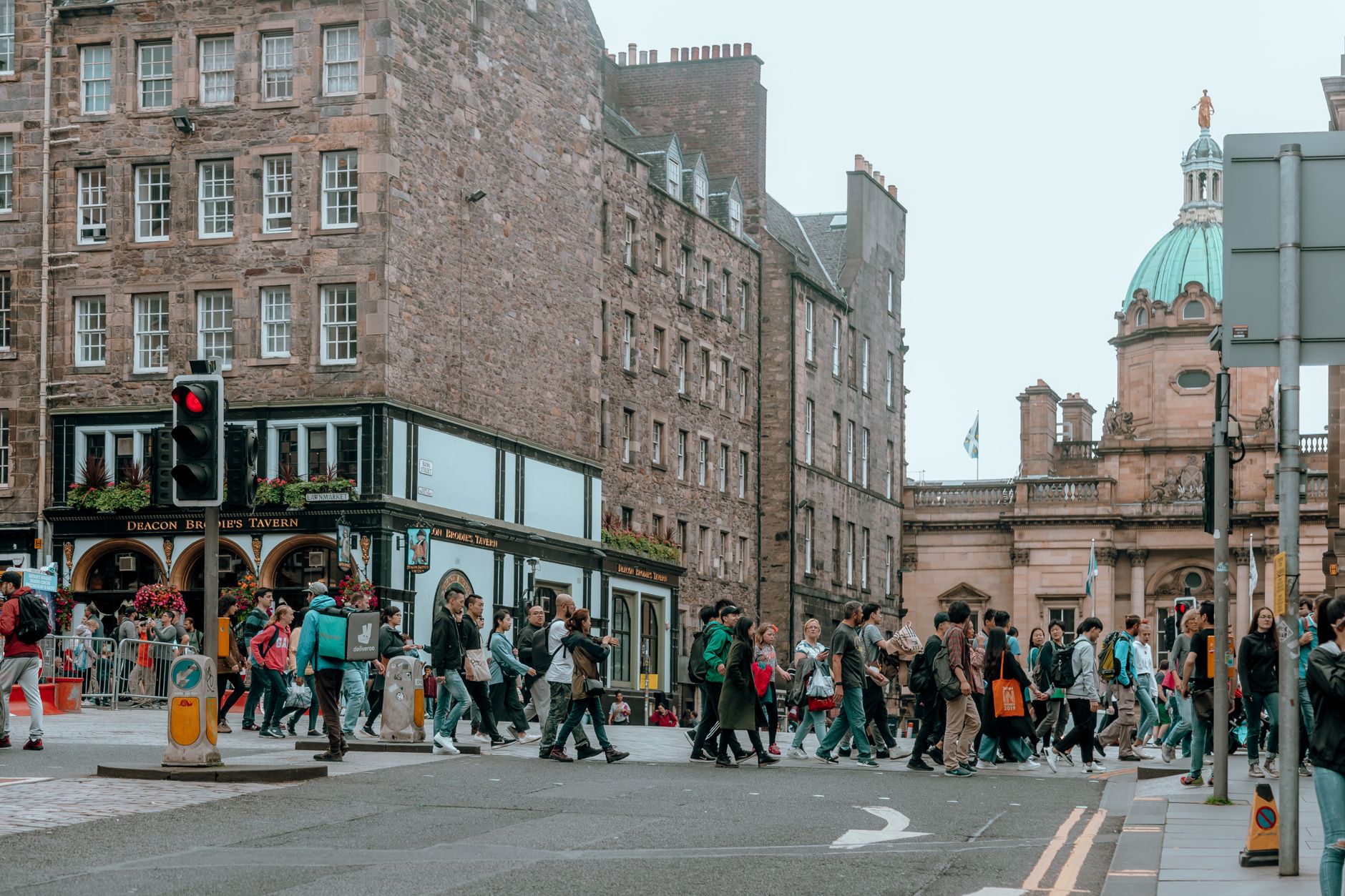
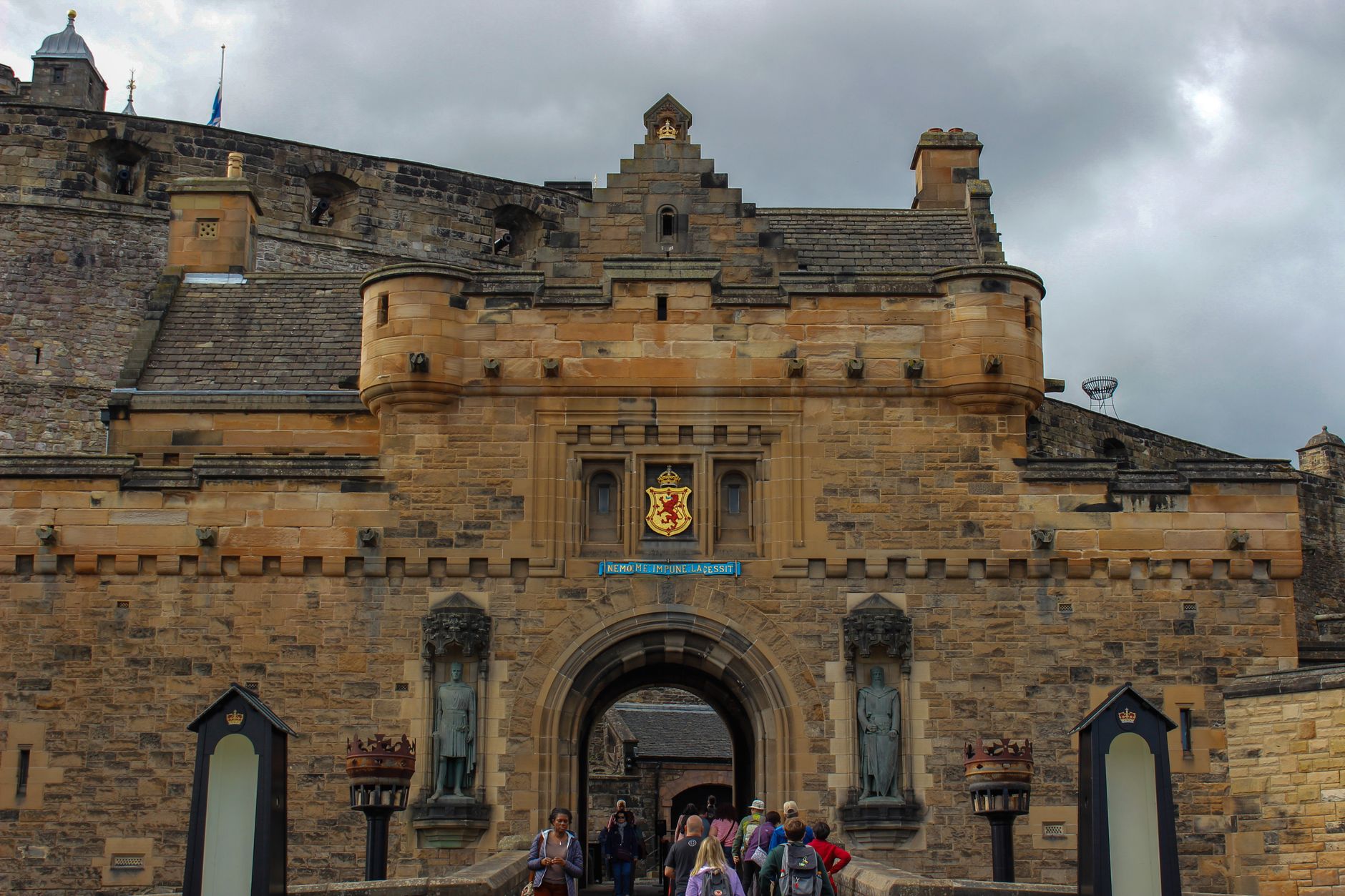
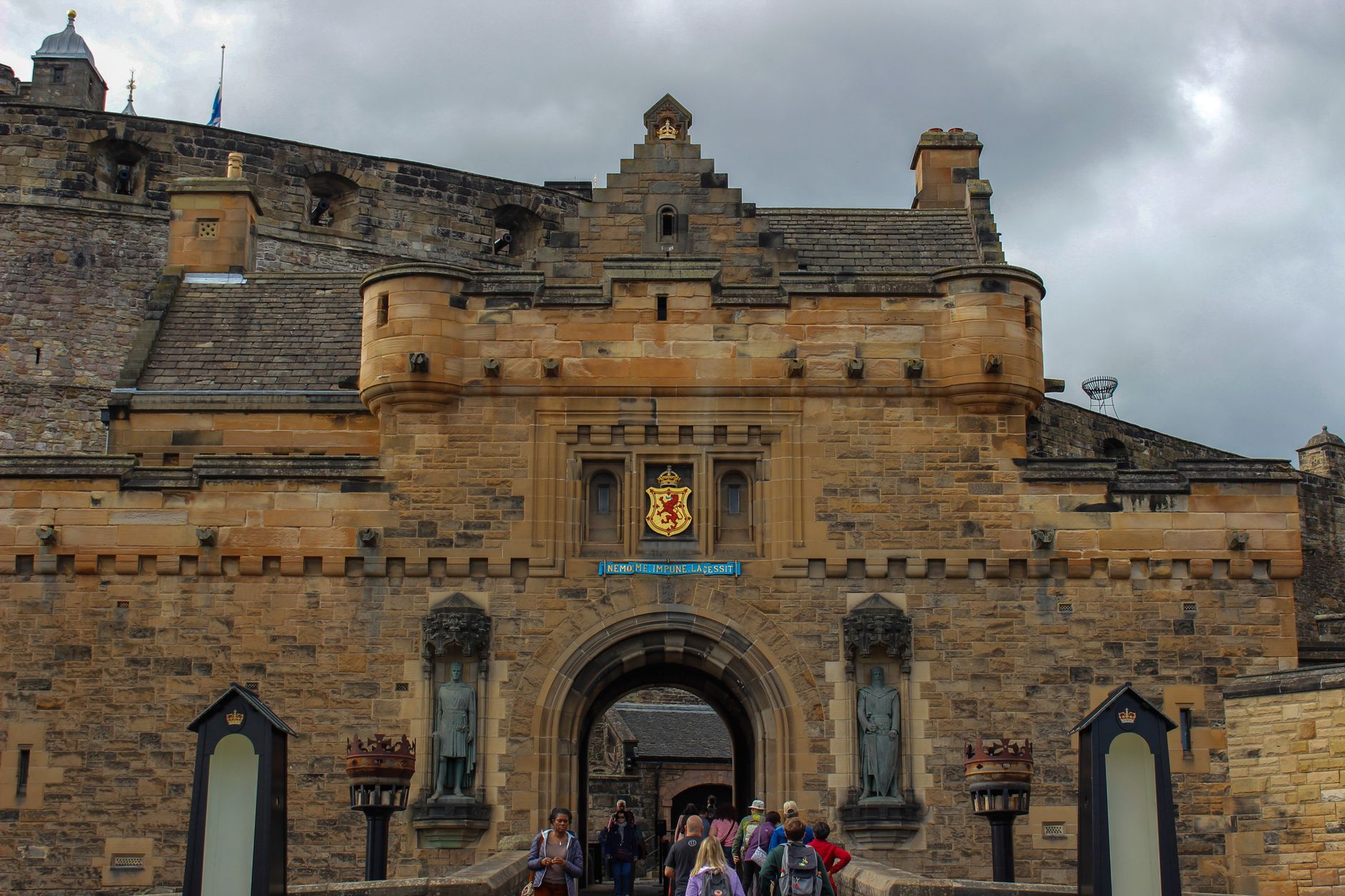
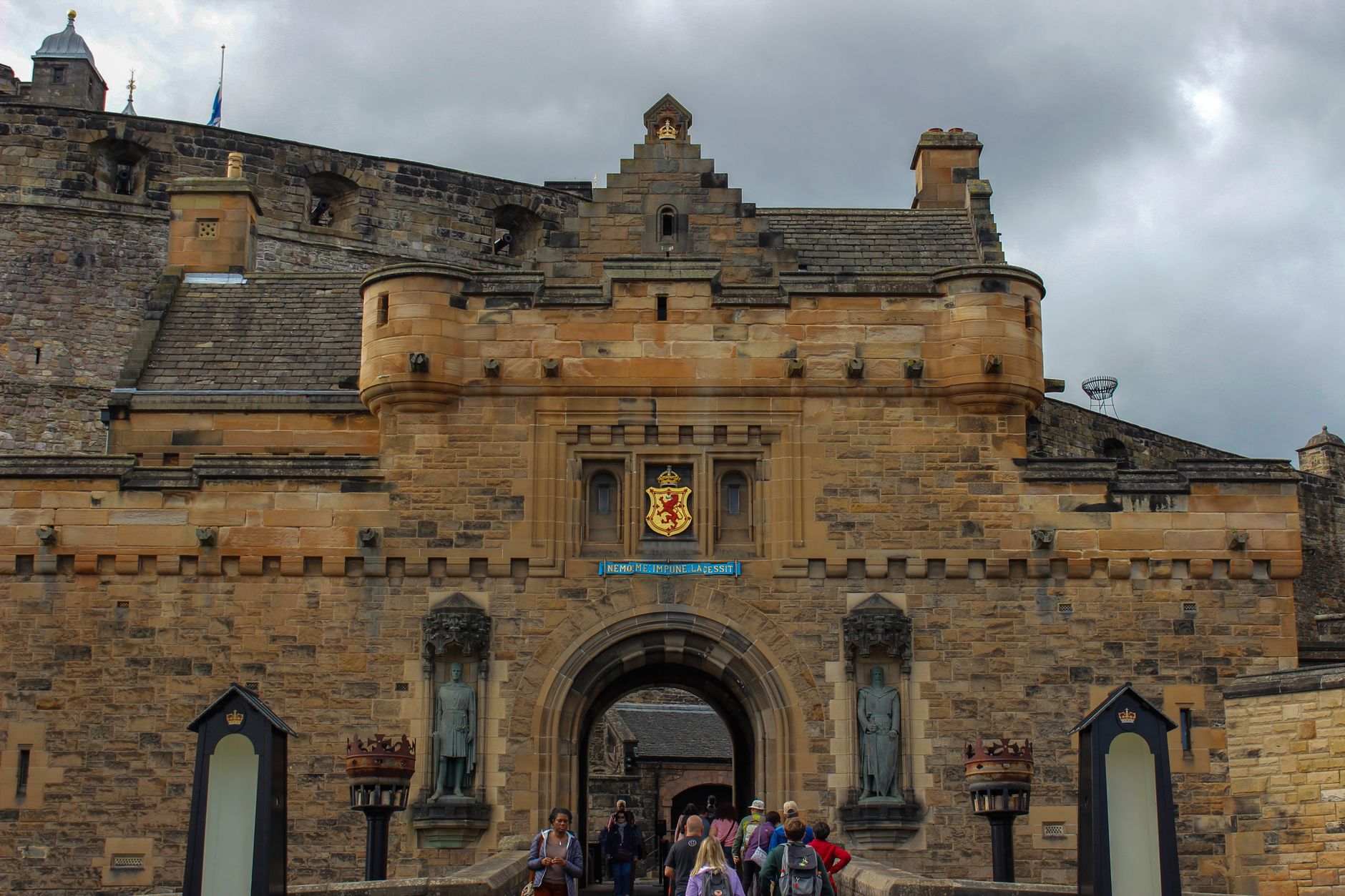
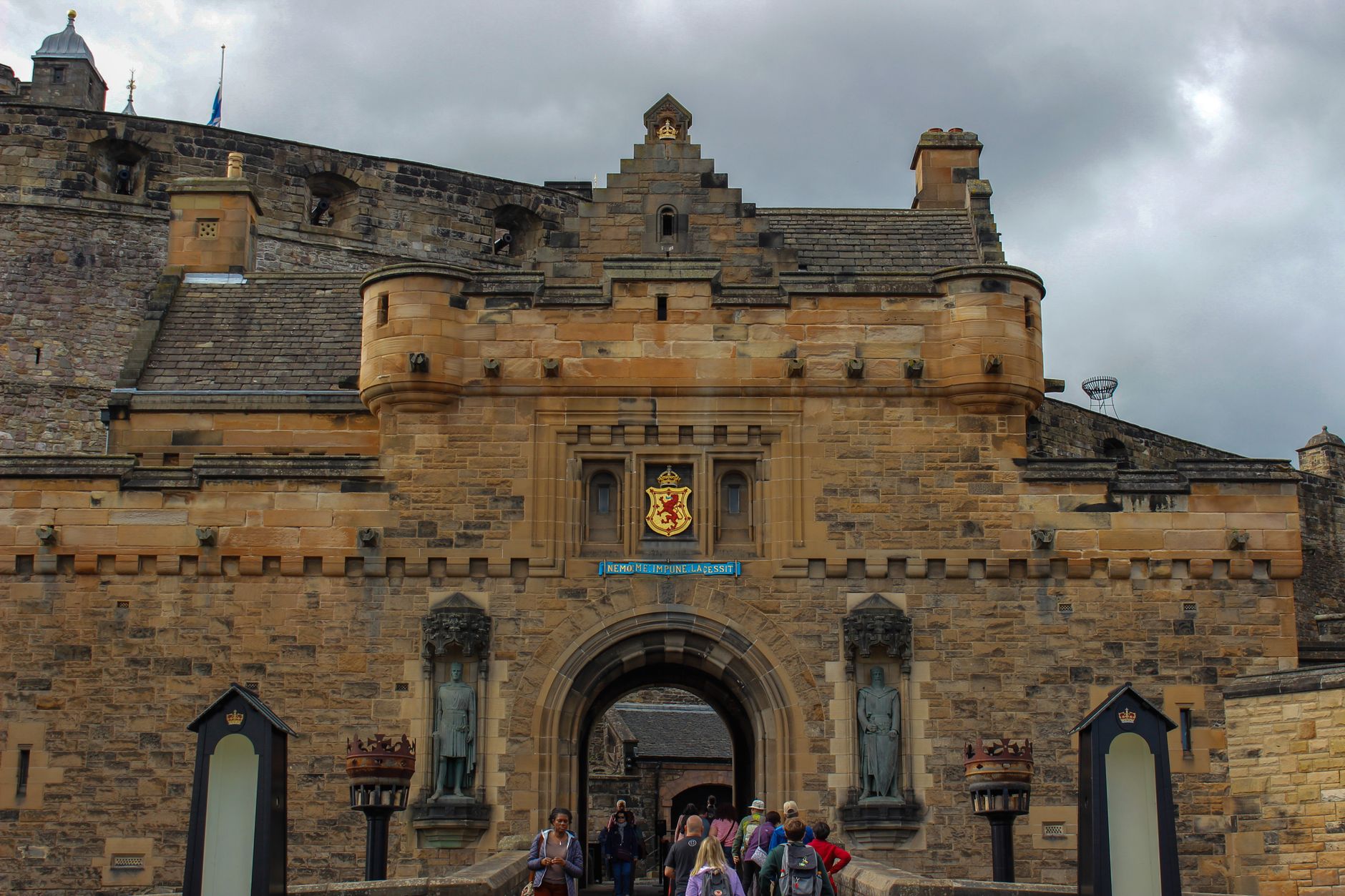
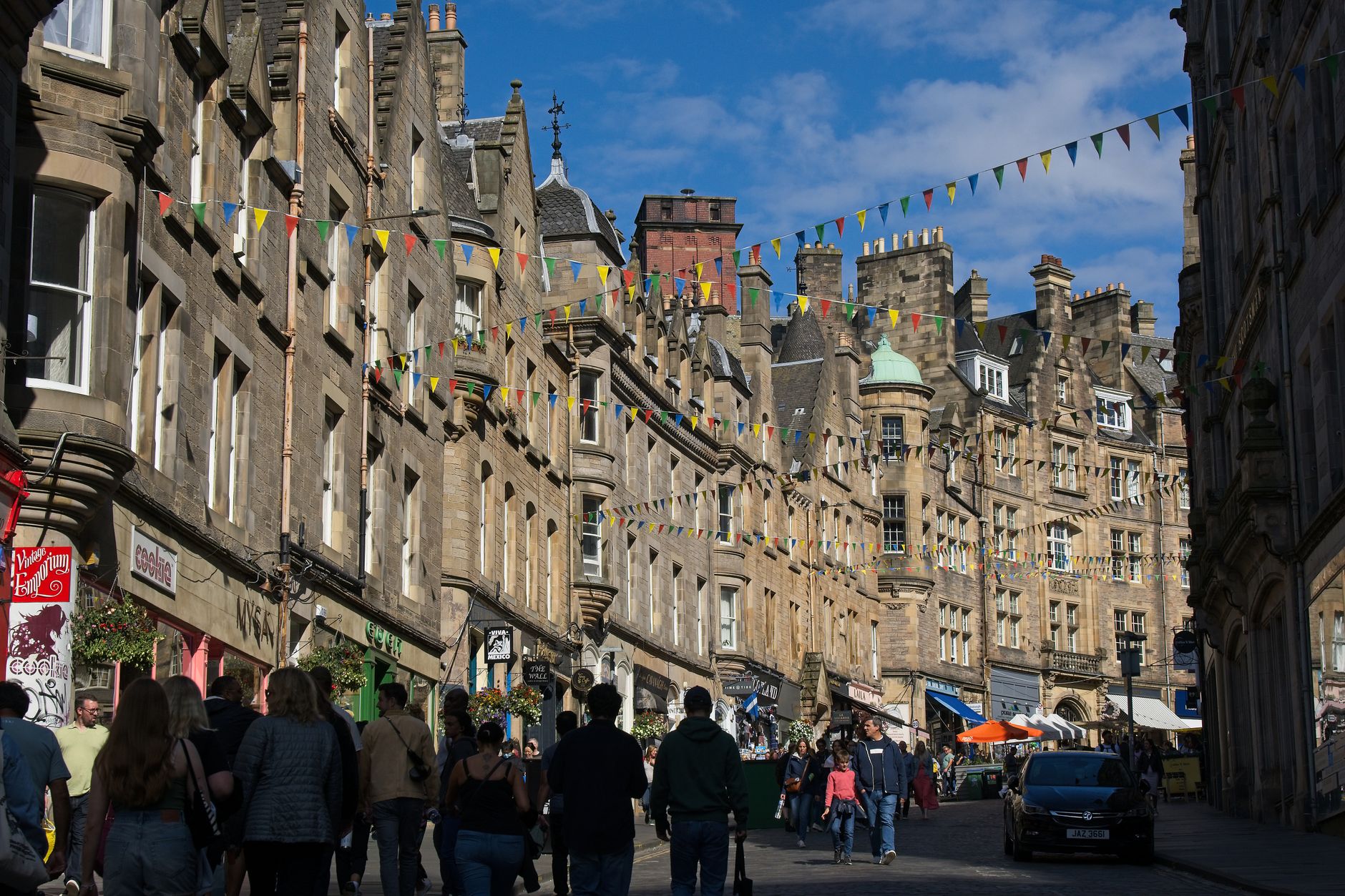
Edinburgh sits on a set of volcanic ridges and the tension between its two halves is the thing you notice first. The Old Town stacks upward — closes and tenements climbing toward a castle that has been besieged twenty-six times in eleven centuries — while the Georgian New Town spreads in cool, rational grids below. One city, two completely different ideas about what a city should be.
The region draws people who want both the Scottish Highlands and the North Sea coast within reach, but Edinburgh itself earns its own full days. The Royal Botanic Garden has been here since 1670. The tram will get you from the airport in thirty minutes. You can eat well, walk hard, and read deeply without leaving the centre.
Popular cities in Edinburgh
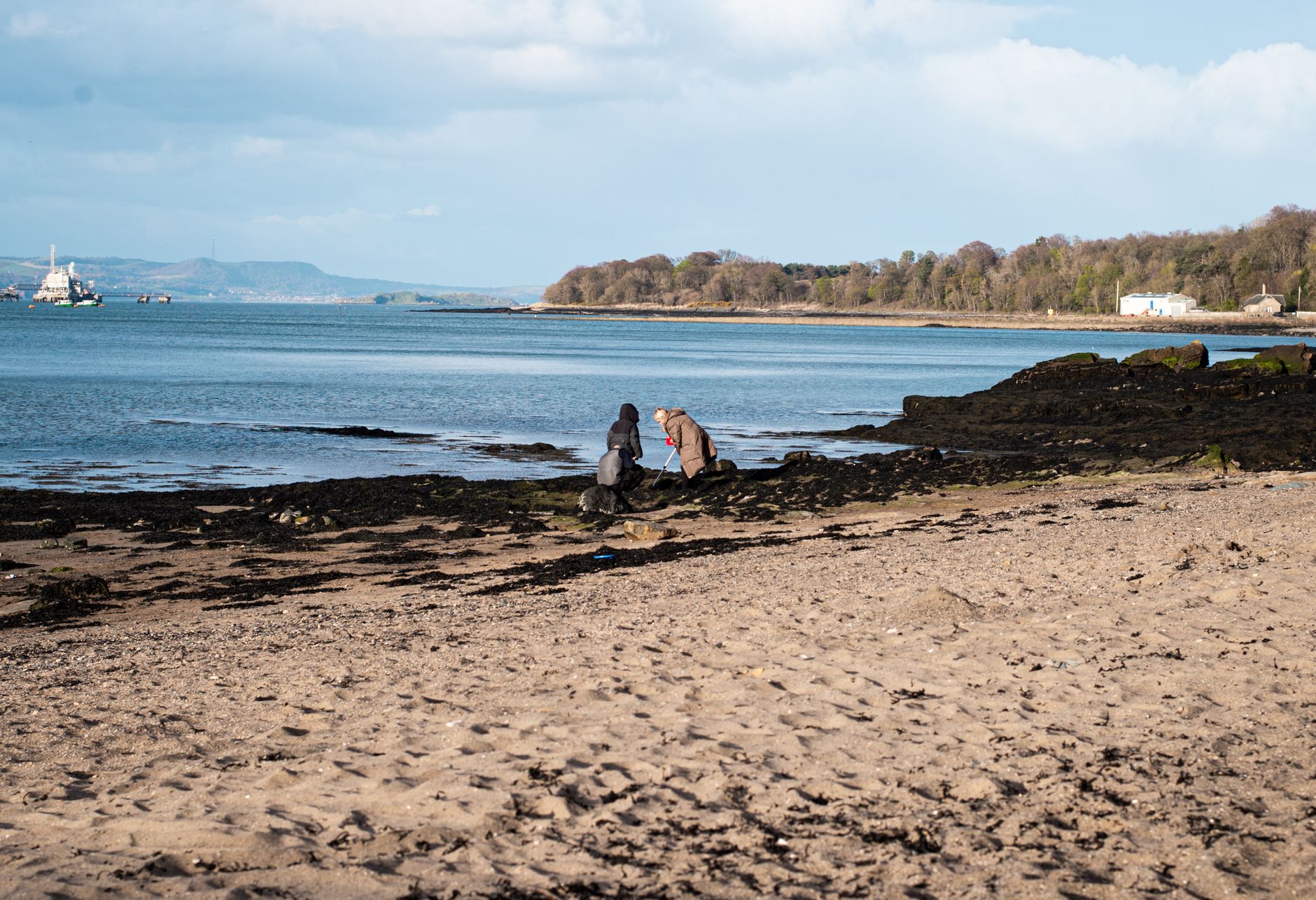
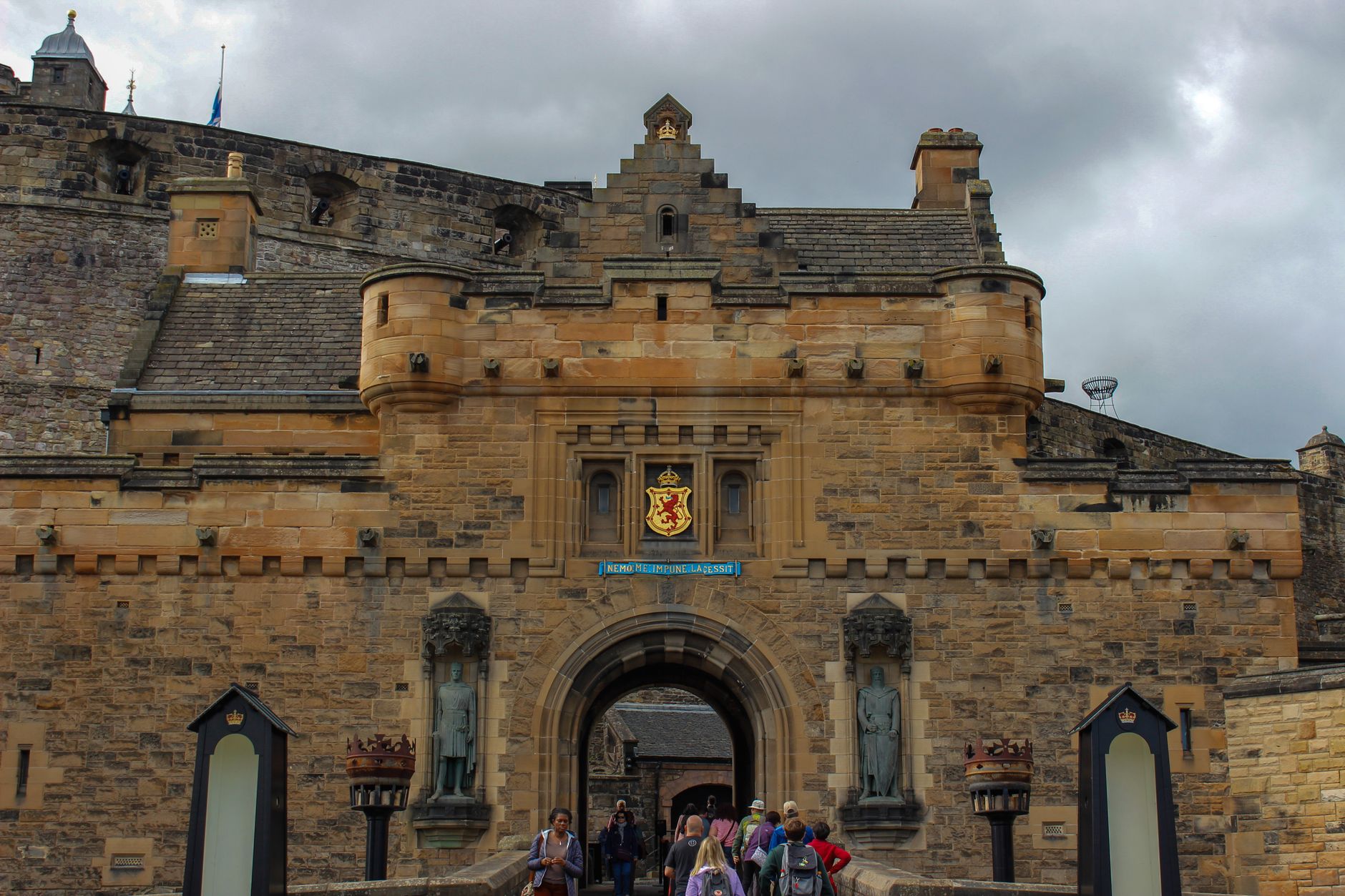
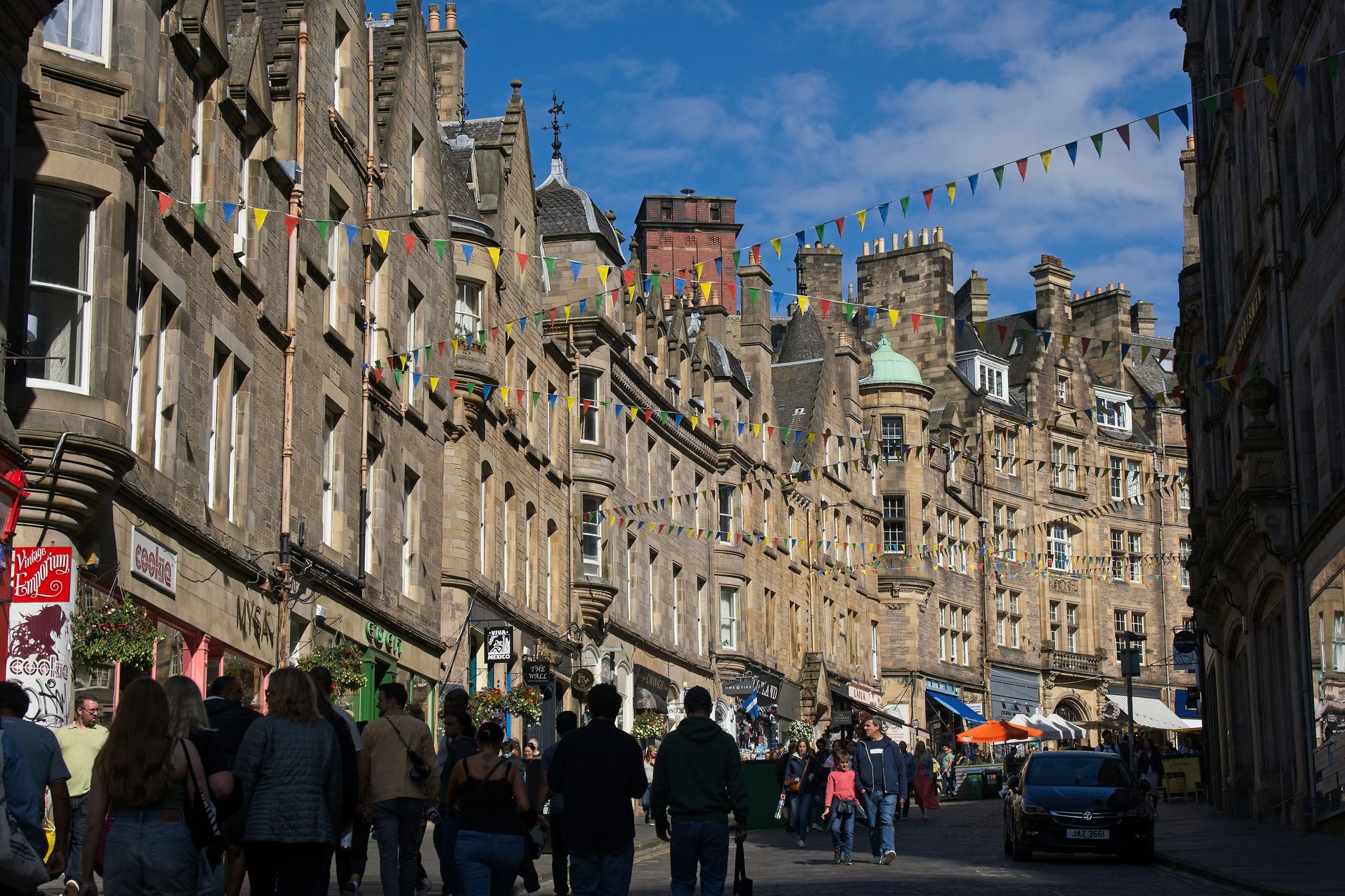
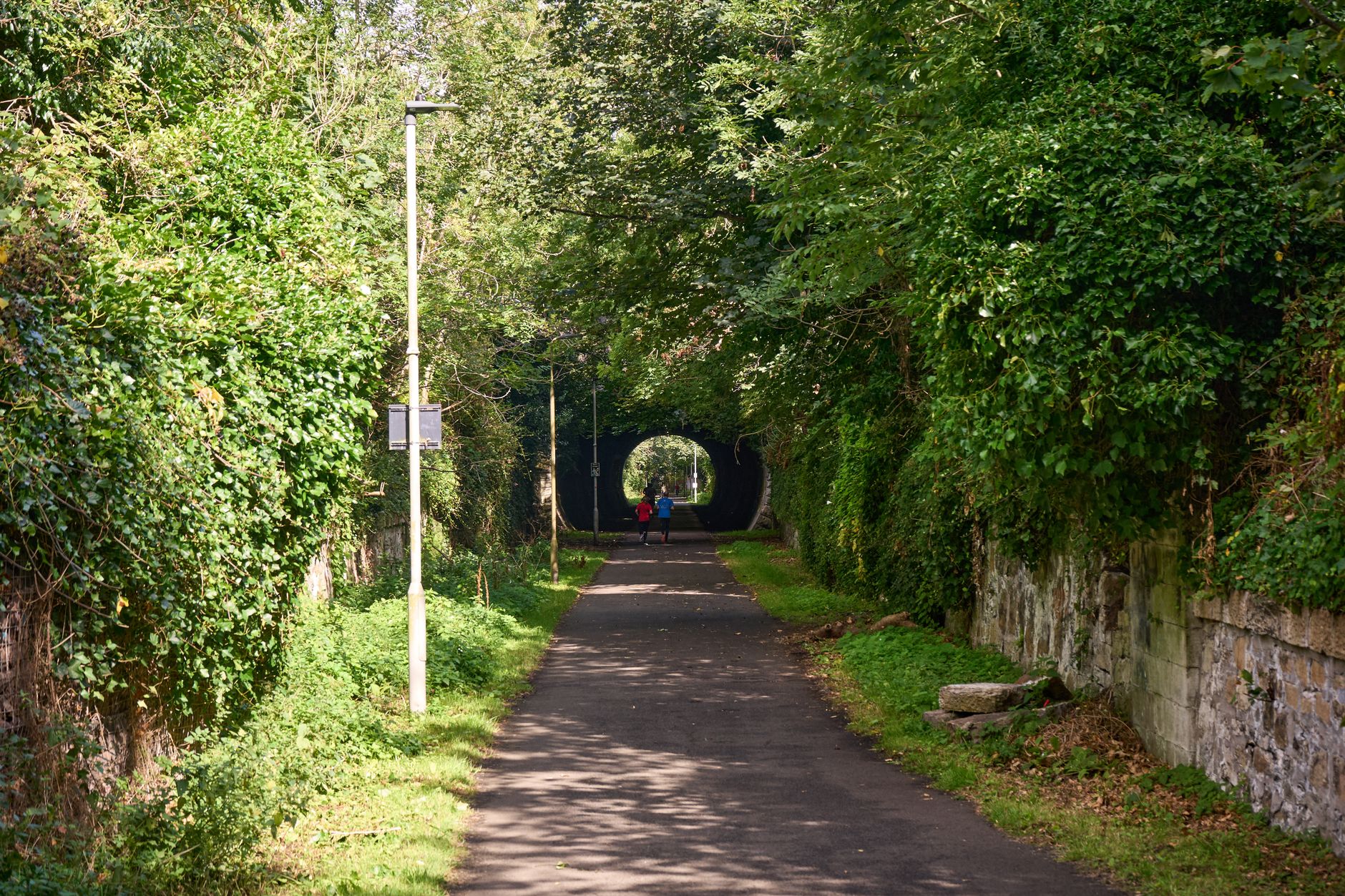
💛 What travellers fall for
People who come back tend to pick a neighbourhood and stay in it. Leith is the one that comes up most — the port end of the tram line, quieter, with a different tempo than the Royal Mile. The Botanic Garden is also a local habit: free to enter, large enough to lose an afternoon, and genuinely useful when the castle crowds feel like too much.
How Edinburgh came to be
People have been on Castle Rock for roughly three thousand years, and the Mesolithic site at Cramond dates to around 8500 BC. The name itself comes from old Anglian roots — 'Eiden' and 'burh', meaning fort — after the Angles moved through in the seventh century. The Scots recaptured the stronghold in 1018, and by the mid-fourteenth century Edinburgh was functioning as Scotland's capital. King David I had already set the frame: royal burgh status granted around 1127, and the Abbey of Holyrood founded in 1128.
The city's second act began in the eighteenth century. James Craig won the 1767 competition to design the New Town; Robert Adam shaped Charlotte Square and the General Register House. In those same decades, the city produced an extraordinary concentration of thinkers — Hume, Smith, Hutton, Black — and later James Clerk Maxwell, born at 14 India Street, who built the foundations of modern electromagnetism. The Scottish Parliament, re-established after devolution and housed in Enric Miralles's building since 2004, is the latest chapter.
Who and what shaped it
People who shaped it
Landmark buildings
See Edinburgh in motion
Plan your visit
On the map
When to go
Edinburgh is cool and changeable in all seasons — Atlantic fronts arrive without much warning, and even July averages around 18°C. Winters are grey and damp but rarely severe; spring and early autumn give the best balance of light and manageable temperatures.
Right now
↡ Cities
Background & history adapted from Wikipedia (CC BY-SA) · specs from Wikidata (CC0) · weather from Open-Meteo · map data © OpenStreetMap contributors · photos from Wikimedia Commons / Unsplash with per-image credit. No third-party reviews or social posts reproduced.