
Grassmarket
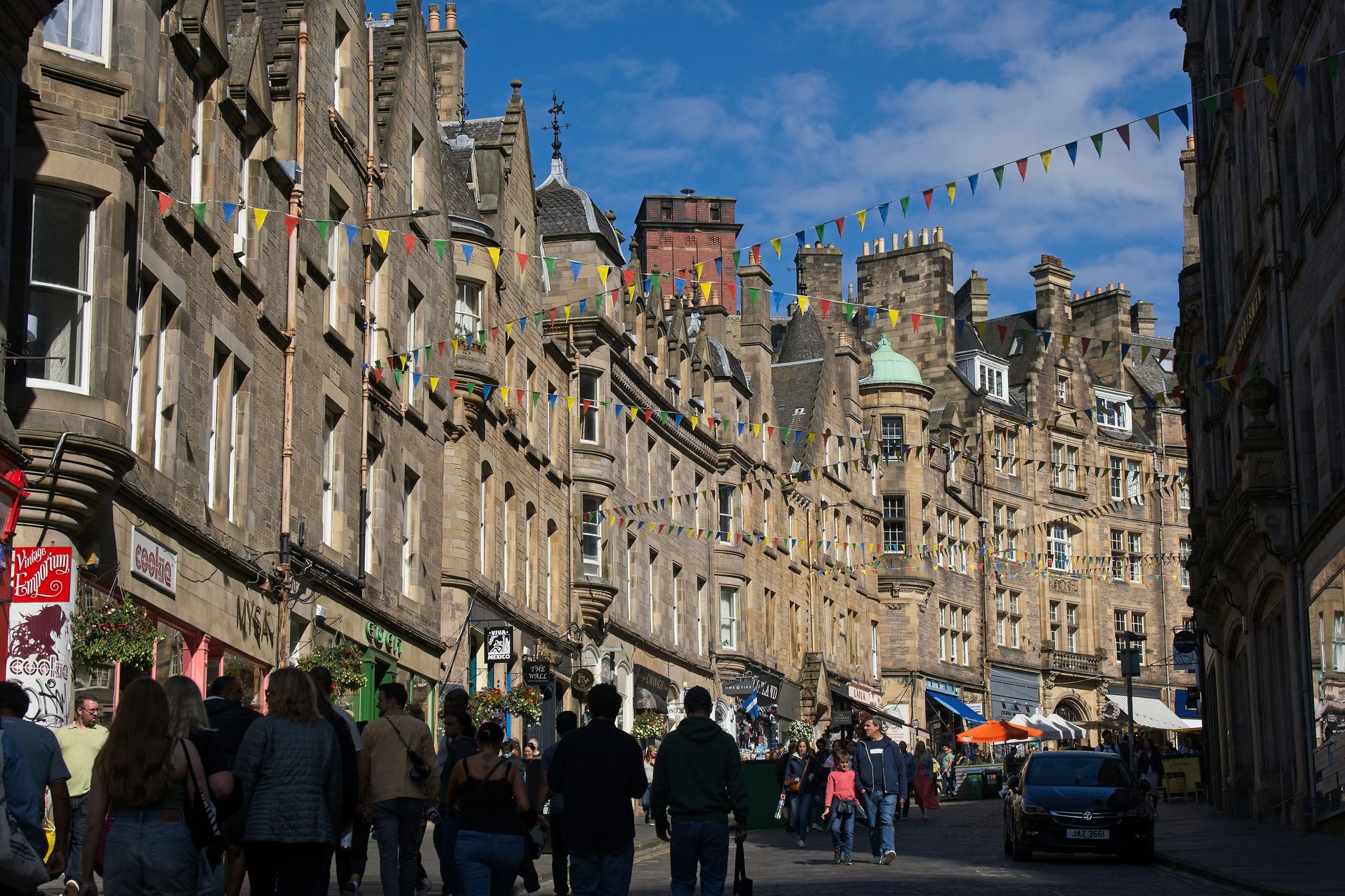
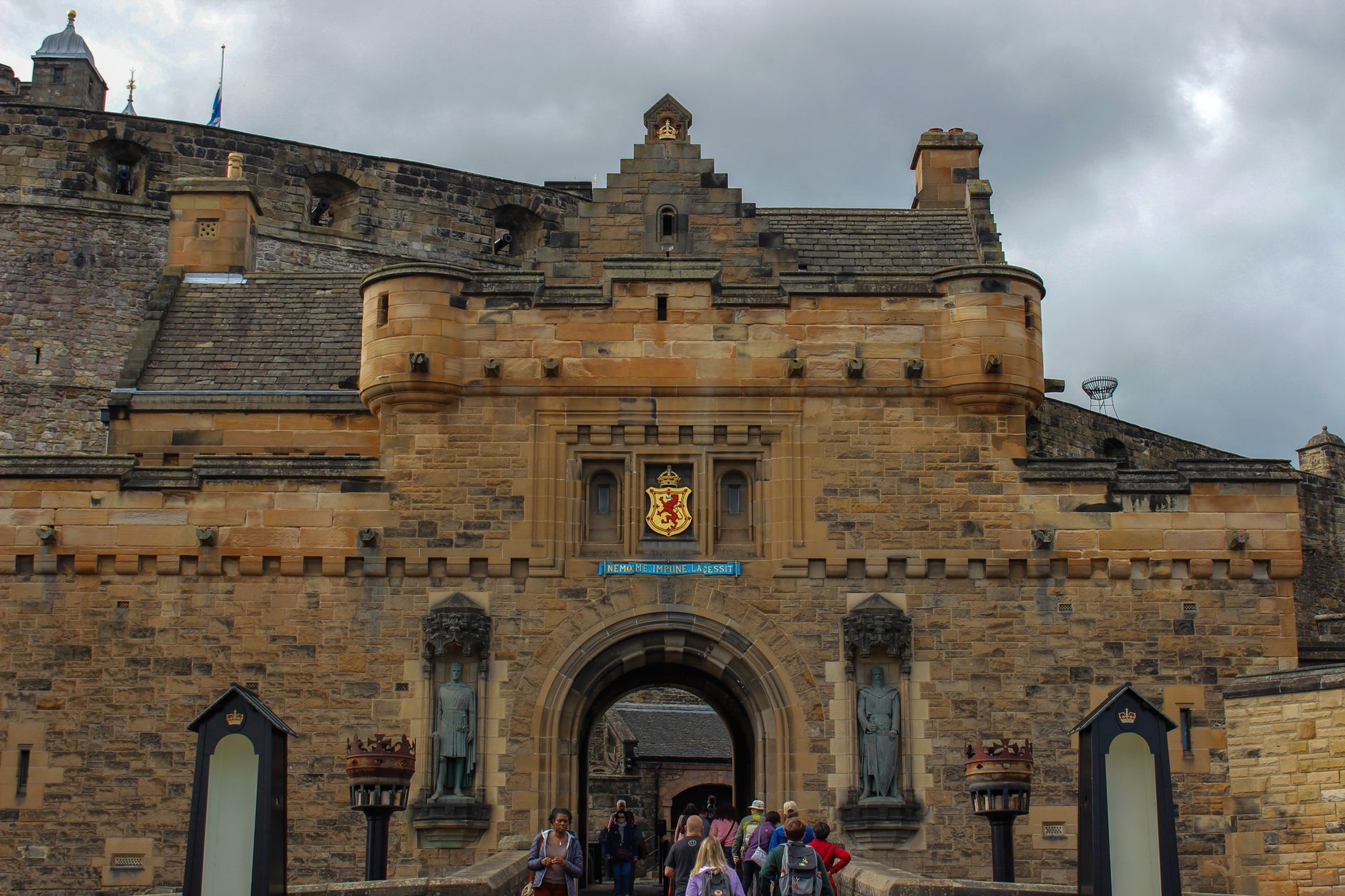

Stand in the middle of the Grassmarket on a Saturday morning and you are standing on one of the oldest pieces of civic ground in Edinburgh — a long, bowl-shaped square that has been a place of trade, punishment and public spectacle since King James III chartered its weekly market in 1477. The castle rock rises directly above you, sheer and grey, and the dark outline of a gibbet is set into the paving at your feet, marking the spot where the gallows stood from 1660 to 1784.
Today the square holds a farmers' market, a row of pubs with histories long enough to embarrass most cities, and the quiet Covenanters' Monument — a memorial erected by public subscription in 1937 to more than a hundred people executed here during the religious persecutions of the 1660s–80s. The layers sit close together, and the place is better for it.
💛 What travellers fall for
People who come back tend to start at the White Hart Inn — established 1516, which makes it older than most countries — before walking up the Vennel steps to see the surviving stretch of the Flodden Wall. From there the whole square opens below you, and the castle above, in a way that no street-level angle quite matches.
Deals in Grassmarket
Book directly at the provider

How Grassmarket came to be
The ground has been in use far longer than any charter: radiocarbon dating places human habitation here in the Middle Bronze Age, around 1300–1500 BCE, at the confluence of two cattle-droving routes into the city. By the late 15th century, after James III's 1477 charter, the area was divided into burgage plots and a proper market established — livestock, grain, goods moving through a square that sat just outside the Old Town's densest fabric.
The Grassmarket also served as Edinburgh's principal execution ground. The gibbet claimed Covenanters during the Killing Time, and in 1724 a young woman named Margaret Dickson was hanged there for concealing a pregnancy, only to revive in her coffin on the road back to Musselburgh — earning the nickname 'Half-hangit Maggie' that a pub still carries today. The meat market that had occupied the western end closed in 1911 when a municipal slaughterhouse at Tollcross replaced it, and a £5 million streetscape overhaul in 2009–10 reshaped the square into its current form.
Who and what shaped it
People who shaped it
Landmark buildings
See Grassmarket in motion
Plan your visit
On the map
When to go
Edinburgh's weather is changeable in every season — mild summers that can turn wet without warning, and winters that are cold and often damp but rarely severe. The open square offers little shelter from wind, so a layer is worth carrying even in July.
Right now
Background & history adapted from Wikipedia (CC BY-SA) · specs from Wikidata (CC0) · weather from Open-Meteo · map data © OpenStreetMap contributors · photos from Wikimedia Commons / Unsplash with per-image credit. No third-party reviews or social posts reproduced.