
Newington

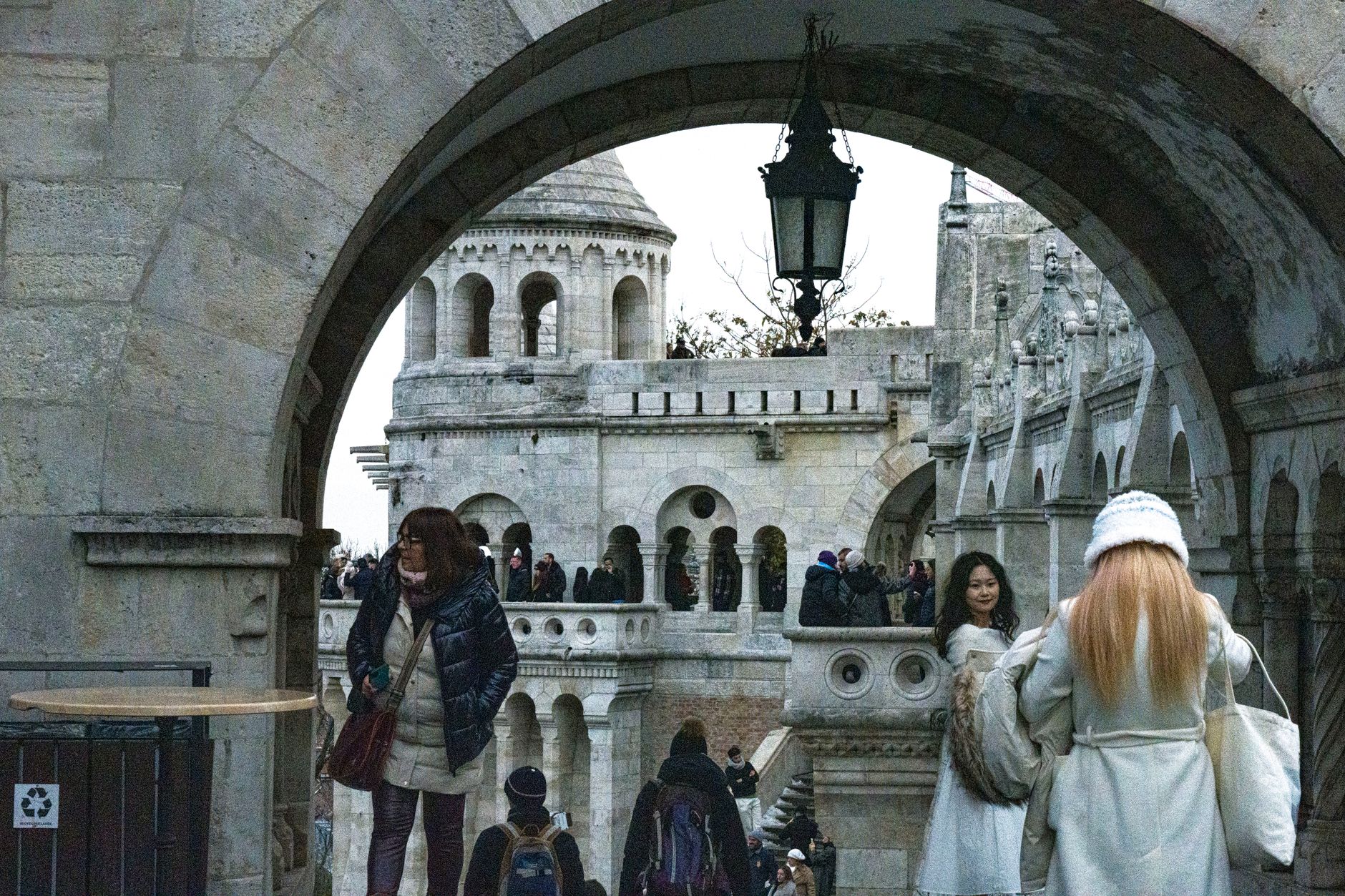
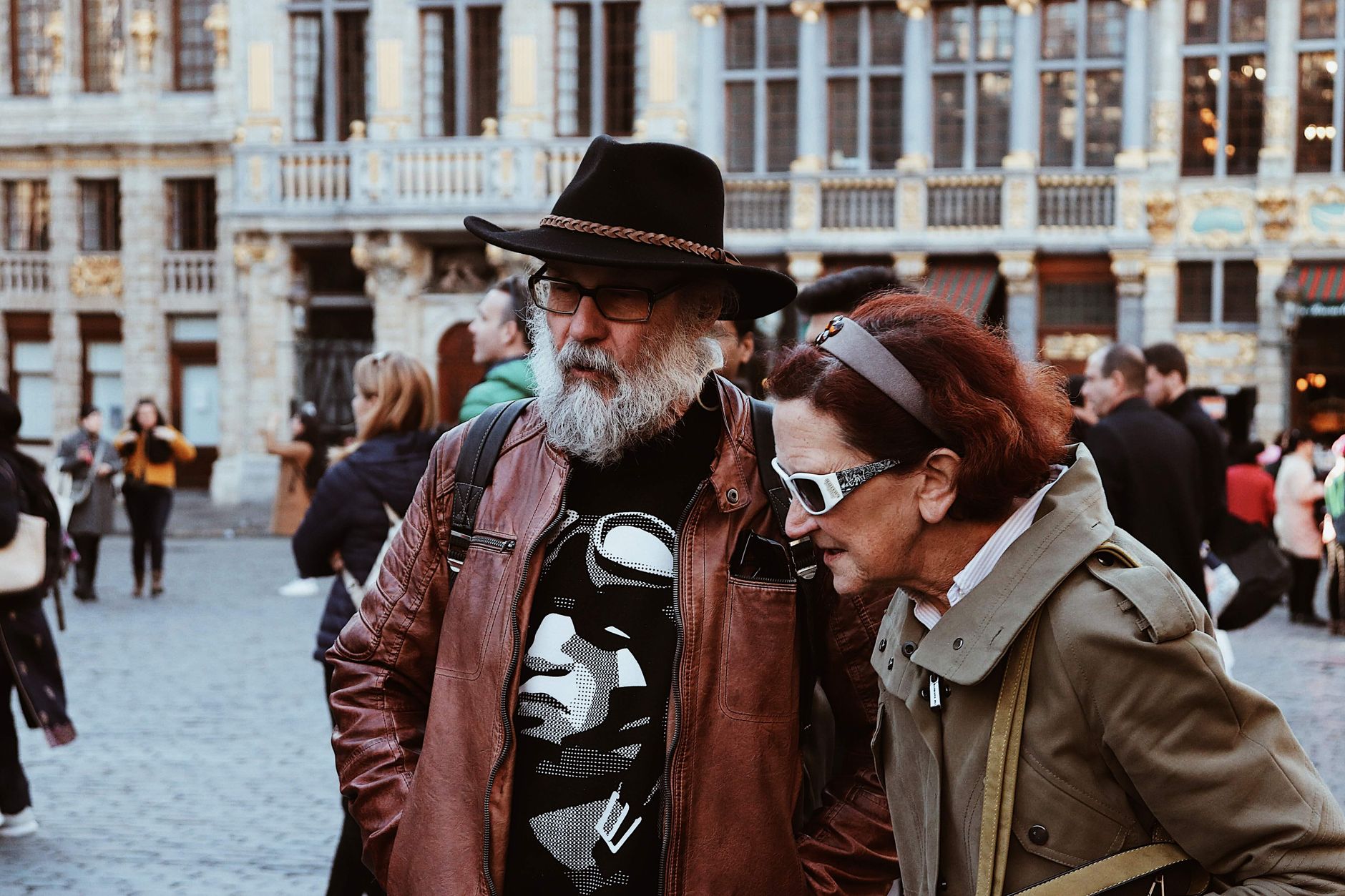

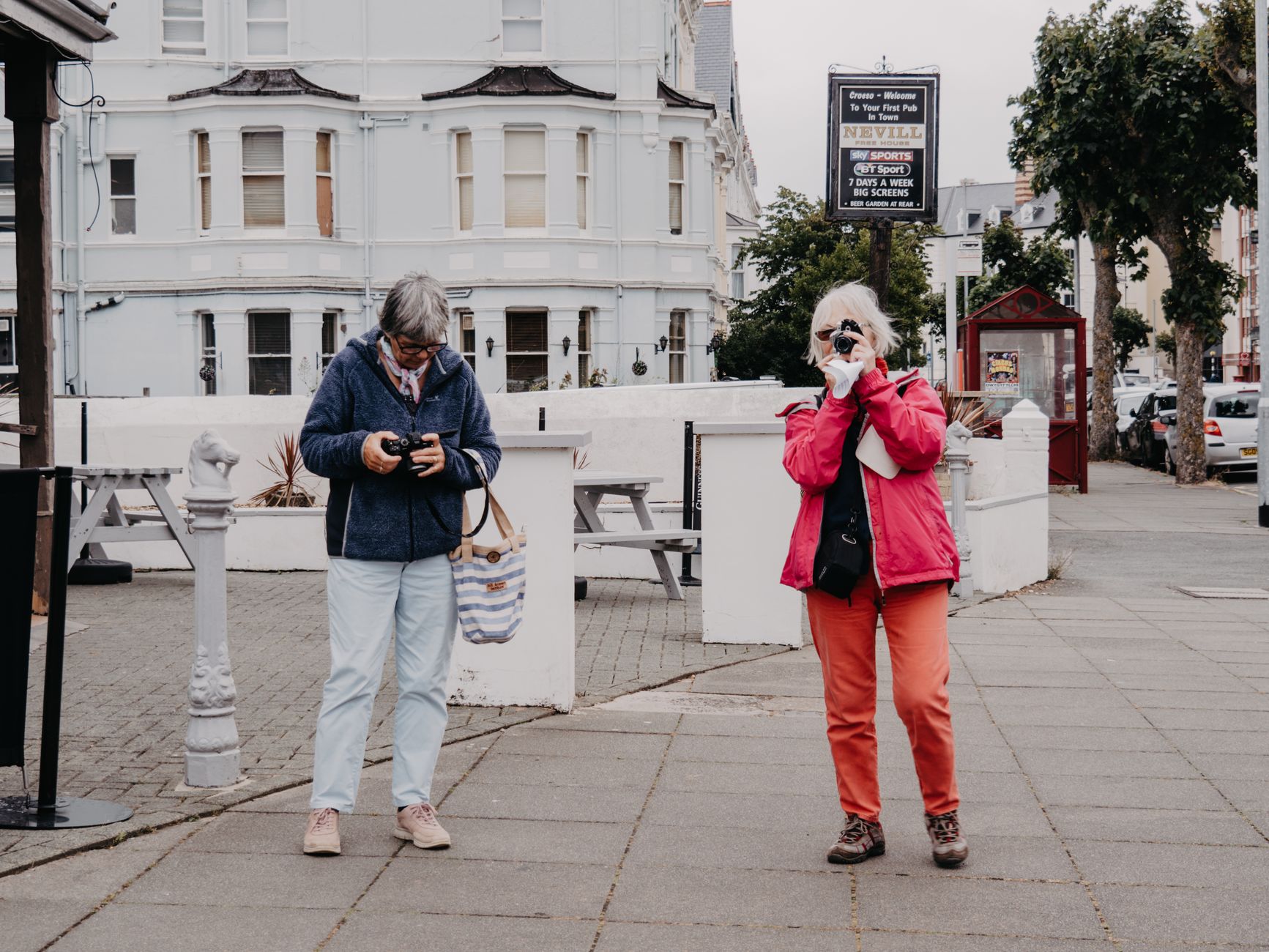

Walk south from the Meadows and Newington announces itself quietly: a neighbourhood of sandstone terraces, church spires competing for the skyline, and streets wide enough that the city feels like it has room to breathe. This is where Edinburgh's Victorian confidence plays out at a domestic scale — not the grand theatre of the Old Town, but the solid, liveable confidence of a place that knew it was going somewhere.
Newington sits about a mile and a quarter south of the centre, close enough to walk in from the Royal Mile but self-contained enough to have its own rhythms. The Southside's bookshops, the Royal Observatory on Blackford Hill, a synagogue that is the only one in the city — the neighbourhood rewards the kind of walking that doesn't have a fixed destination.
💛 What travellers fall for
People who come back tend to mention the same stretch: Blacket Place, a quiet residential enclave of 1840s villas where Dr Joseph Bell — the Edinburgh surgeon who inspired Sherlock Holmes — was an early resident. It's easy to miss if you don't know to look. Walk it in the late afternoon when the light catches the stonework.
Deals in Newington
Book directly at the provider

How Newington came to be
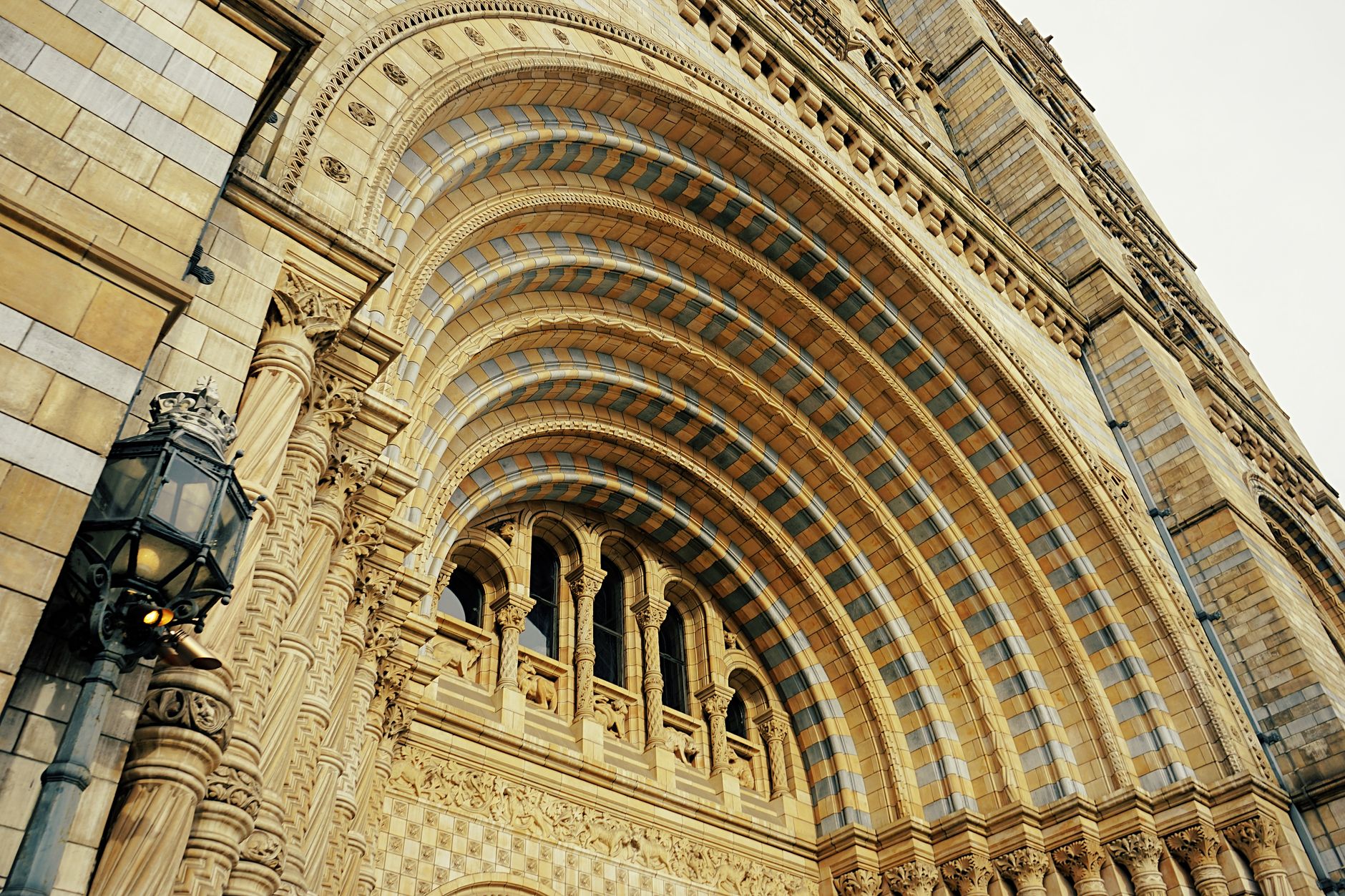
The name Newington likely derives from 'Newton' — new farm — and the area was stitched together plot by plot in the early seventeenth century, with a family called Slowman acquiring five of the six original lots between 1602 and 1628. It remained largely agricultural until Edinburgh's South Bridge opened in 1788, making the southern suburbs suddenly accessible.
The real engine of change was Dr Benjamin Bell, who acquired the lands in 1805 and began building Newington House before dying in 1806, leaving others to finish what he started. Buses arrived in the 1850s, trams in 1871, and a railway station in 1884 — the line closed to passengers in 1962 but still carries freight. By 1865 a public health report had found Newington to be Edinburgh's most densely populated southern suburb, a measure of how quickly it had filled in.
Who and what shaped it
People who shaped it
Landmark buildings
See Newington in motion
Plan your visit
On the map
When to go
Edinburgh's weather is reliably unpredictable: mild summers that rarely get hot, and winters that are cold, damp and grey rather than dramatically harsh. Rain is possible in any month, so a layer and something waterproof are sensible year-round; late spring and early autumn tend to offer the best balance of daylight and manageable temperatures.
Right now
Background & history adapted from Wikipedia (CC BY-SA) · specs from Wikidata (CC0) · weather from Open-Meteo · map data © OpenStreetMap contributors · photos from Wikimedia Commons / Unsplash with per-image credit. No third-party reviews or social posts reproduced.