
Murrayfield
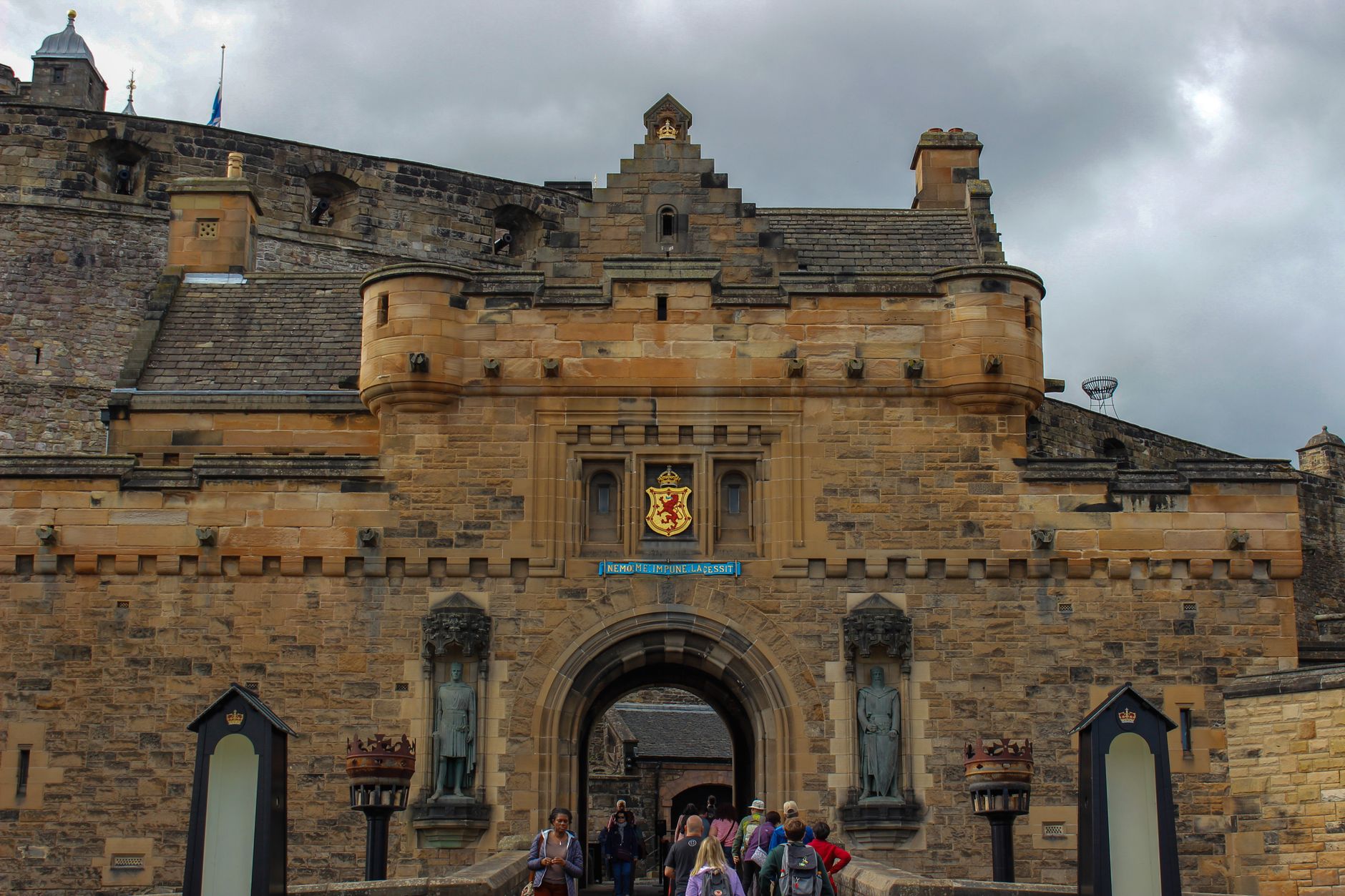
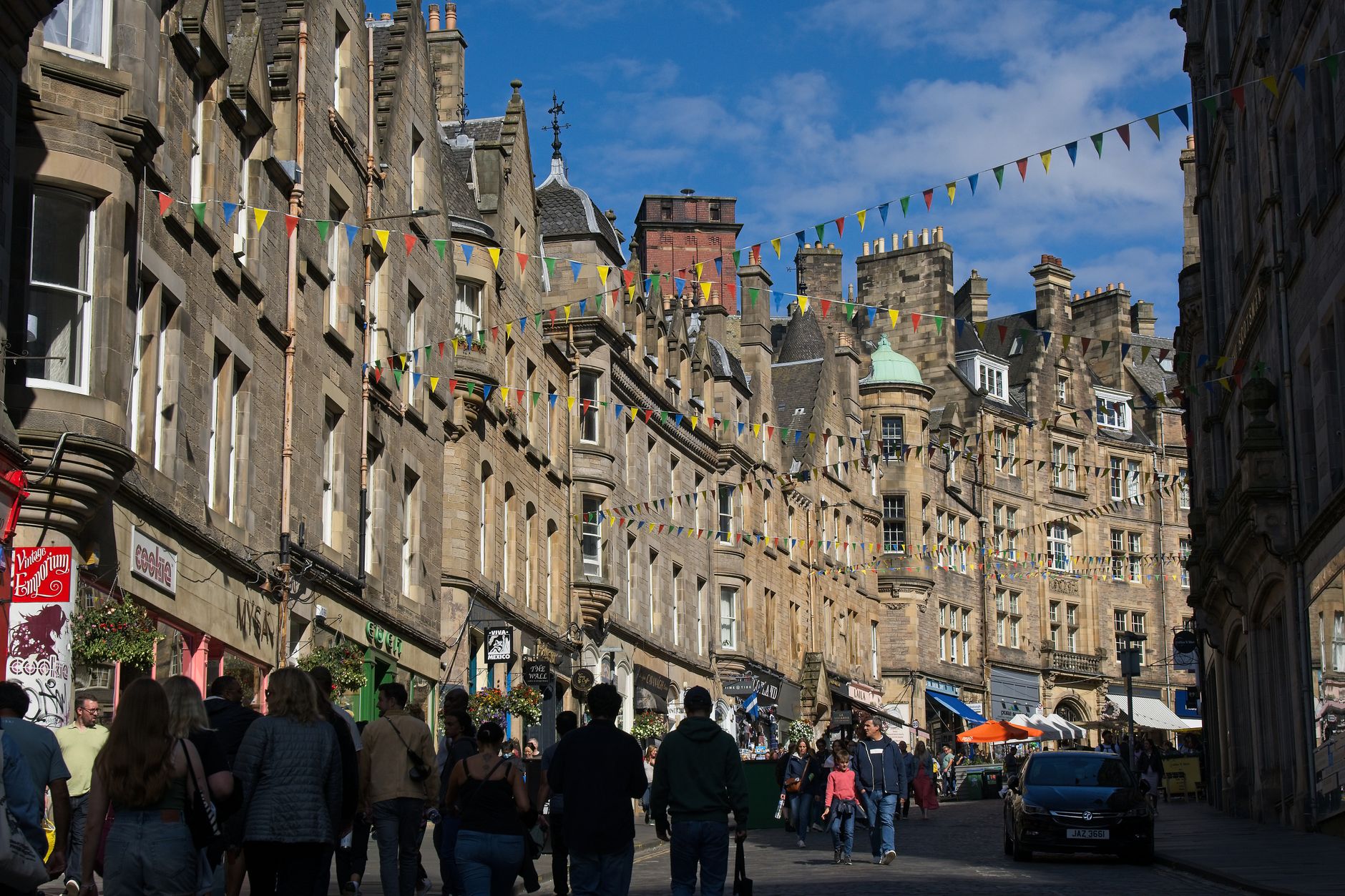

The name on the stadium changes with the sponsorship cycle, but the address stays the same: a broad green bowl on the western edge of Edinburgh where, on match days, 67,000 people arrive by tram, on foot and in a slow crawl of cars along Corstorphine Road. Scottish Gas Murrayfield is the largest stadium in Scotland and the fifth largest in the UK, yet the Water of Leith still runs quietly along its perimeter, as if the whole thing had simply grown up around the river.
Off-event days, Murrayfield is a residential neighbourhood of wide Victorian and Edwardian streets, private school gates and, on Easter Belmont Road, the kind of sandstone detachment that earns a postcode its reputation. The ice rink — Scotland's largest, open since 1952 — runs its own parallel life in the stadium's shadow.
💛 What travellers fall for
People who come back tend to walk the Water of Leith path before or after a match rather than queuing on Corstorphine Road. Roseburn Park, two minutes from the north turnstiles, gives you space to decompress. The tram is genuinely the call on event days — the stop is right outside the Roseburn Street entrance, lifts included.
Deals in Murrayfield
Book directly at the provider


How Murrayfield came to be
The land here was Nisbet's Park until 1733, when Archibald Murray bought it and built Murrayfield House two years later. His son Alexander, later Lord Henderland, was born there in 1736. The area remained largely rural into the early nineteenth century; William Playfair designed Belmont House in 1828 for Lord Mackenzie, one of the first formal marks of the neighbourhood's genteel ambitions.
The stadium arrived in 1925, when the Scottish Rugby Union purchased 19 acres from the Edinburgh Polo Club and opened the ground on 21 March with Scotland facing England. During the Second World War the pitch became a Royal Army Service Corps supply depot. A twelve-year, nearly £50 million redevelopment programme eventually produced the all-seated, all-covered ground that stands today.
Who and what shaped it
People who shaped it
Landmark buildings
See Murrayfield in motion
Plan your visit
On the map
When to go
Edinburgh's west-end weather is typical of the city: mild, grey and prone to rain at any season. Winter internationals mean cold terraces and short days, so layers matter; summer concerts can be genuinely warm but a light waterproof is rarely wasted.
Right now
Background & history adapted from Wikipedia (CC BY-SA) · specs from Wikidata (CC0) · weather from Open-Meteo · map data © OpenStreetMap contributors · photos from Wikimedia Commons / Unsplash with per-image credit. No third-party reviews or social posts reproduced.