
Cramond
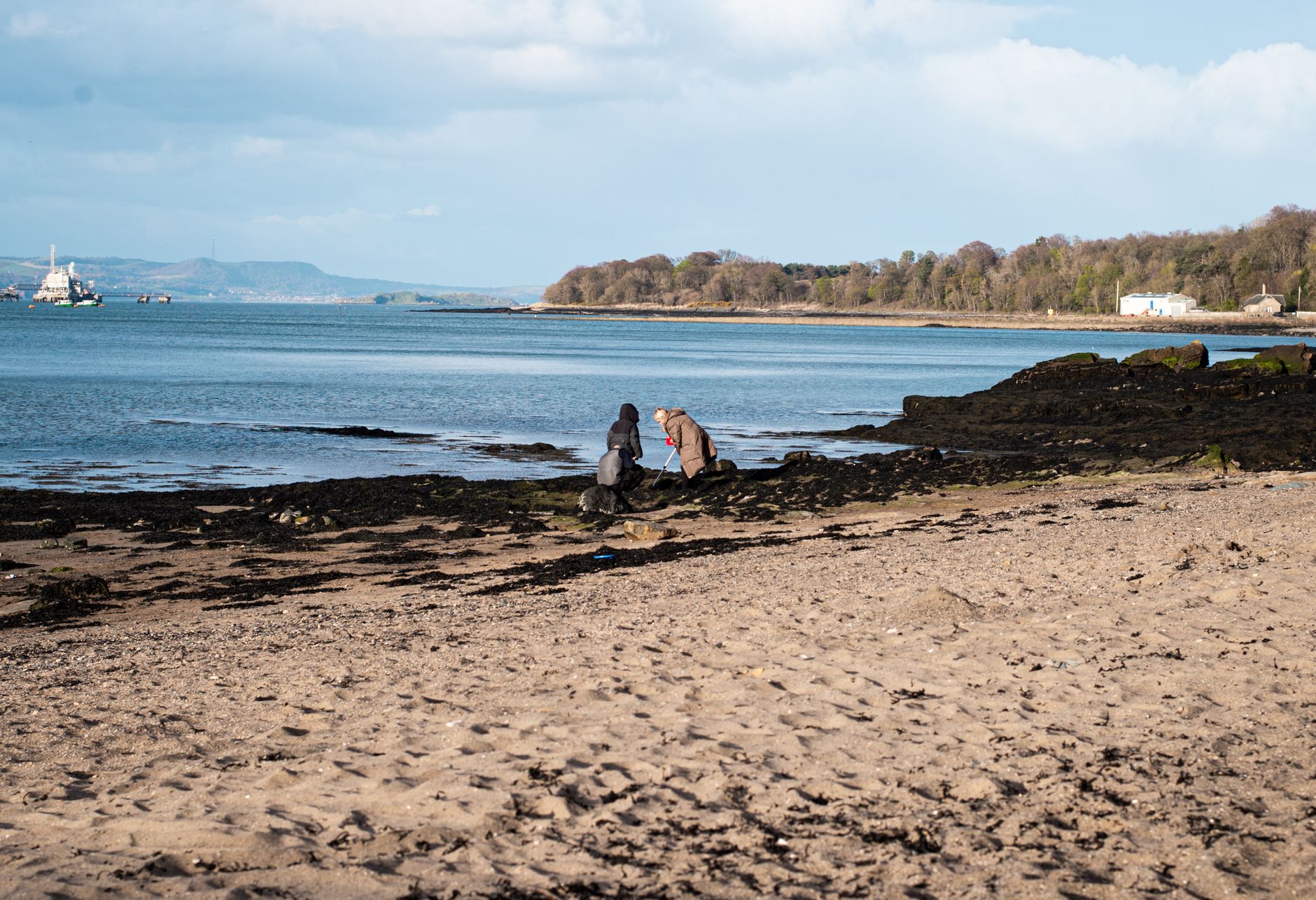
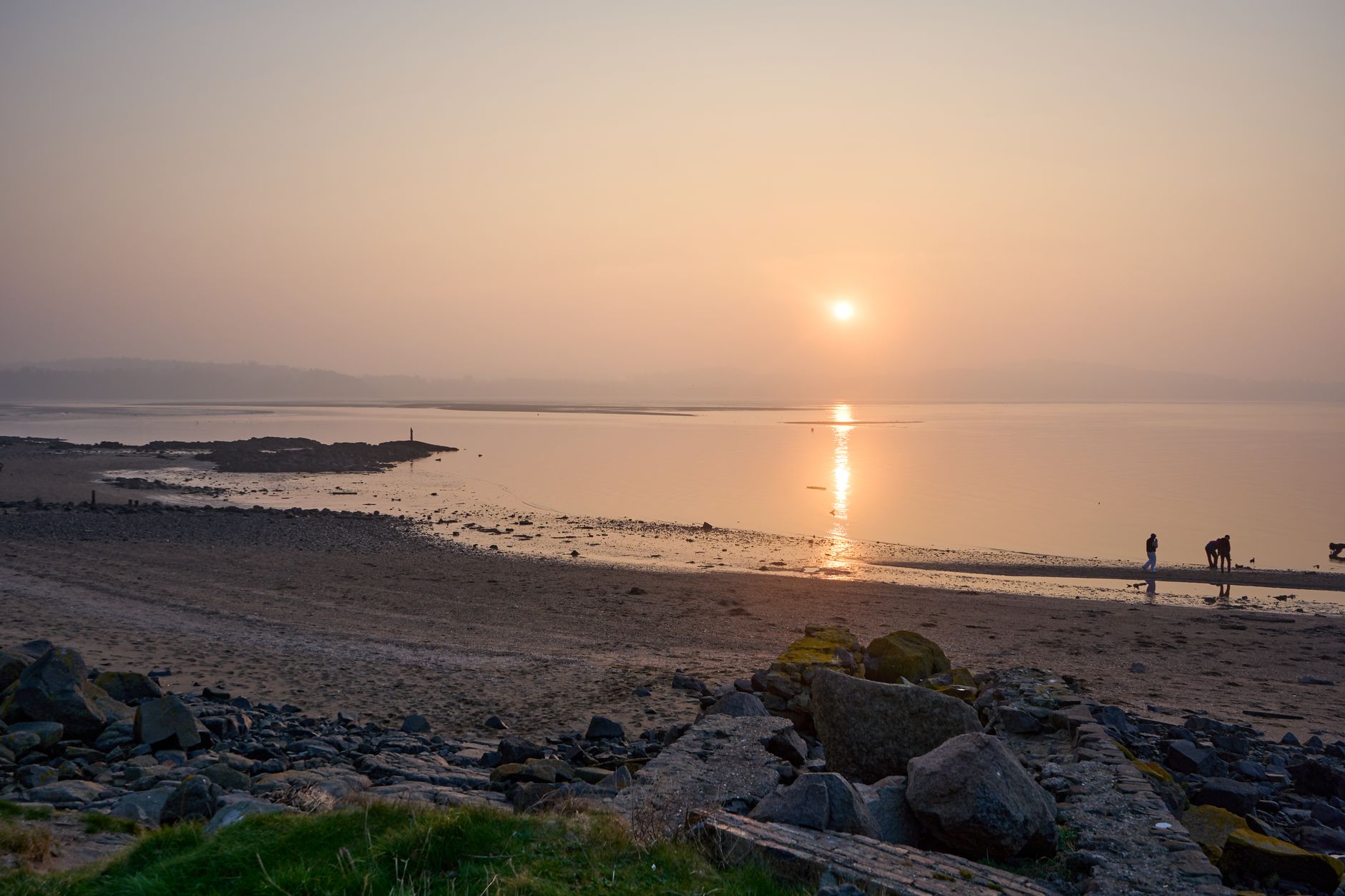
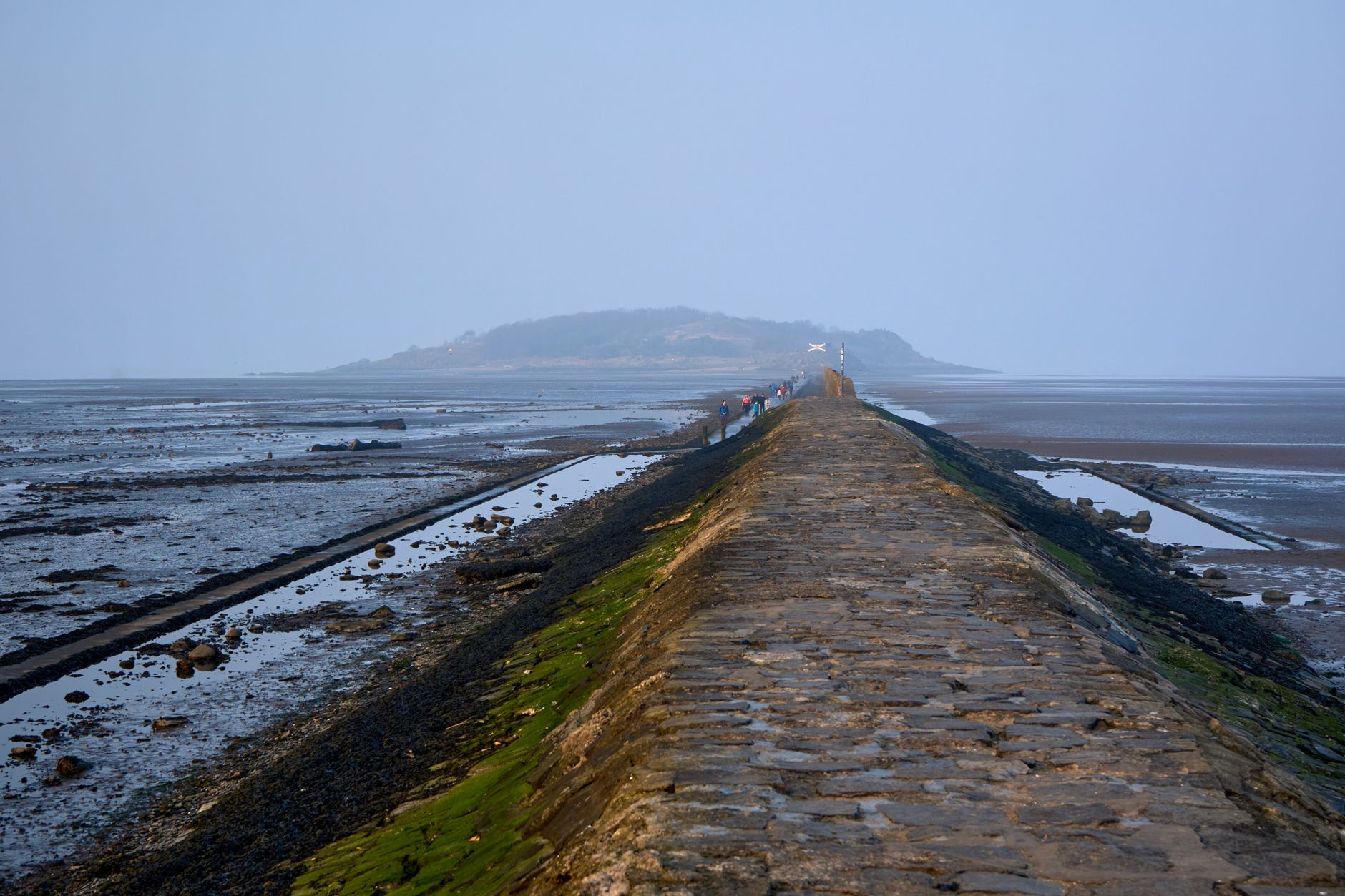
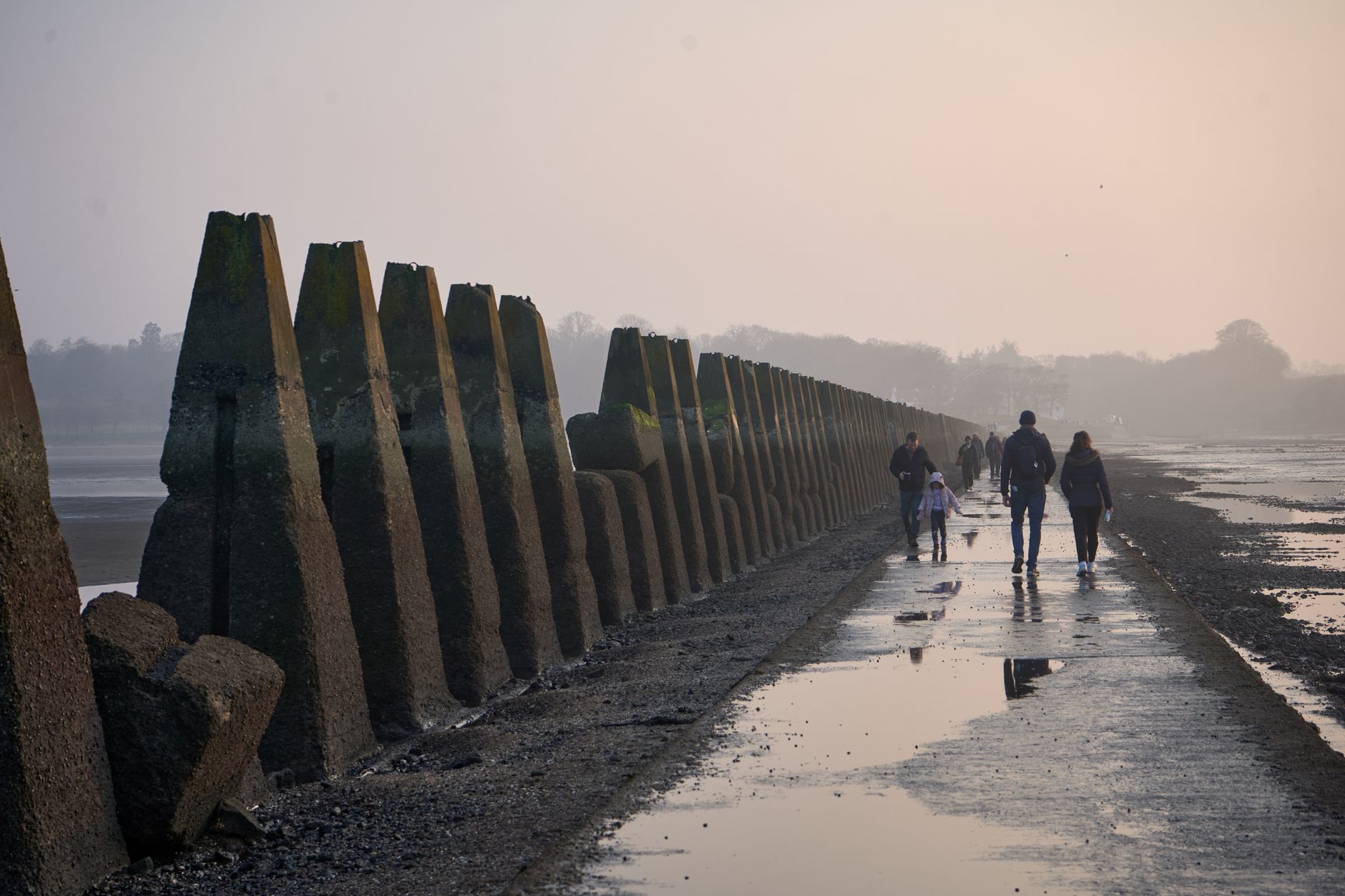
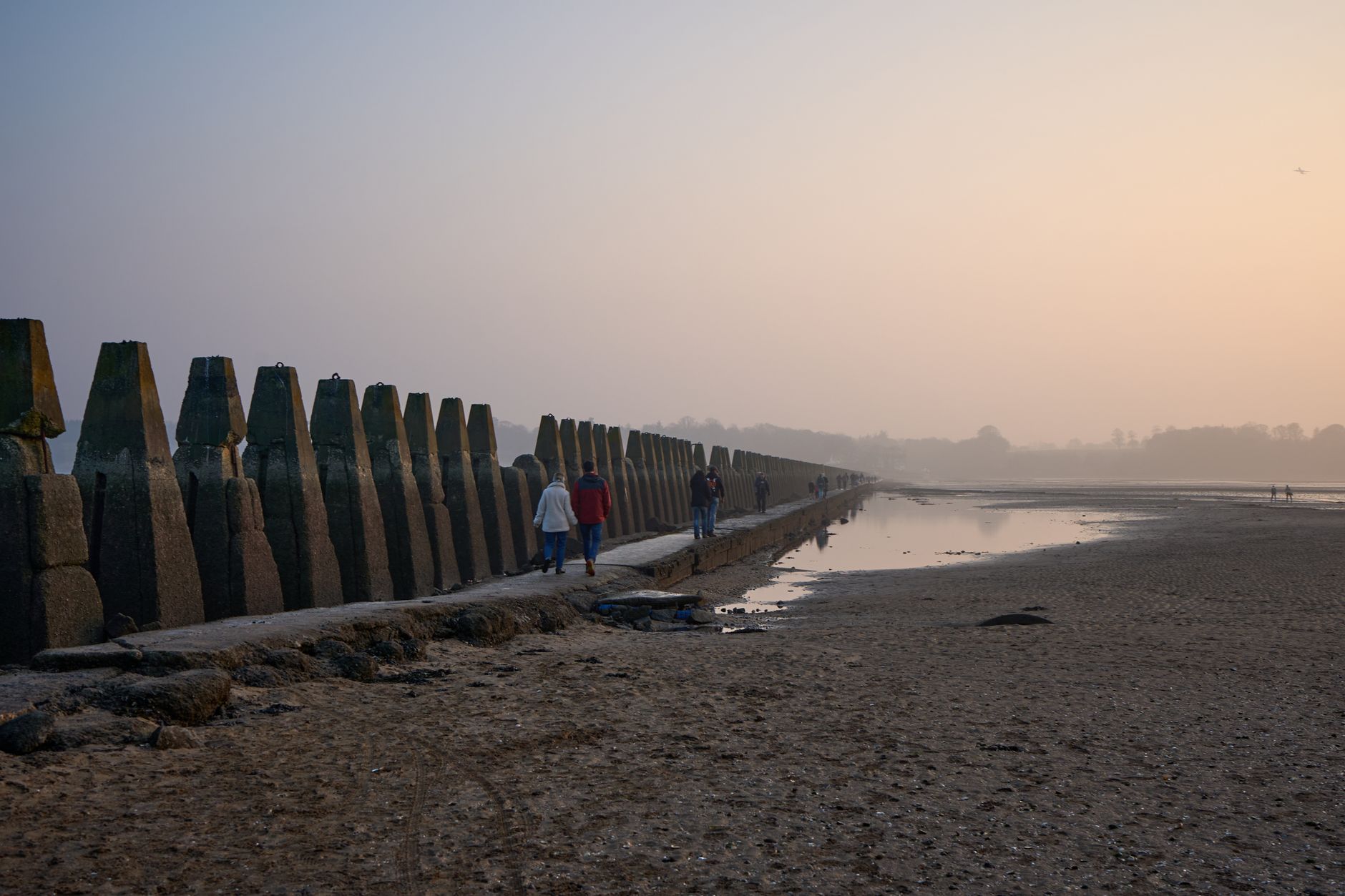
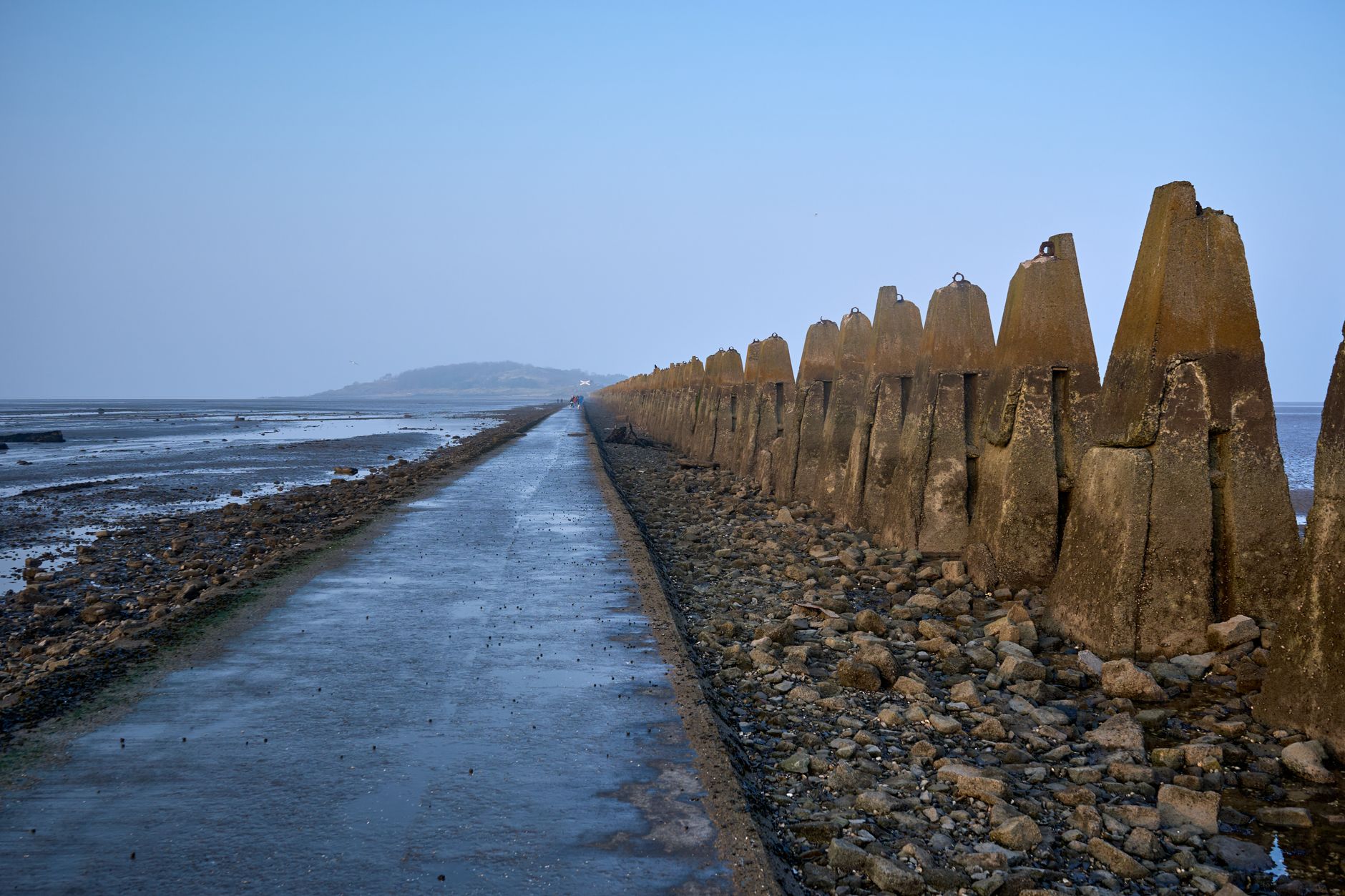
Five miles northwest of Edinburgh's centre, Cramond sits where the River Almond meets the Firth of Forth — a whitewashed village of harbour cottages, a medieval kirk, and a tidal causeway that disappears twice a day beneath the sea. The concrete pylons marching alongside that causeway aren't decorative; they held an anti-submarine net during the Second World War, a detail that sharpens the view considerably.
People come for a waterside walk and end up staying to piece together the layers: Mesolithic campsites, a Roman supply fort, iron forges that once made this a serious industrial address, and a 1680s mansion that quietly launched the suburb's long career as one of Edinburgh's most sought-after postcodes.
💛 What travellers fall for
Regular visitors learn the tide table before anything else — the walk to Cramond Island takes about fifteen minutes when the causeway is clear, and the window closes faster than you'd expect. Most also make a point of stepping inside the Maltings to see the Cramond Heritage Trust's exhibition before wandering the harbour, rather than leaving it as an afterthought.
Deals in Cramond
Book directly at the provider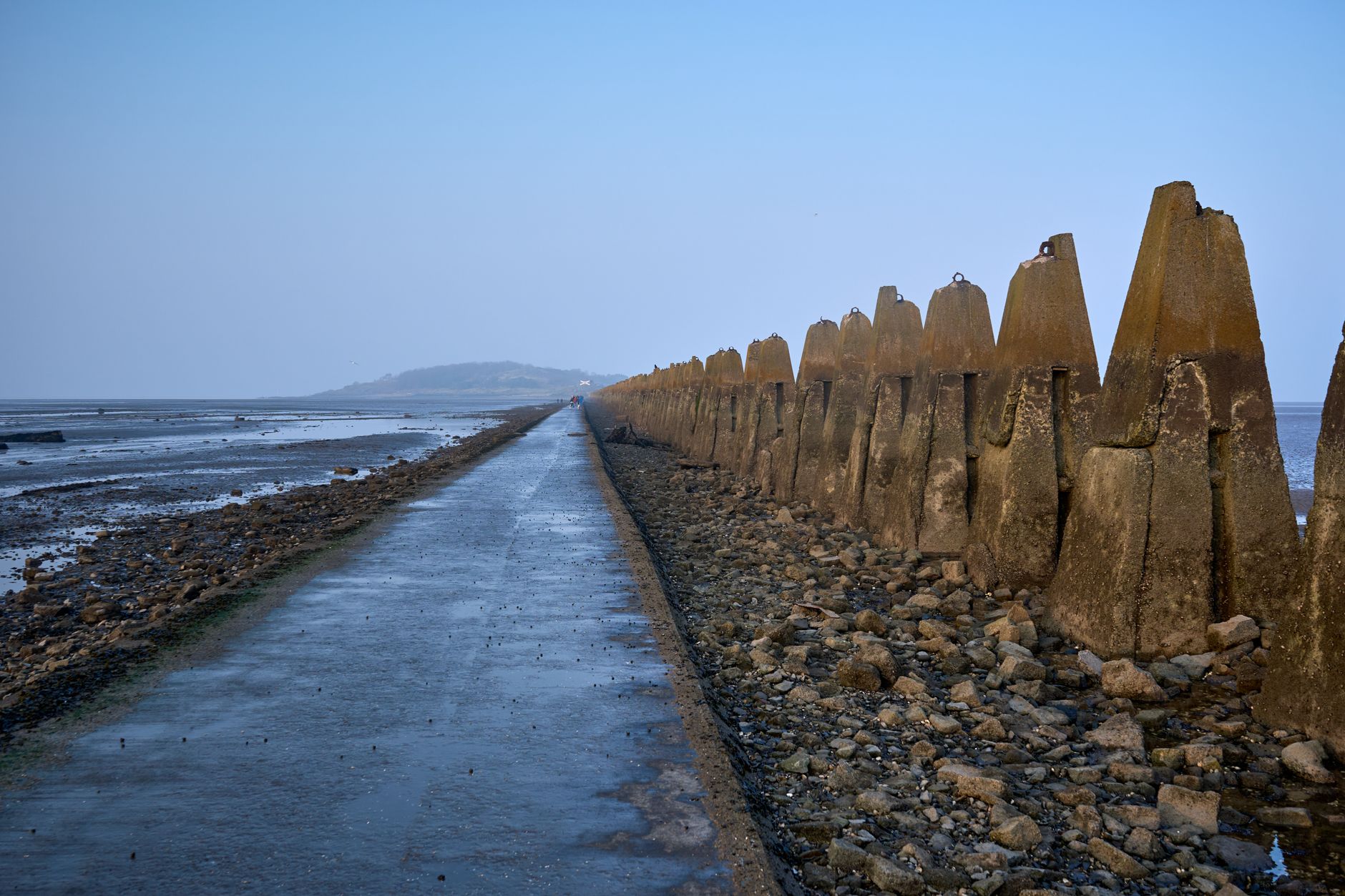
How Cramond came to be
Cramond's claim to the oldest known site of human habitation in Scotland rests on Mesolithic evidence from the end of the last ice age. The Romans arrived in earnest around AD 140–142, building a fort to anchor the southern shore of the Forth and supply their northward campaigns; they abandoned it around AD 170, then returned under Emperor Septimius Severus in AD 208 to enlarge it substantially. By around 600, a chapel had taken root on part of the fort's footprint, eventually becoming Cramond Kirk — the building you see today dates to 1656, incorporating a tower from the 1400s.
The village spent the 18th and 19th centuries as an unlikely industrial hub: three iron forges, two steel furnaces, and three water-powered rolling mills were operating by 1799. That era faded, Cramond House went up in the 1680s to signal a different kind of ambition, and the suburb's quieter residential character has held firm ever since. Edinburgh formally absorbed it in 1920.
Who and what shaped it
People who shaped it
Landmark buildings
See Cramond in motion
Plan your visit
On the map
When to go
Summer is the obvious moment to visit — July averages a high of 20°C and May delivers the longest sunny spells, peaking around 6.4 hours of sunshine a day. Winter is mild rather than brutal, but December offers barely an hour and a half of usable light, and the wind off the Forth is unambiguous about the season.
Right now
Background & history adapted from Wikipedia (CC BY-SA) · specs from Wikidata (CC0) · weather from Open-Meteo · map data © OpenStreetMap contributors · photos from Wikimedia Commons / Unsplash with per-image credit. No third-party reviews or social posts reproduced.