Canongate
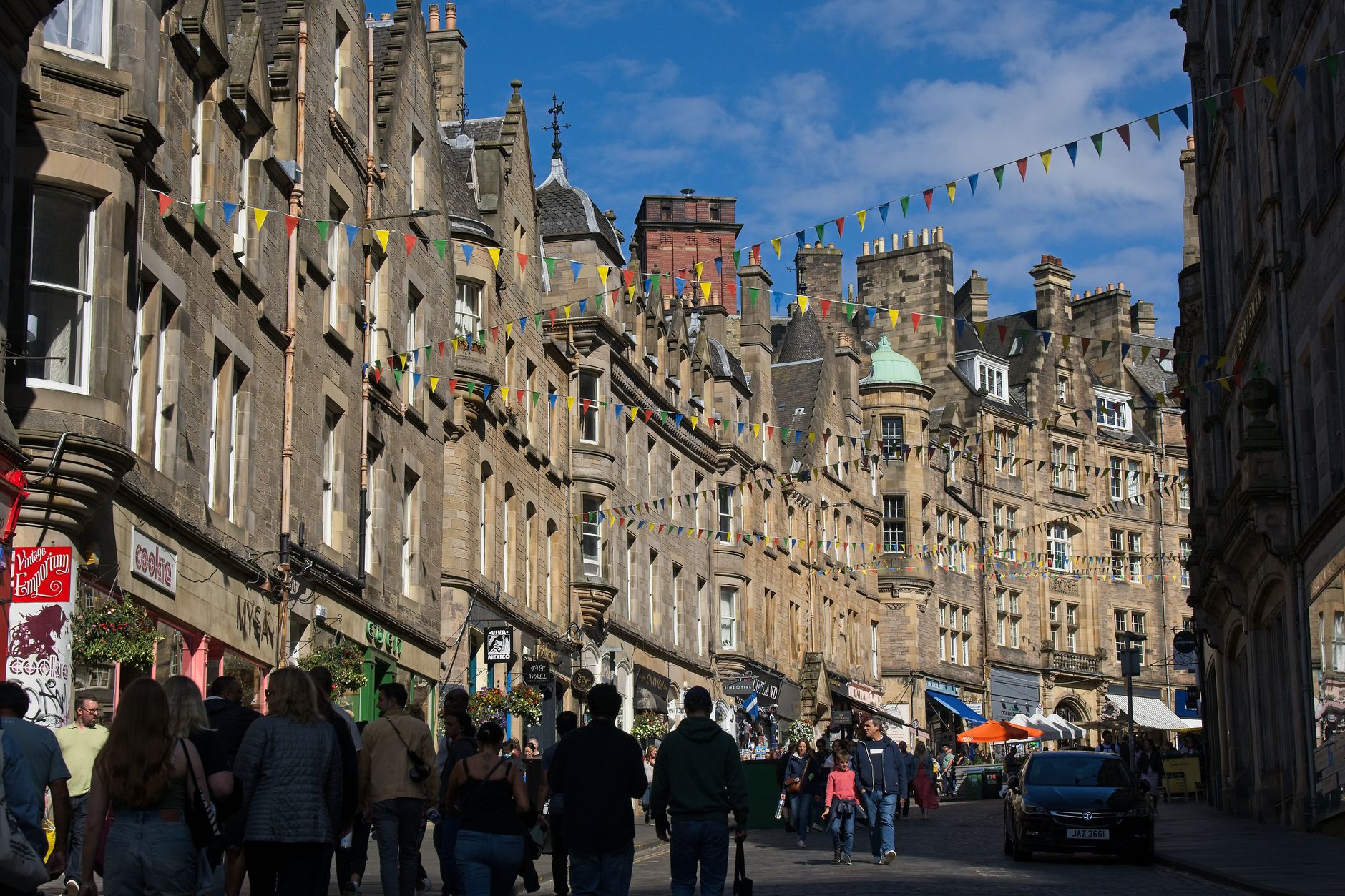
The Royal Mile's lower stretch — the Canongate — runs from St Mary's Street down to the gates of Holyrood Palace, and it rewards the reader more than the walker in a hurry. The street names here are doing real work: Canongate means the canons' way, the route Holyrood Abbey's monks took into Edinburgh, and that origin, a road worn into purpose by religious habit, still shapes what you find. Tolbooths, tenements with carved Moors above the door, a kirkyard where Adam Smith and Robert Fergusson lie within a few metres of each other.
This was once a separate burgh, wealthier and more courtly than Edinburgh proper, and the bones of that earlier life are still visible in the Dutch gable of the Kirk, the courtyard of White Horse Close, the worn stone lintels of Bible Land.
💛 What travellers fall for
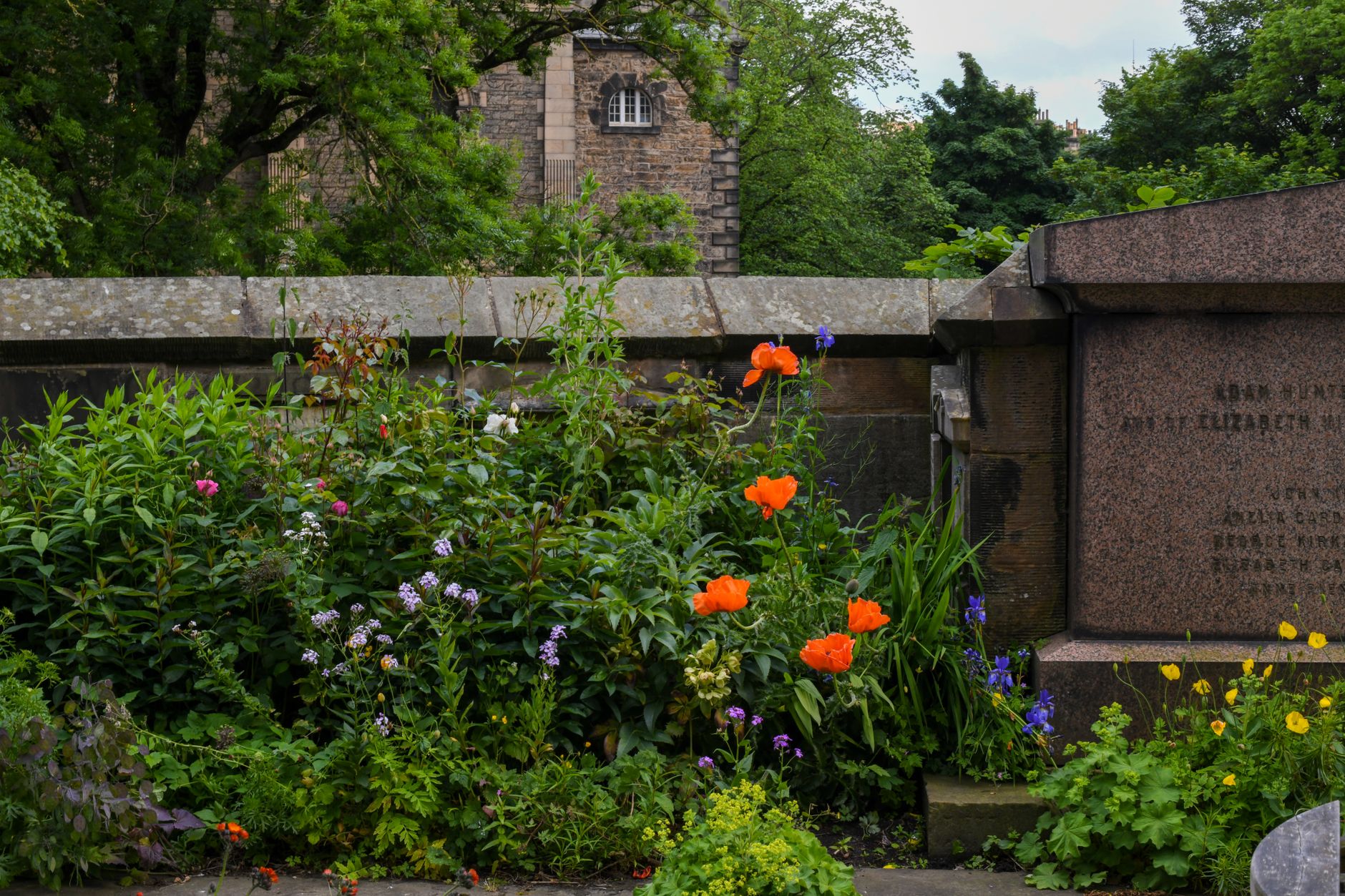
Return visitors tend to go straight to Canongate Kirkyard before the tour groups arrive — the morning light on the headstones is particular, and you can stand at Adam Smith's grave in near-silence. The Tolbooth museum, free to enter, repays a second look for its ground-floor detail on ordinary Edinburgh life in the 1800s.
Deals in Canongate
Book directly at the providerHow Canongate came to be
Canongate's existence began with a royal charter around 1143, when David I authorised Holyrood Abbey to found its own burgh on the land between the Abbey and Edinburgh's walls. For centuries the two settlements ran in parallel, Canongate under the Abbey's control until the Reformation, then governed by its own bailies until Edinburgh absorbed it formally in 1856.
The street's fortunes tracked the monarchy closely. When James VI left Edinburgh for London in 1603, the court went with him and the Canongate began a long decline. The opening of North Bridge in 1772 bypassed the old route to Leith entirely, leaving the burgh to breweries and a gasworks. Serious restoration came from the 1950s onward, and the arrival of the Scottish Parliament Building in 2004 pulled the area back into civic life.

Who and what shaped it
People who shaped it
Landmark buildings
See Canongate in motion
Plan your visit
On the map
When to go
Edinburgh's east-coast position means Canongate is drier than the city's west side but rarely warm — expect sharp winds off the Firth even in summer, and layers in spring and autumn. Winter days are short but the stone street is atmospheric in low light and rarely crowded.
Right now
Background & history adapted from Wikipedia (CC BY-SA) · specs from Wikidata (CC0) · weather from Open-Meteo · map data © OpenStreetMap contributors · photos from Wikimedia Commons / Unsplash with per-image credit. No third-party reviews or social posts reproduced.