
Portobello
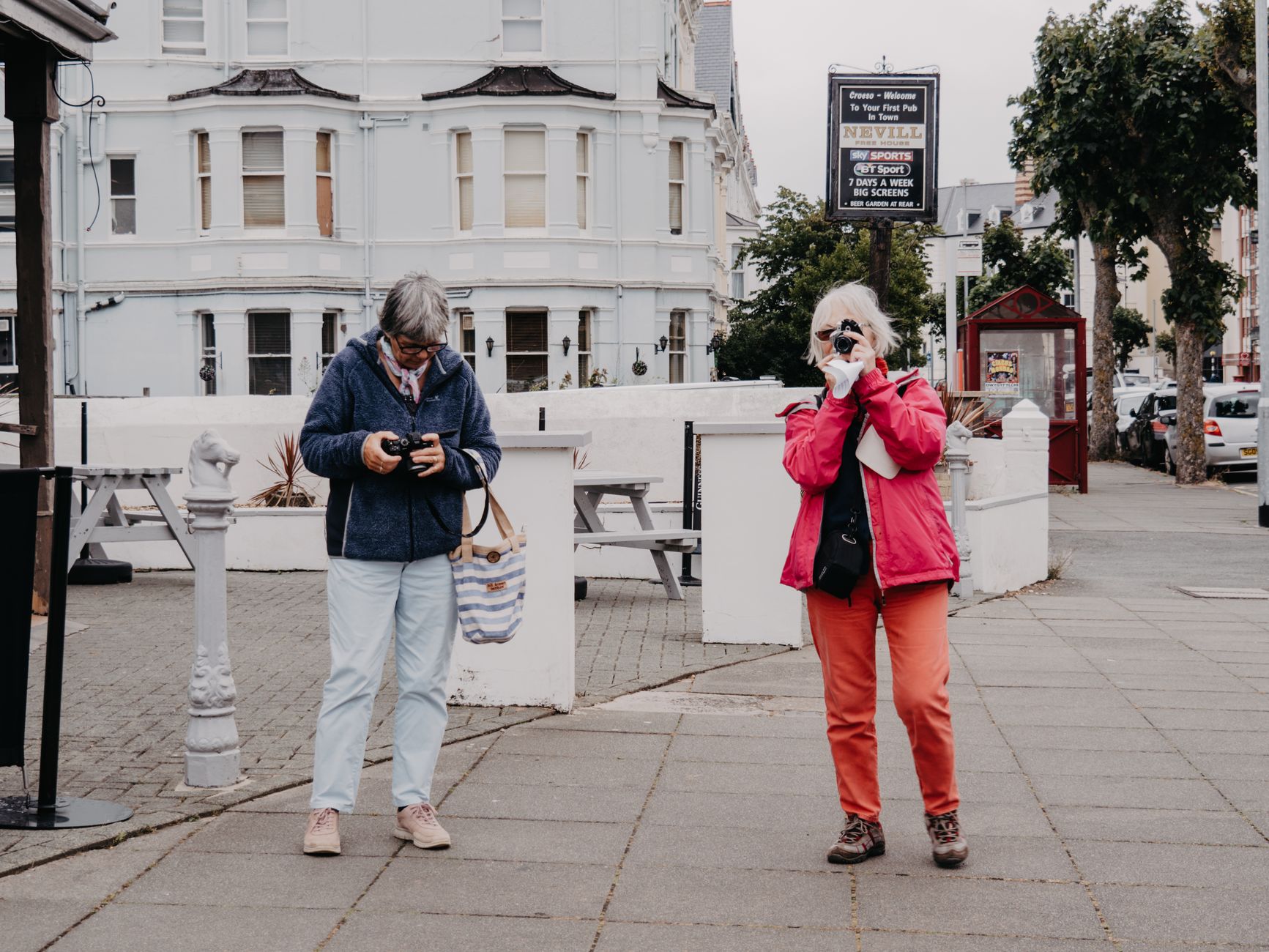
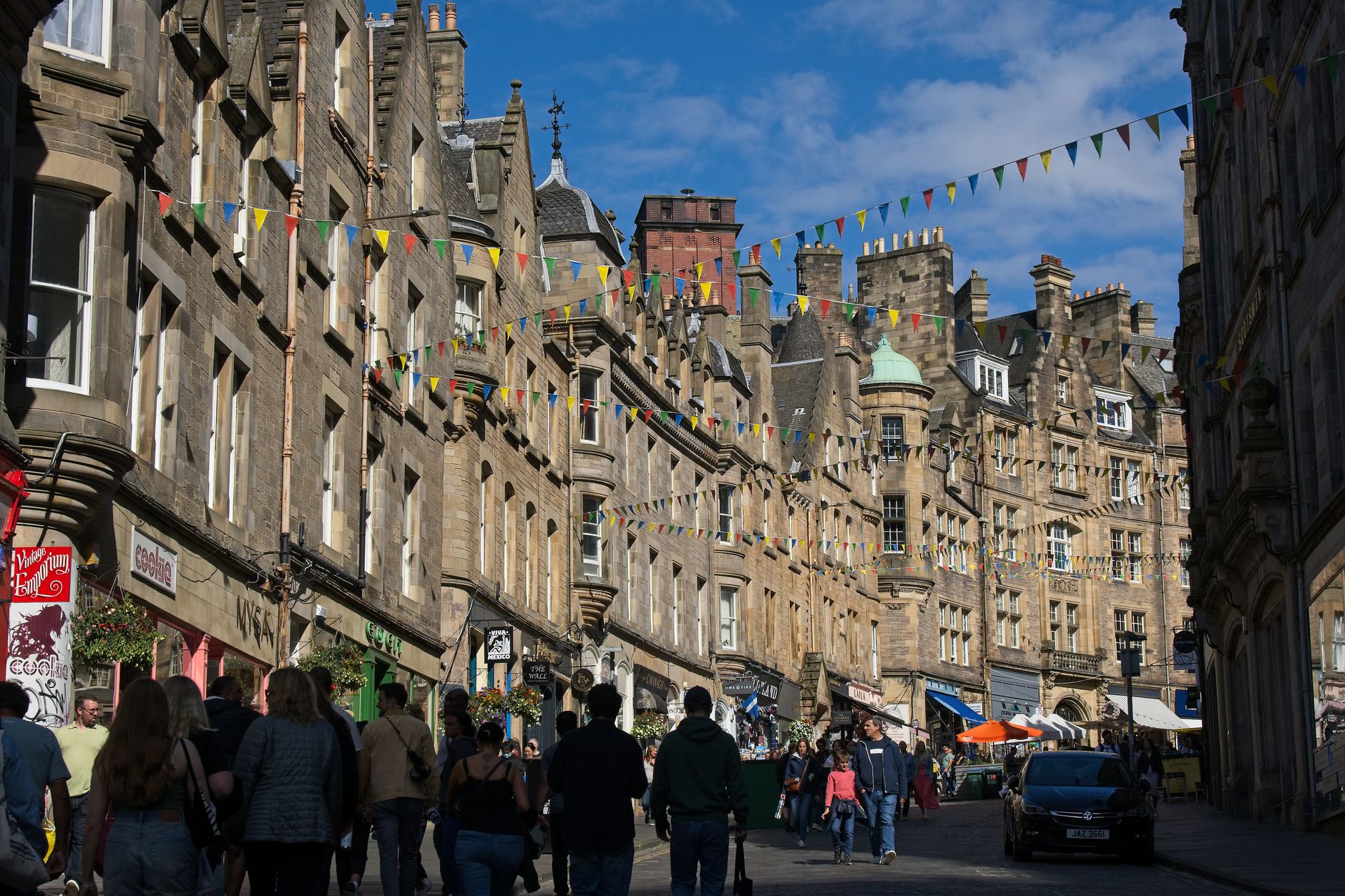
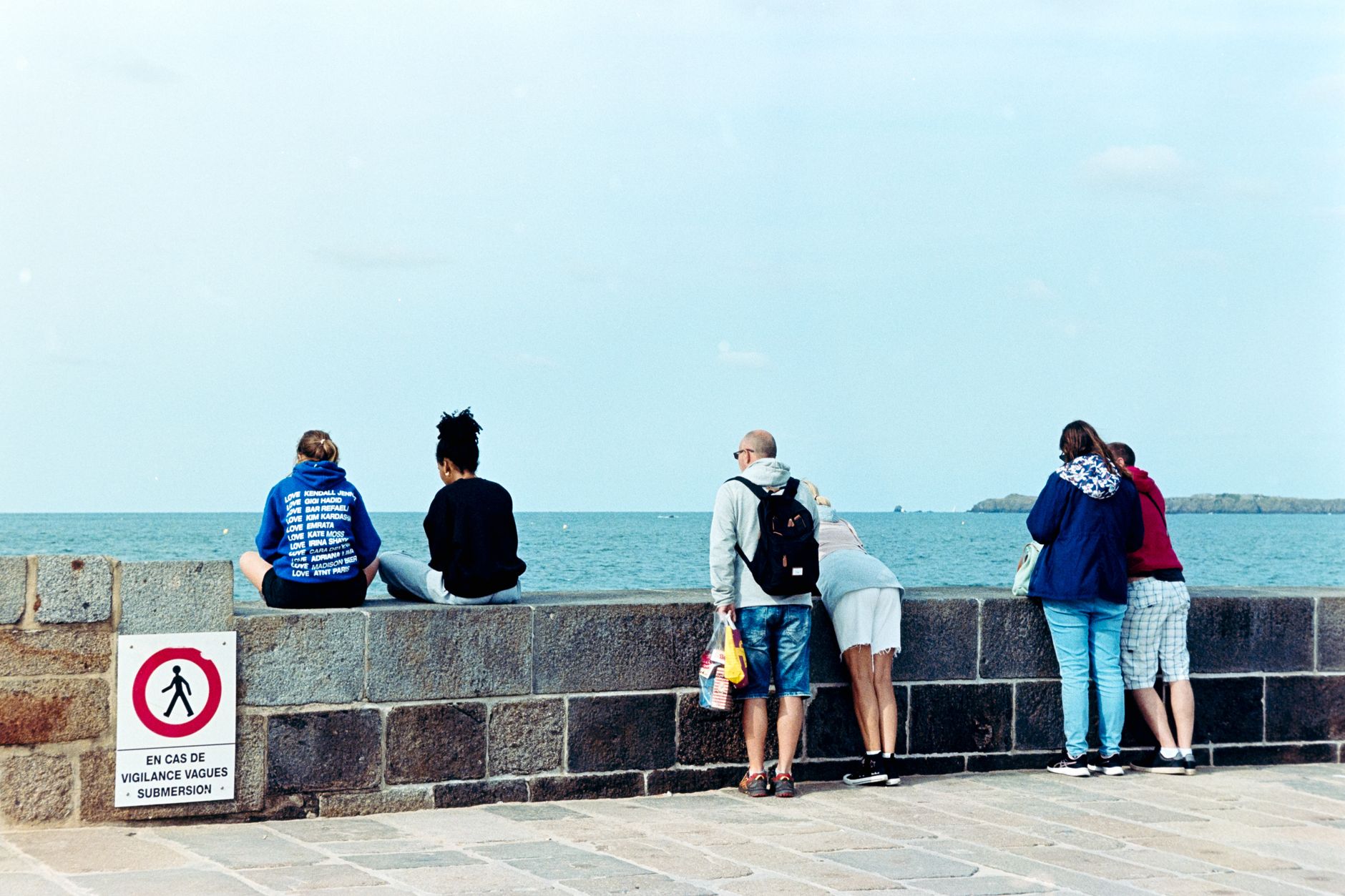
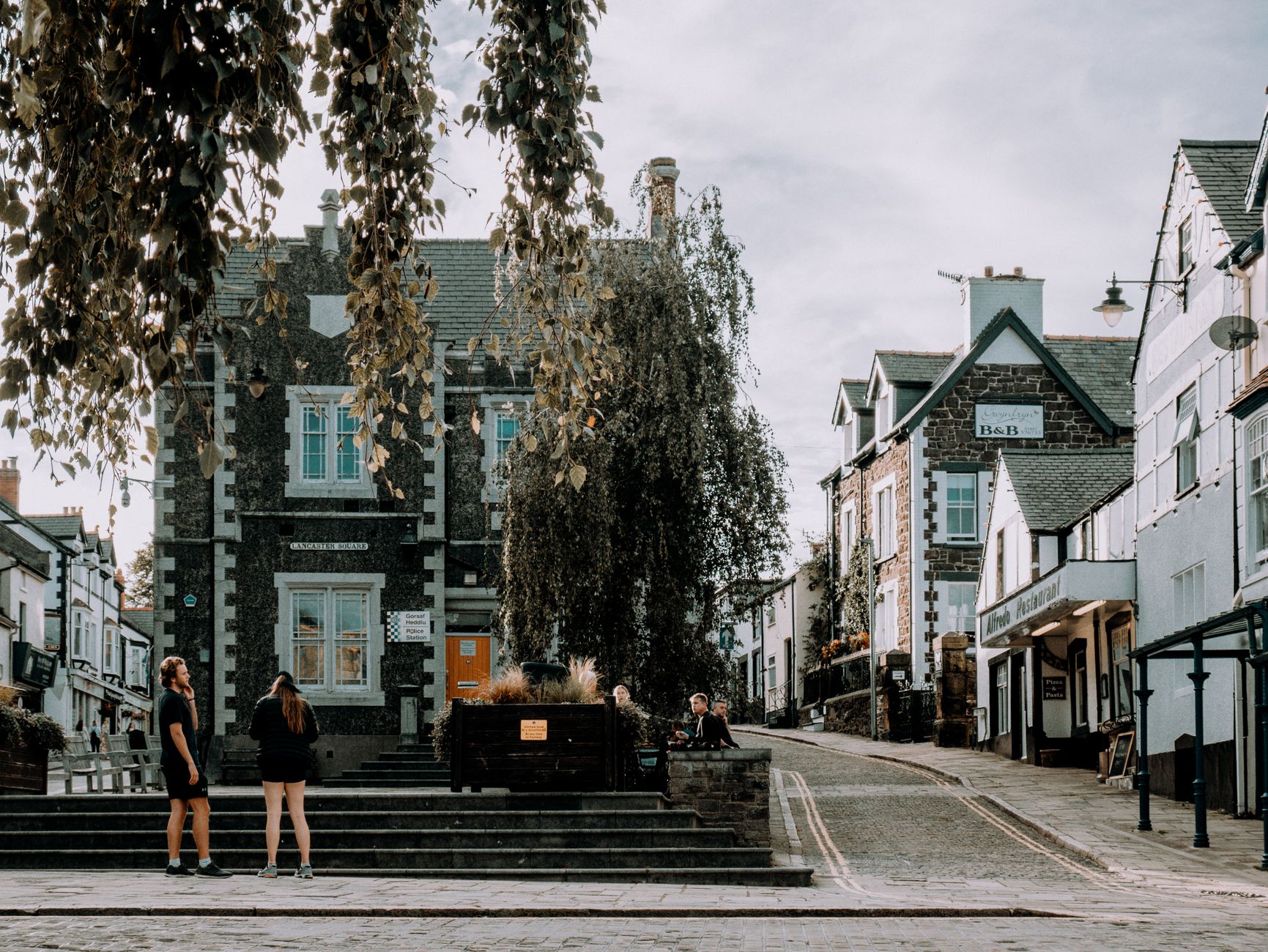
The name came before the place did. A sailor named George Hamilton built a hut here in 1742 and called it after Porto Bello, a Panamanian harbour he'd helped the Royal Navy seize three years earlier. The moorland that stretched to the sea — the Figgate Muir, drained by the Figgate Burn — gradually filled in around that name: brickworks in the 1760s, a burgh by 1833, a promenade secured for public use that still runs two miles along a wide sandy beach on the Firth of Forth.
Today Portobello sits four miles east of Edinburgh's centre, connected by bus and a nine-minute train ride from Waverley. The High Street mixes independent shops with the ordinary business of a neighbourhood that people actually live in. Wooden groynes march into the Forth at regular intervals; the esplanade is pedestrians-only; the cul-de-sac roads running down from the High Street give the whole place a quiet, turned-toward-the-sea logic.
💛 What travellers fall for
Regulars tend to arrive by the 42 bus and walk the esplanade first, before the wind picks up. The fish and chip shop on the High Street comes up in most conversations. The Bellfield centre — the old William Sibbald church, sold off and brought back to life by the community in 2018 — is worth a look inside if it's open.
Deals in Portobello
Book directly at the provider

How Portobello came to be
Before the brickworks and the beach crowds, this was Figgate Muir — open moorland crossed by a burn running to the sea. Clay deposits found in the 1760s brought industry, and the settlement that grew around it took the name of George Hamilton's hut, itself named for Admiral Vernon's 1739 capture of Porto Bello in Panama. The town became a burgh in 1833, built its own promenade, and was absorbed into Edinburgh by act of parliament in 1896.
The Victorian and Edwardian periods layered ambition onto the shoreline: a pleasure pier 1,250 feet long, designed by Sir Thomas Bouch and opened in 1871, demolished in 1917 when repairs outweighed the revenue; Edinburgh Marine Gardens laid out in 1908–09 with a ballroom, scenic railway and open-air theatre, gone quiet by the First World War and cleared entirely by 1966. The current Town Hall, designed by City Architect James A. Williamson and opened in 1914, closed in 2019 with crumbling masonry and reopened in June 2023 on a 25-year community lease at £1 a year.
Who and what shaped it
People who shaped it
Landmark buildings
See Portobello in motion
Plan your visit
On the map
When to go
June and July are the most forgiving months, with temperatures around 13°C and the longest daylight hours — though even then a jacket earns its place on the esplanade. Outside summer, expect wind off the Forth and rain that arrives without much ceremony; May can still dip to 2°C at night.
Right now
Background & history adapted from Wikipedia (CC BY-SA) · specs from Wikidata (CC0) · weather from Open-Meteo · map data © OpenStreetMap contributors · photos from Wikimedia Commons / Unsplash with per-image credit. No third-party reviews or social posts reproduced.