
Old Town
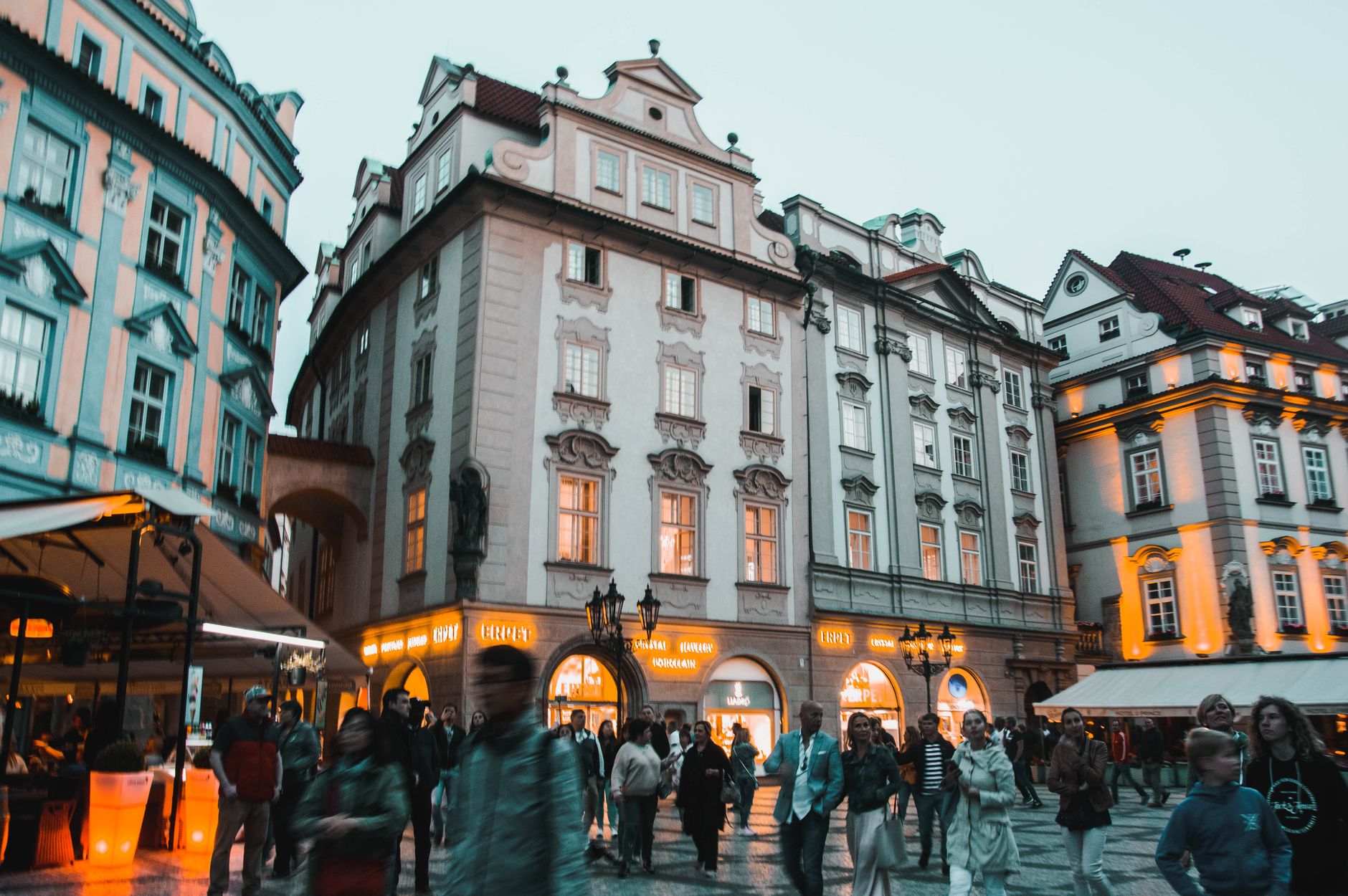
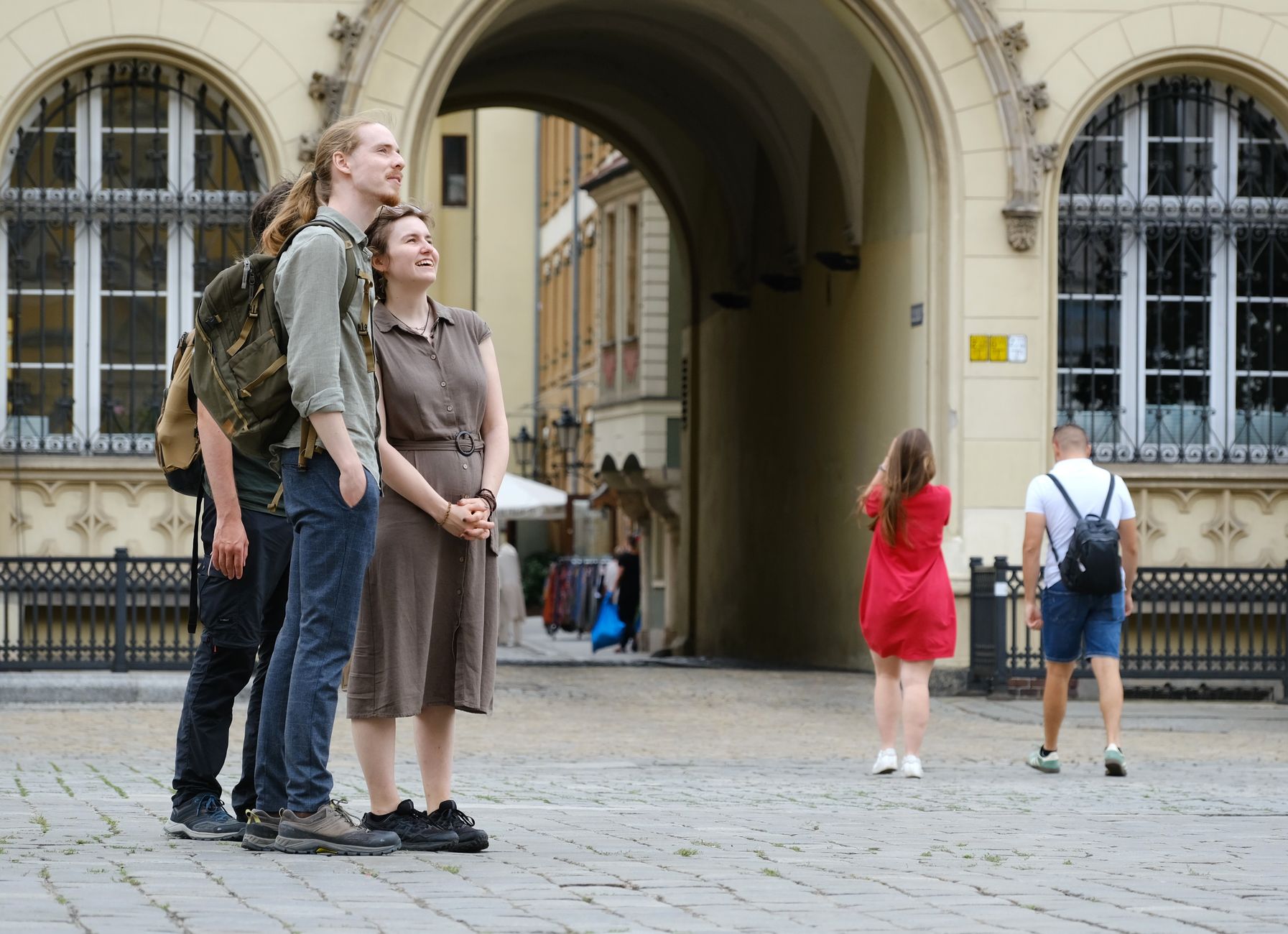
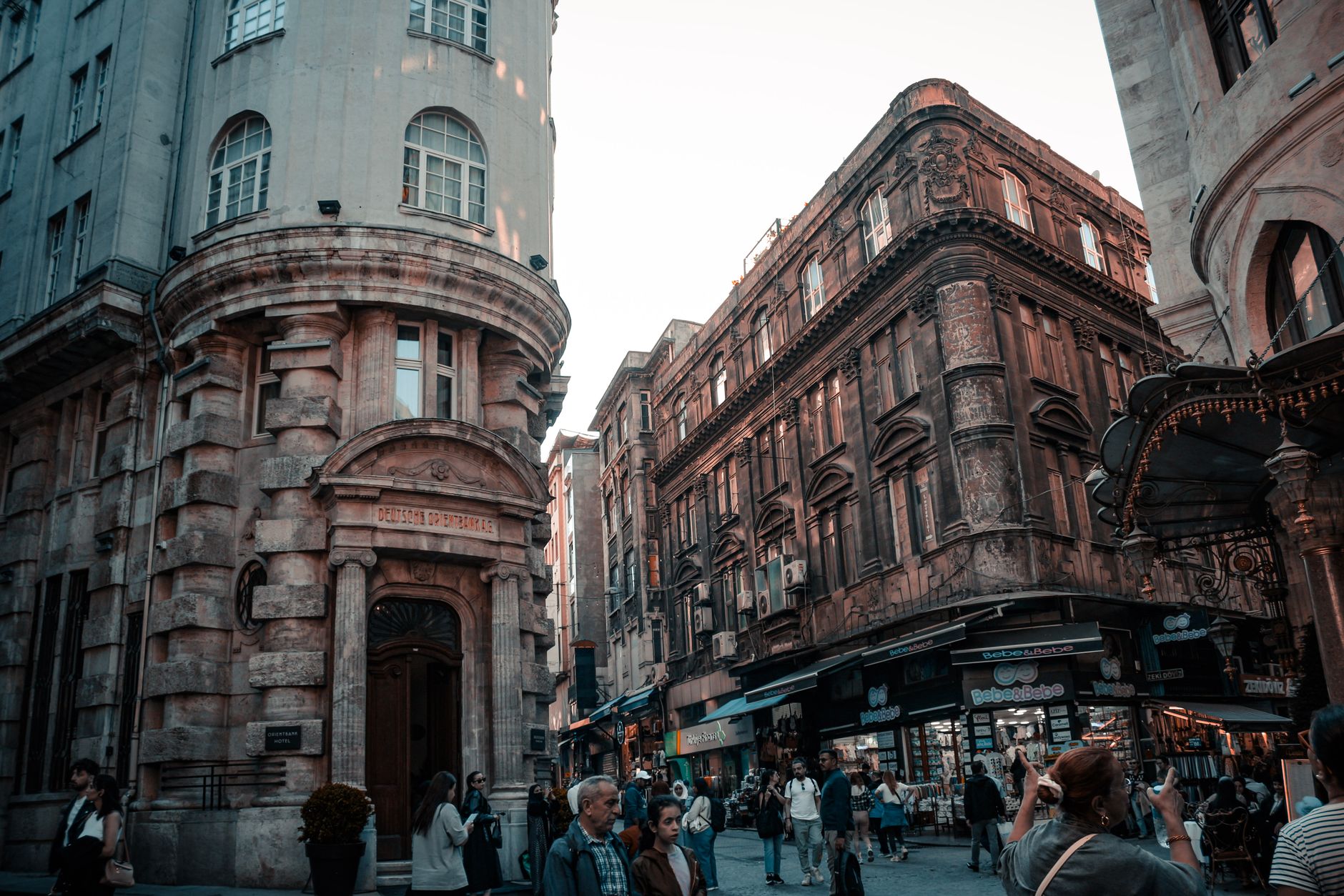
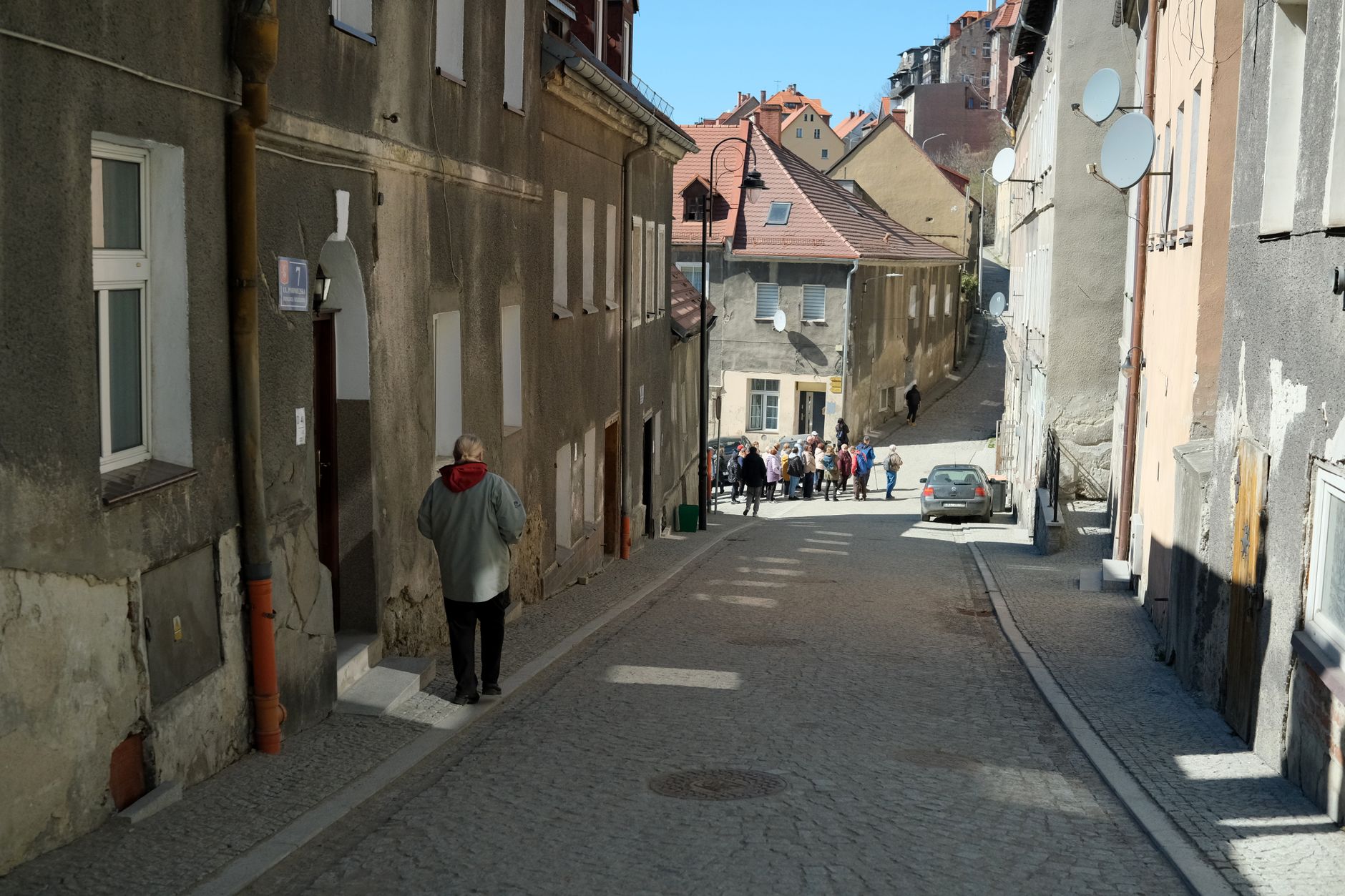
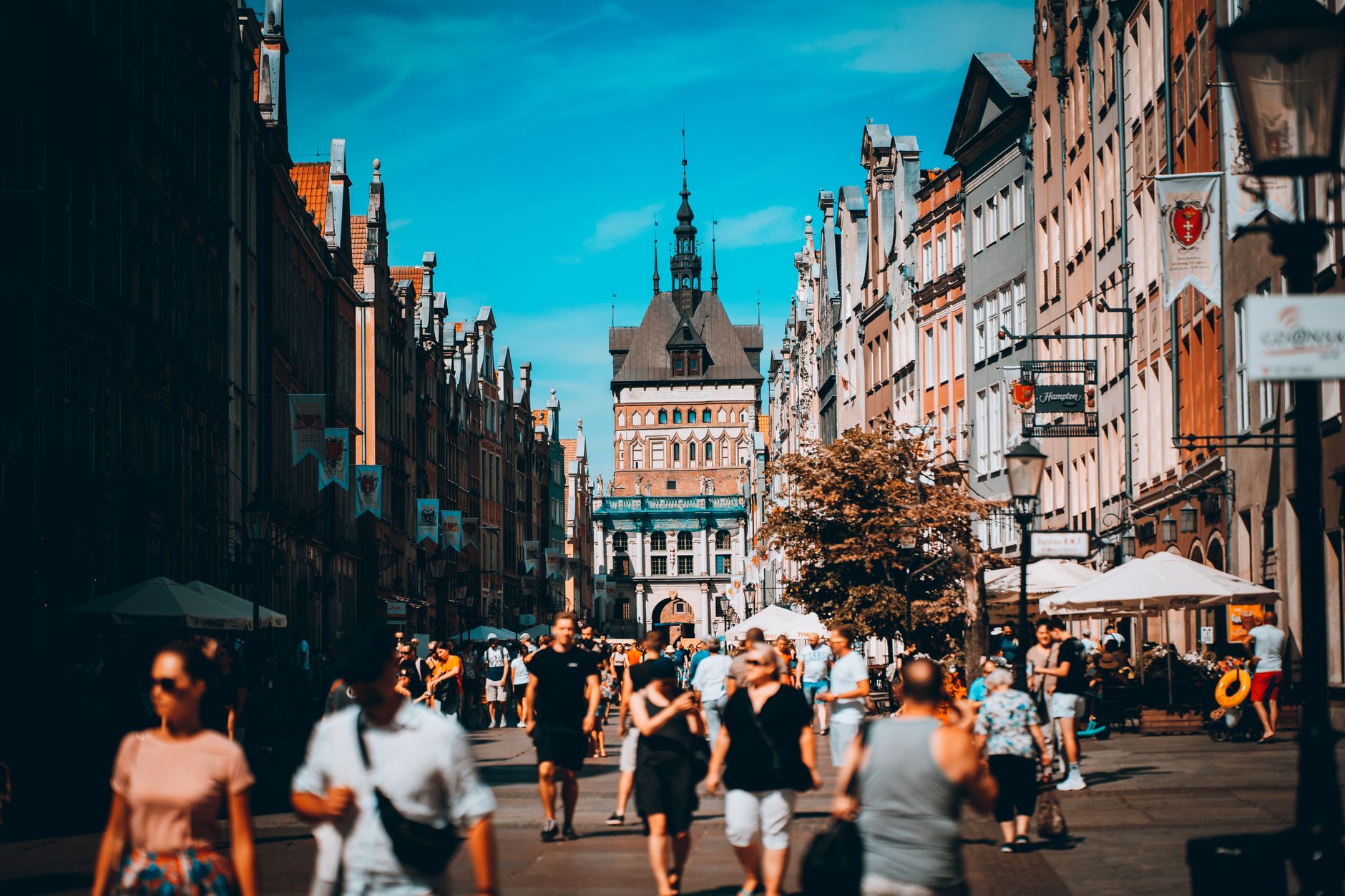
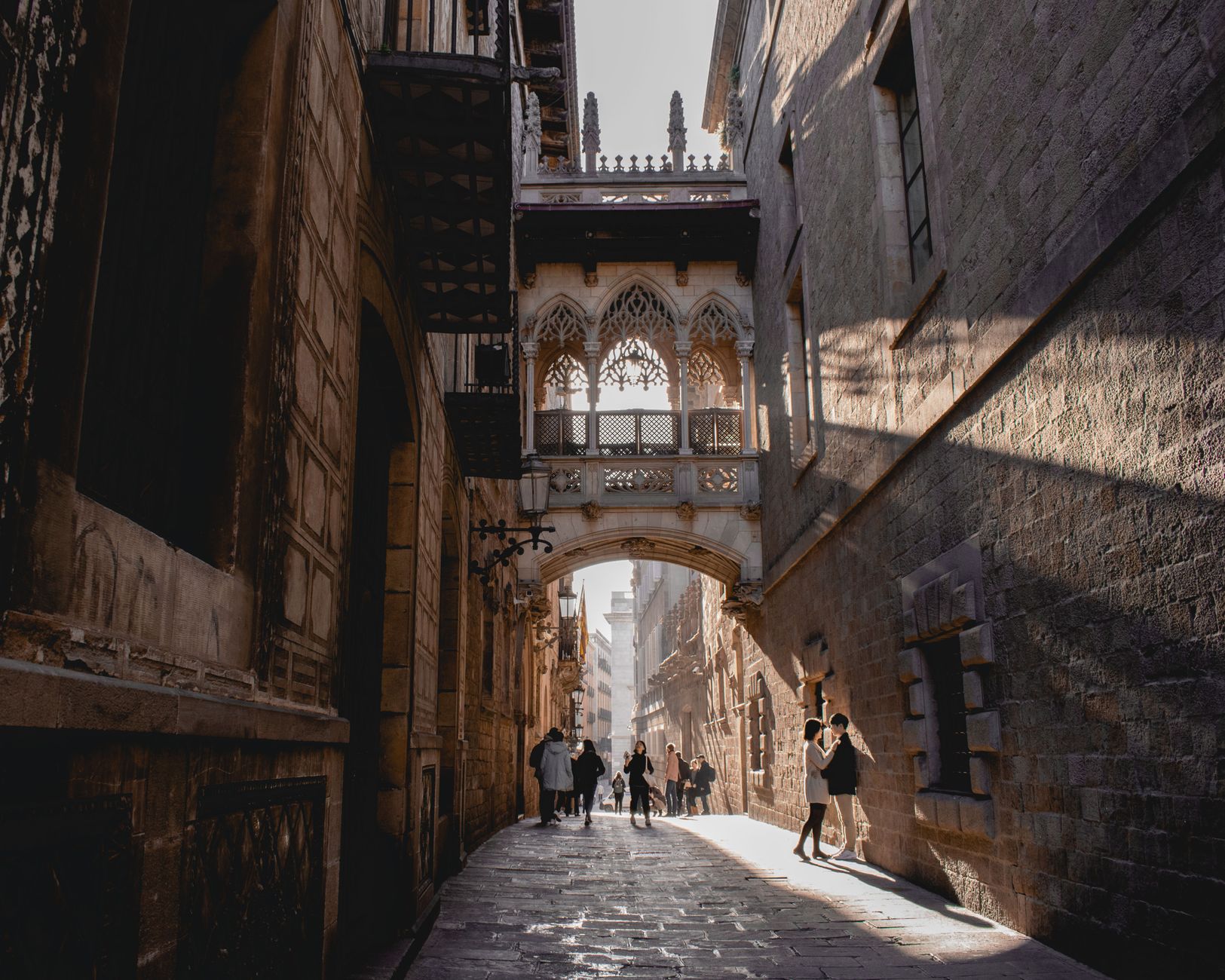
The Old Town is built on a ridge, and that fact shapes everything about it. From Edinburgh Castle, perched on its volcanic rock, the Royal Mile drops steadily downhill for roughly a mile until it reaches the Palace of Holyroodhouse and the ruins of Holyrood Abbey — a straight line of history with centuries of lanes, closes and vaulted passages pressing in on either side.
This is where Edinburgh began, and the bones of that beginning are still visible: the crown tower of St Giles' Cathedral rising above the roofline, the six-storey tenements that went up when the city couldn't expand outward, the worn cobbles that have absorbed a thousand years of foot traffic.
💛 What travellers fall for
People who come back tend to stop rushing the closes. Advocate's Close, steep and narrow, gives you a framed view down to the New Town that most visitors walk straight past. The National Museum of Scotland on Chambers Street is a reliable wet-afternoon anchor — bigger and stranger inside than it looks from the street.
Deals in Old Town
Book directly at the provider


How Old Town came to be
Serious settlement here began in the 11th century around a fortified position established by Malcolm Canmore and Saint Margaret. David I founded Holyrood Abbey in 1128 and granted Edinburgh burgh status in 1130, giving it the right to trade and manufacture. By the late 14th century it was Scotland's largest burgh, and after James I was murdered in 1437, Edinburgh took the capital from Perth.
The city's distinctive vertical character was forced on it. After the defeat at Flodden in 1513, a defensive wall was built around the town, and with nowhere else to go, residents built upward — tall tenements, narrow wynds, the warren of closes that still thread the ridge today. The Great Fire of 1824 destroyed much of the lower Old Town; rebuilding on the original foundations shifted ground levels and created the underground vaults that run beneath the streets. In 1995, the Old and New Towns together were inscribed on the UNESCO World Heritage List.
Who and what shaped it
People who shaped it
Landmark buildings
See Old Town in motion
Plan your visit
On the map
When to go
Edinburgh is rarely warm and often overcast; summer (June to August) brings the longest days and temperatures that occasionally reach the mid-teens Celsius, but rain is possible any month. Winter is cold and dark by mid-afternoon, though the stone streets and lit closes have their own particular atmosphere then.
Right now
Background & history adapted from Wikipedia (CC BY-SA) · specs from Wikidata (CC0) · weather from Open-Meteo · map data © OpenStreetMap contributors · photos from Wikimedia Commons / Unsplash with per-image credit. No third-party reviews or social posts reproduced.