
Stockbridge
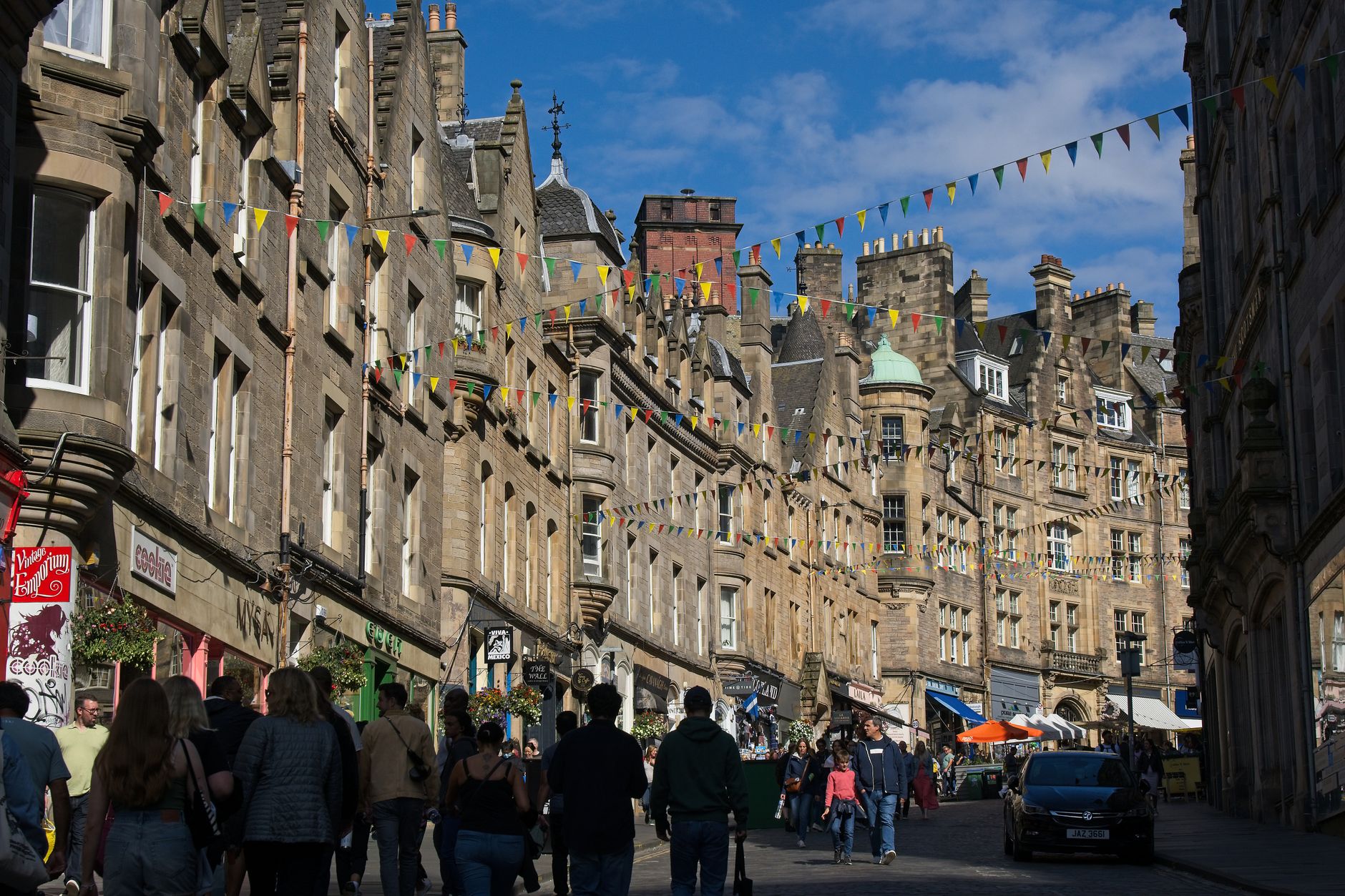
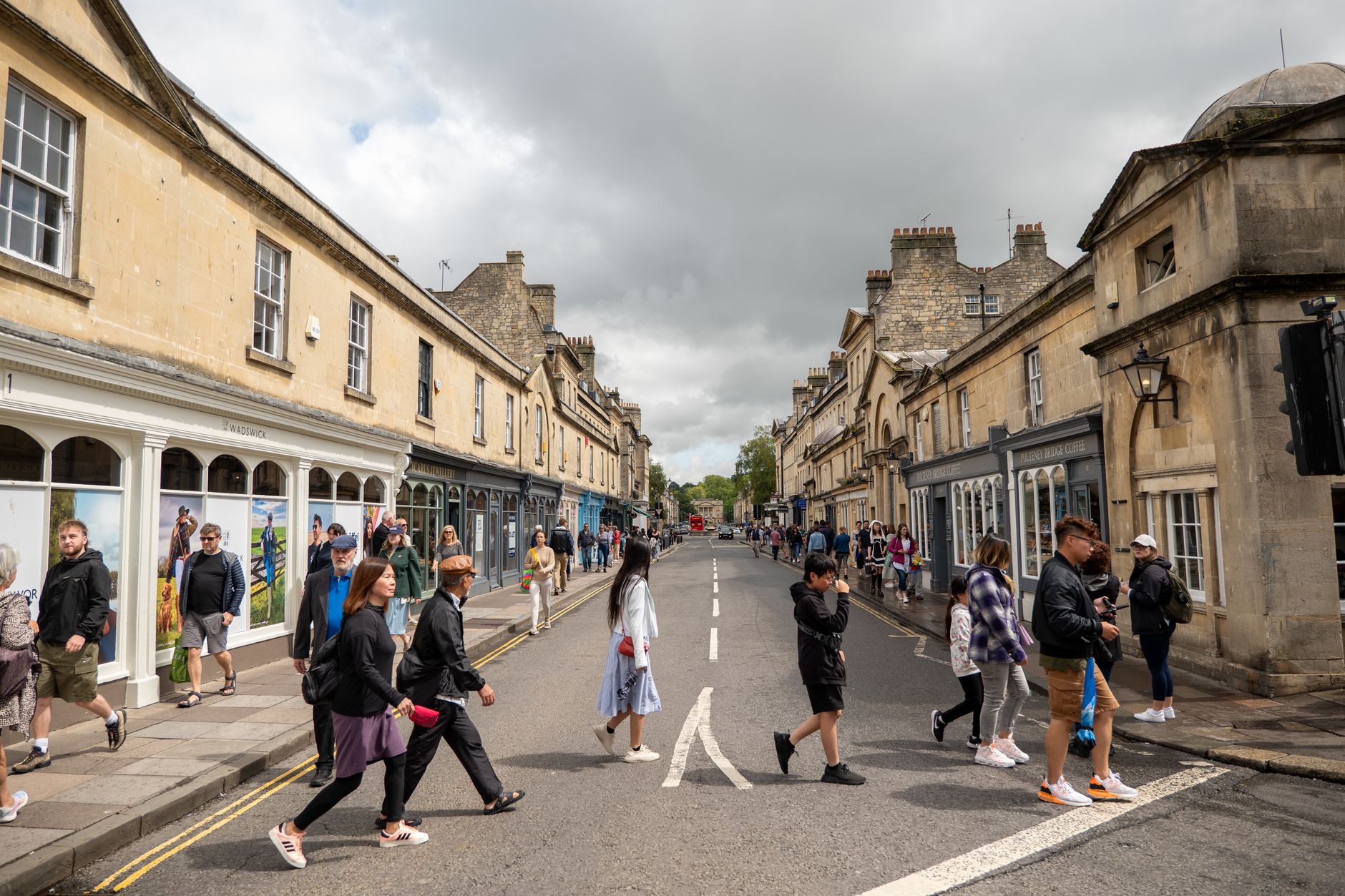
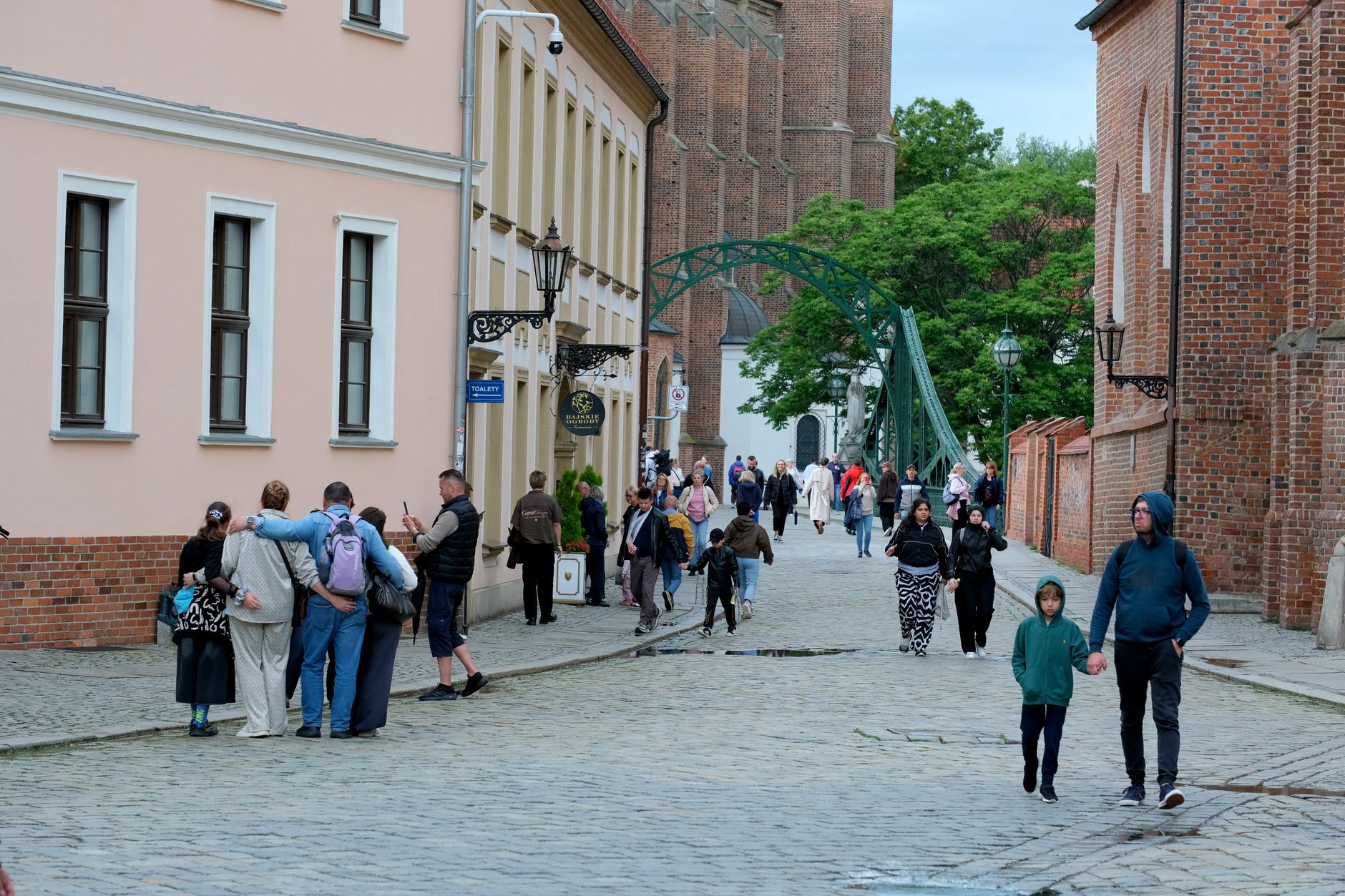
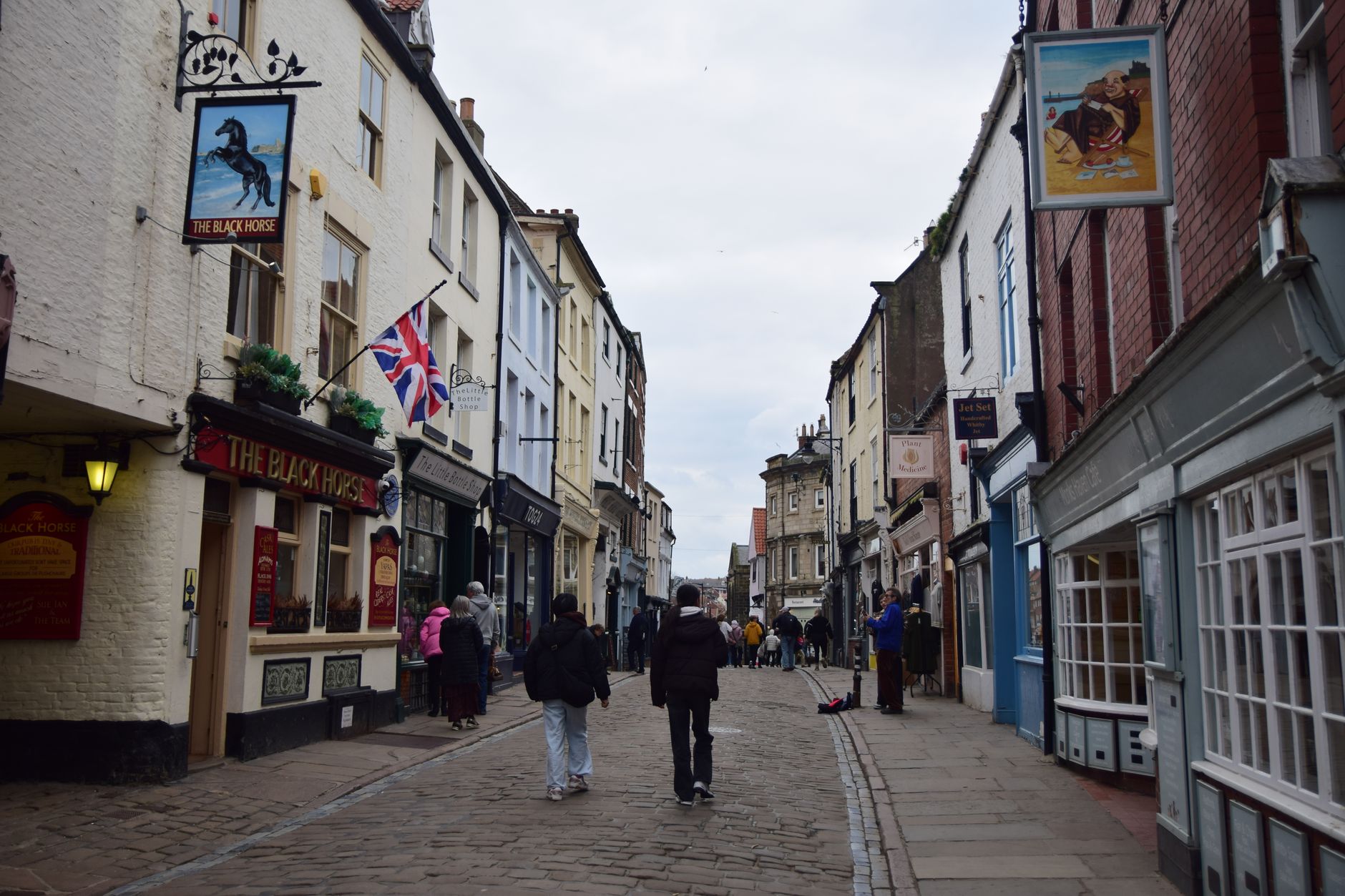
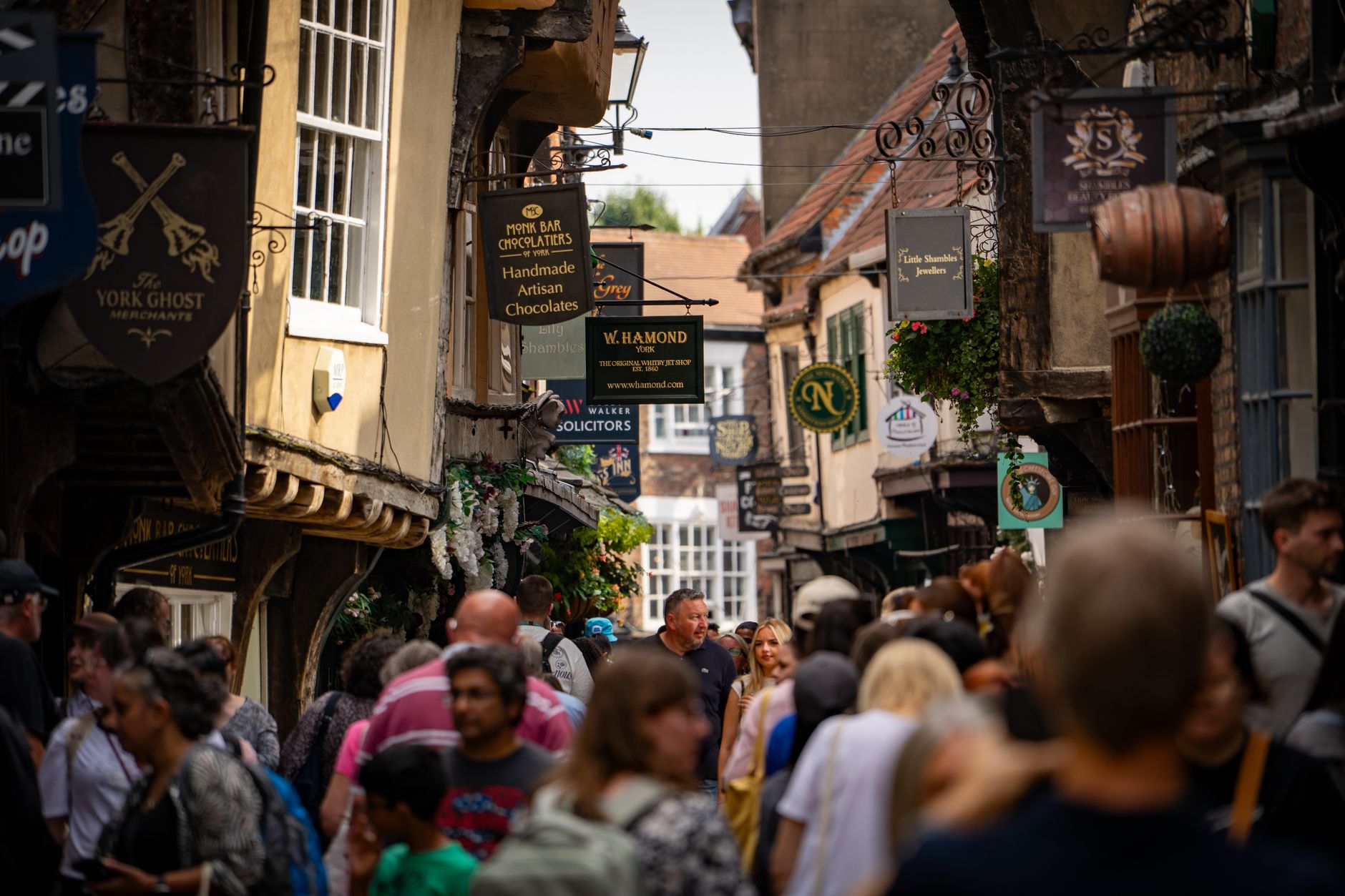

The name gives it away if you know Scots: Stockbridge means timber bridge, and the Water of Leith still runs through the middle of it, unhurried, below stone walls and the kind of Sunday market that smells of aged cheese and woodsmoke. This was once a village separate from Edinburgh entirely, and it still carries that quality — a slightly different tempo from the Old Town, wider pavements, Georgian terraces with actual front gardens, a pendulum swinging inside a Playfair church that holds a quiet European record.
Raeburn Place is the spine of it, named for the painter who owned the land and built it out from 1813. The Stockbridge Colonies — twelve parallel streets of artisan housing put up by a workers' co-operative between 1861 and 1911 — sit at the northern edge, each house with its own entrance stair, still residential, still quietly themselves.
💛 What travellers fall for
People who come back tend to time it around the Sunday market at Jubilee Gardens — open 10am to 4pm — then walk the Water of Leith path toward Dean Village before it gets crowded. Circus Lane is worth the detour: a Georgian mews with hanging flowers and a silence that surprises you given how close Raeburn Place is.
Deals in Stockbridge
Book directly at the provider


How Stockbridge came to be
Stockbridge takes its name from a Scots word for a timber river crossing. The stone bridge that replaced it went up in 1786, then again in its current form in 1801, spanning the Water of Leith at what was then a village outside Edinburgh proper. St Bernard's Well had been drawing visitors since 1760, and by 1789 Alexander Nasmyth had given it a Greek temple to stand in — though public access has been restricted since 1940, with the interior opening only for events like Doors Open Day.
The decisive transformation came in 1813 when the painter Sir Henry Raeburn, who owned the surrounding estates, began developing the area with architect James Milne. Ann Street followed from 1814 — named after Raeburn's wife and notable for its private front gardens, rare for the New Town. A market arch went up in 1825, the same year Edinburgh Academy opened nearby. Then, from 1861 onward, the Edinburgh Co-operative Building Company raised the Colonies street by street — twelve parallel rows of workers' housing completed by 1911, each flat with its own external stair.
Who and what shaped it
People who shaped it
Landmark buildings
See Stockbridge in motion
Plan your visit
On the map
When to go
Winters run cold and wet, averaging around 4°C in January and February with occasional snow. Summers are cool and overcast rather than warm — July rarely climbs past 19°C — so a layer is sensible year-round; spring and early autumn tend to offer the clearest skies for walking the Water of Leith path.
Right now
Background & history adapted from Wikipedia (CC BY-SA) · specs from Wikidata (CC0) · weather from Open-Meteo · map data © OpenStreetMap contributors · photos from Wikimedia Commons / Unsplash with per-image credit. No third-party reviews or social posts reproduced.