Region

Yorkshire

Yorkshire
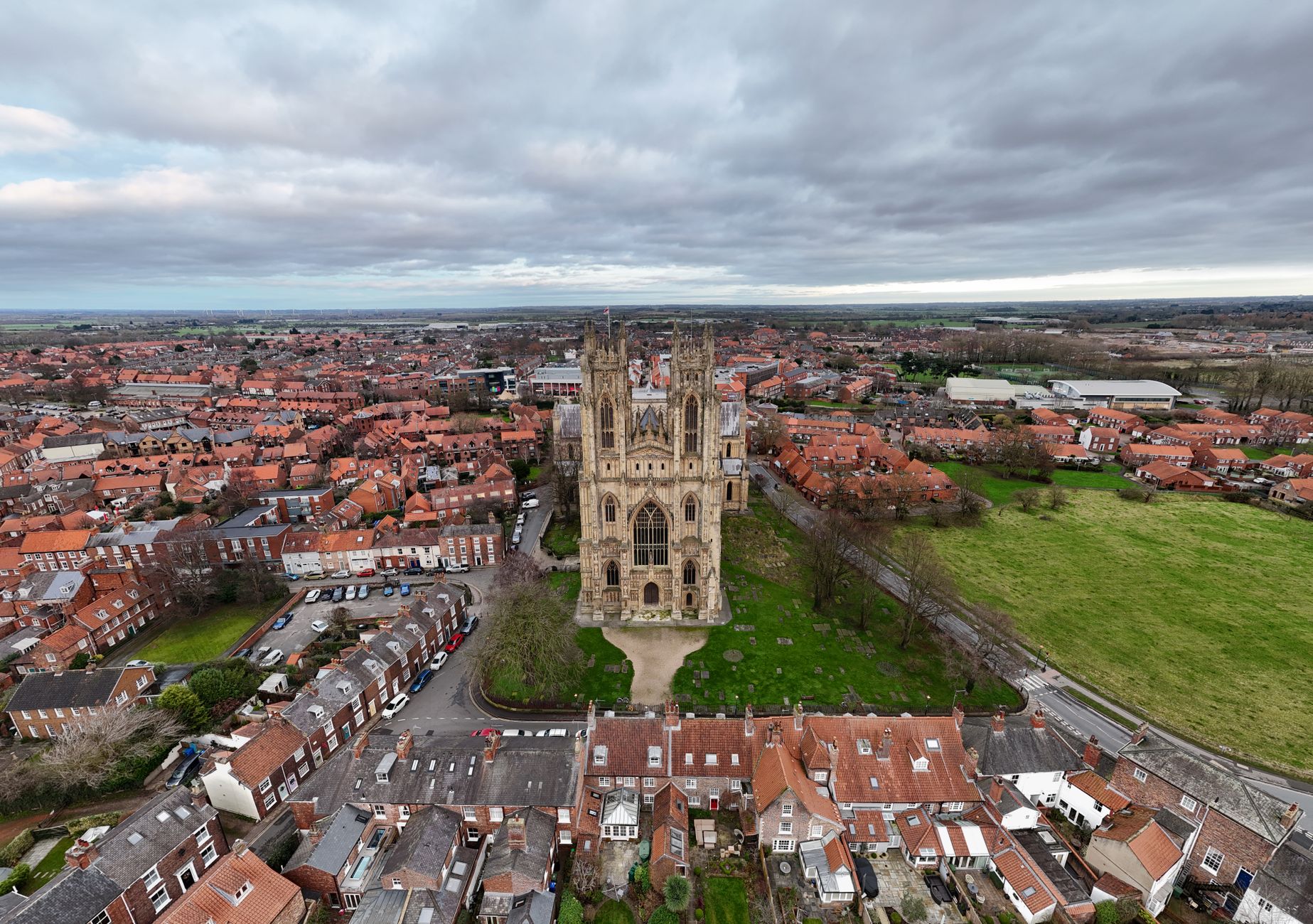
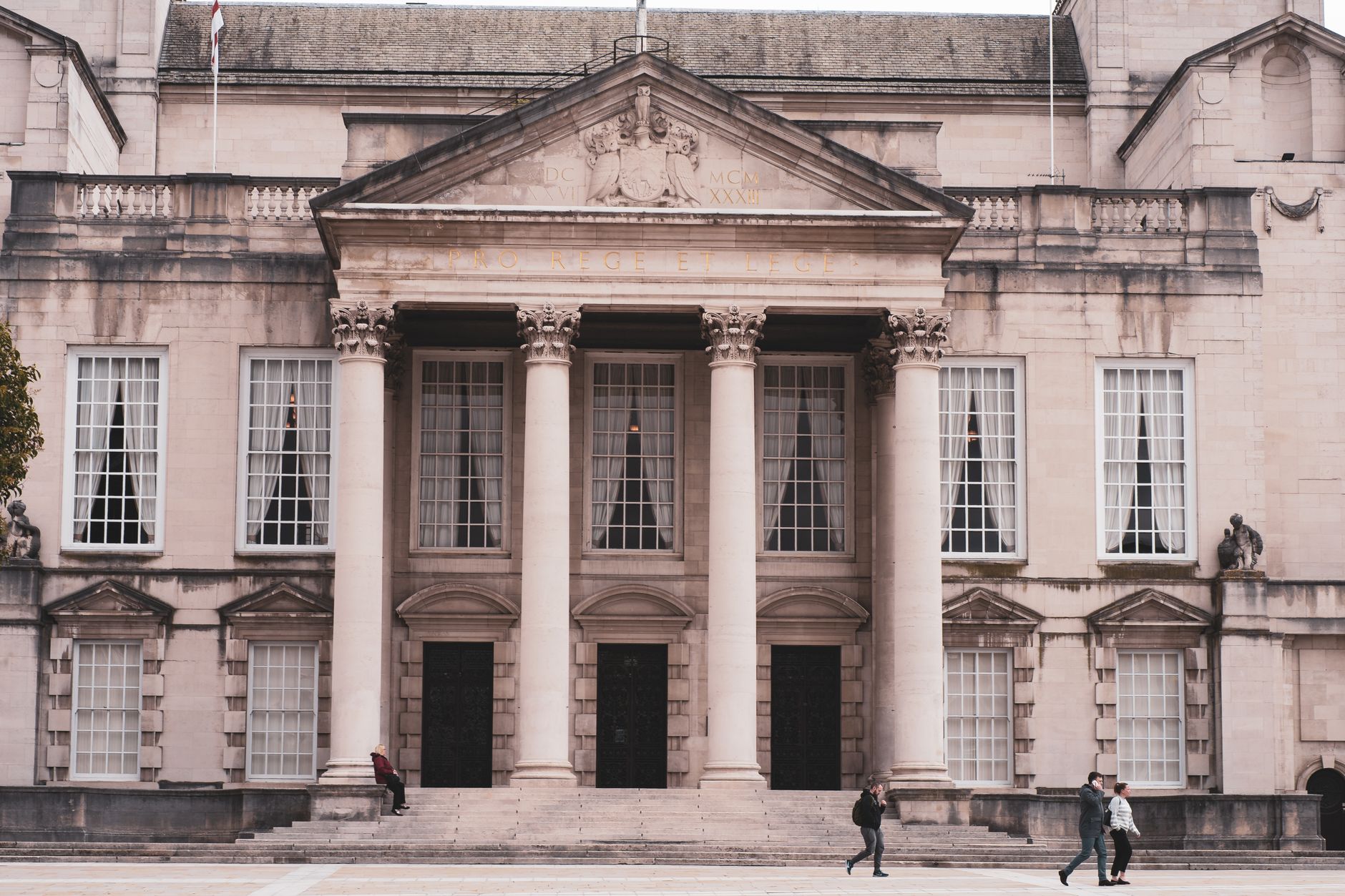
Photo by Oliver Schröder on Pexels
Yorkshire
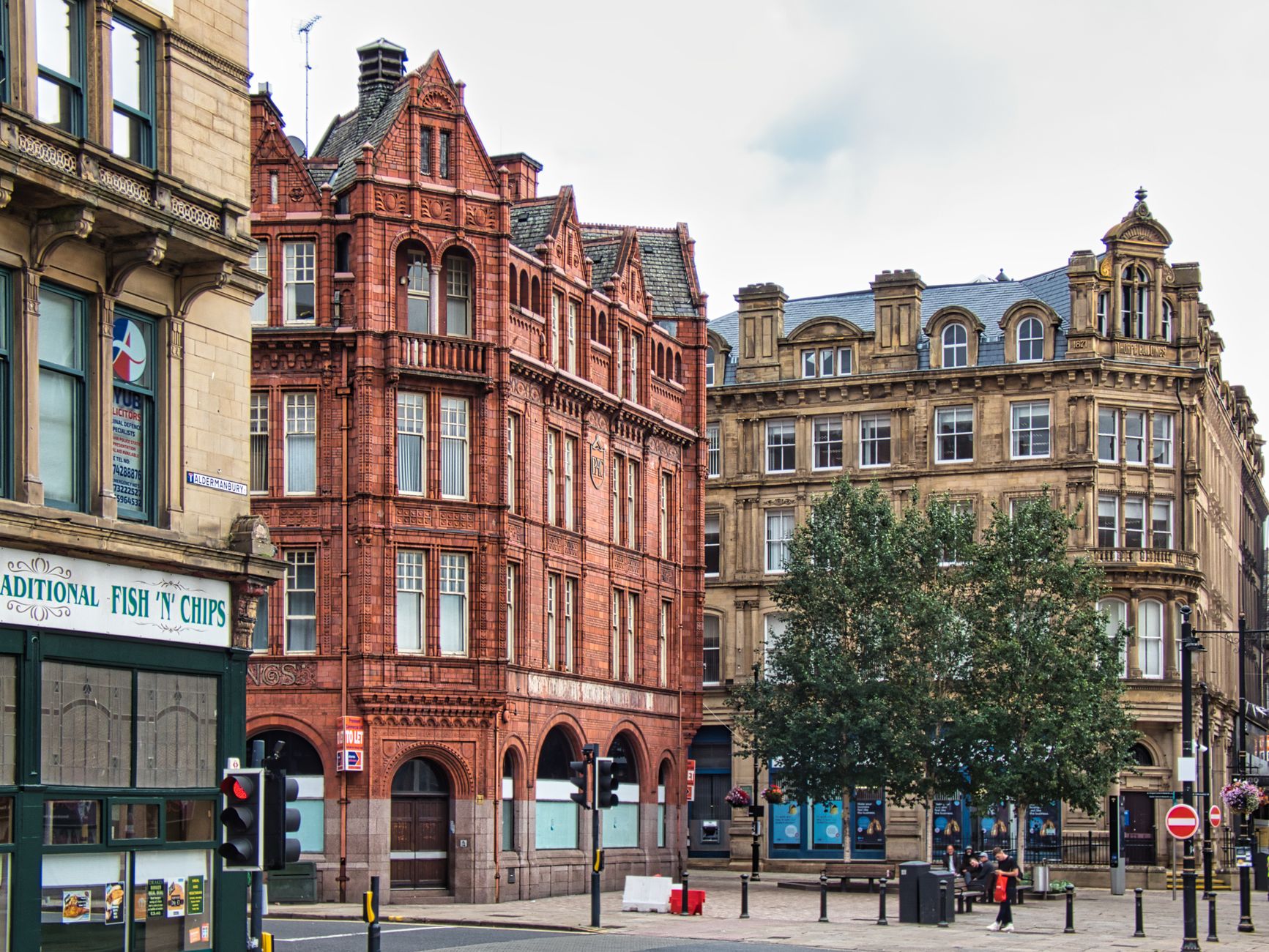
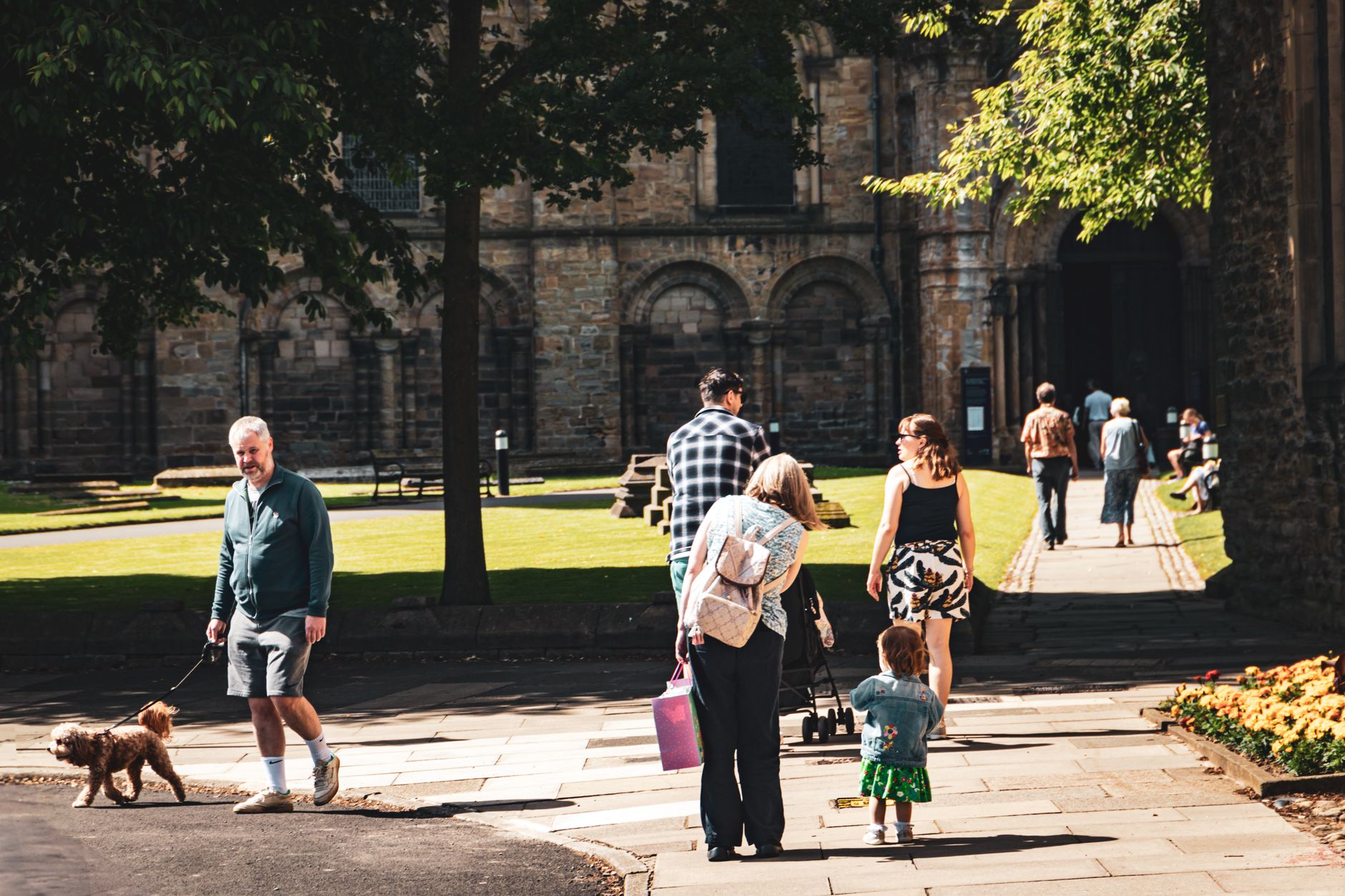
Photo by Chris Brown on Pexels
Yorkshire
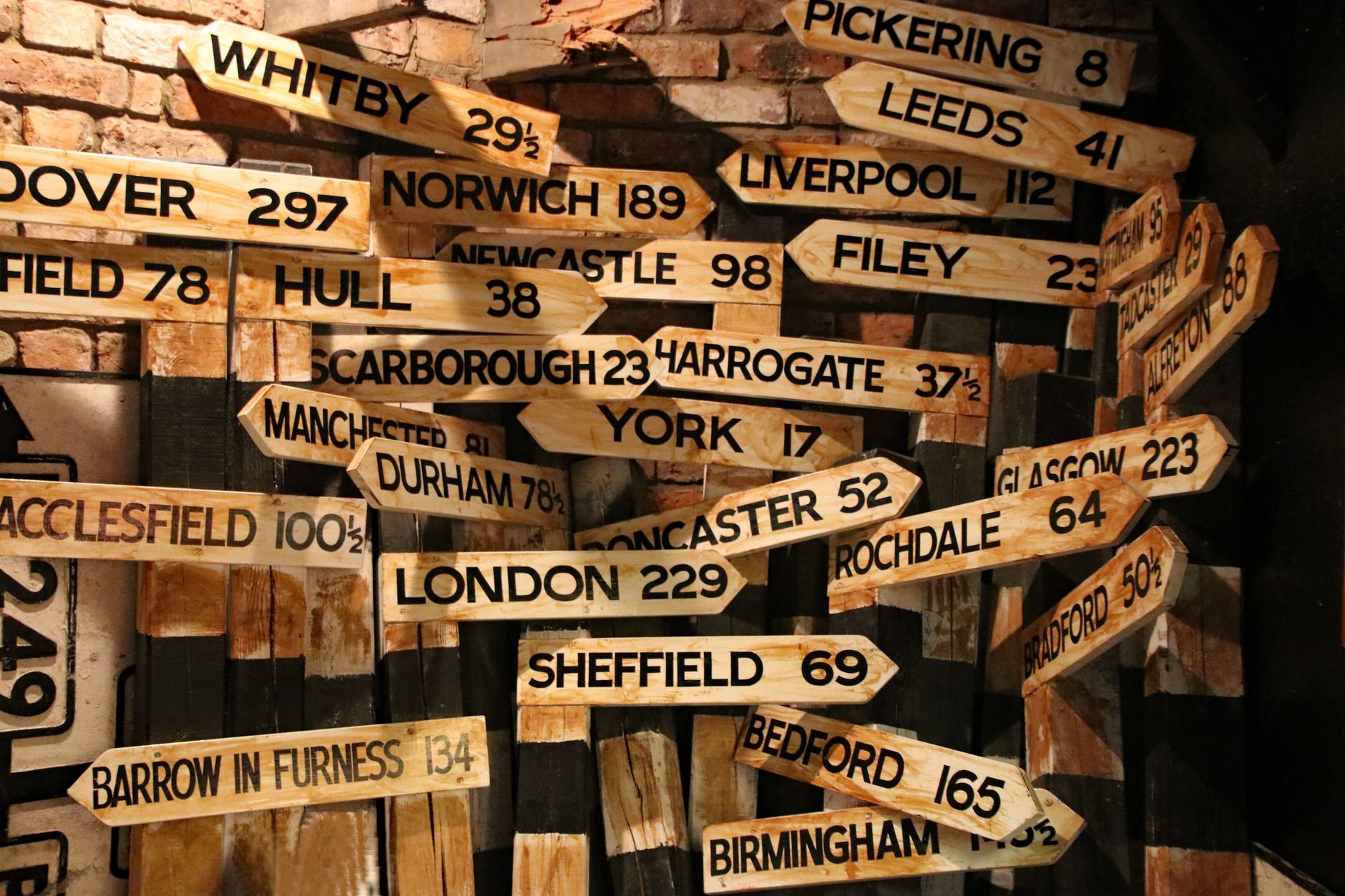
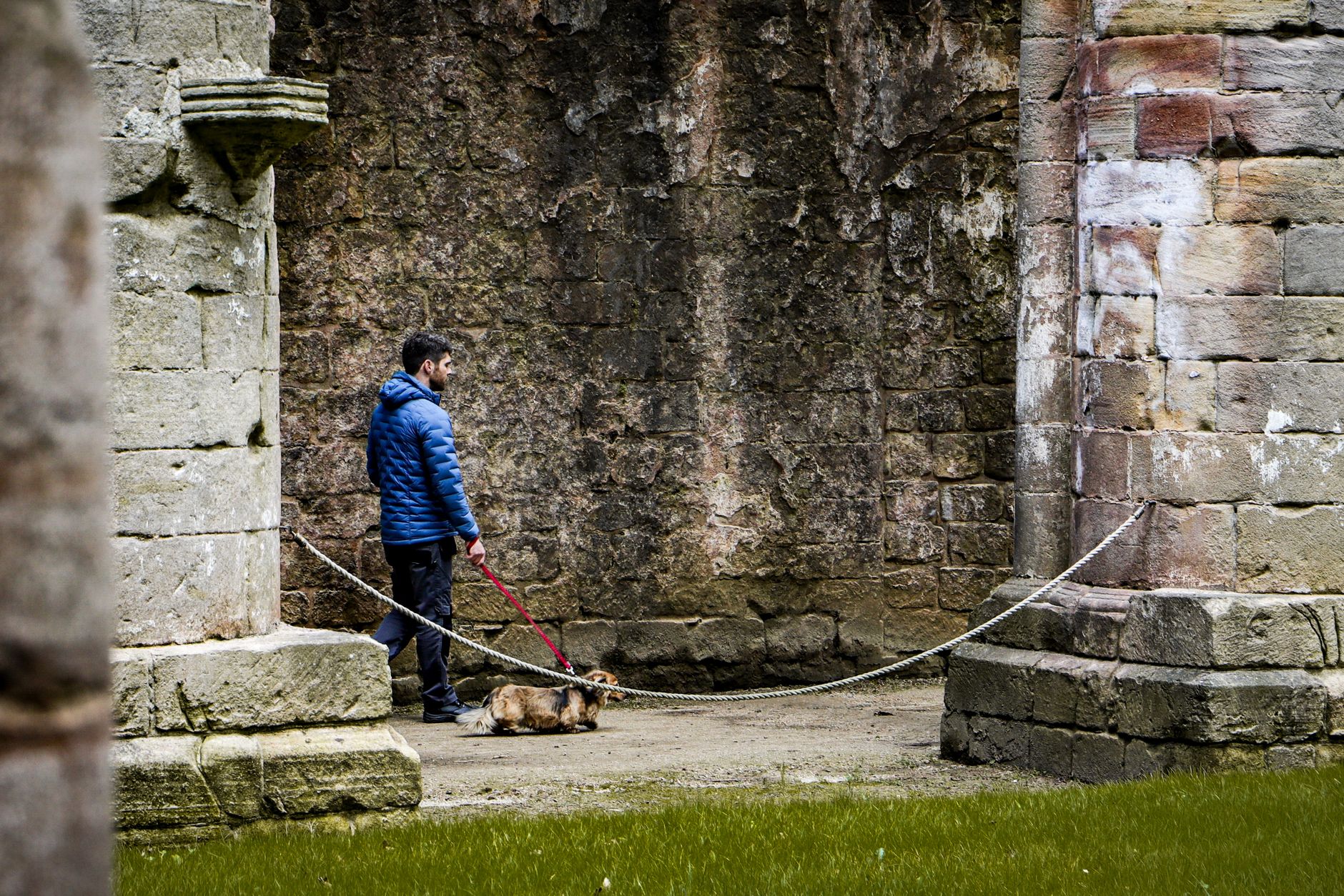
Photo by Ammad Rasool on Pexels
Yorkshire
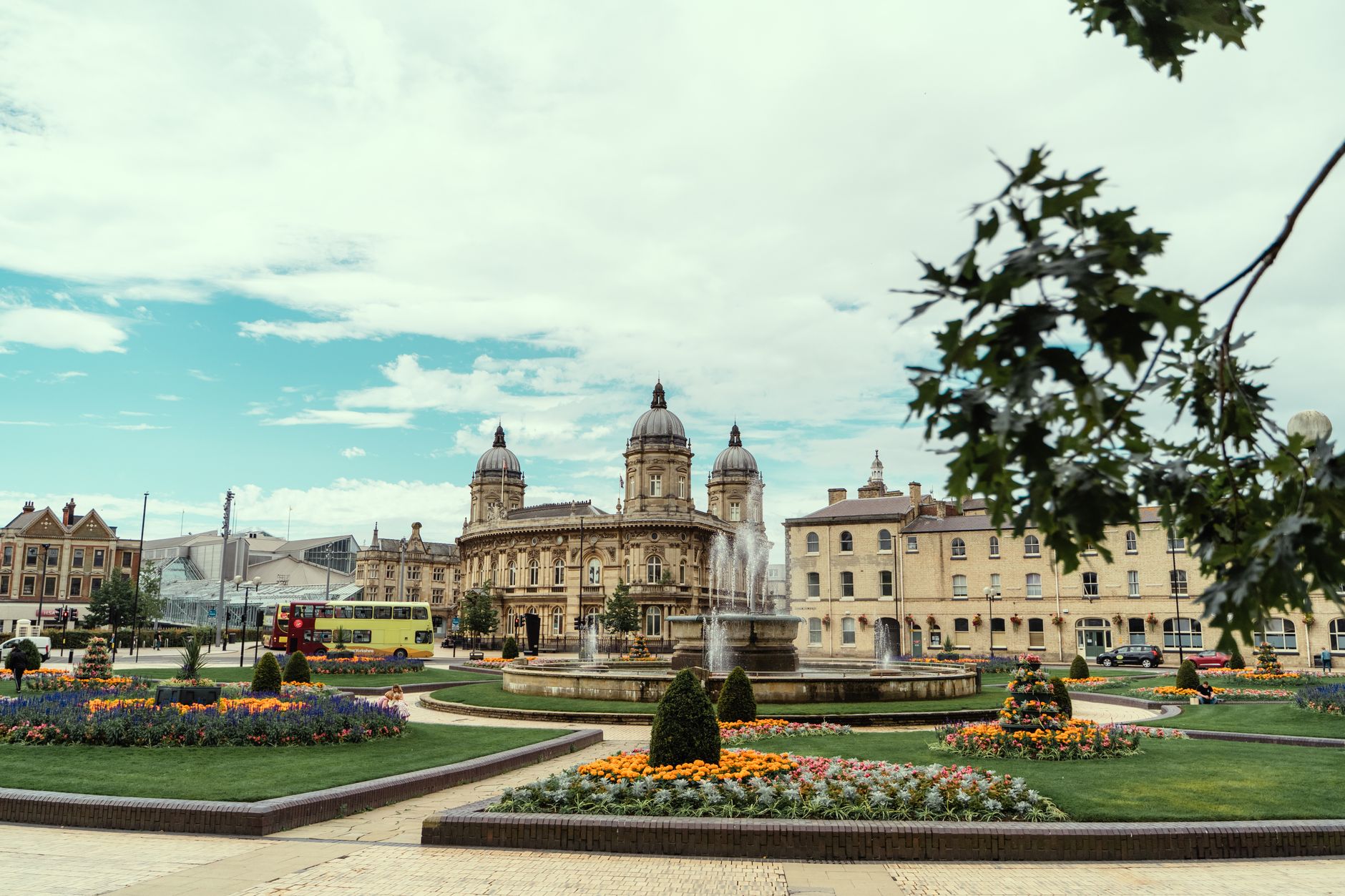
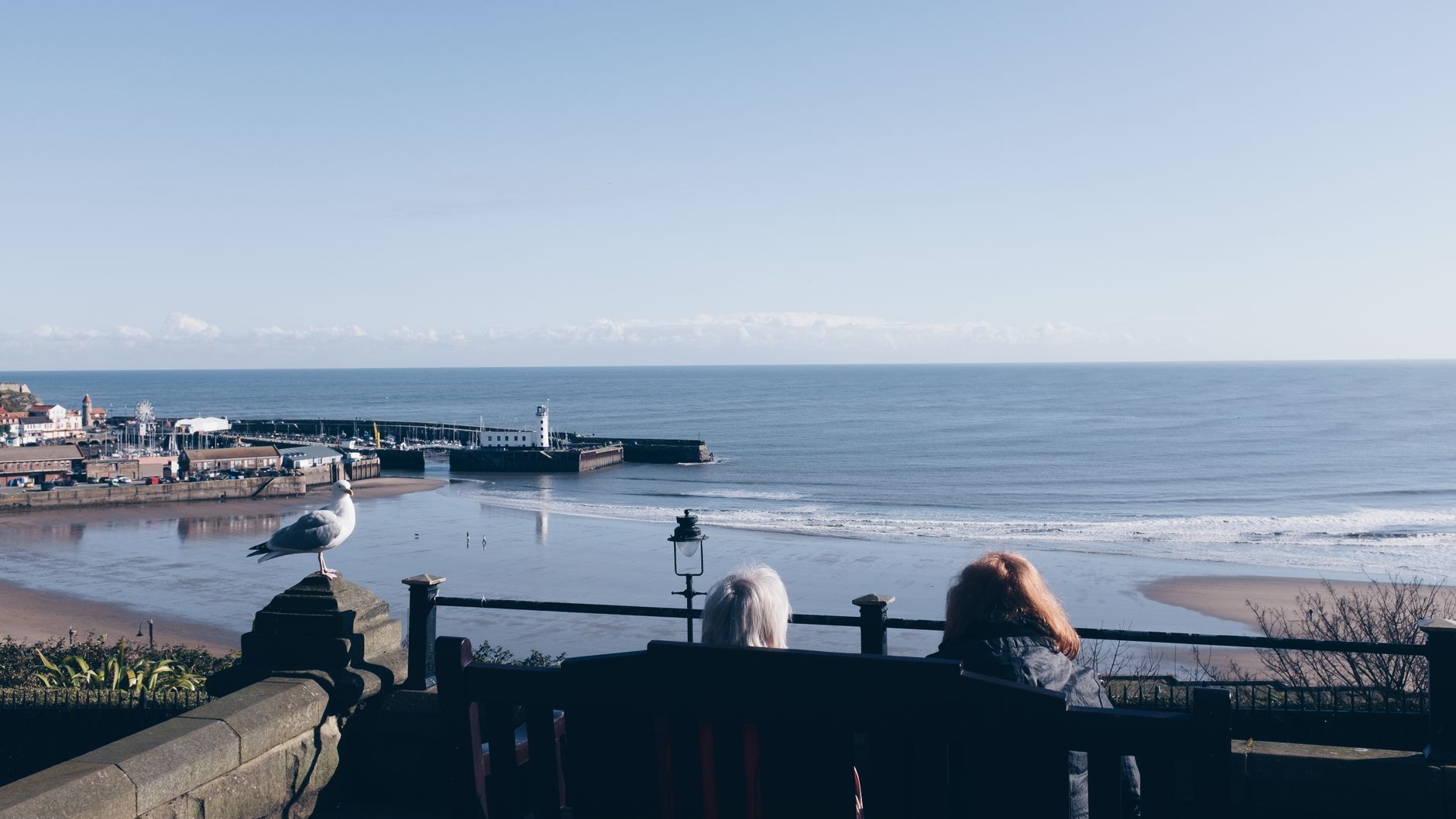
Photo by Mike Norris on Pexels
Yorkshire
Photo by Christopher More on Pexels
Yorkshire
Photo by Tahir Xəlfəquliyev on Pexels

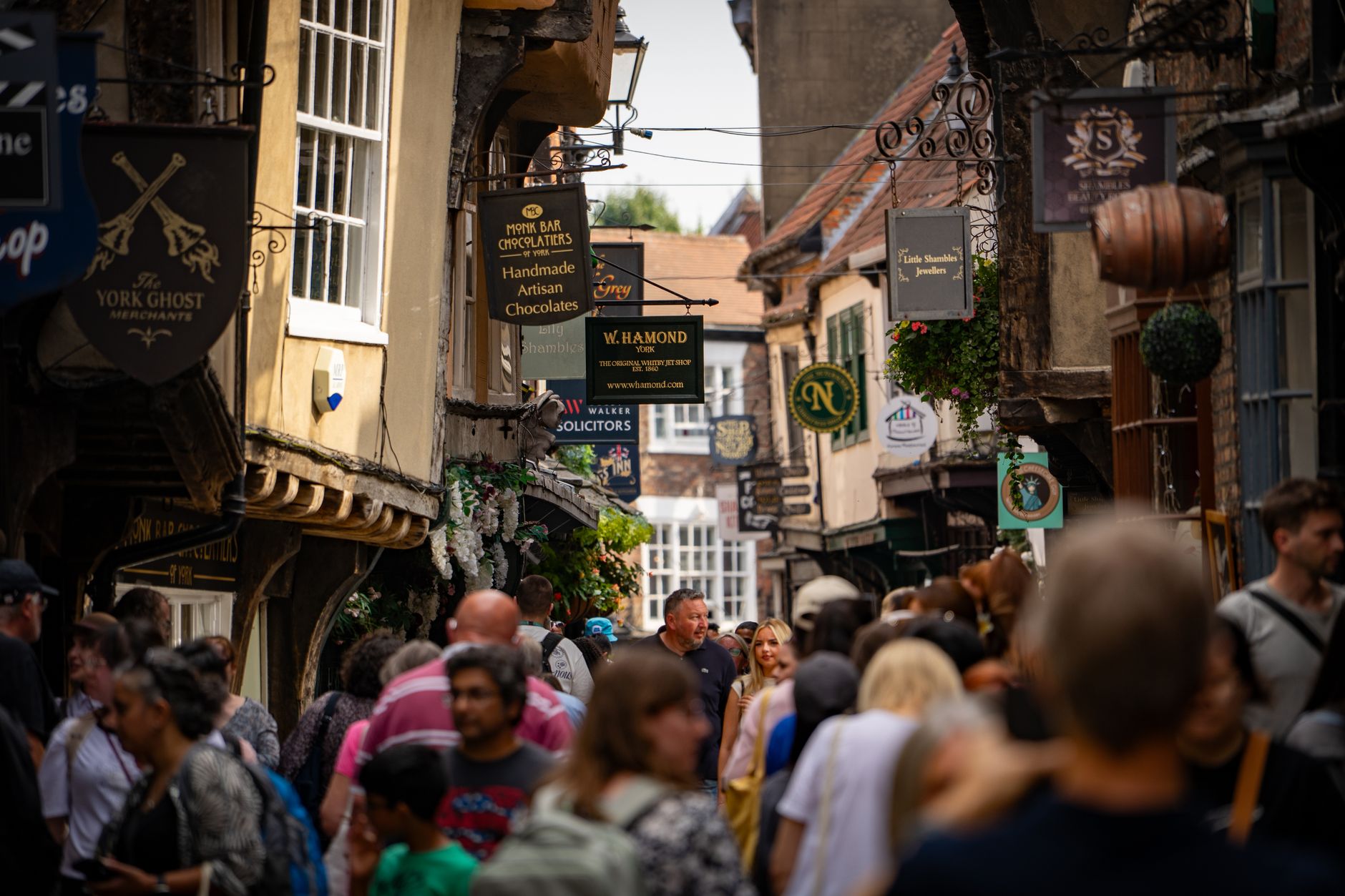
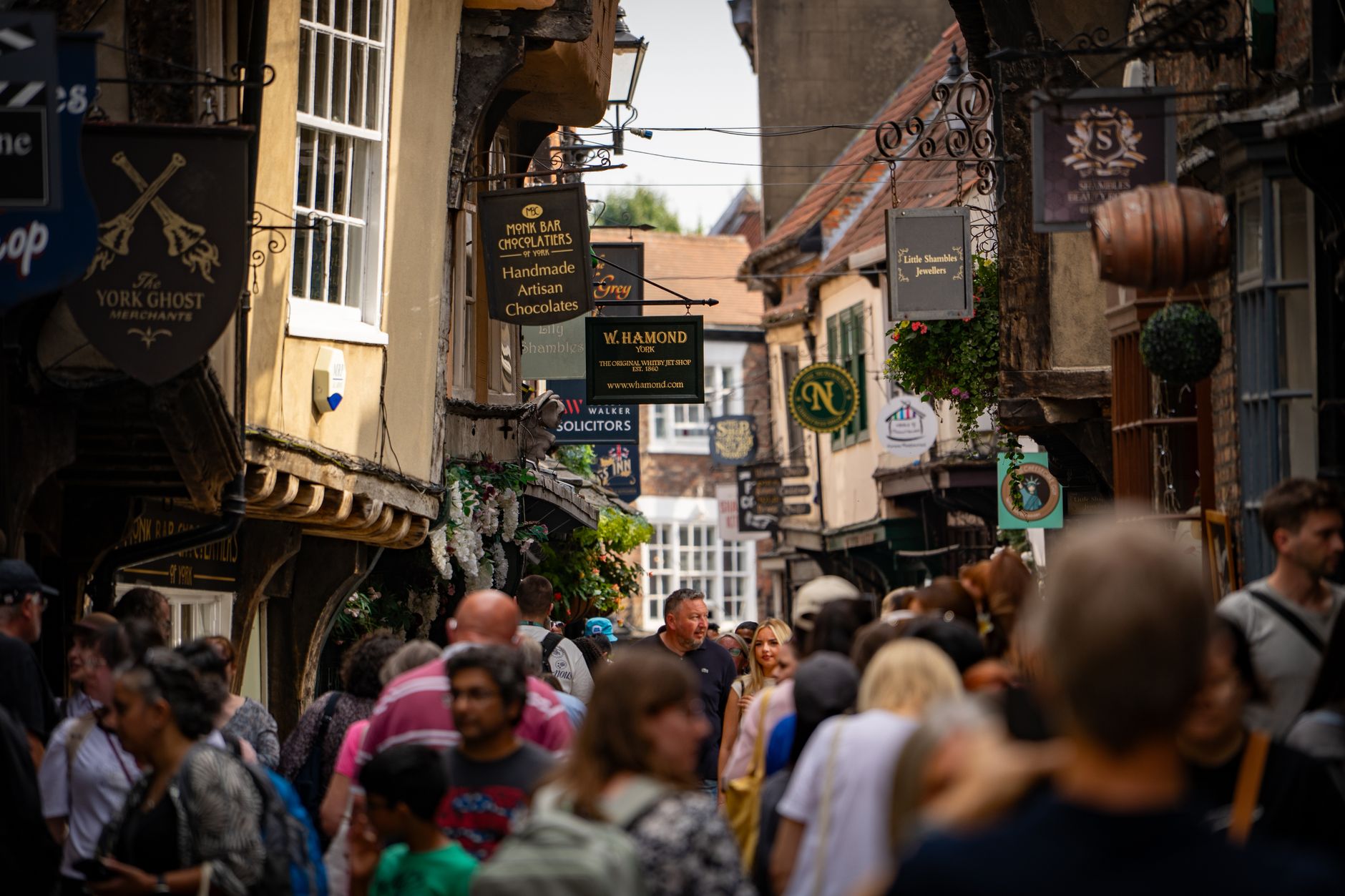
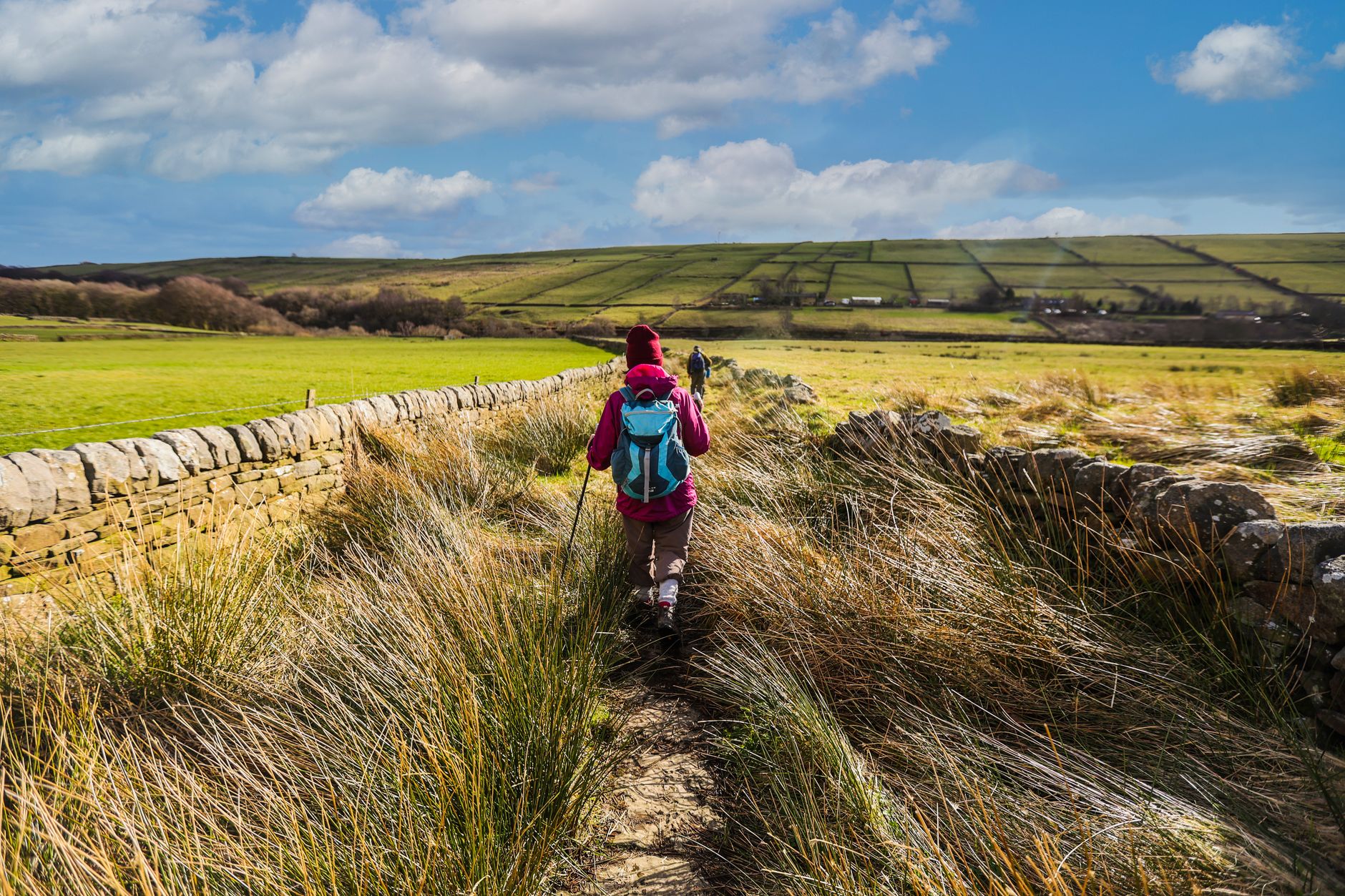
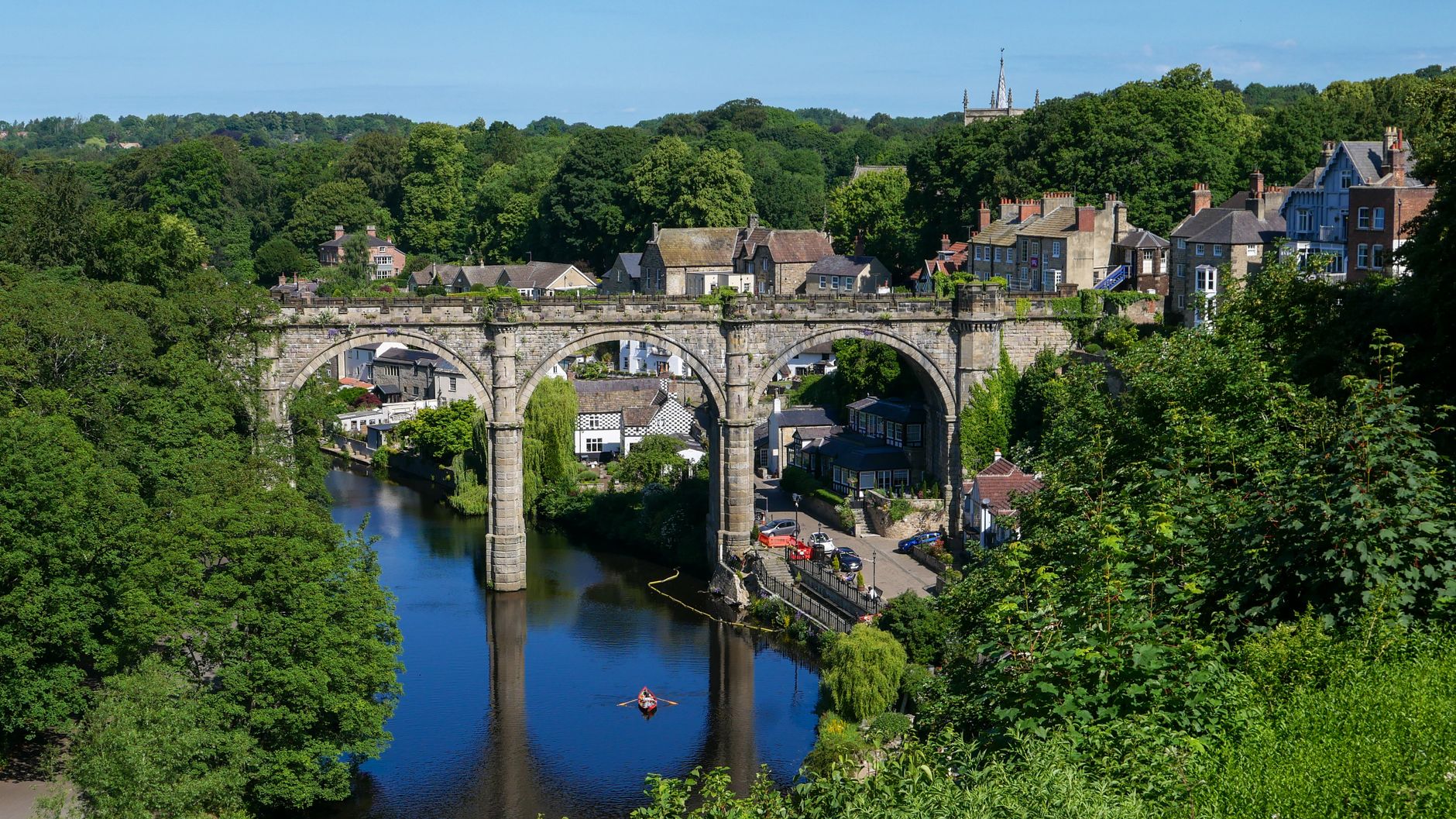
England's largest historic county runs from the Pennine moorland in the west to the North Sea cliffs in the east, and the distance between those two edges contains more variety than many countries manage. You can stand in the Shambles in York — a medieval street so narrow you can touch both sides at once — and be on open heather within forty minutes.

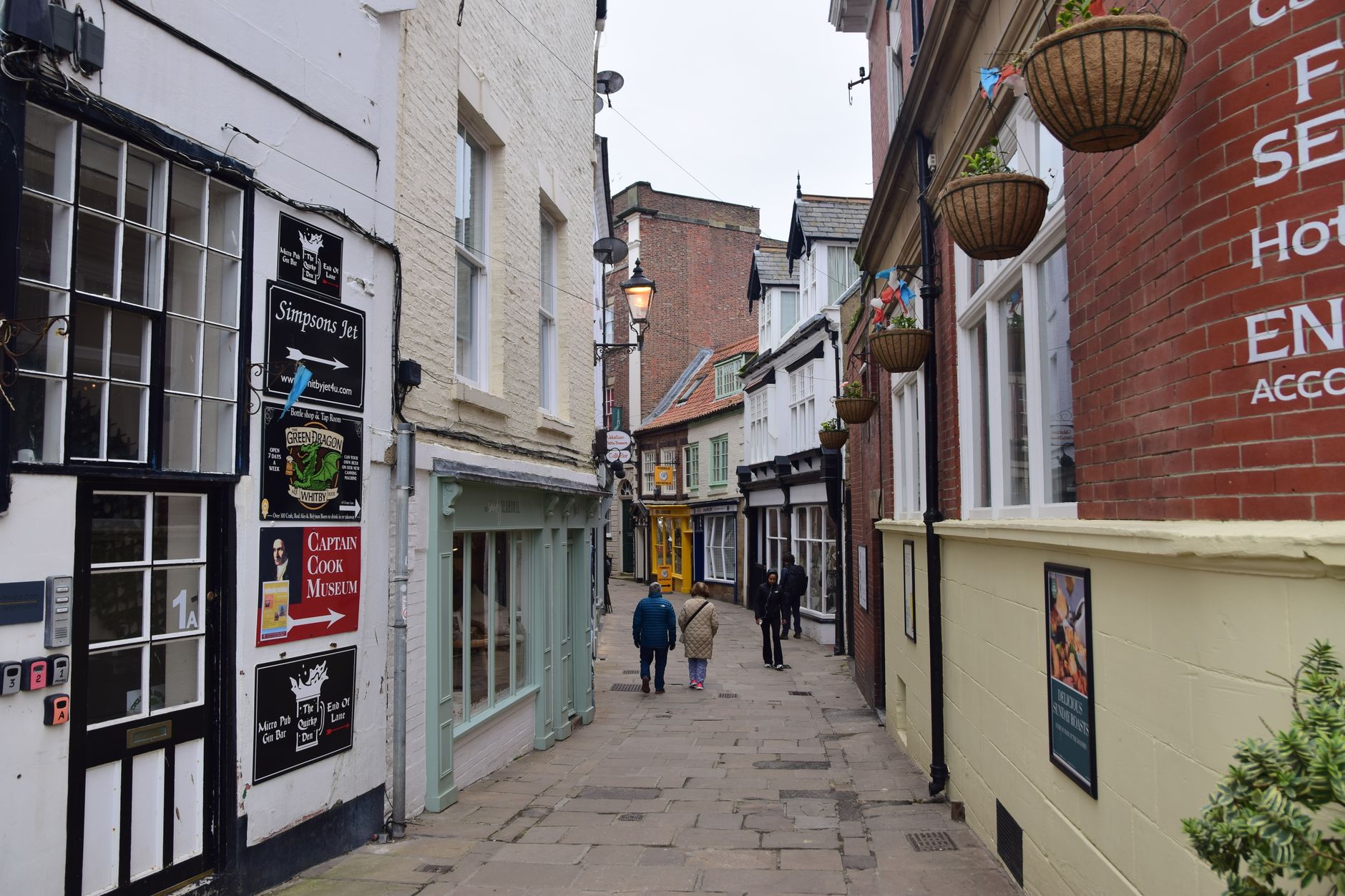
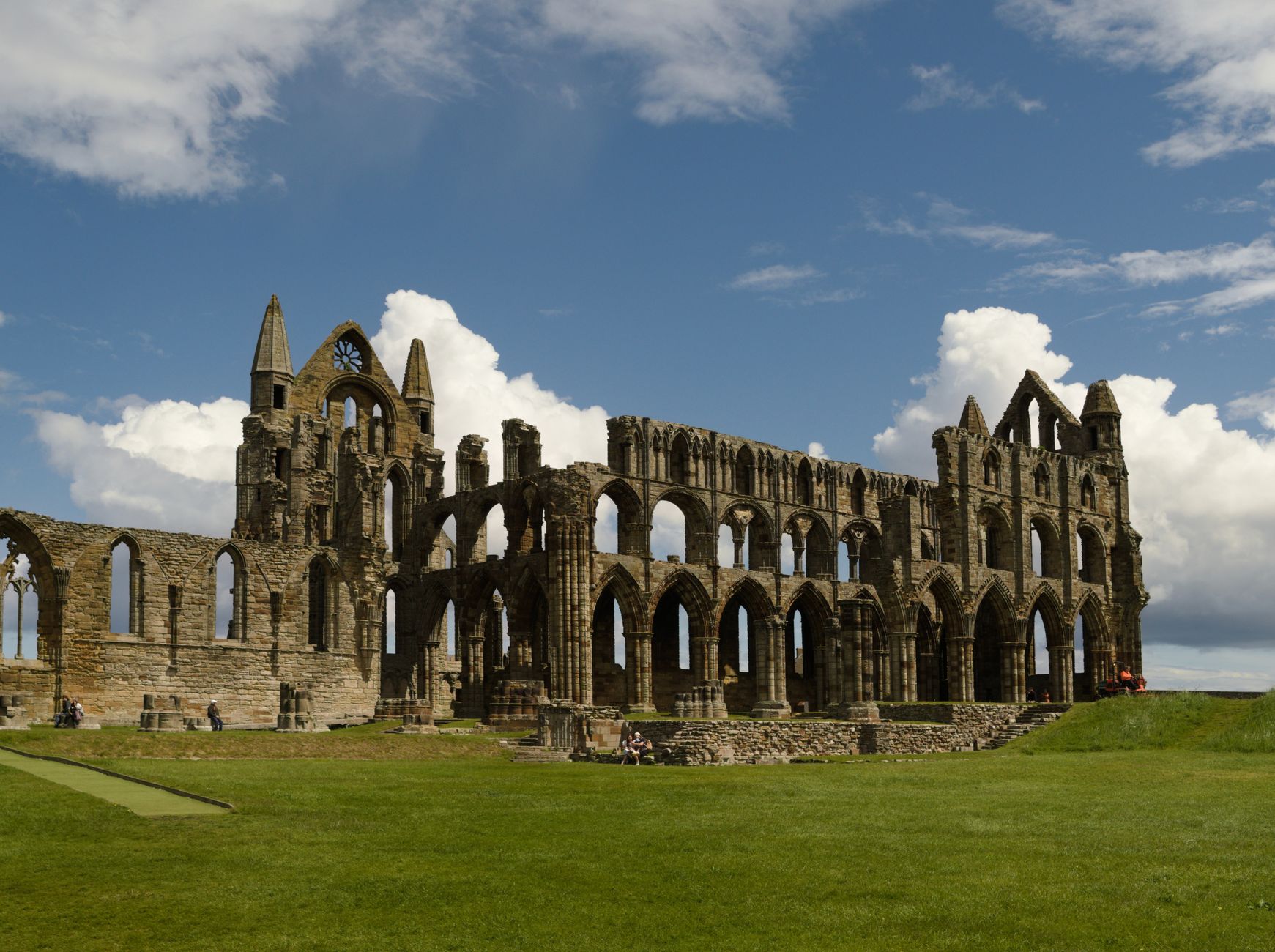
Yorkshire is where the Brontë sisters wrote their novels, where Captain James Cook grew up before charting the Pacific, and where Victorian industrialists built mills grand enough to house entire model towns. The ruins of Whitby Abbey, the Gothic scale of York Minster, the 24 arches of Ribblehead Viaduct striding across the moors — each one earns its place in the landscape.

Good to know
York is the natural base for first-timers, with good rail connections and walkable streets. Book English Heritage sites in advance to save on admission, and note that The Forbidden Corner requires pre-booked tickets. Castle Howard's house opens from late March; the grounds year-round from 10am.
The story

How Yorkshire came to be

Romans arrived in 71 AD and founded York — then Eboracum — as a military fortress. Before them, the Brigantes tribe held most of the region; the Parisii occupied the east. Vikings captured York in 866 and held a Danish kingdom here for nearly a century. The name Yorkshire appeared in writing for the first time in the Anglo-Saxon Chronicle in 1065, just a year before the Norman Conquest brought the brutal Harrying of the North.

The medieval centuries were prosperous ones: Barnsley, Hull, Leeds, Sheffield and Scarborough all took shape between the 12th and 13th centuries. By the Industrial Revolution, the West Riding had become the second most important manufacturing area in Britain, a transformation still legible in places like Saltaire, where Sir Titus Salt built his mill in 1853 and a whole town around it.

People & landmarks

Who and what shaped it

People who shaped it

Alcuin
Born in York; head of cathedral school; leading intellectual of Carolingian Renaissance invited by Charlemagne.
Guy Fawkes
Born 1570; attended St Peter's School in York.
Margaret Clitherow
Born 1556, daughter of York sheriff; created secret room in Shambles house to shelter Catholic priests.
Charlotte Brontë
Born Thornton, Yorkshire 1816; author of Jane Eyre.
Emily Brontë
Born Thornton, Yorkshire 1818; author of Wuthering Heights.
Captain James Cook
Born Marton, Middlesbrough 1728; Georgian oceanic explorer; first to map Newfoundland; made three Pacific voyages.
James Mason
Born Huddersfield 1909; actor; breakthrough role in Odd Man Out (1947).
Dame Judi Dench
Born and raised in Heworth area of York; attended The Mount School.

Landmark buildings

York Minster
Largest Gothic cathedral in northern Europe; founded AD 625 on Roman fortress site; built 13th–15th centuries.
Whitby Abbey
First monastery founded 657; destroyed by Vikings 867; rebuilt as Benedictine monastery 11th century.
Bolton Abbey
Medieval monastery; dissolved under Henry VIII.
Fountains Abbey
Medieval monastery; dissolved under Henry VIII.
Rievaulx Abbey
Medieval monastery; dissolved under Henry VIII.
Bolton Castle
Built 1378–1399 by Richard le Scrope; combined strategic defence with luxury living.
Castle Howard
Stately home built from 1699; took over 100 years to complete; home of Howard family.
Georgian Theatre Royal, Richmond
Built 1788; oldest working theatre in Britain still in original form.
Salts Mill
Built 1853 by Sir Titus Salt; Grade II Listed mill in UNESCO World Heritage Site Saltaire.
Ribblehead Viaduct
Victorian engineering feat; 24 massive arches; towers 104 ft above moors.
The Shambles
Among most well-preserved medieval shopping streets in Europe; buildings date 1350–1475; extremely narrow.
Practical

Plan your visit

On the map

When to go

Yorkshire has an oceanic climate — mild rather than warm, and reliably damp in every season. July averages around 22°C during the day; February sits closer to 8°C. Somewhat counterintuitively, August is the wettest month, so pack a layer regardless of when you visit.

Right now

☀️
14°C
Clear
Fri
20°
13°
Sat
19°
14°
Sun
22°
12°
Mon
21°
13°
Weather data: Open-Meteo

↡ Cities


Background & history adapted from Wikipedia (CC BY-SA) · specs from Wikidata (CC0) · weather from Open-Meteo · map data © OpenStreetMap contributors · photos from Wikimedia Commons / Unsplash with per-image credit. No third-party reviews or social posts reproduced.

Top