
Harrogate
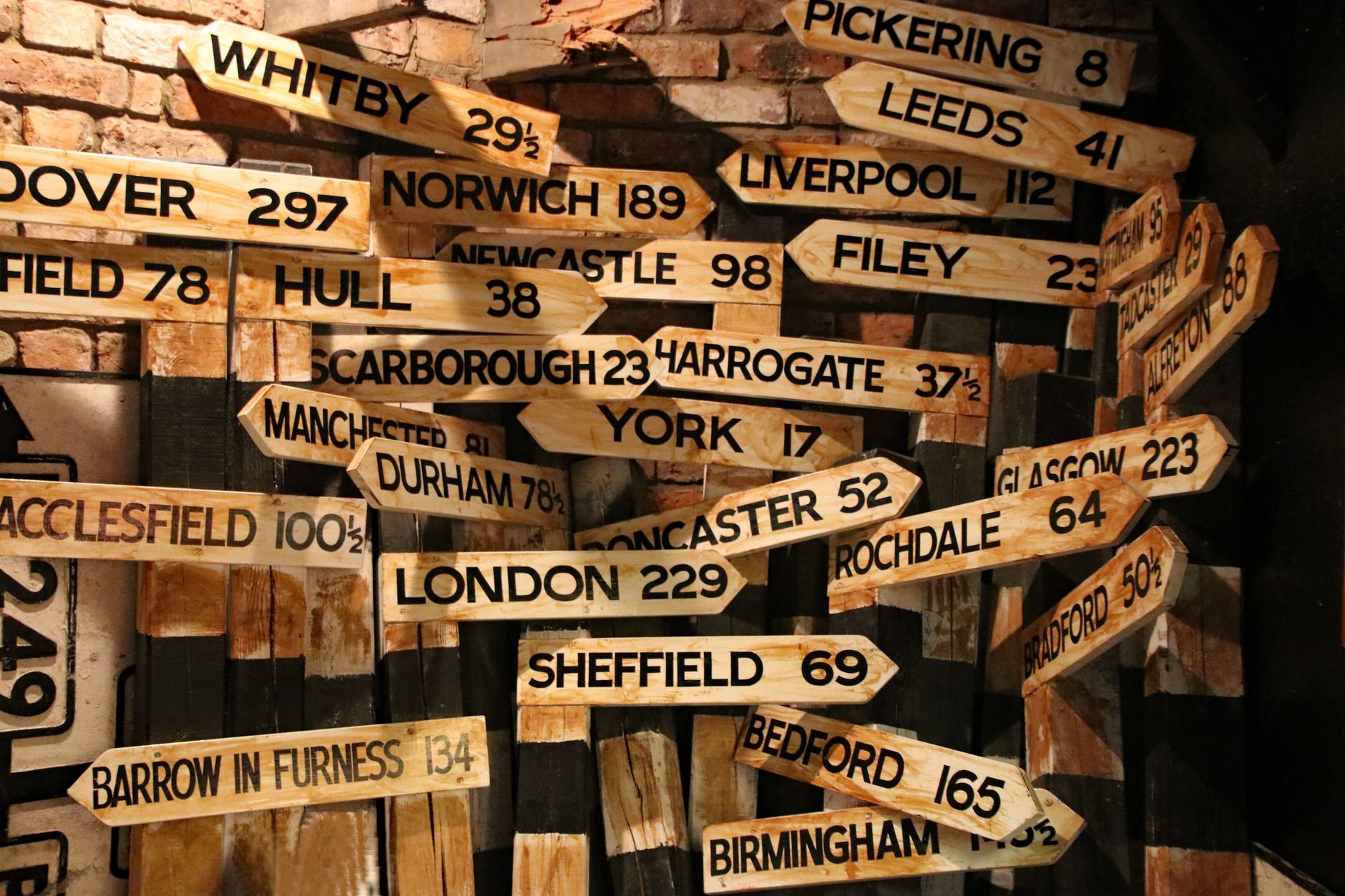
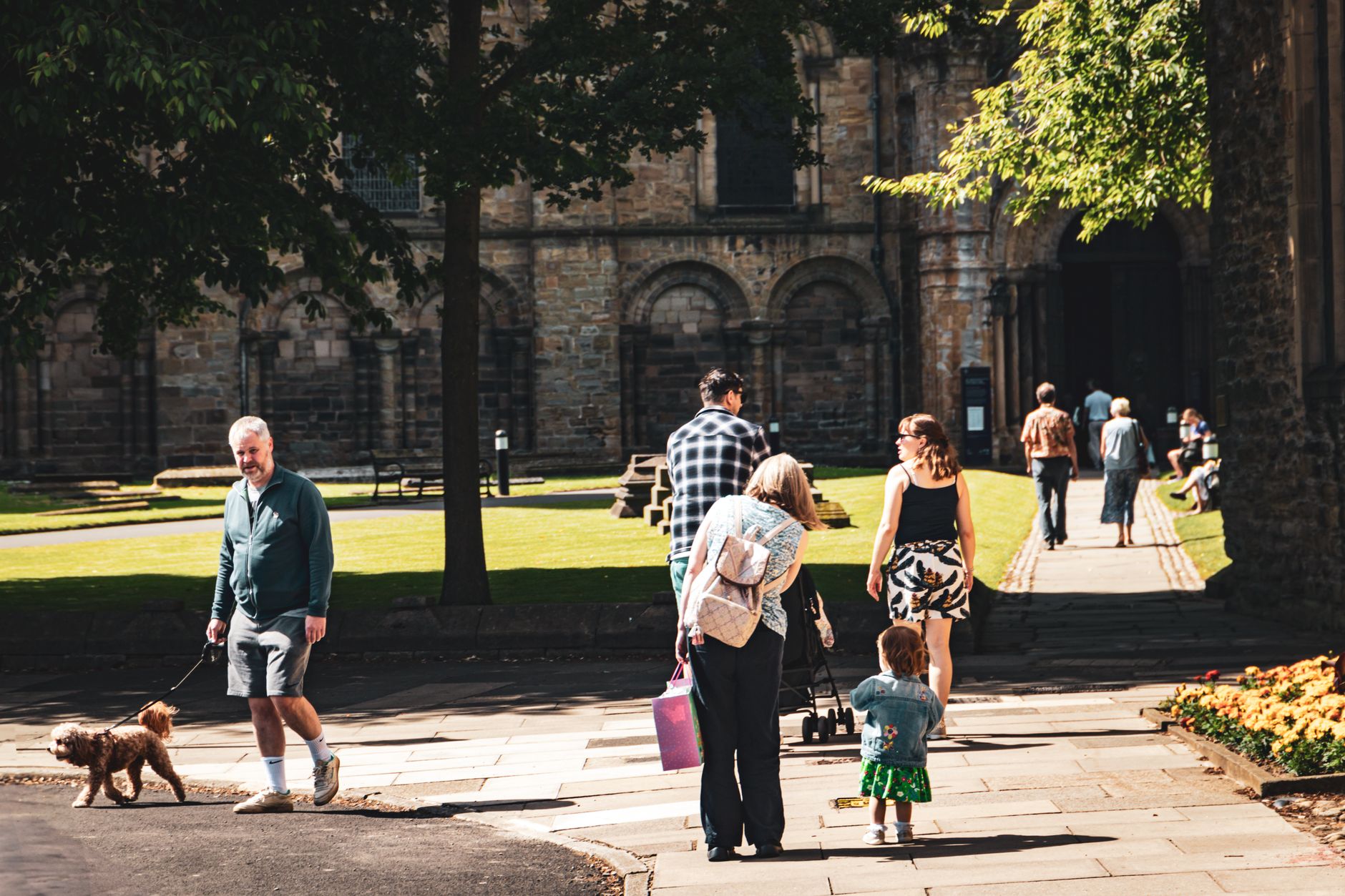

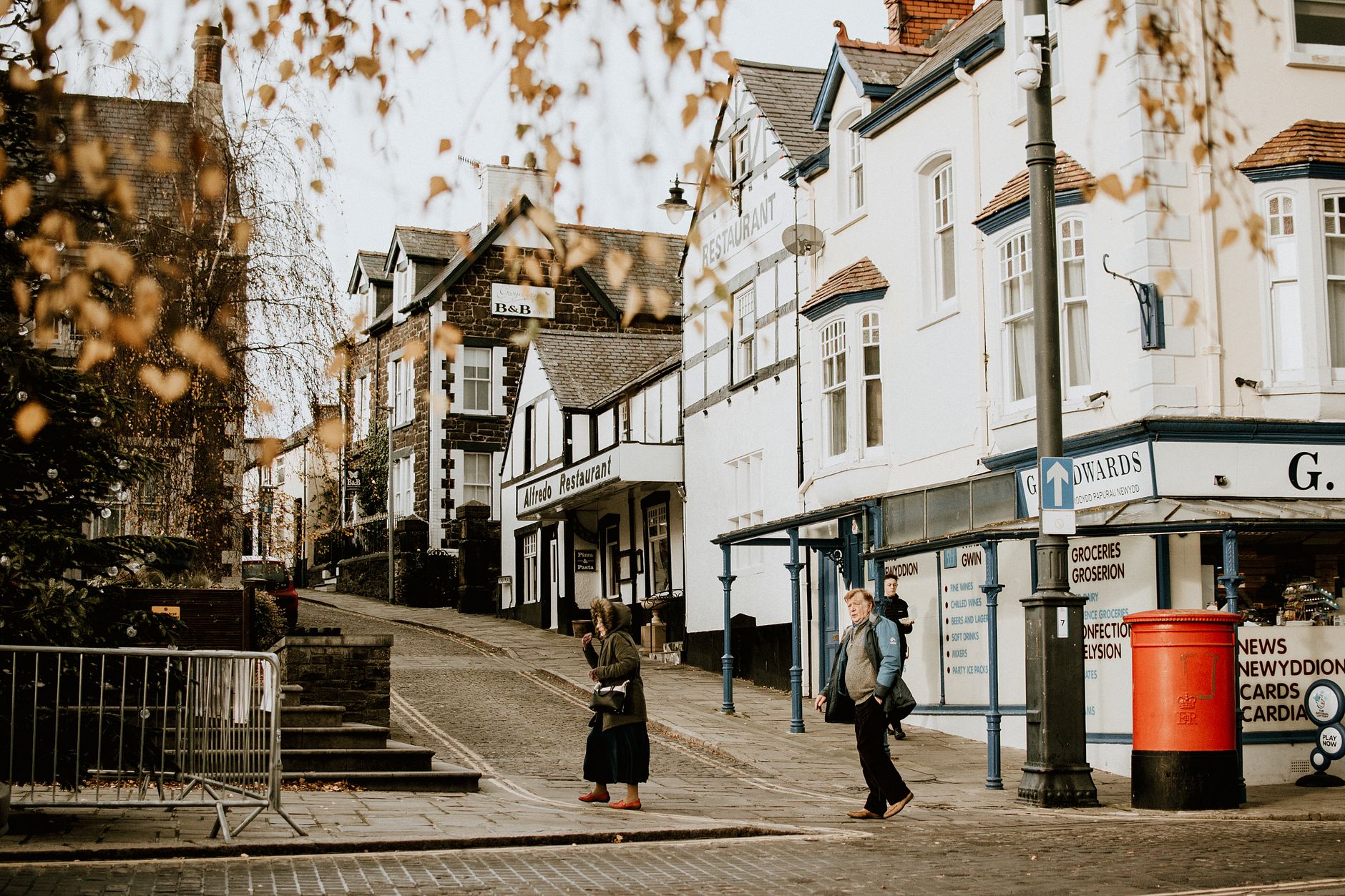

Harrogate built its reputation on water — specifically on the sulphurous springs that bubble up beneath the town with a smell that stops you mid-stride. The Royal Pump Room, raised over the Old Sulphur Well in 1842, now houses a museum, but you can still taste the mineral water from a tap outside. That detail tells you something about the place: Harrogate takes its spa-town identity seriously, and it wears it without embarrassment.
The 200-acre Stray, a band of protected grassland that wraps around three sides of the town centre, was fixed by act of Parliament in 1778 to preserve public access to the springs. It still does exactly that — a wide, unhurried green between the Georgian terraces and the road.
💛 What travellers fall for
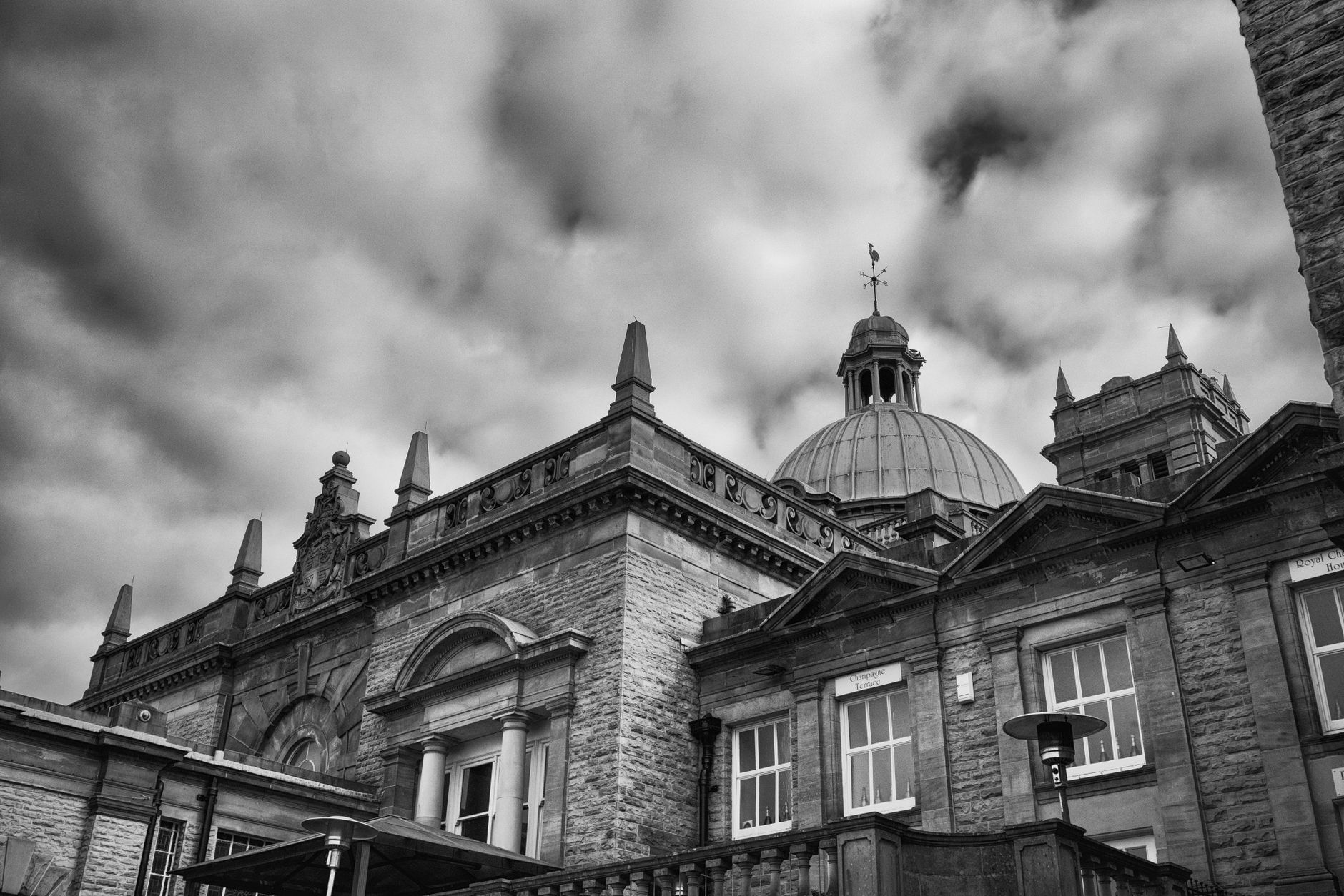
People who come back tend to time a visit around the Valley Gardens in early spring, when the woodland paths are quieter. St Wilfrid's Church, Harrogate's only Grade I listed building, gets mentioned in the same breath as any of the grander set pieces — Temple Lushington Moore's stonework rewards a slow look. The Royal Hall is worth checking for an evening programme.
Deals in Harrogate
Book directly at the provider
How Harrogate came to be
The town's story begins with a well. In 1571, William Slingsby discovered Tewit Well — a chalybeate spring he compared to the medicinal waters of Belgium — and Harrogate's long career as a place people come to recover quietly from things took root. A second spring, St John's Well, was identified in 1631 by Dr Michael Stanhope, and the trickle of visitors became a steady flow.
The railway arrived in 1848, and the current station — the first brick building in Harrogate, designed by Thomas Prosser — opened in 1862. By the 1890s, engineer and three-time mayor Samson Fox had lit Parliament Street by water-gas, and the Royal Baths, designed by Baggalley and Bristowe, opened in 1897. In 1926, Agatha Christie was found at the Old Swan Hotel after her famous eleven-day disappearance, a footnote the town has never quite been allowed to forget.
Who and what shaped it
People who shaped it
Landmark buildings
See Harrogate in motion
Plan your visit
On the map
When to go
Harrogate sits on the edge of the Yorkshire Dales and gets its share of northern rain year-round; pack a layer even in July. Winters are cold and sometimes sharp, but the town functions well through them — spring and early autumn offer the clearest skies and the gardens at their most rewarding.
Right now
Background & history adapted from Wikipedia (CC BY-SA) · specs from Wikidata (CC0) · weather from Open-Meteo · map data © OpenStreetMap contributors · photos from Wikimedia Commons / Unsplash with per-image credit. No third-party reviews or social posts reproduced.