
Hull
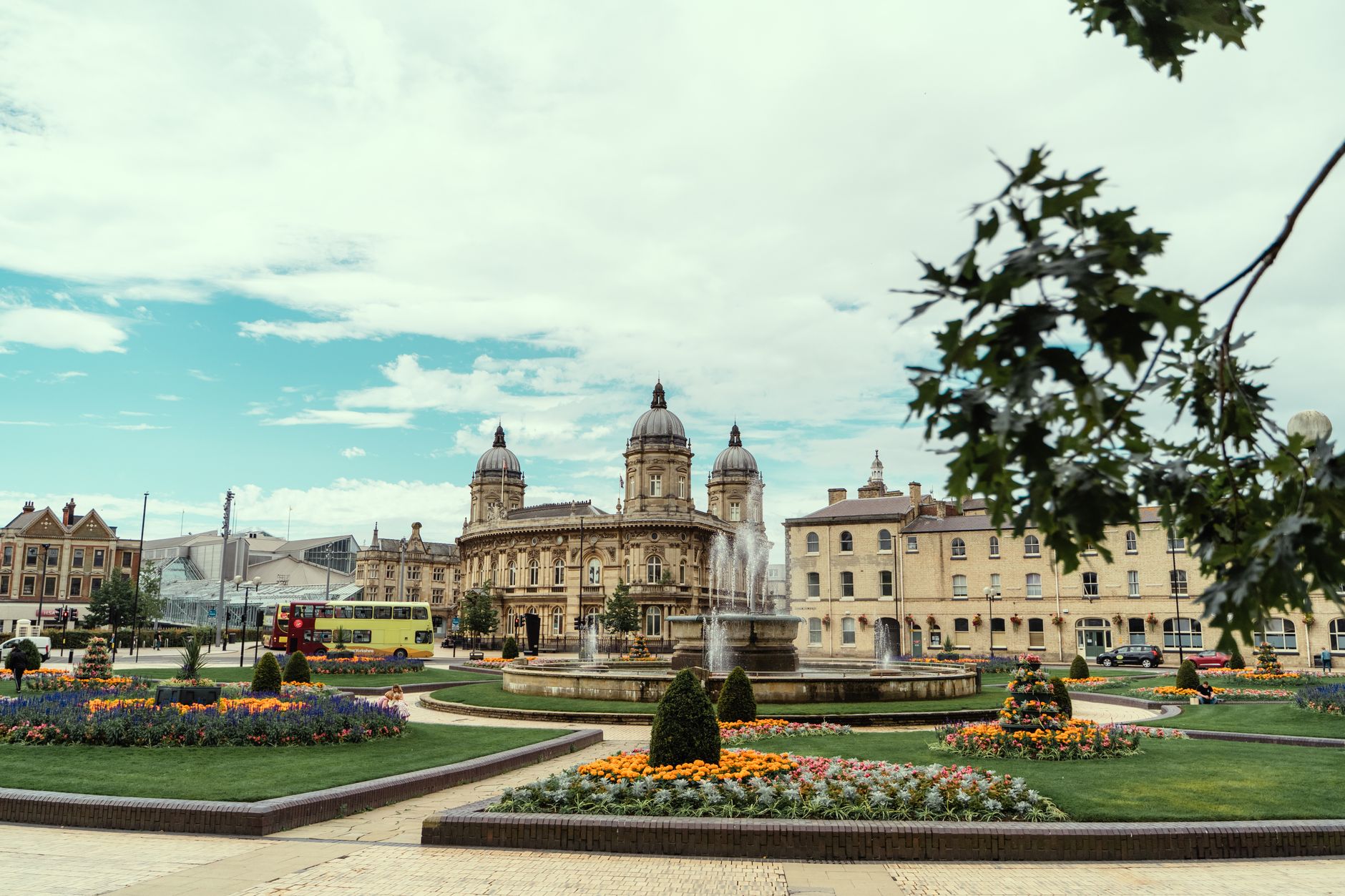
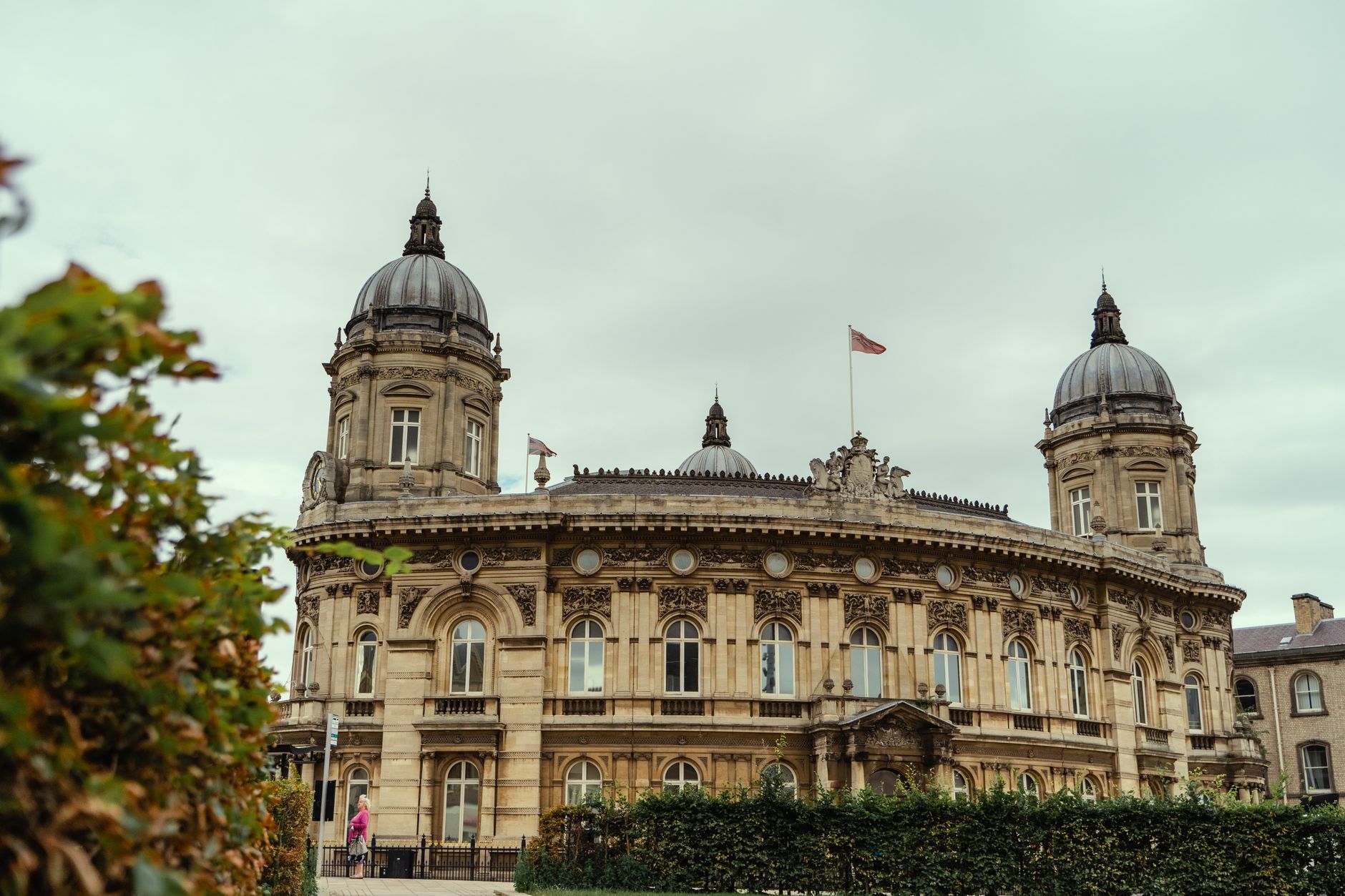
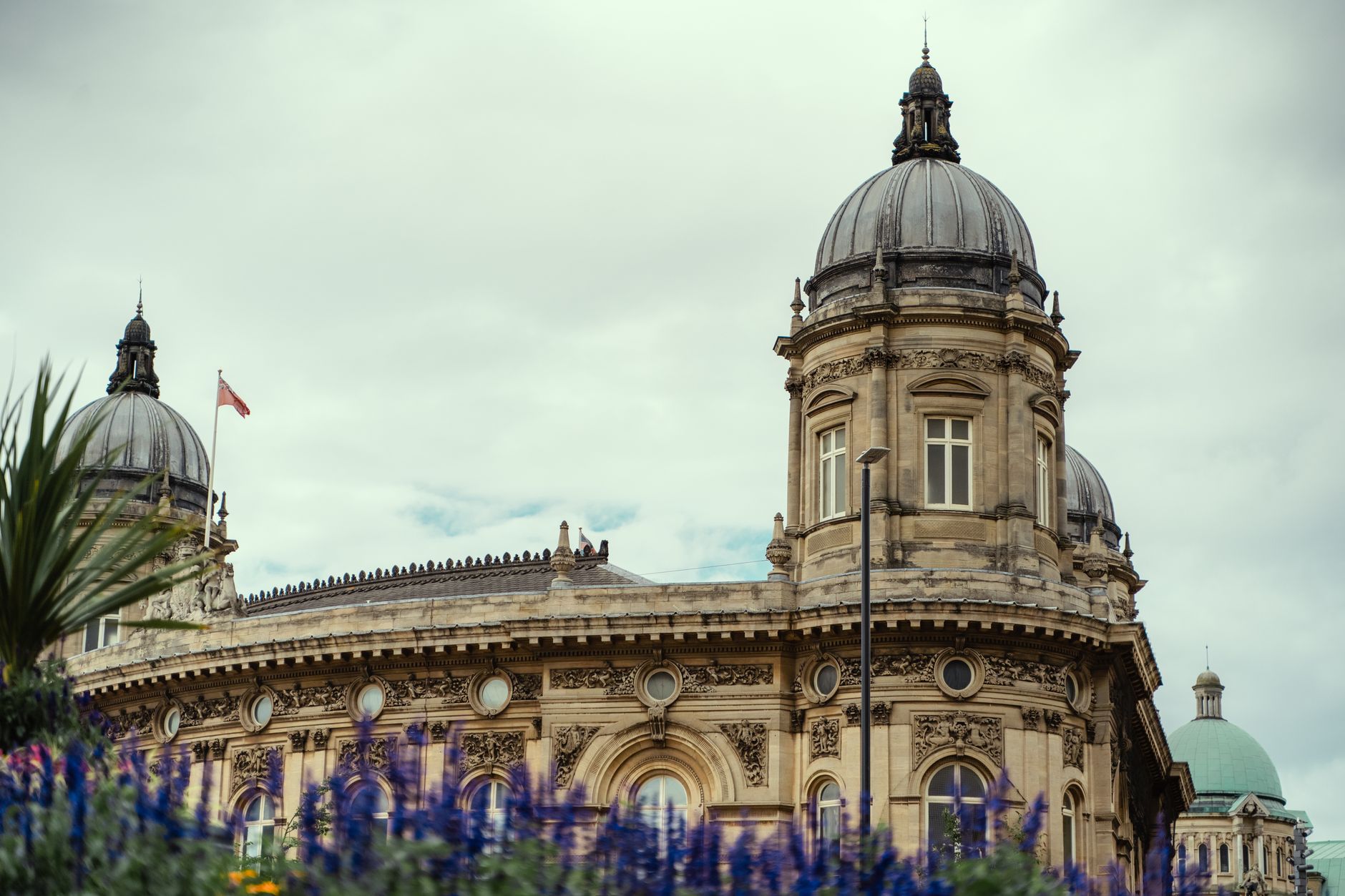

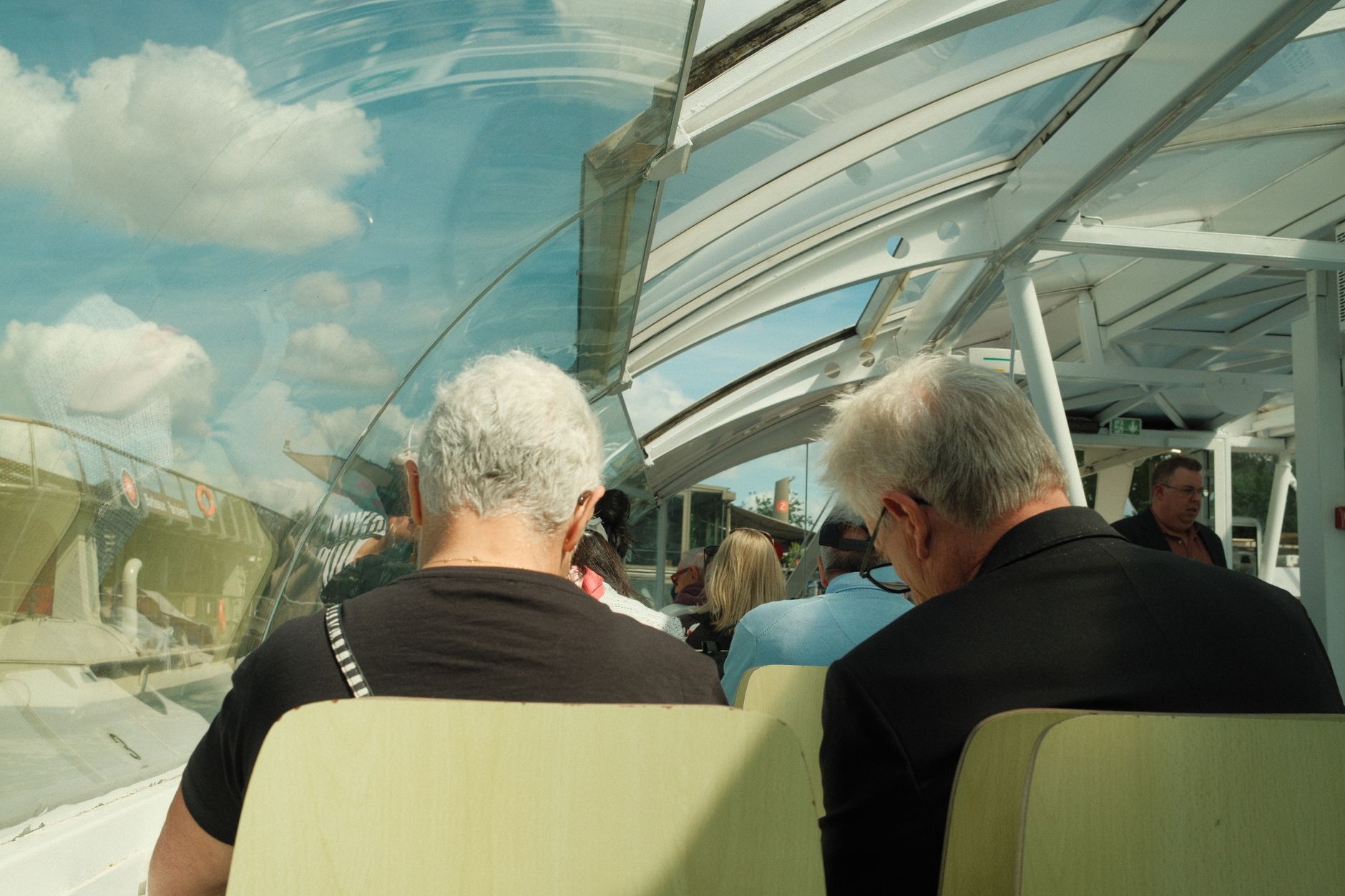
Hull sits where the River Hull meets the Humber, and that geography has always been the point. Monks from Meaux Abbey started it in the late 12th century as a wool-export dock; Edward I bought it a century later and gave it a proper name. The city that grew from that transaction has been shaped by water ever since — by the trawlers that worked Arctic seas, by the Blitz that fell harder here than almost anywhere else in Britain, and by the Humber Bridge that finally stitched it to the south in 1981.
Today Hull carries its history without making a performance of it. The gothic bulk of Hull Minster anchors the Old Town. Wilberforce House, where the great abolitionist was born, stands quietly on the High Street. The Deep — a striking angular aquarium — juts into the Humber like a ship's prow.
💛 What travellers fall for
People who keep coming back tend to arrive at Paragon Interchange and walk straight into the Old Town before doing anything else. The Ferens Art Gallery on Queen Victoria Square is free and genuinely good for an hour. October visitors time it for Hull Fair — the oldest travelling fair in Europe, one week only, loud and unapologetic.
Deals in Hull
Book directly at the provider


How Hull came to be
The story begins with Meaux Abbey monks who needed a port to ship their wool, building a small dock at the confluence of the Hull and Humber rivers — first recorded in 1193. Edward I saw the strategic value immediately, purchasing the settlement in 1293 and granting it borough status in 1299 under the name Kingston-upon-Hull. For centuries the port traded fish, wool and goods across the North Sea.
The Second World War left a mark the city still acknowledges: Hull was the most heavily bombed British city after London. Recovery was slow, but the postwar decades brought the University of Hull (founded 1927, which drew Philip Larkin as its librarian in 1955), and eventually the Humber Bridge in 1981. The 2017 UK City of Culture designation pulled long-overdue attention to what had always been there.
Who and what shaped it
People who shaped it
Landmark buildings
See Hull in motion
Plan your visit
On the map
When to go
Hull is cool and often overcast for much of the year, with its east-coast exposure meaning wind is a constant companion even in summer. Spring and early autumn offer the most agreeable conditions for walking the Old Town; winters are raw and grey but the indoor attractions — Ferens, Wilberforce House, The Deep — make a cold-weather visit workable.
Right now
Background & history adapted from Wikipedia (CC BY-SA) · specs from Wikidata (CC0) · weather from Open-Meteo · map data © OpenStreetMap contributors · photos from Wikimedia Commons / Unsplash with per-image credit. No third-party reviews or social posts reproduced.