
Scarborough
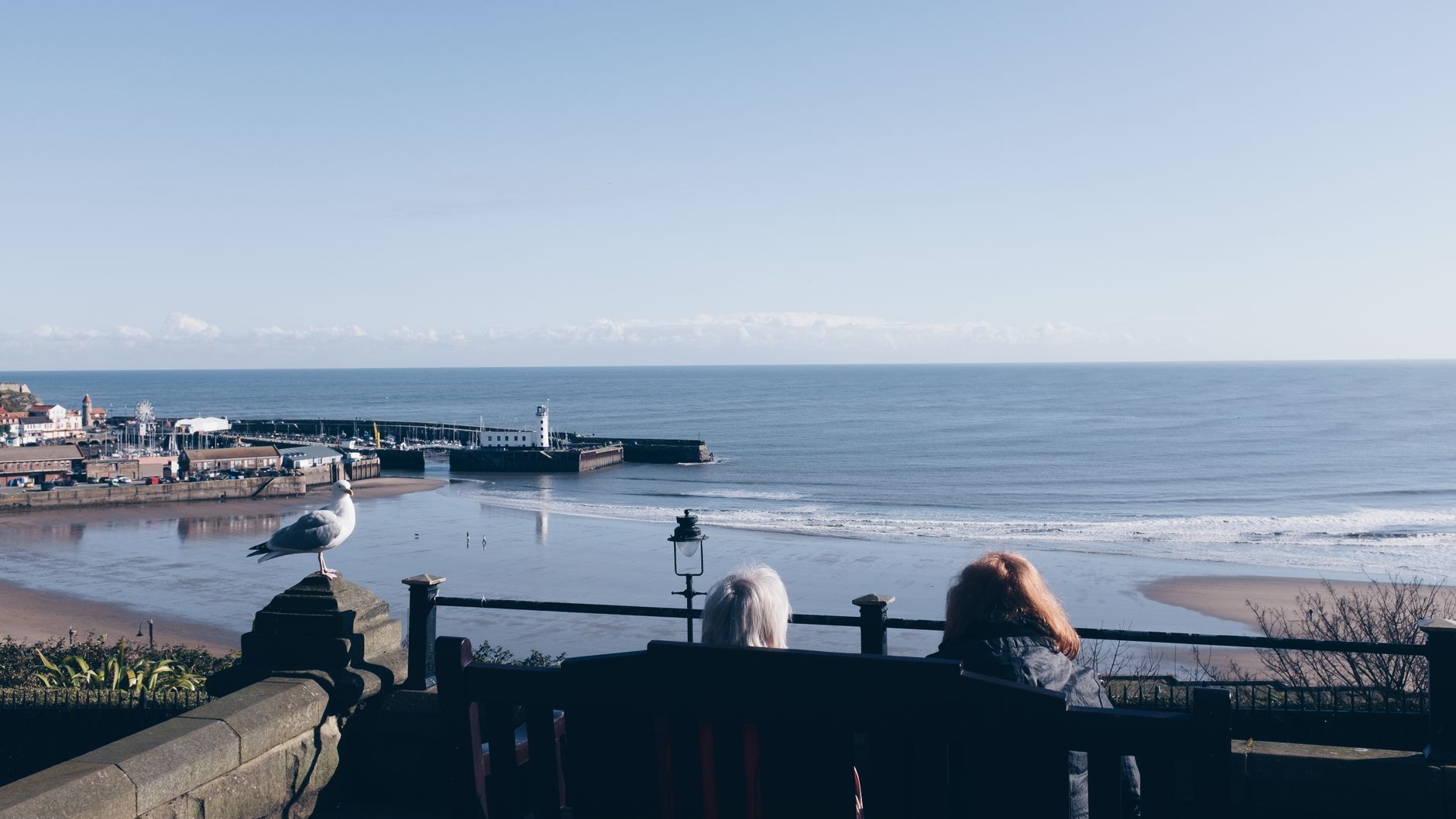
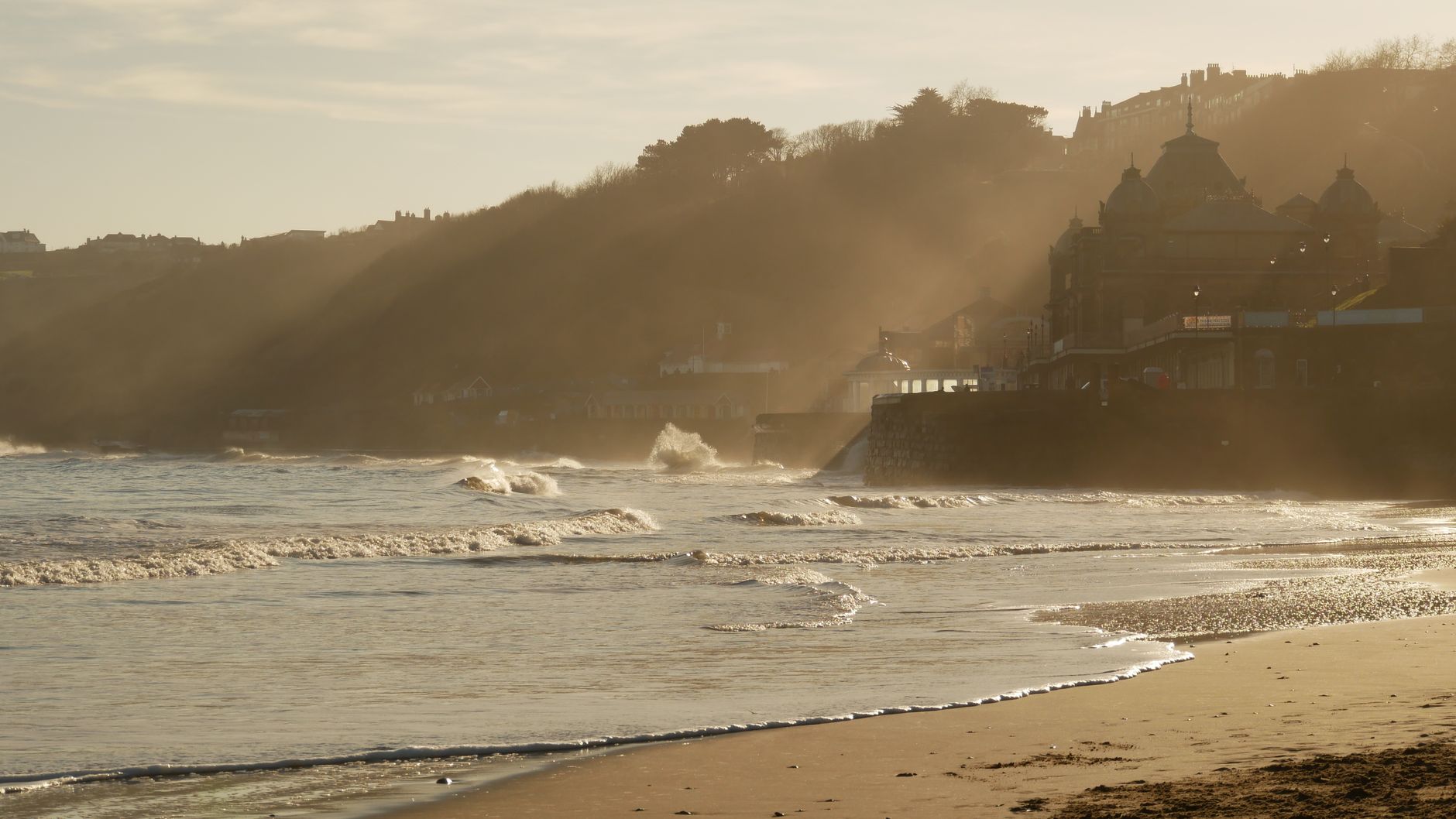
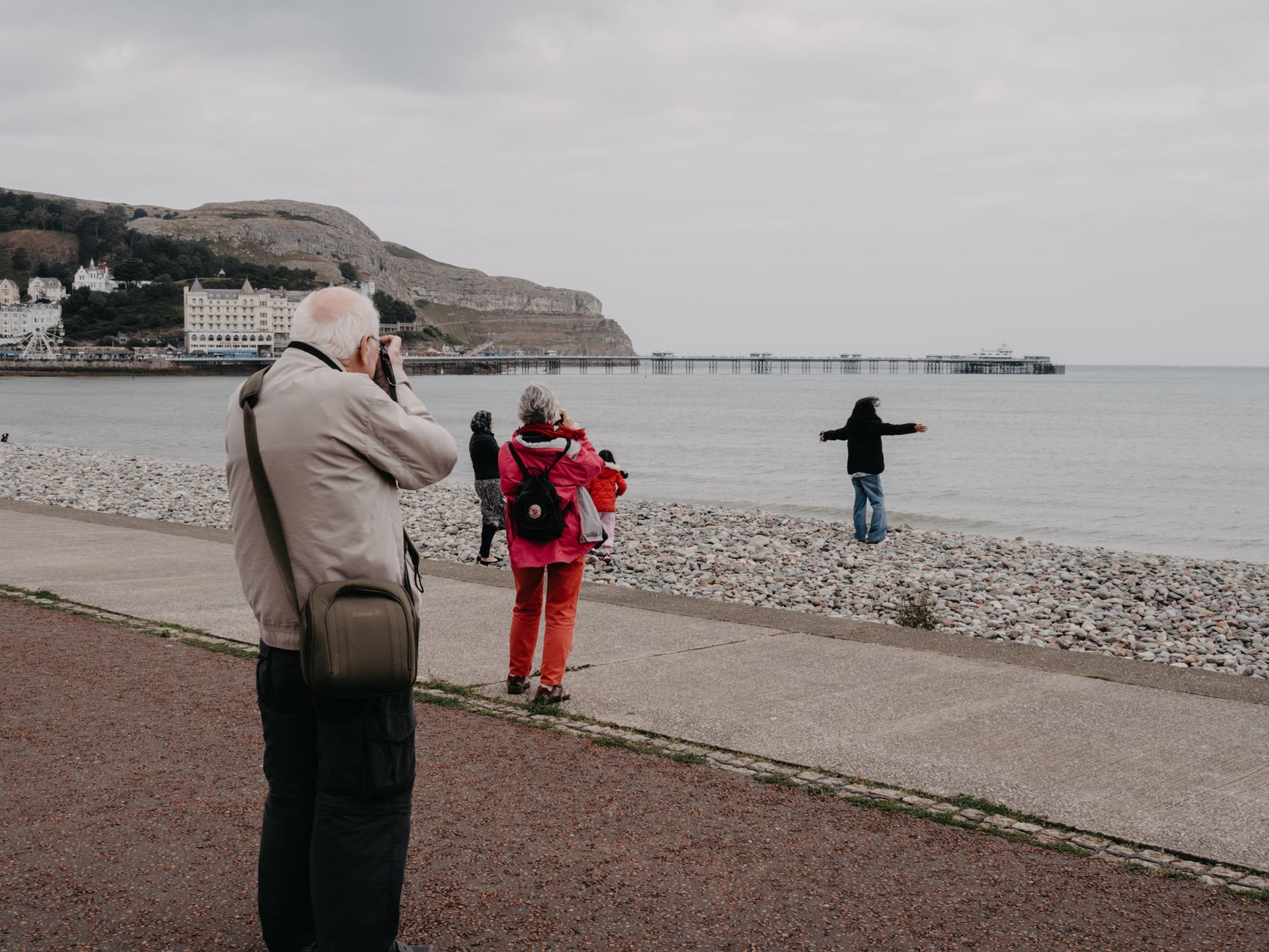

Scarborough sits where a Viking raider's stronghold once commanded the headland, and the castle is still the thing you see first — a 12th-century great tower rising from a rock promontory above two bays that face in different directions, as if the town can't quite decide which sea it belongs to. This is the place where a mineral spring discovered in 1626 made Britain its first seaside resort, where Anne Brontë came to die and was buried in the churchyard below the castle walls, and where Alan Ayckbourn has been writing plays longer than most theatres have existed.
The geography does a lot of the work. The Cleveland Way long-distance path threads through town along the cliff edge, the North Bay sits quieter and the South Bay faces the full sweep of the North Sea, and between them the castle rock divides everything — light, wind, mood — into two distinct towns sharing one postcode.
💛 What travellers fall for
People who keep coming back tend to time it for July, when the light is clearest and the South Bay is warm enough to swim without too much internal negotiation. They make a point of the Rotunda Museum before the castle, find a bench on the station platform — reportedly the longest seat in the world at 456 feet — and eat fish somewhere close to the water rather than on it.
Deals in Scarborough
Book directly at the provider


How Scarborough came to be
A Viking called Thorgils Skarthi gave the town its name — Skarðaborg, roughly 'Skarthi's stronghold' — when he founded it in 966 AD, though the headland he chose had already been occupied: a Roman signal station stood on the cliff top from around AD 370 until the early fifth century. The castle came later, begun by William le Gros and rebuilt in stone by Henry II between 1159 and 1169. By 1253 a royal charter established Scarborough Fair, a six-week trading festival that put the town on the map of medieval commerce.
The resort came by accident. In 1626 a Mrs Thomasin Farrer noticed a mineral spring on the beach, and Scarborough became Britain's first seaside destination — a status that the railway, arriving on 8 July 1845, turned from genteel curiosity into mass phenomenon. The town's quieter tragedies sit alongside the busier history: in 1914 German warships shelled the seafront, killing 19 people and destroying the lighthouse; in St Mary's churchyard, Anne Brontë has lain since 1849, far from Haworth.
Who and what shaped it
People who shaped it
Landmark buildings
See Scarborough in motion
Plan your visit
On the map
When to go
July and August bring the mildest conditions — highs around 18–20°C, sea temperatures nudging 16°C — and July is generally the clearest month. The rest of the year is cool and maritime: spring climbs slowly from 8°C in March, autumn drops back to single figures by November, and winter rarely brings snow but reliably brings wind off the North Sea.
Right now
Background & history adapted from Wikipedia (CC BY-SA) · specs from Wikidata (CC0) · weather from Open-Meteo · map data © OpenStreetMap contributors · photos from Wikimedia Commons / Unsplash with per-image credit. No third-party reviews or social posts reproduced.