
Beverley
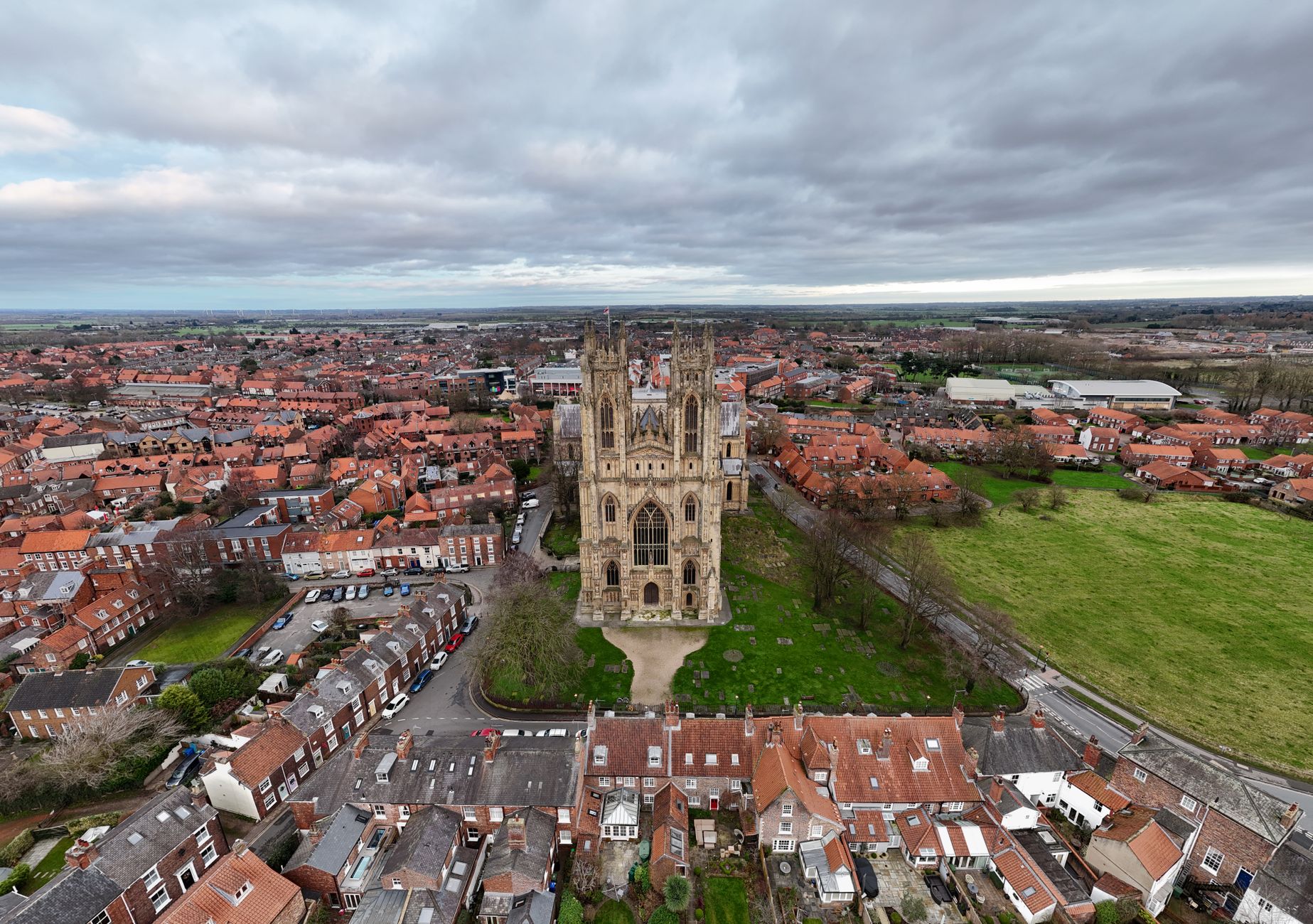
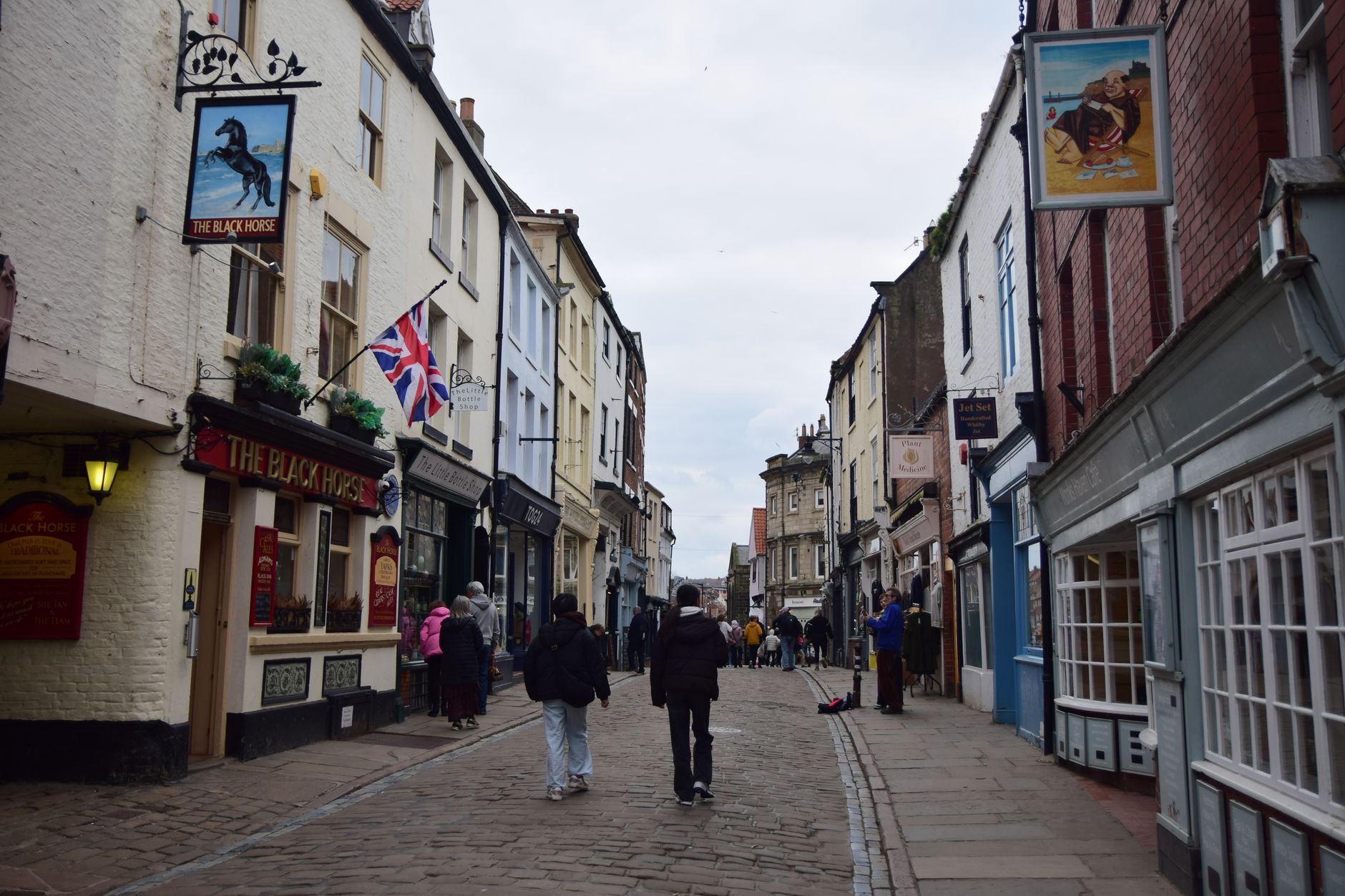
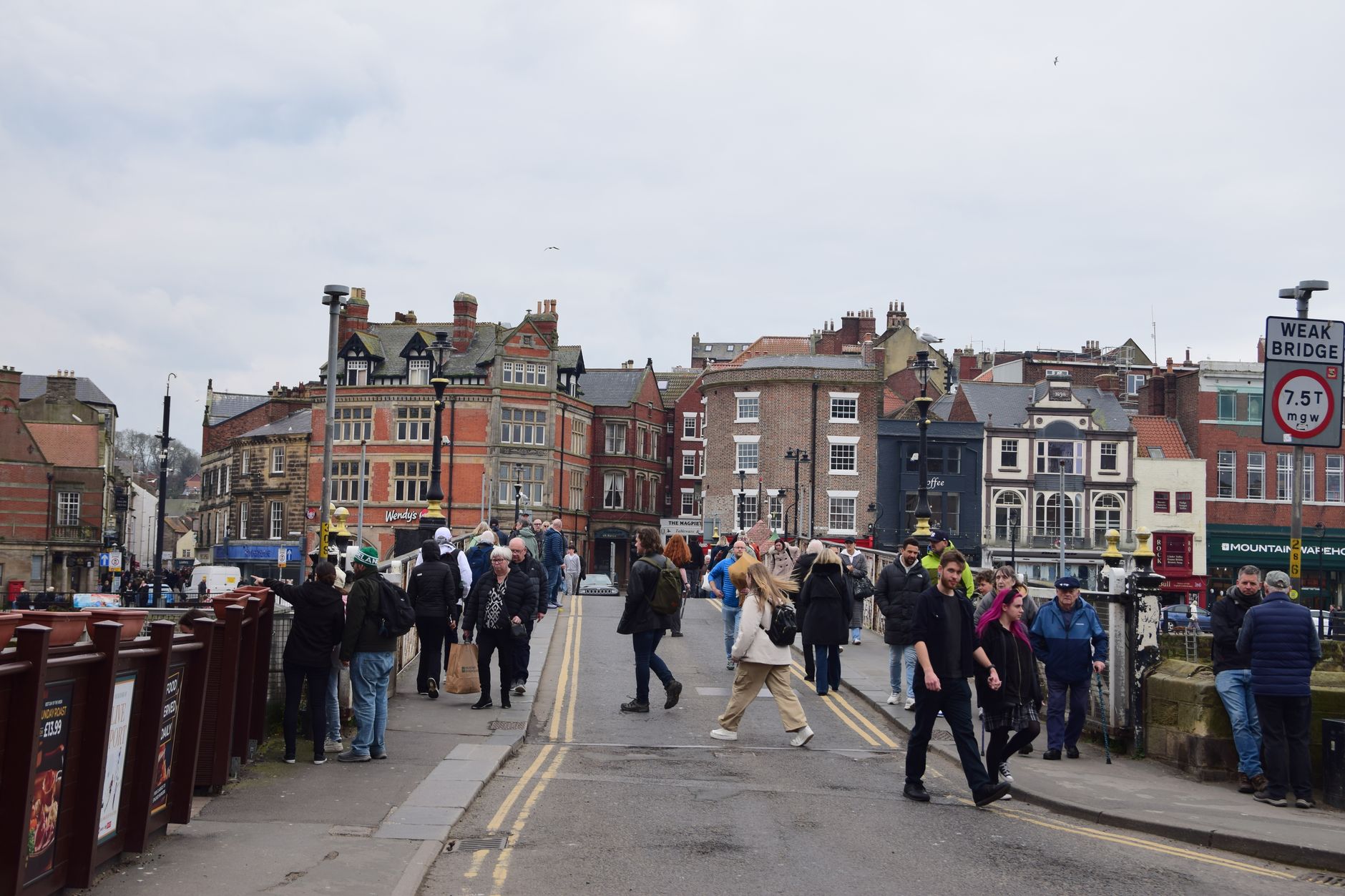
Stand inside Beverley Minster and look up at the stone carvings: bagpipes, shawms, lutes, tambourines — over seventy medieval instruments cut into the walls by craftsmen who heard that music live. The Minster is longer than several English cathedrals, yet Beverley itself is a market town of quiet streets and a single surviving medieval gate so narrow that traffic lights manage the single lane through it.
This is a place that earned its importance early and wore it lightly ever since. The wool trade made it prosperous; West Yorkshire's rising mill towns eventually took that prosperity away. What remains is the architecture of a grander moment, still standing in a town that never got redeveloped out of its own character.
💛 What travellers fall for
People who come back tend to time a visit around the Wednesday or Saturday market on Saturday Market square, then walk the full length of the Minster slowly enough to find the misericords — all 68 of them, the largest collection in any parish church in England. St Mary's Ceiling of Kings, painted in 1446, is easy to walk past; don't.
Experiences you don't want to miss




Deals in Beverley
Book directly at the provider
How Beverley came to be
Beverley begins in the seventh century, when John, Bishop of York, founded a church in a place the Anglians called Inderawuda — 'in the wood of the men of Deira.' A monastery followed around 705; John died in 721 and was buried there. The Vikings' Great Heathen Army drove people out around the 850s, but the town rebuilt itself on pilgrimage: John was canonised in 1037, and visitors came to venerate him. By the twelfth century Beverley had borough status and was trading wool with the cloth towns of the Low Countries.
The Minster suffered a fire in 1188 and lost its central tower around 1213; reconstruction ran for decades, Henry III sending forty oaks from Sherwood Forest in 1252 to help. The town's influence peaked in the medieval period and faded in the fifteenth century as Bradford and Sheffield rose. The shipyard that opened in 1884 kept some industry alive until its closure in 1977.
Who and what shaped it
People who shaped it
Landmark buildings
See Beverley in motion
Plan your visit
On the map
When to go
Yorkshire's East Riding gets cold, damp winters and mild, occasionally sunny summers — July and August average around 18°C but can turn grey quickly. Spring visits in April and May often bring clear light that suits the Minster's pale stone well; pack a layer regardless of the forecast.
Right now
Background & history adapted from Wikipedia (CC BY-SA) · specs from Wikidata (CC0) · weather from Open-Meteo · map data © OpenStreetMap contributors · photos from Wikimedia Commons / Unsplash with per-image credit. No third-party reviews or social posts reproduced.