
Whitby
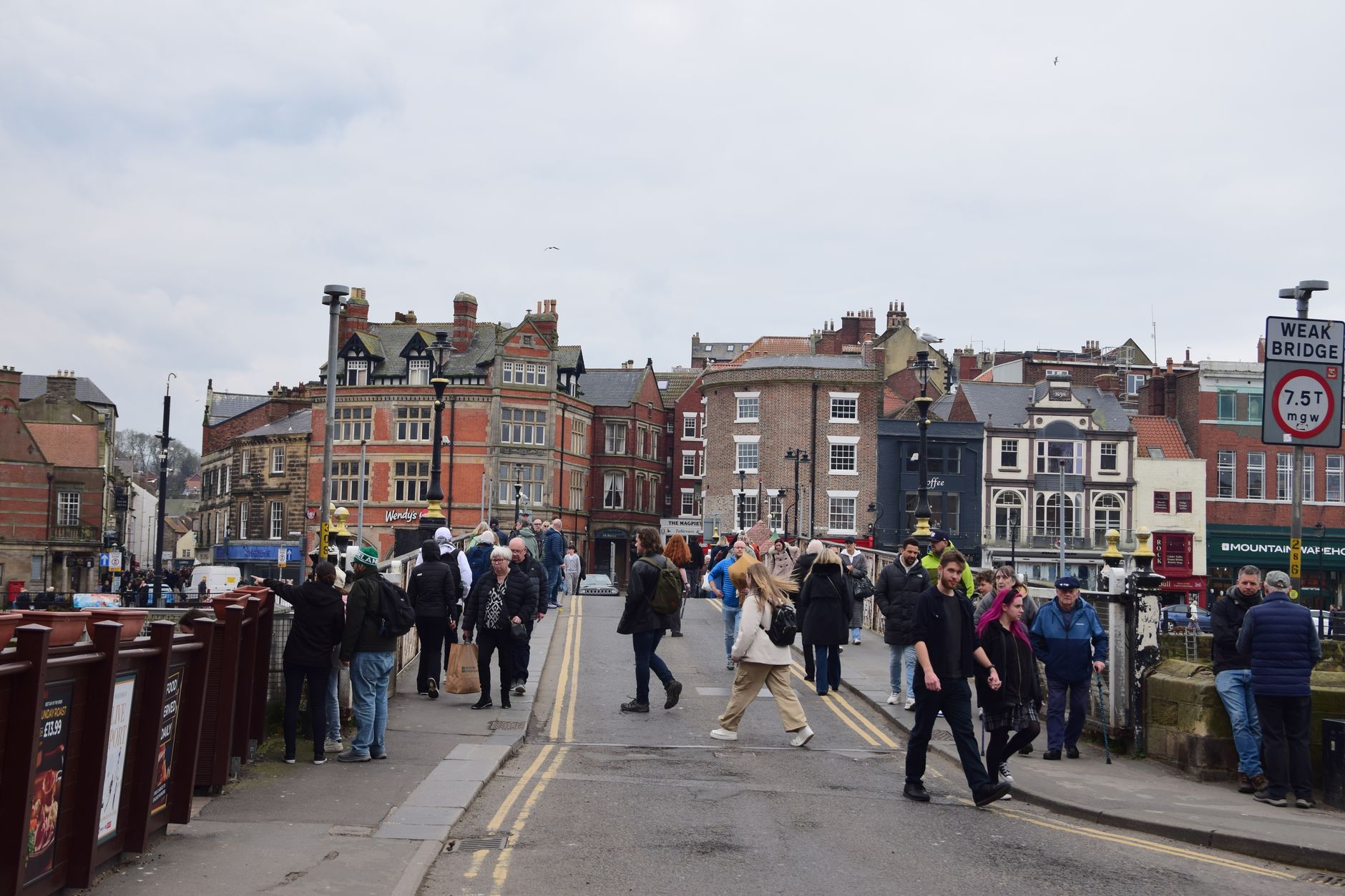
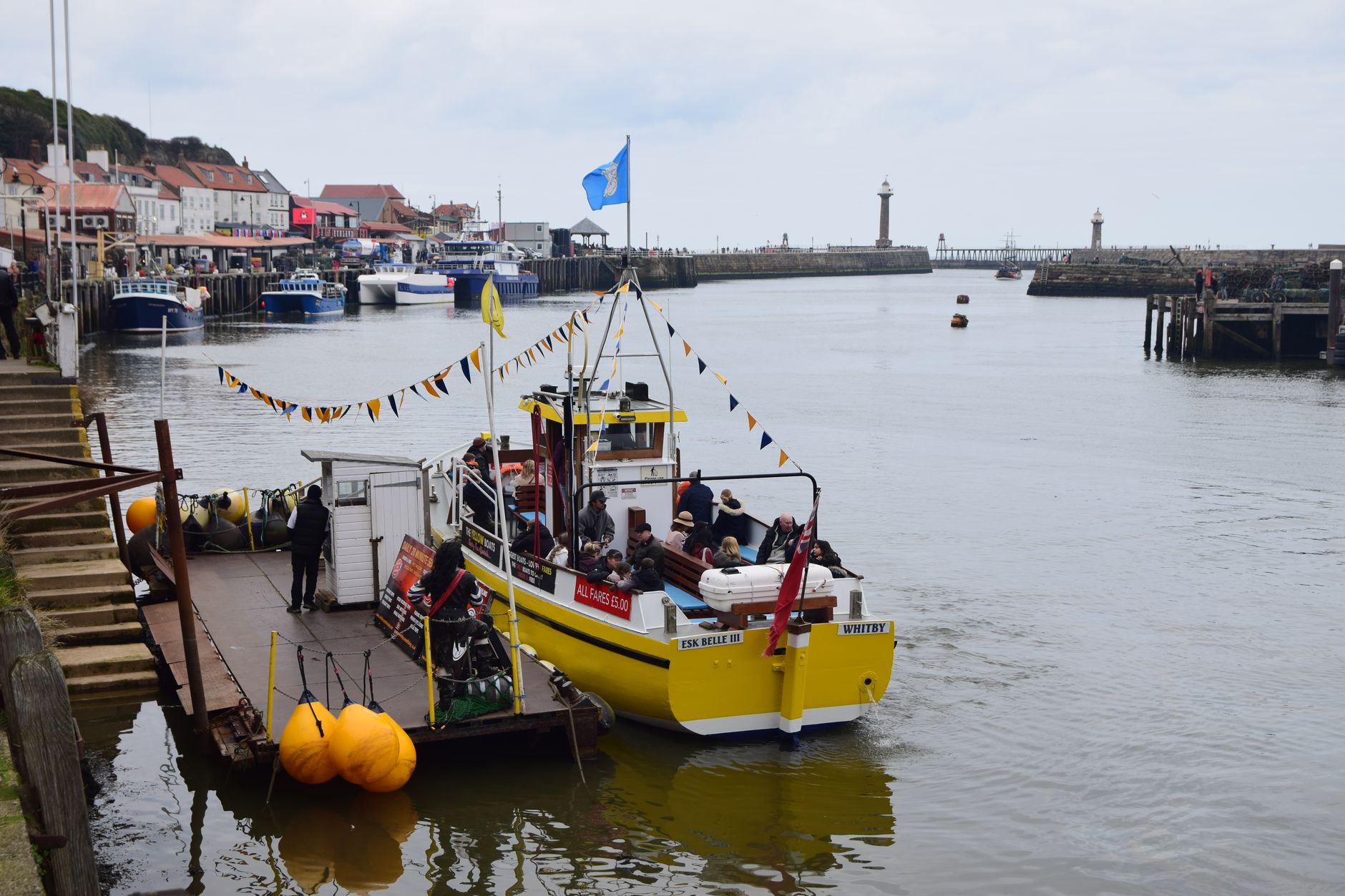
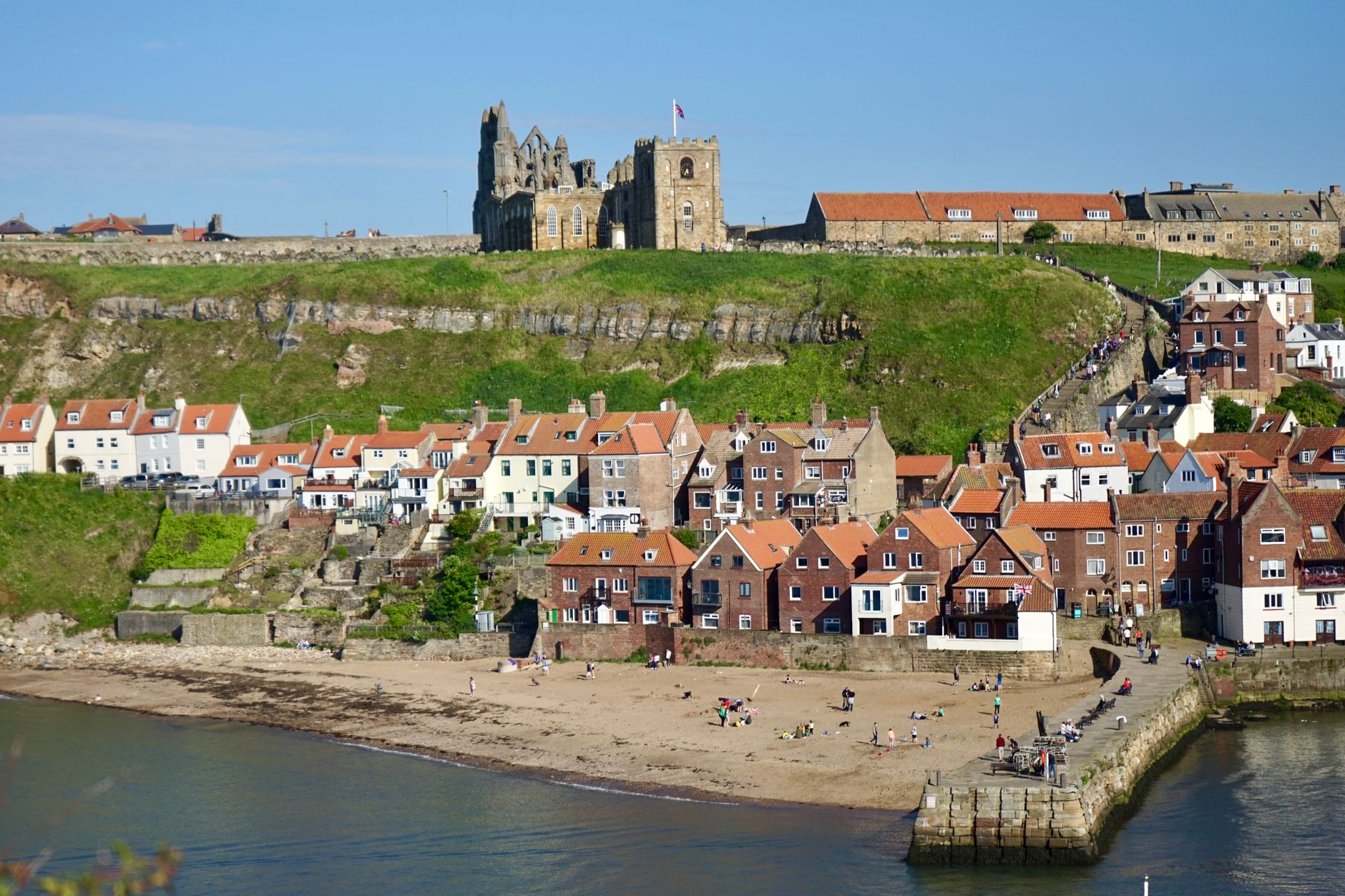
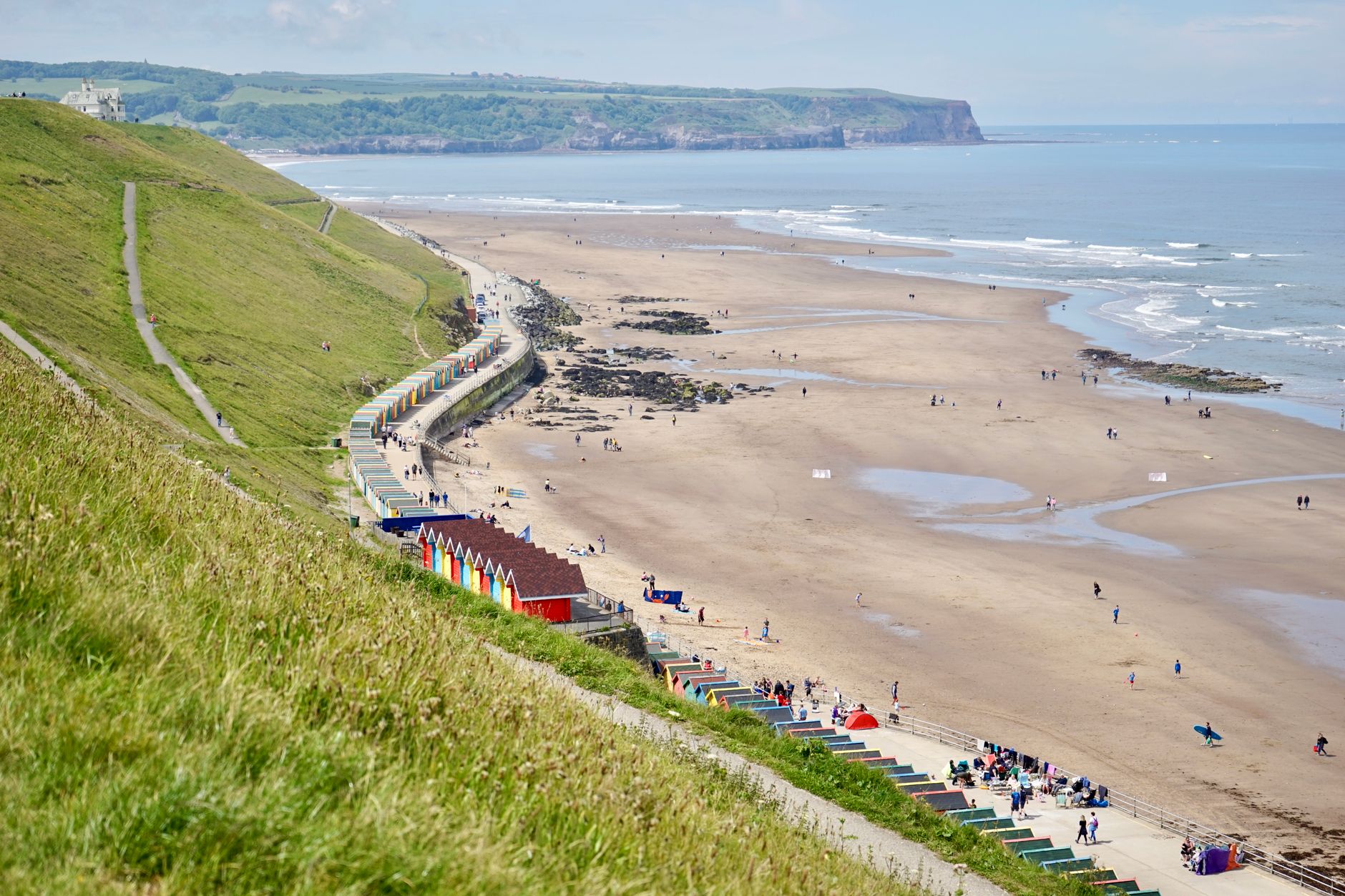
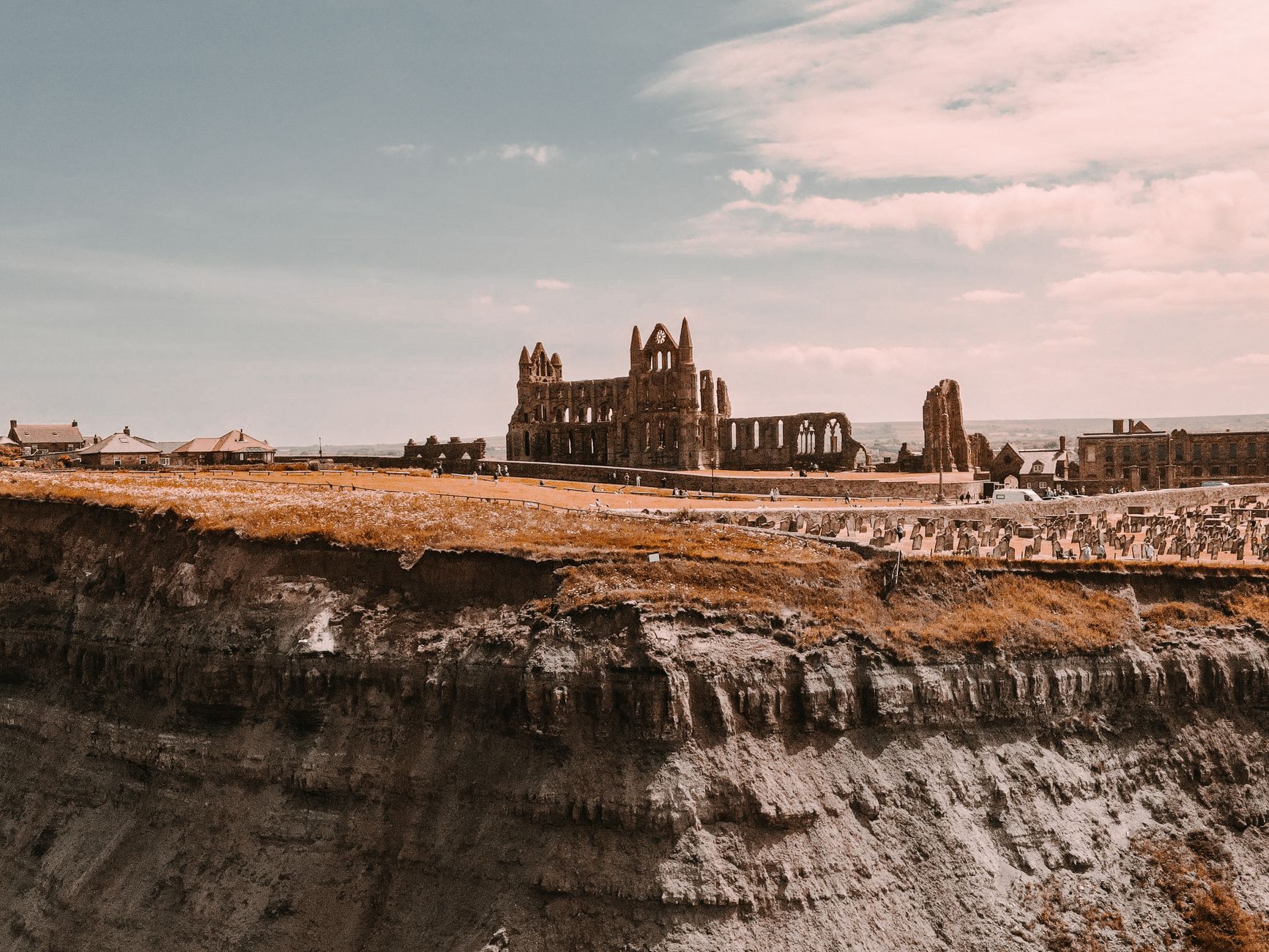
Stand at the top of the 199 stone steps that climb the East Cliff and you understand immediately why Bram Stoker checked into the Royal Hotel in 1890 and didn't leave with an empty notebook. The ruined Gothic arches of the abbey catch the North Sea light at angles that shift by the hour, and St Mary's Church sits just below them, its interior a compacted history of box pews and sailors' memorials.
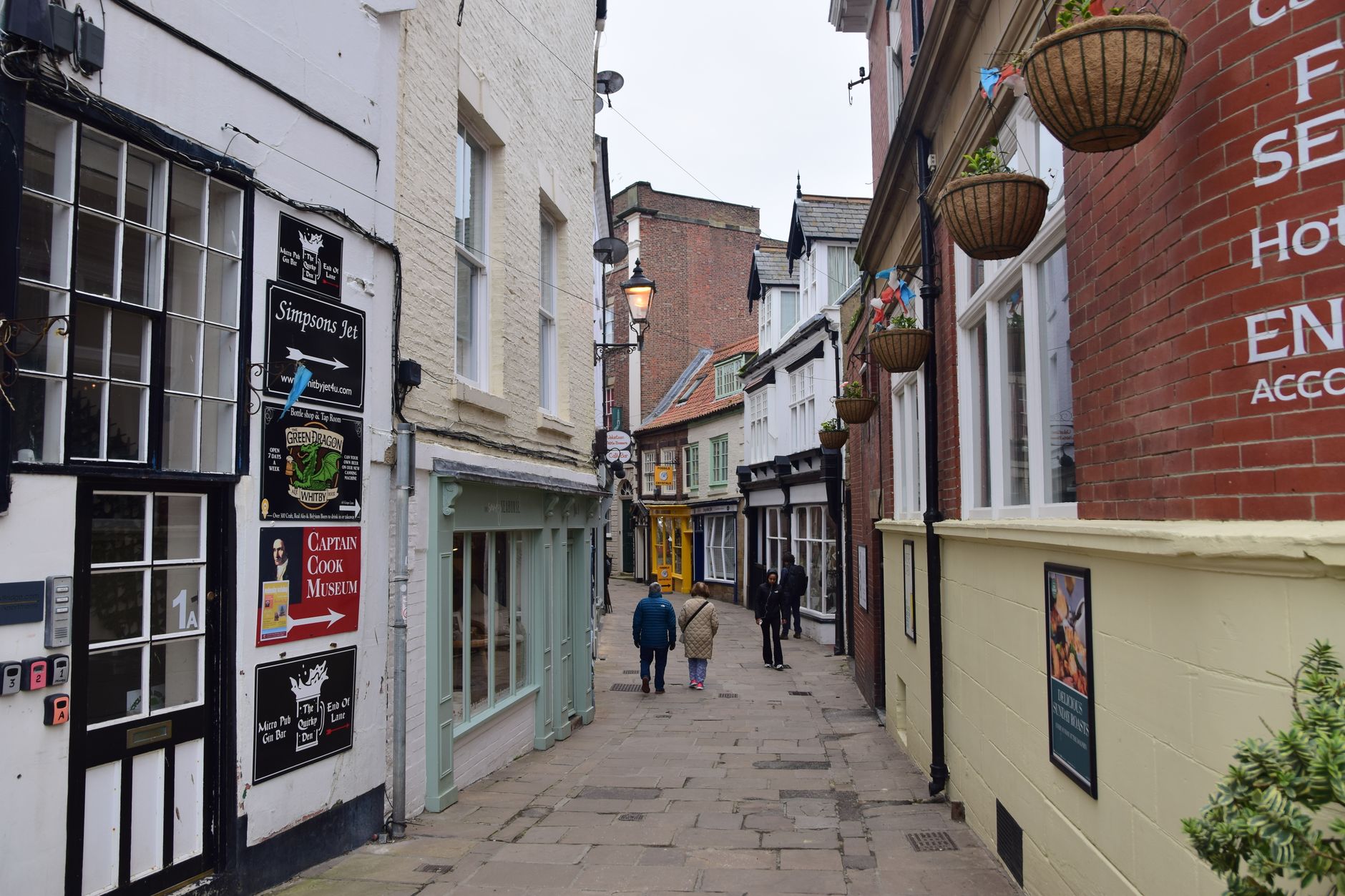
Whitby is a working harbour town that has been accumulating layers since the 7th century — monastery, Viking raid, Benedictine revival, whaling fleet, the apprenticeship of a young James Cook. The cobbled lanes of Church Street still carry houses from the 15th century. Two days here barely scratches it.
💛 What travellers fall for
People who come back tend to agree on a few things: take the Esk Valley Line from Middlesbrough rather than driving — the moorland approach earns the arrival. Walk Caedmon's Trod up to the abbey instead of the steps, at least one way. And time a visit for May, when the light is long and the rain hasn't found its November rhythm yet.
Deals in Whitby
Book directly at the provider


How Whitby came to be
Whitby's founding moment is precise: around 657 AD, King Oswiu of Northumbria established a monastery here as an act of thanksgiving after defeating the pagan king Penda of Mercia. St Hilda, one of the most powerful women of the early medieval church, became its first abbess. Seven years later, in 664, the Synod of Whitby was held here — a defining council that settled the date of Easter for the English church and tilted the country toward Roman rather than Celtic Christianity.
The Vikings destroyed that first monastery in the 860s. It lay dormant for two centuries until 1078, when a monk named Reinfrid founded a Benedictine community on the same East Cliff. The Gothic abbey church that now stands in ruin dates from building campaigns beginning around 1225. Henry VIII dissolved it in December 1539. In December 1914, German battlecruisers shelled it for ten minutes, adding a modern layer of damage to a building already eight centuries deep.
Who and what shaped it
People who shaped it
Landmark buildings
See Whitby in motion
Plan your visit
On the map
When to go
May is the sunniest month, averaging over seven hours of daylight sunshine, and makes for the most reliably pleasant walking conditions. August peaks at around 18°C, while February rarely rises above 8°C; the North Sea wind means those winter temperatures carry further than the number suggests.
Right now
Background & history adapted from Wikipedia (CC BY-SA) · specs from Wikidata (CC0) · weather from Open-Meteo · map data © OpenStreetMap contributors · photos from Wikimedia Commons / Unsplash with per-image credit. No third-party reviews or social posts reproduced.