
Skipton
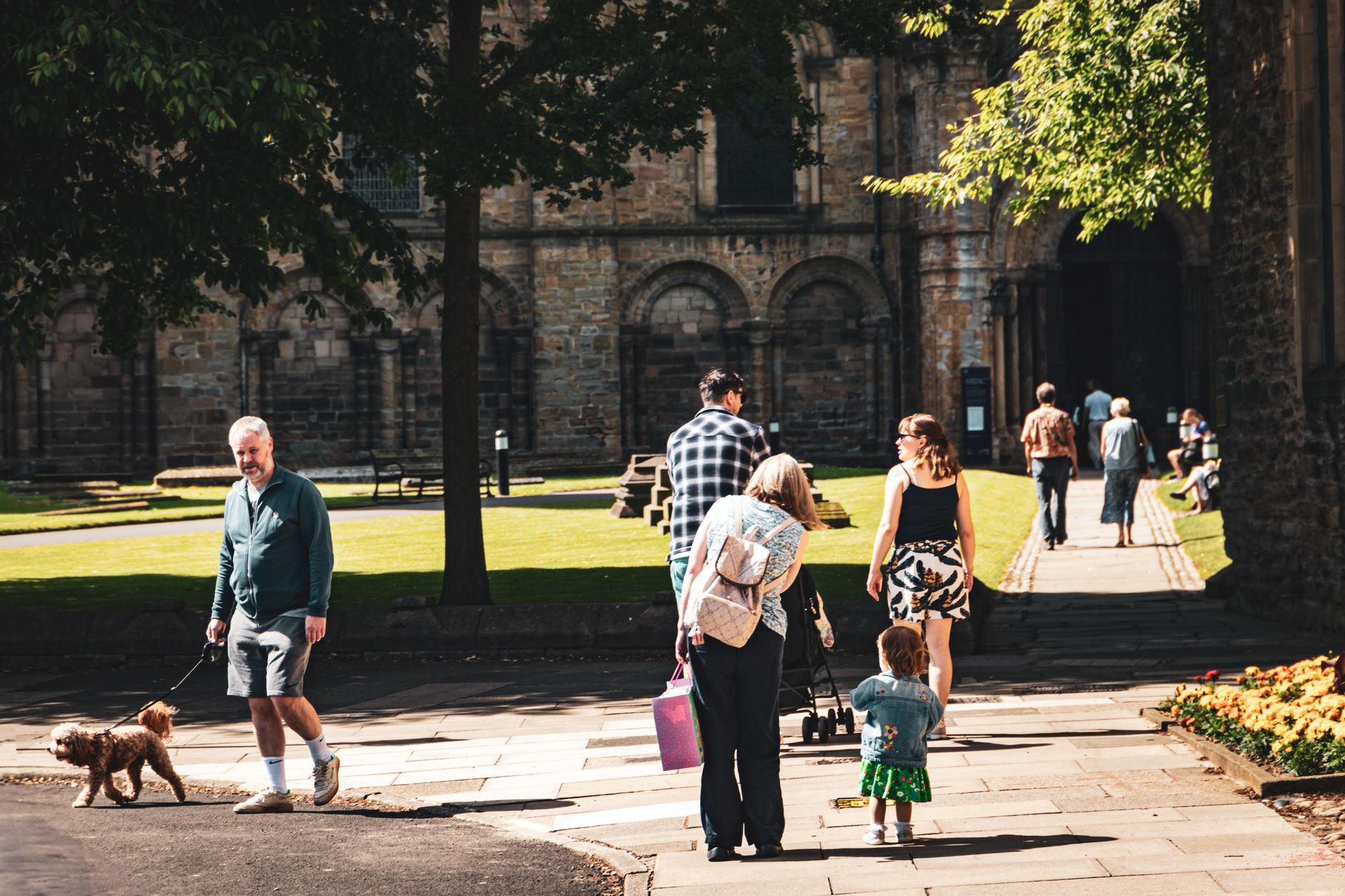
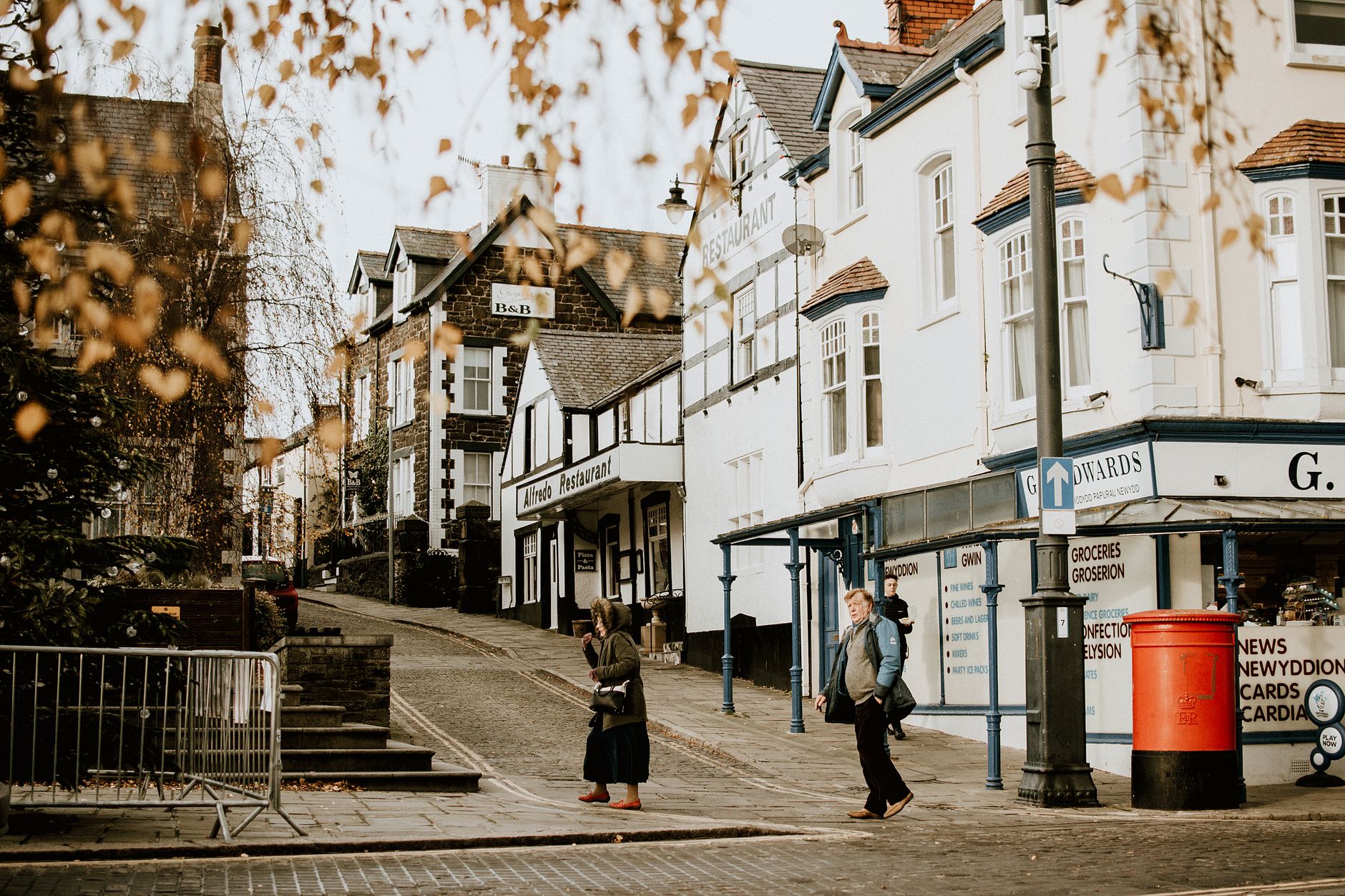

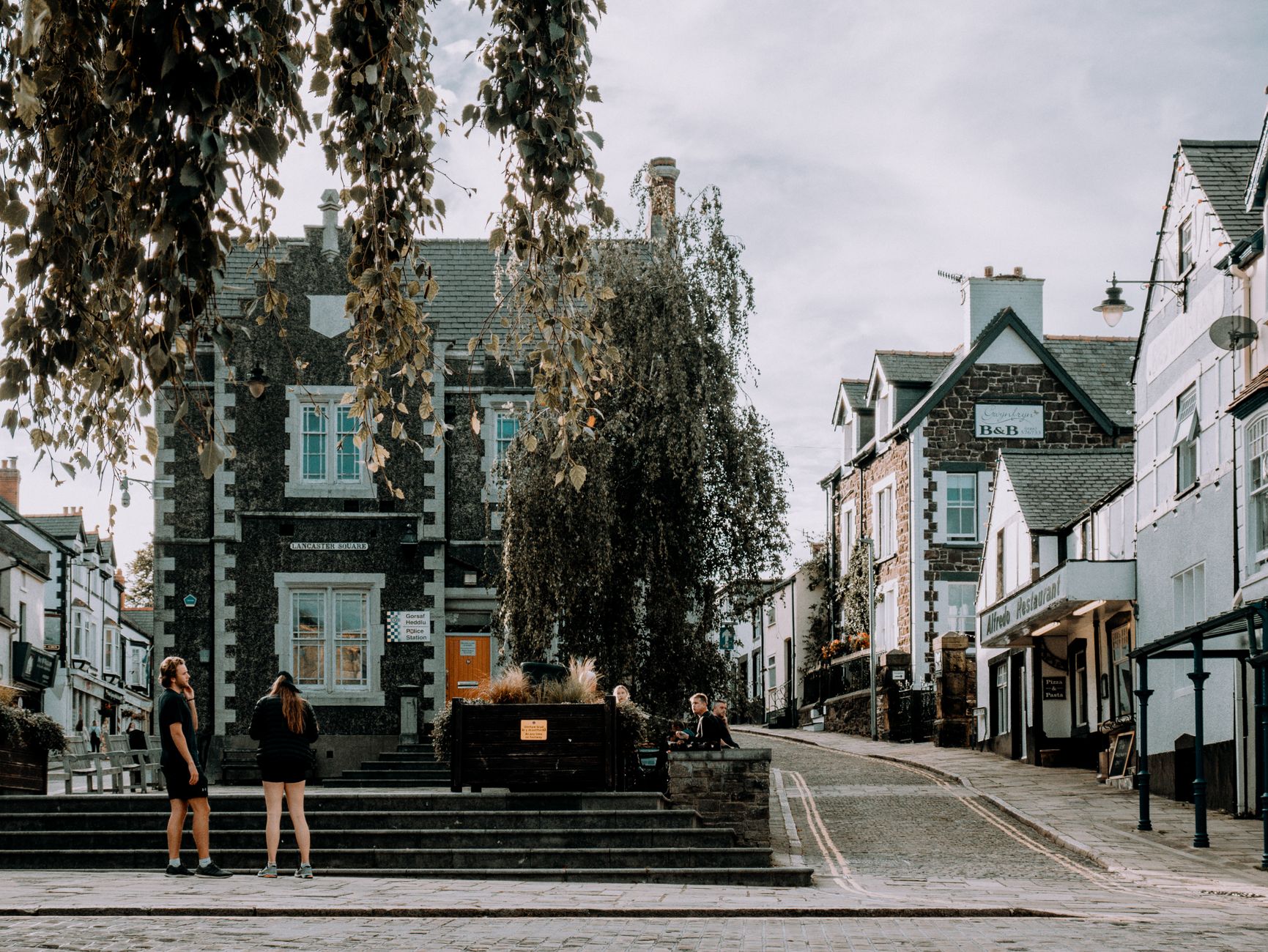
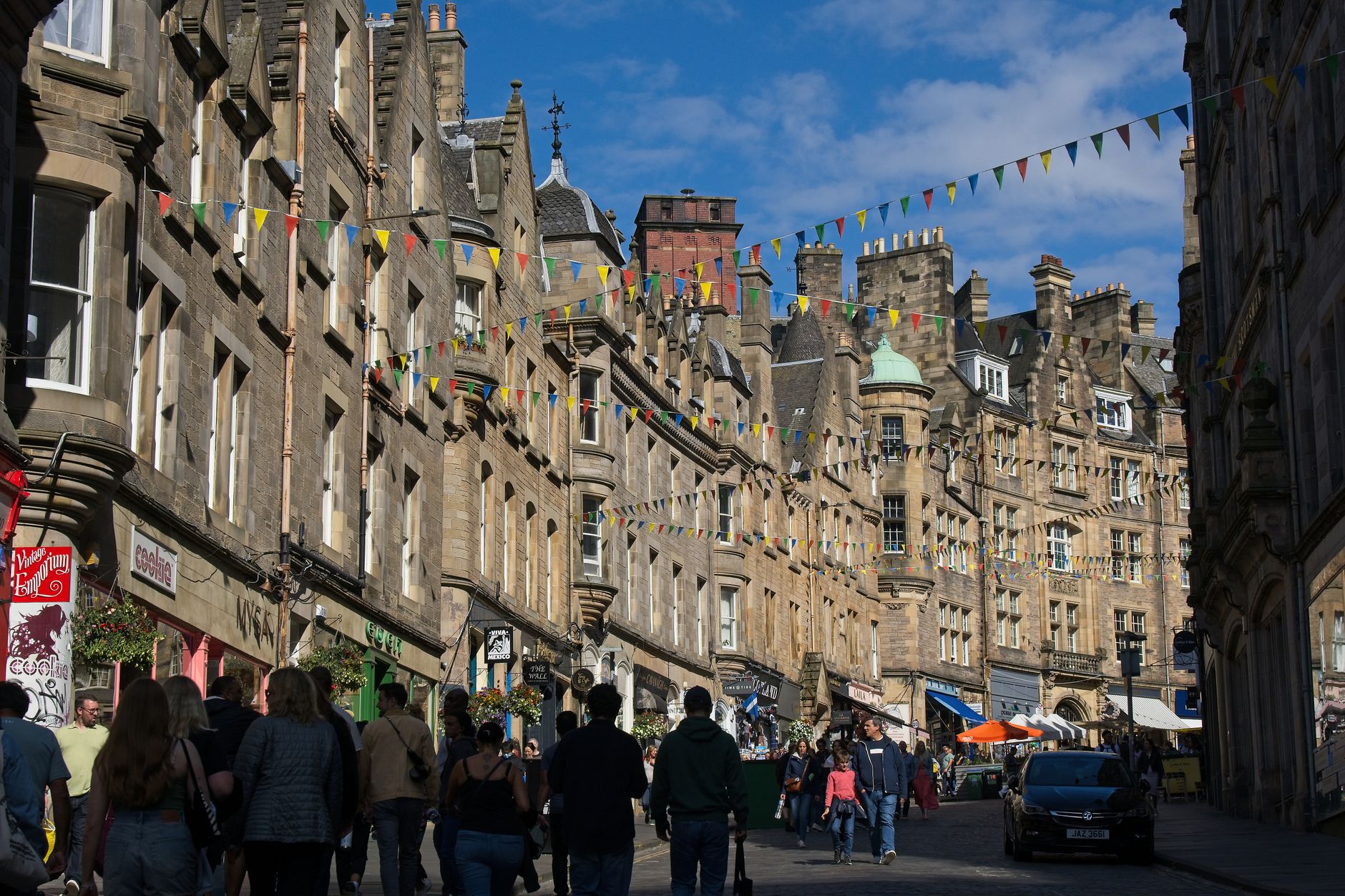
Walk the full length of Skipton's High Street and you'll notice it earns its 2008 Academy of Urbanism title as Britain's best shopping street not through fashion chains but through proportion and continuity — broad, stone-flagged, market stalls on four days a week, and a medieval castle sitting at the top of it like a full stop. The Leeds-Liverpool Canal threads through the town centre, and on a still morning the narrowboats barely disturb the reflection of the millstone-grit terraces above.
Skipton is a working market town of just over 15,000 people, and it wears that identity without apology. The castle is genuinely one of the best-preserved medieval fortifications in England, Holy Trinity Church holds a carved screen that predates the Reformation, and the Craven Museum has a Shakespeare First Folio dated 1623 sitting quietly in the collection.
💛 What travellers fall for
People who come back tend to time it around the Wednesday or Saturday market, grab a coffee before the stalls fill, and walk the canal towpath east toward Bingley before the castle opens at ten. The yew tree Lady Anne Clifford planted in Conduit Court — still standing after 350 years — is the detail most of them mention first.
Deals in Skipton
Book directly at the provider

How Skipton came to be
The name comes from the Old English for sheep settlement — sceap-tun — and livestock shaped the town long before the Industrial Revolution arrived. Robert de Romille, a Norman baron who crossed with William I, raised the first castle here around 1090. It passed to Robert de Clifford in 1310, and the Clifford family held it for centuries, building the six drum towers that still define its silhouette.
During the Civil War, a Royalist garrison under Sir John Mallory held the castle for three years against Parliamentary forces — the last Royalist stronghold in the north of England, surrendering in December 1645. The woman who put it back together was Lady Anne Clifford, who restored both the castle and Holy Trinity Church in the 1650s and planted the yew tree in Conduit Court that you can still stand under today. The Leeds-Liverpool Canal reached Skipton in 1773, opening the town to textile trade; the full 127-mile canal wasn't completed until 1816.
Who and what shaped it
People who shaped it
Landmark buildings
See Skipton in motion
Plan your visit
On the map
When to go
Skipton sits in the Aire Valley with the Pennines close to the west, which means rain is a genuine possibility in any month. Spring and early autumn tend to offer the clearest light; summers are mild rather than warm, and winter markets are cold but atmospheric.
Right now
Background & history adapted from Wikipedia (CC BY-SA) · specs from Wikidata (CC0) · weather from Open-Meteo · map data © OpenStreetMap contributors · photos from Wikimedia Commons / Unsplash with per-image credit. No third-party reviews or social posts reproduced.