
Sahara Desert
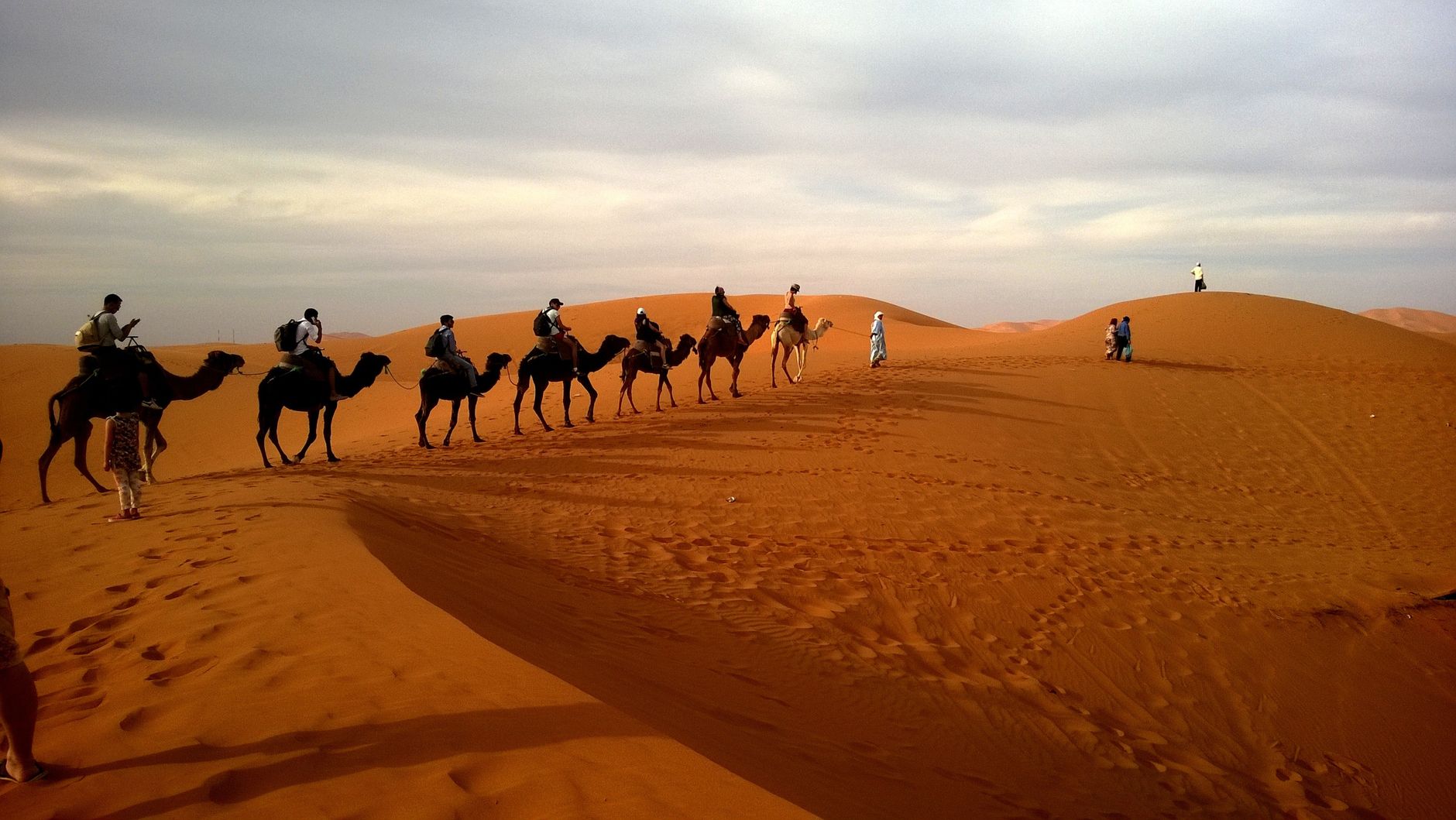
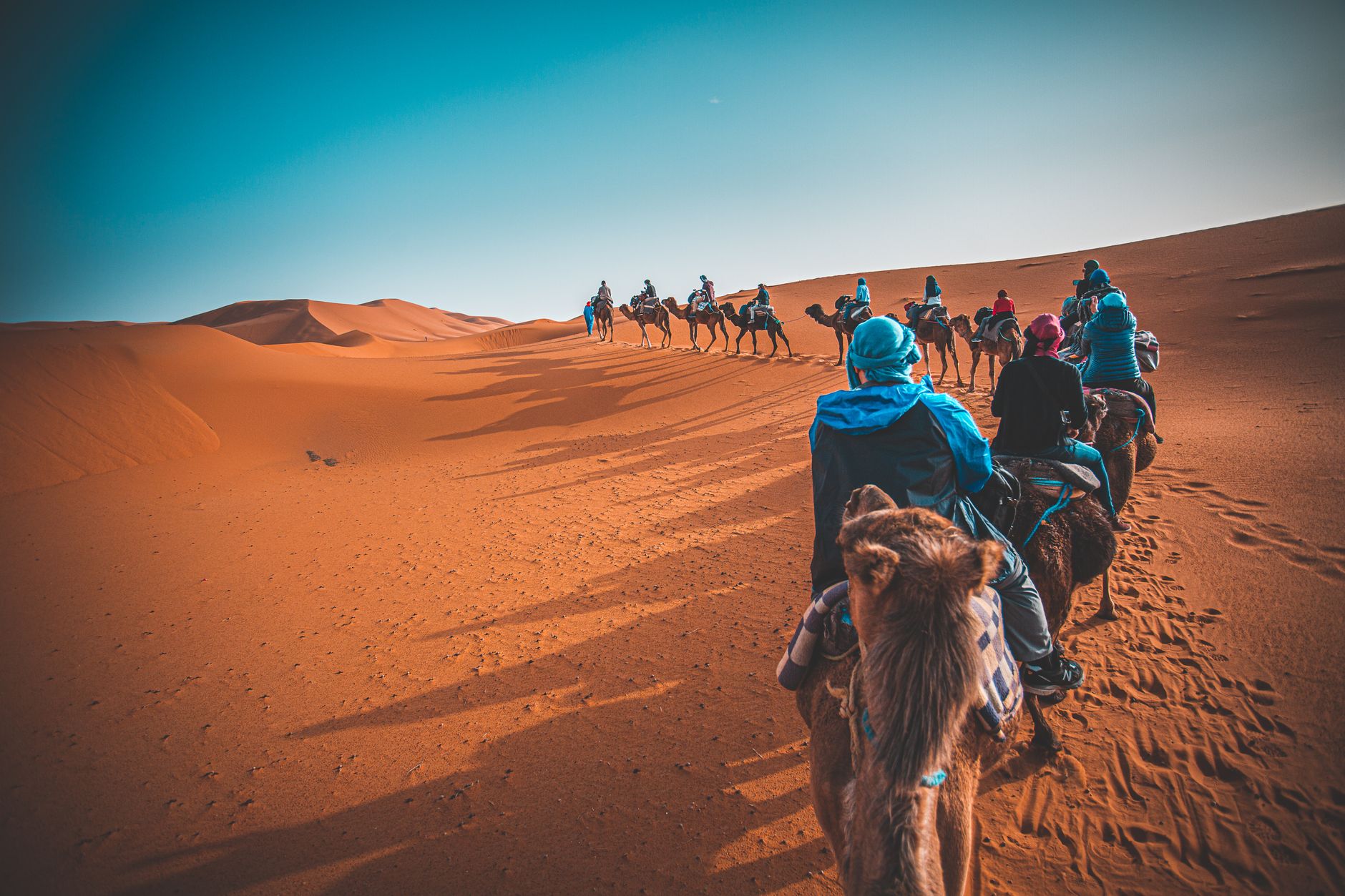
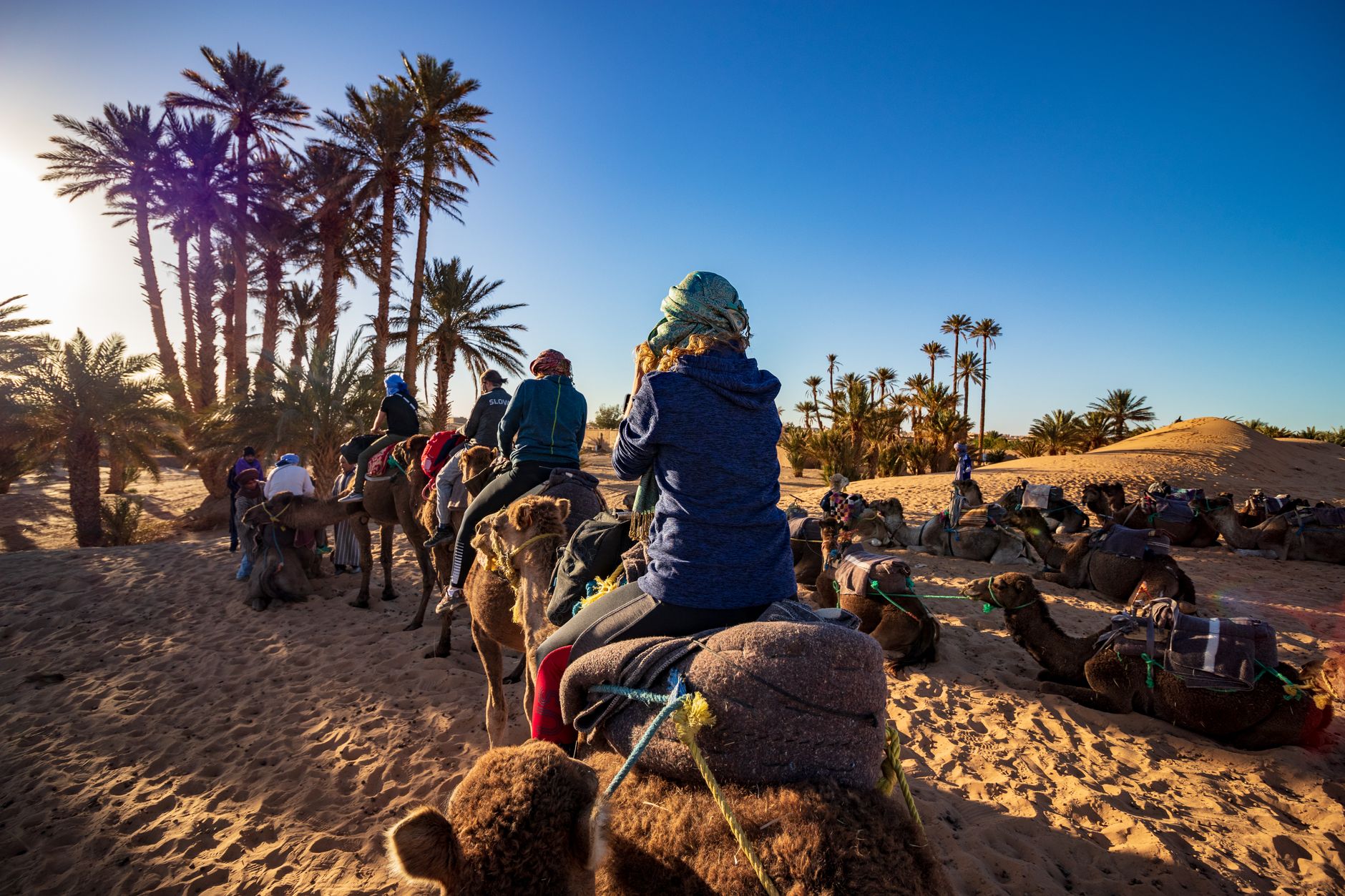
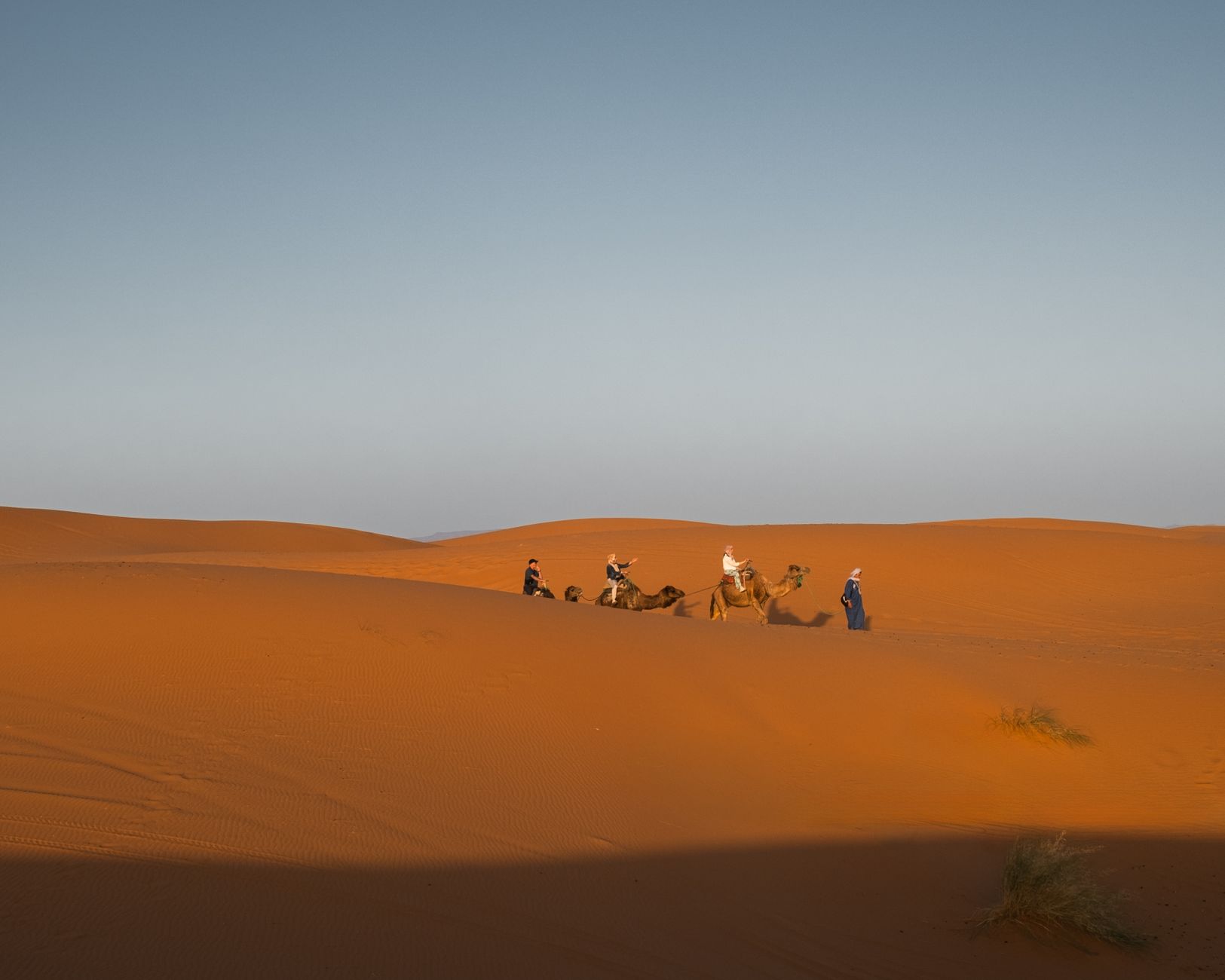
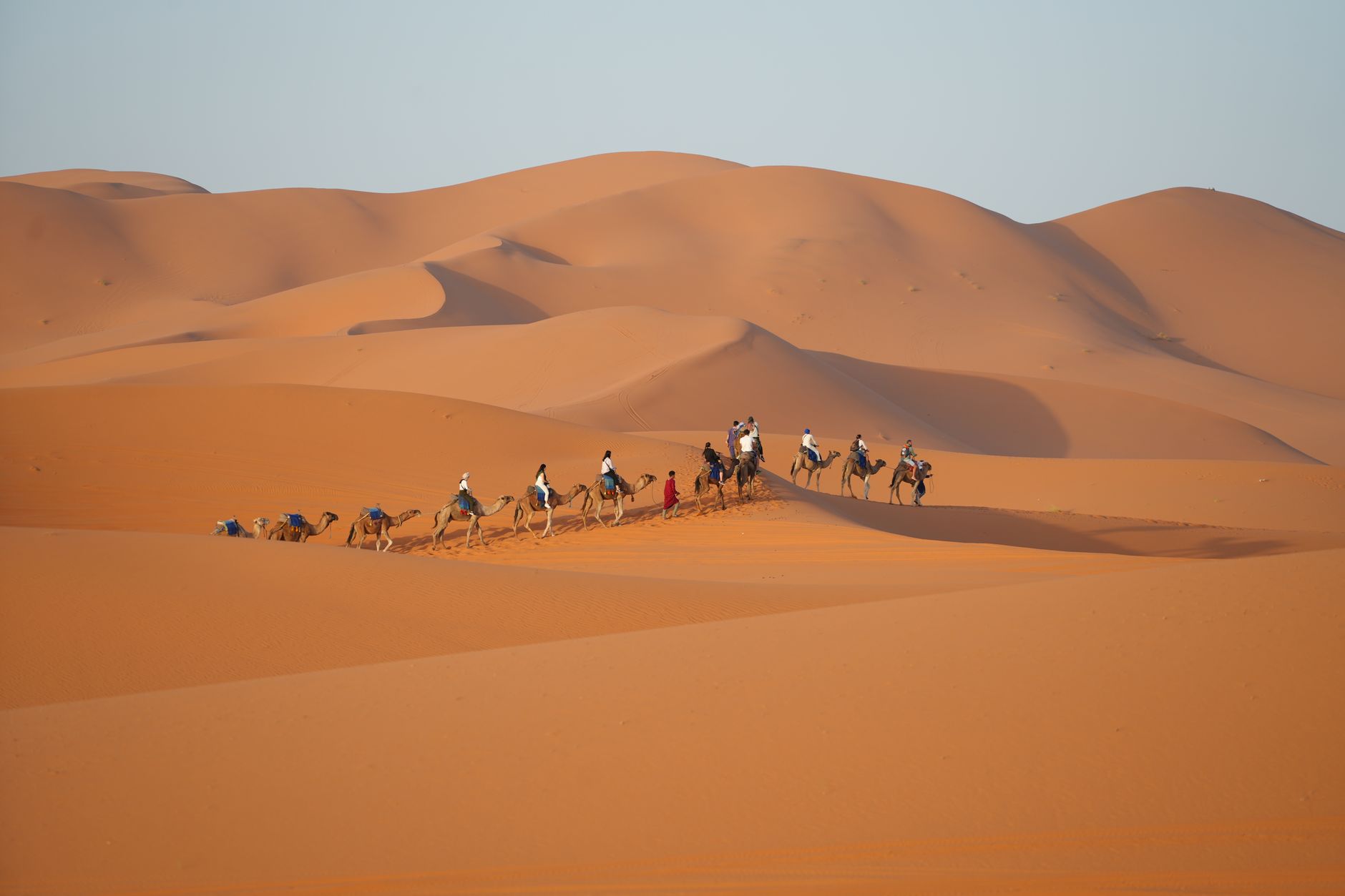
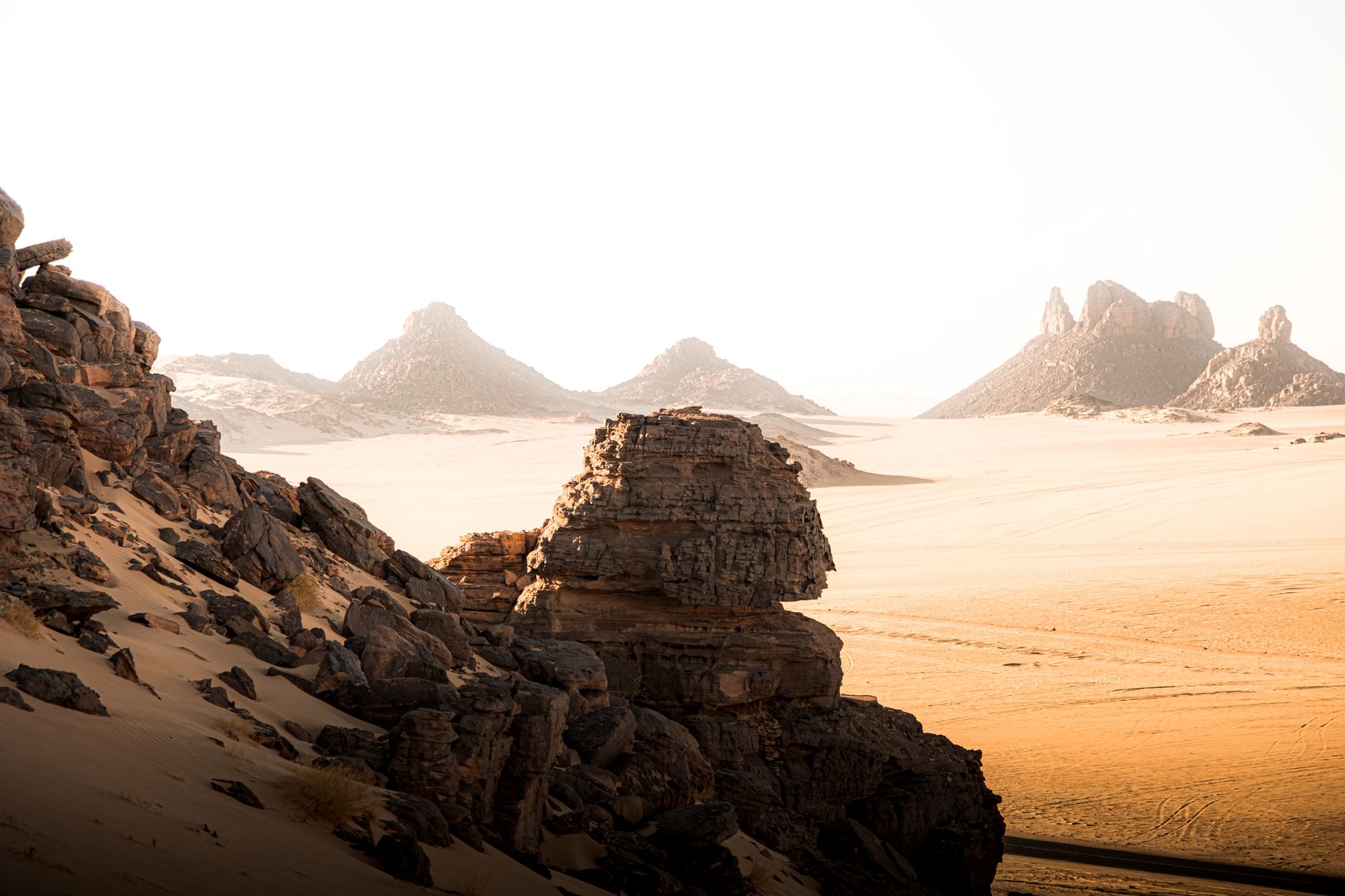
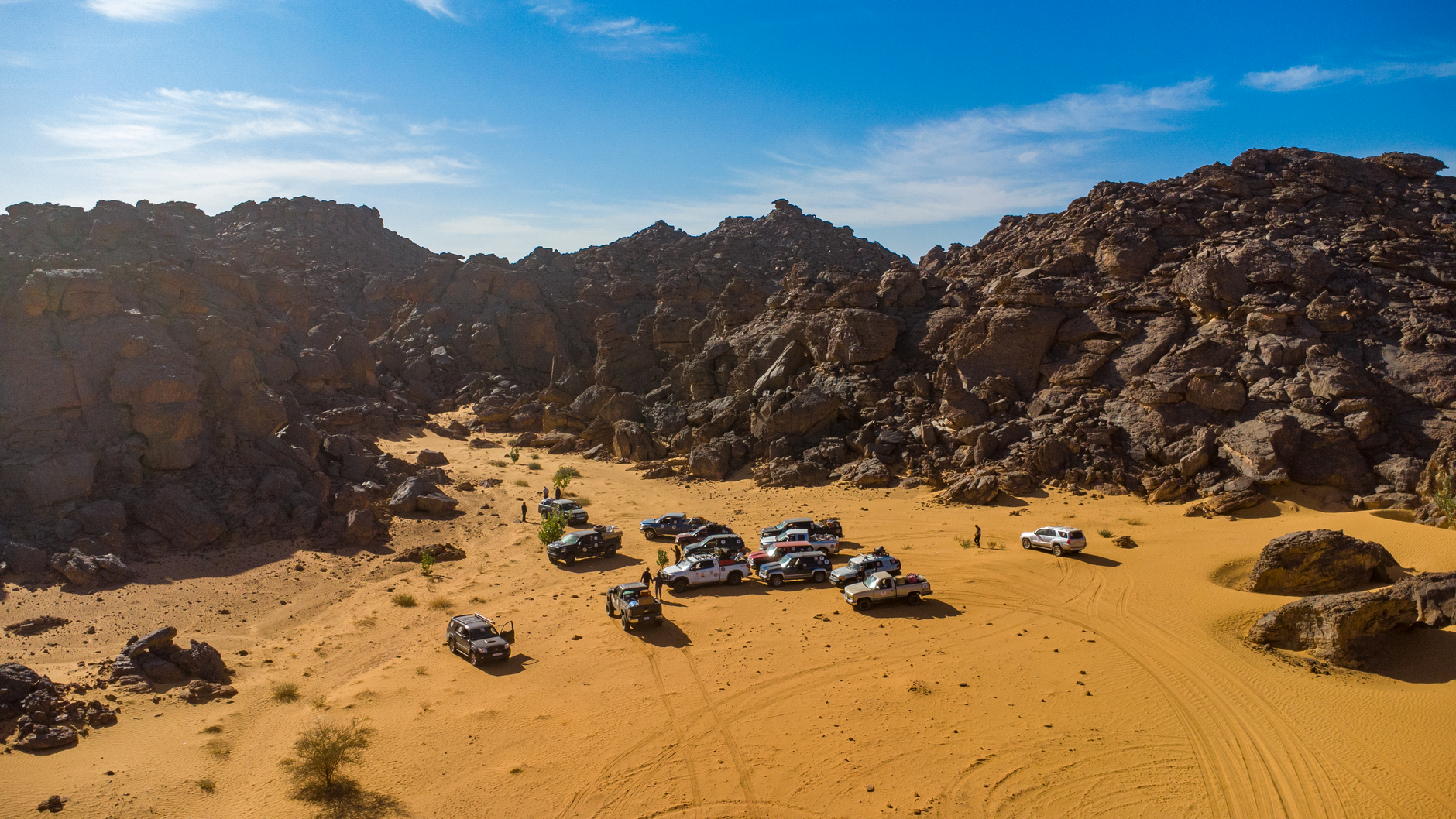
The Sahara is the largest hot desert on Earth — roughly the size of the United States — and most of it looks nothing like the dunes you picture. Rock plateaus, gravel plains and salt flats make up the majority of its surface. The sand seas, called ergs, account for only about a quarter of the total area, but they are the part that stays with you: Erg Chebbi near Merzouga, for instance, throws up dunes over 150 metres high, their flanks shifting colour from pale gold at midday to deep amber at dusk.
Accessing the desert usually means committing to the journey. The most-travelled route comes through Morocco, overland from Marrakech across the Atlas Mountains — a two-day drive each way. Plan for at least three nights once you arrive, or the transit will swallow the experience.
Popular cities in Sahara Desert

How Sahara Desert came to be
Seven million years ago, the region that is now the Sahara may already have been producing dune deposits — evidence found in northern Chad points to aridification beginning during the Miocene. The name itself comes from the Arabic ṣaḥrāʾ, simply meaning desert.
What makes the Sahara's story genuinely strange is how recently it was green. Around 11,000 years ago the landscape held lakes, rivers, grasslands and forests. Between roughly 8,000 and 4,500 years ago that world collapsed, faster in some areas than orbital shifts alone can explain. Pastoral communities lived through the transition; the Tenerian people occupied the region between about 7,000 and 4,500 years ago. Some scholars connect these Saharan herders to the communities that later shaped early Egyptian civilisation along the Nile.
Who and what shaped it
Landmark buildings
See Sahara Desert in motion
Plan your visit
On the map
When to go
Spring (March–May) and autumn (September–November) are the practical windows, with daytime temperatures between 20°C and 30°C and cool but manageable nights; spring brings a 10–20% chance of sandstorms driven by the easterly Chergui wind. Winter days are mild around 18°C, but nights can drop to near freezing — pack accordingly. Summer is largely off-limits: July temperatures regularly exceed 43°C, and the continent's highest recorded temperature, 51.3°C, was measured at Ouargla, Algeria in July 2018.
Right now
↡ Cities
Background & history adapted from Wikipedia (CC BY-SA) · specs from Wikidata (CC0) · weather from Open-Meteo · map data © OpenStreetMap contributors · photos from Wikimedia Commons / Unsplash with per-image credit. No third-party reviews or social posts reproduced.