
Adrar
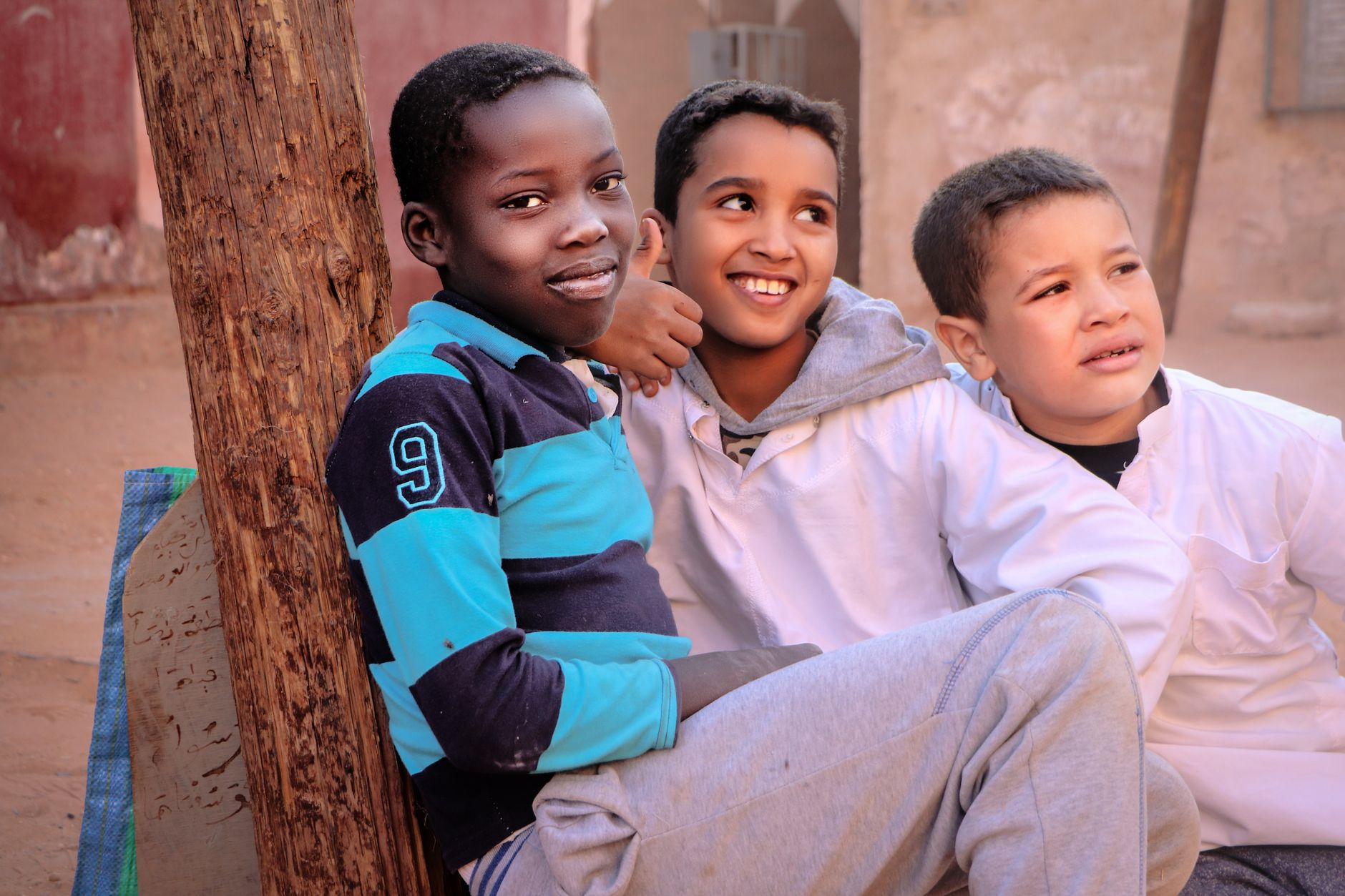
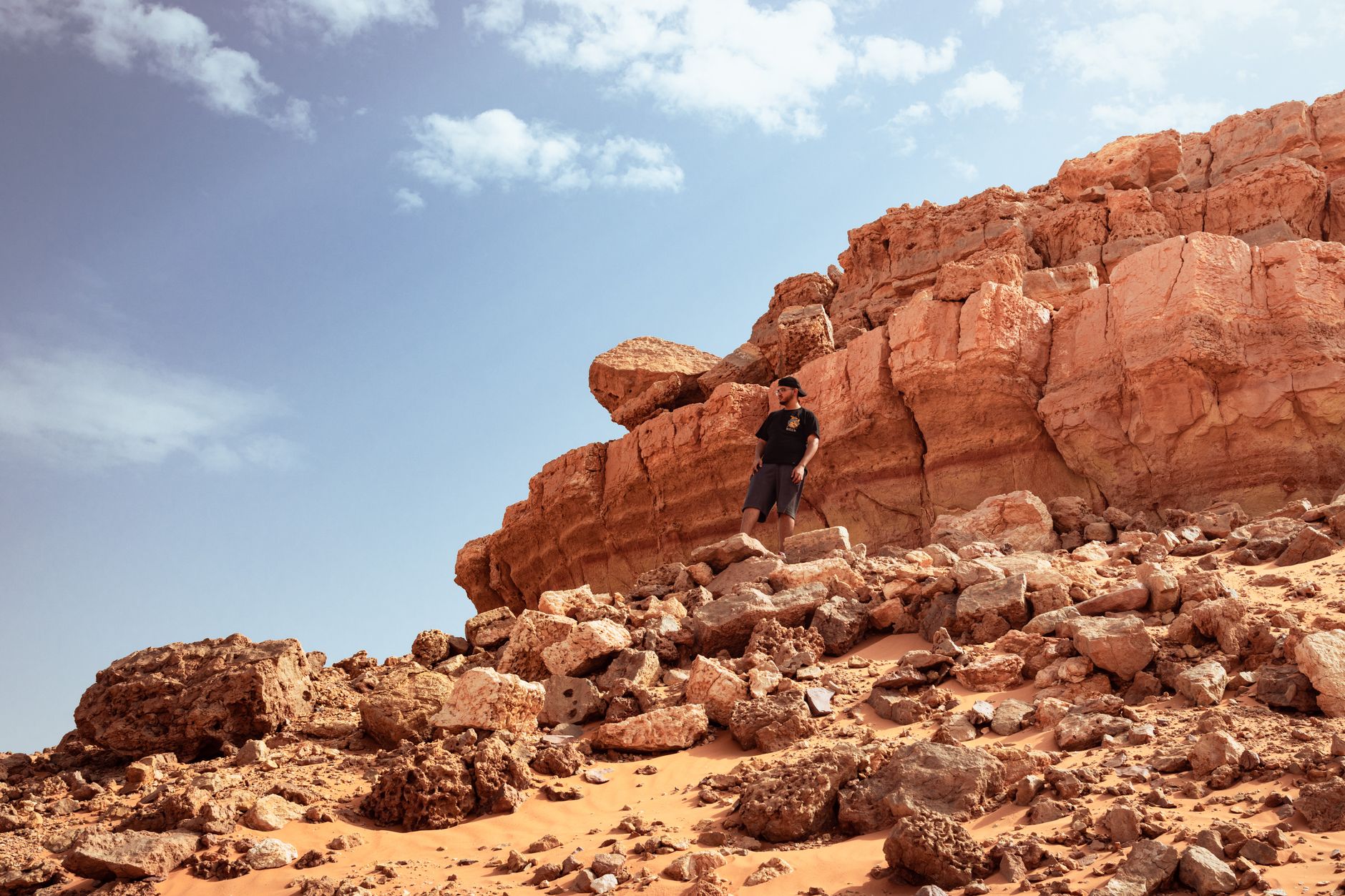
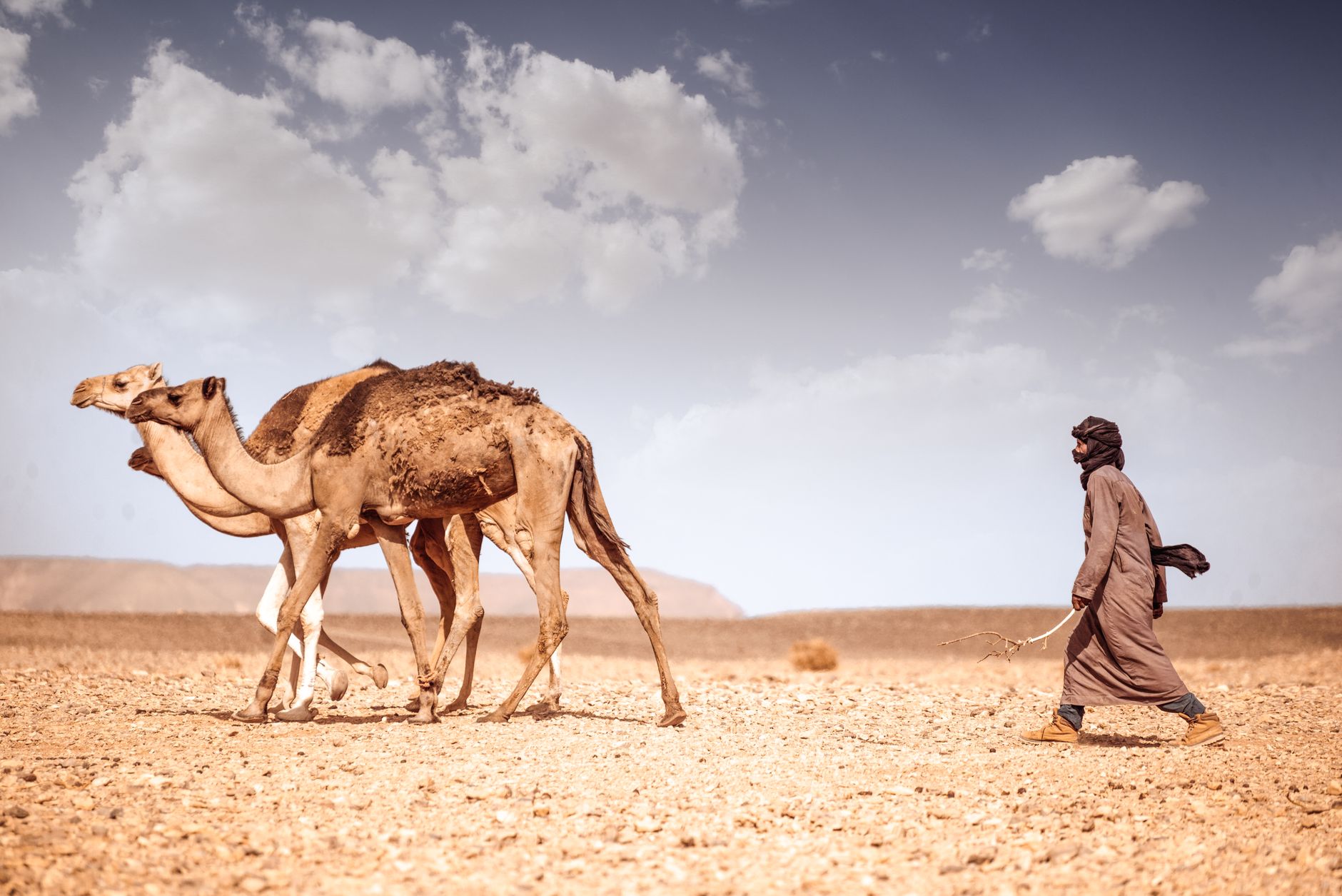
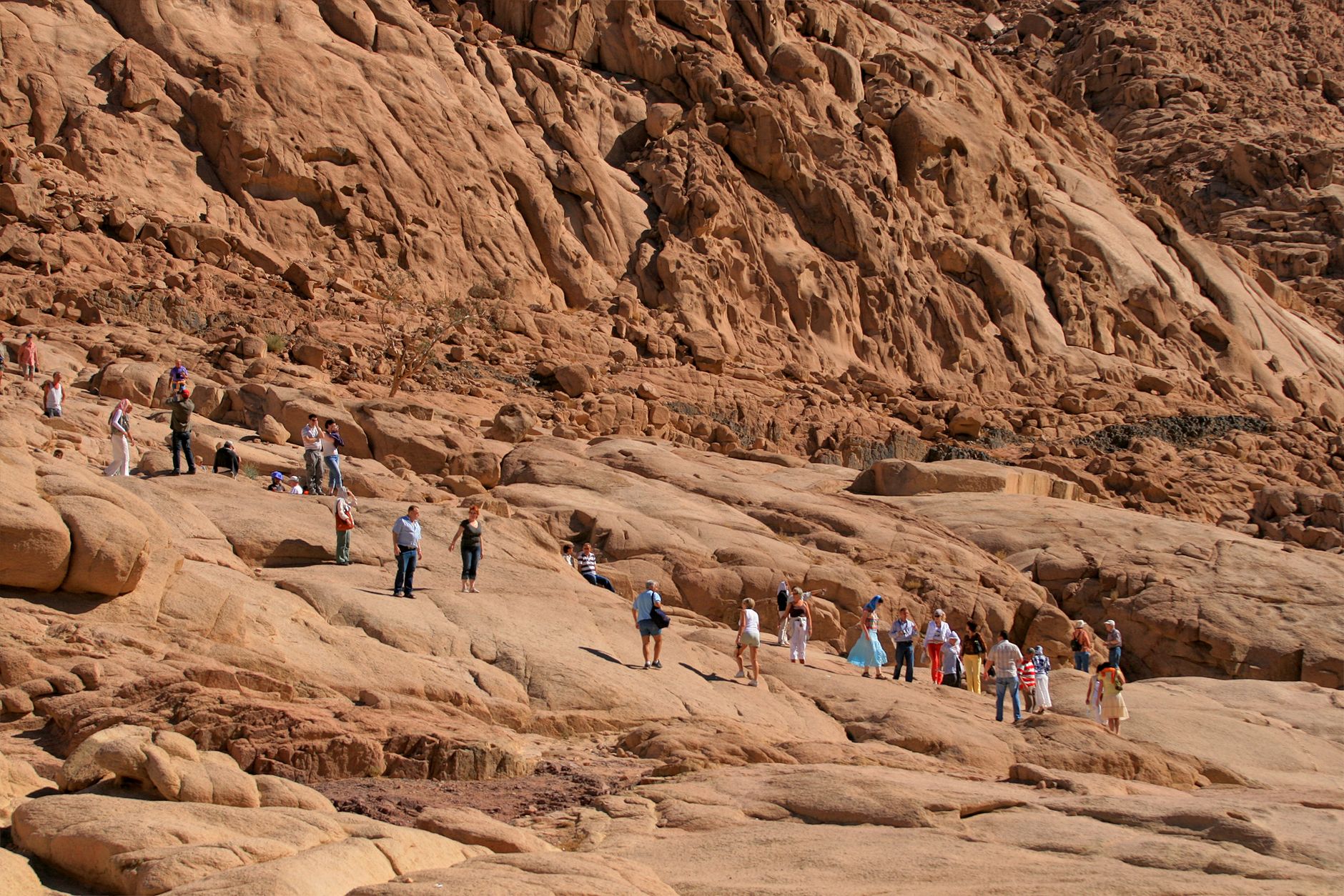
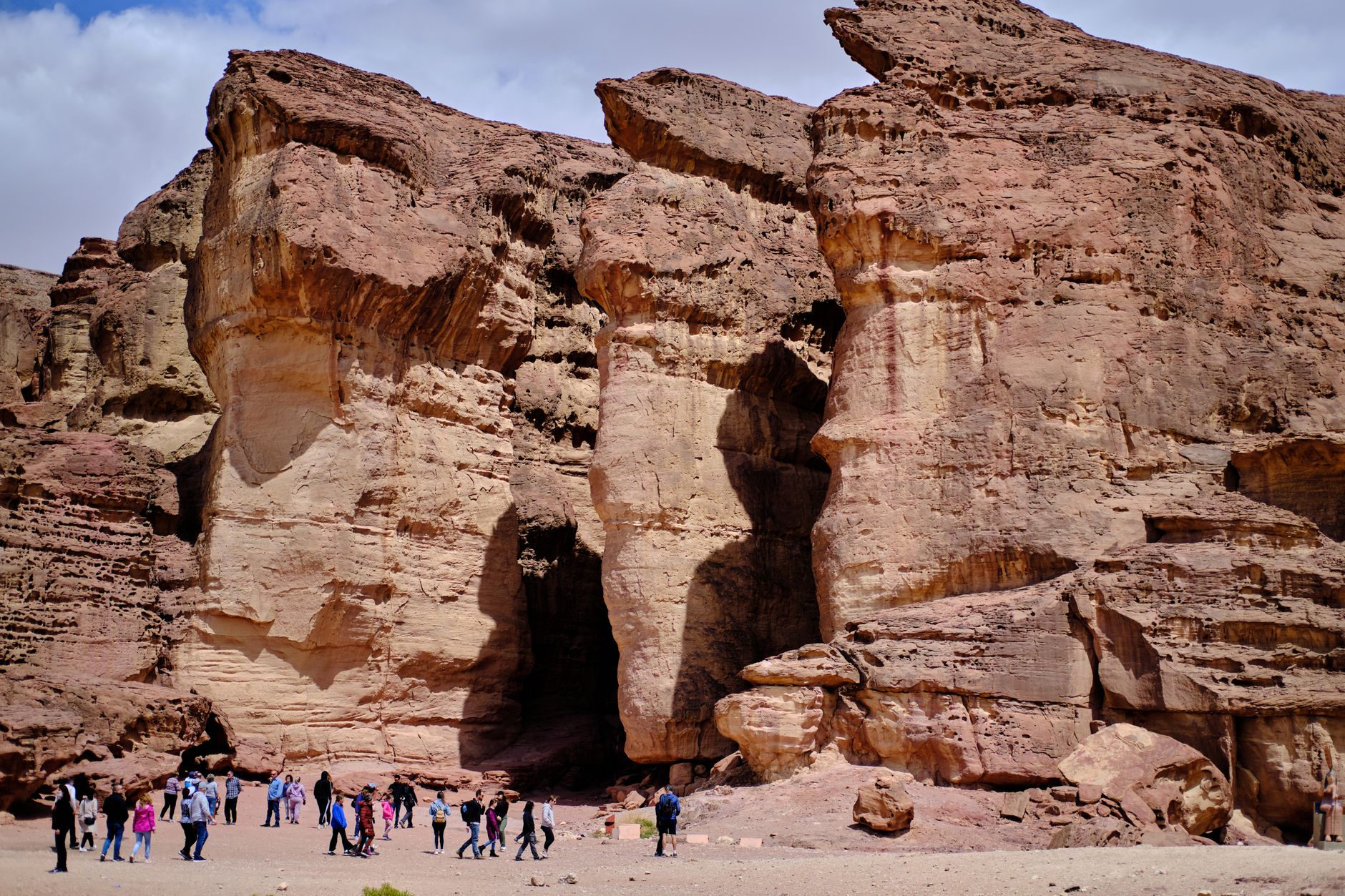
Adrar sits at the crossing of old caravan roads that once carried salt, gold and manuscripts between the Mediterranean and West Africa. The name itself comes from the Berber word for mountain or stone — fitting for a place that feels carved from the earth rather than built on it. The ksour, those fortified villages of rammed earth, still stand at the edge of the palm groves, their thick walls holding cool air inside while the desert does what it does outside.
The city has long been called the City of Scholars, and that reputation is not incidental. The zawiya founded here by Sidi Mohamed Belkebir drew students and pilgrims from across the continent, and ancient manuscripts are still preserved in local collections. Adrar is a working Saharan city, not a stage set.
💛 What travellers fall for
People who return to Adrar tend to mention the same two things: the foggara channels threading water through the palm grove, and the zawiya at late afternoon when the light drops low. Timimoun, just inside the wilaya, earns its own half-day — the red mudbrick against the salt lake is something the camera only partly captures.
Experiences you don't want to miss



Deals in Adrar
Book directly at the provider

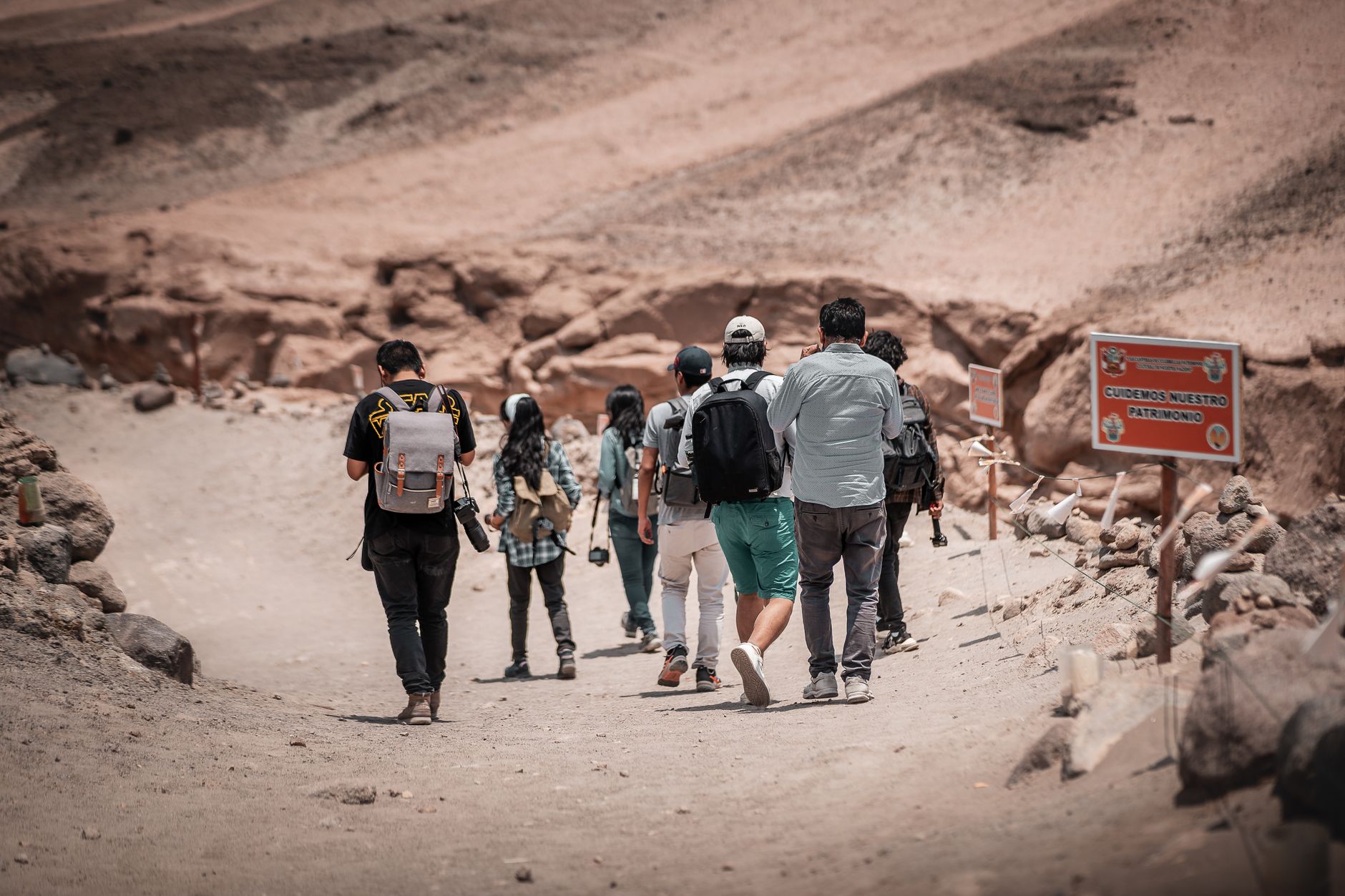
How Adrar came to be
The Timmi, the Berber people of this region, established their ksar here long before written records caught up with them. Archaeological traces in the surrounding area go back roughly 30,000 years, and the caravan routes passing through Adrar have been active for centuries — linking Saharan oasis towns to markets as far north as the Mediterranean and as far south as Mali and Sudan.
In 1900 French forces took Adrar from Moroccan control, and the city remained part of French Algeria until independence in 1962. The 20th century brought its own figures of weight: Sidi Mohamed Belkebir (1911–2000) built the zawiya that made Adrar a centre of Islamic scholarship across the Maghreb, and Ahmed Draia (1929–1988), a colonel in the National Liberation Army, is remembered in the name of the city's university.
Who and what shaped it
People who shaped it
Landmark buildings
See Adrar in motion
Plan your visit
On the map
When to go
Winter, from November through February, is the window — days are warm and clear, nights can drop to around 9°C in January, and the light on the ksour is at its best. Summer is not theoretical heat: June through September regularly reaches 46°C, sometimes higher, with warm nights that offer no real relief.
Right now
Background & history adapted from Wikipedia (CC BY-SA) · specs from Wikidata (CC0) · weather from Open-Meteo · map data © OpenStreetMap contributors · photos from Wikimedia Commons / Unsplash with per-image credit. No third-party reviews or social posts reproduced.