
Béchar
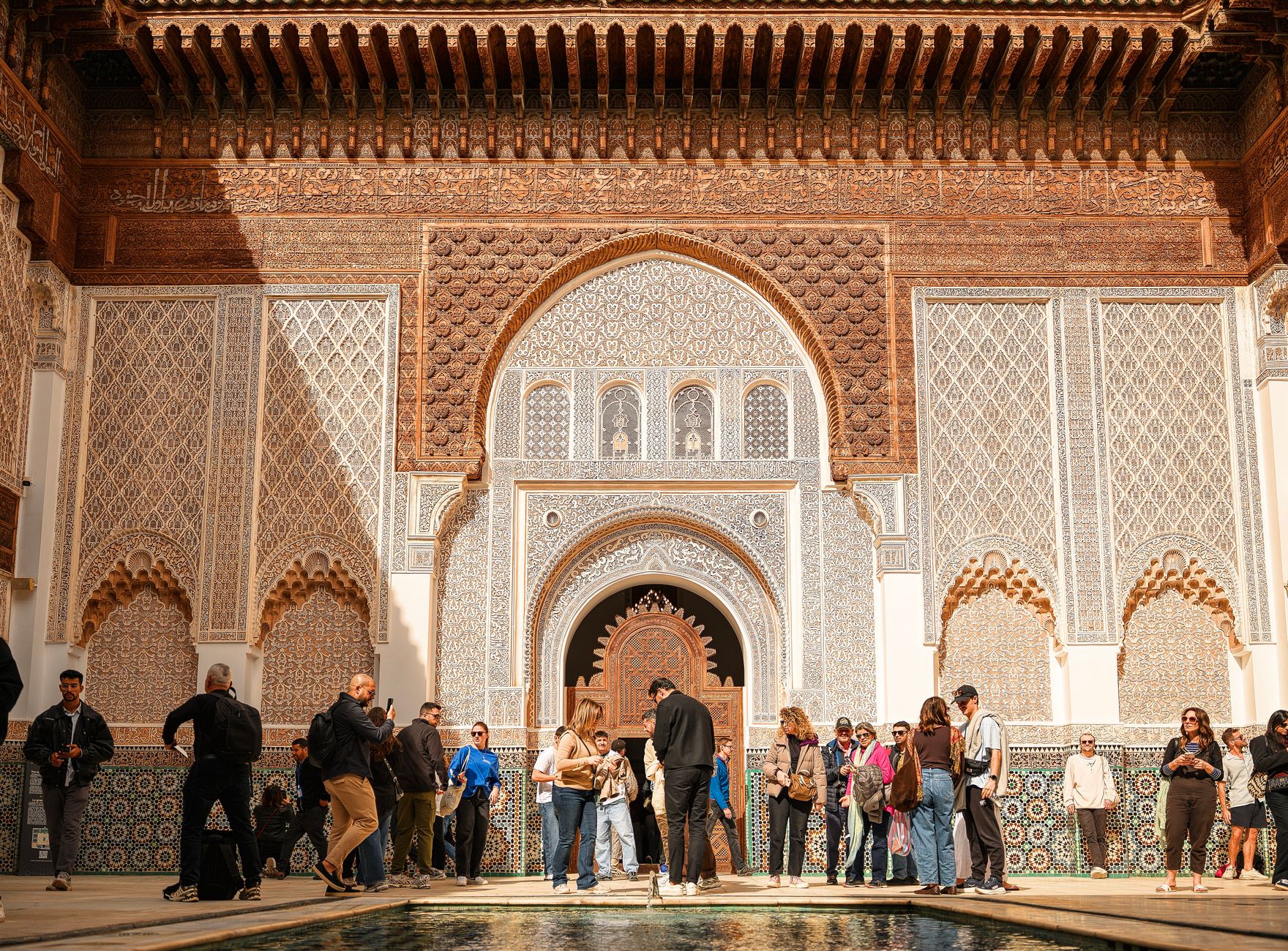
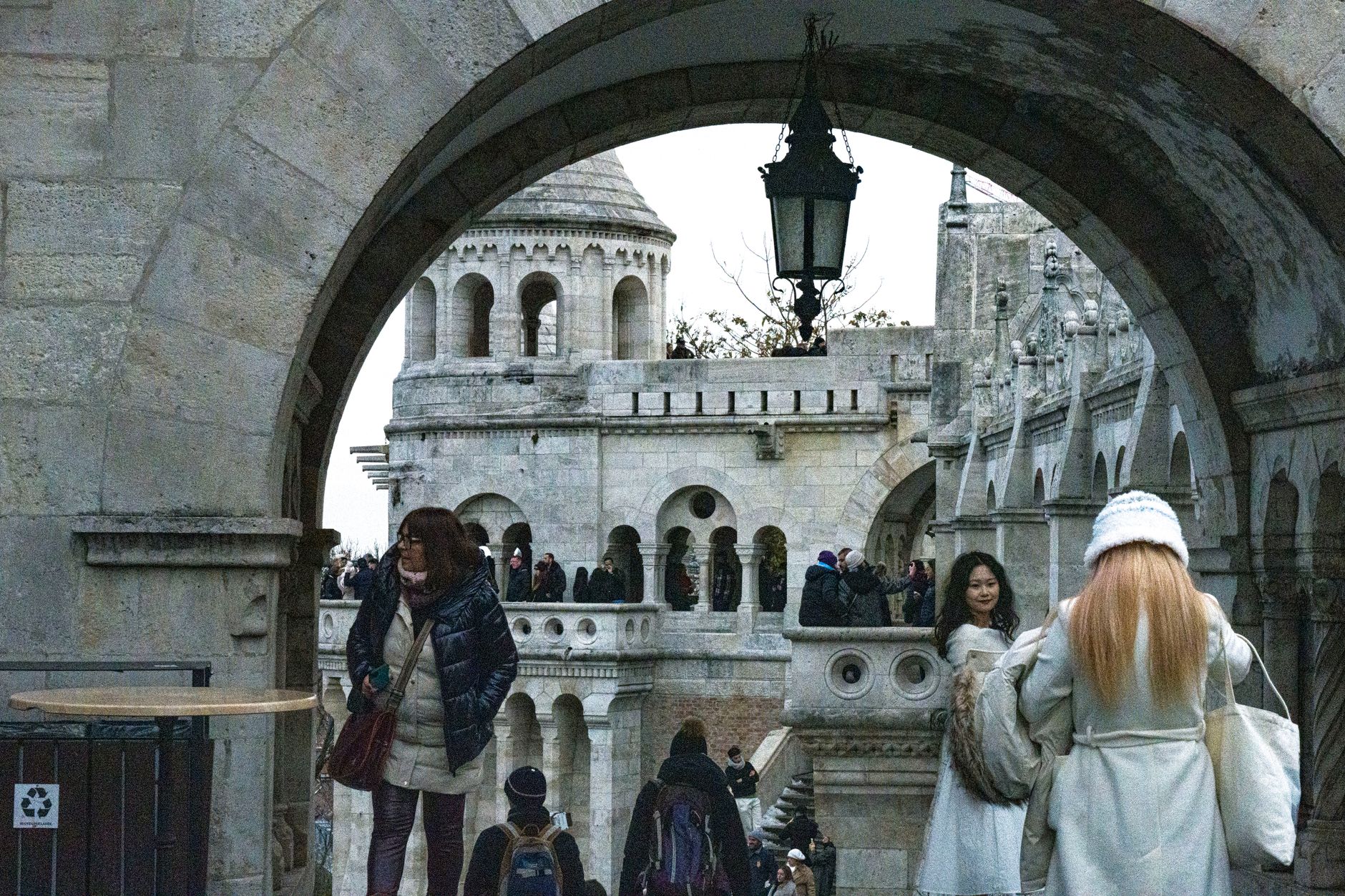
Béchar sits at the edge of the Algerian Sahara where the desert stops being a backdrop and becomes everything — 109,000 date palms drawing on the Wadi Béchar, the old Ksar quarter's mud-brick lanes narrowing against the afternoon glare, and above it all, more than 4,000 hours of sun a year burning the sky a particular shade of white.
The city's name comes from the Arabic word for happiness, which feels apt when you arrive after the long train descent from Oran. This is a place where trans-Saharan trade routes once crossed, where coal was found under the desert floor, and where a woman named Hasna El Bacharia picked up an instrument no woman had publicly played before and changed what North African music could sound like.
💛 What travellers fall for
People who come back tend to head straight for the Ksar district in the late afternoon, when the light drops and the covered streets cool down. The railway station also earns a second look — it's a proper colonial-era building that tells you more about Béchar's industrial past than any sign does. Ask locally about leatherwork; the craft is still practised here.
Experiences you don't want to miss


Deals in Béchar
Book directly at the provider

How Béchar came to be
Berber communities were here long before the 7th-century Arab conquest that brought Islam to the region, and Béchar grew through the Ottoman period into a node on trans-Saharan trade routes connecting the Maghreb to sub-Saharan Africa. The modern city took shape around 1903 when the French established a strategic post to control the volatile Algerian-Moroccan borderlands, consolidating military presence by 1902 and formalising the settlement over the following years.
Coal was discovered nearby in 1907, pulling the town into an industrial logic that still shows in its railway infrastructure — the line to Oran, originally narrow gauge, was converted to standard gauge as recently as 2010. Algeria's independence in 1962 reframed Béchar as a southern administrative centre, and the city has carried both identities since: garrison town and desert crossroads.
Who and what shaped it
People who shaped it
Landmark buildings
See Béchar in motion
Plan your visit
On the map
When to go
Summers are genuinely extreme — July highs push close to 40°C, with nights barely dropping below 29°C — so unless you have a specific reason to visit then, don't. From November to February the days are clear and mild, the evenings cold enough for a proper jacket, and the light on the palms and old mud-brick is at its best.
Right now
Background & history adapted from Wikipedia (CC BY-SA) · specs from Wikidata (CC0) · weather from Open-Meteo · map data © OpenStreetMap contributors · photos from Wikimedia Commons / Unsplash with per-image credit. No third-party reviews or social posts reproduced.