
Agadez
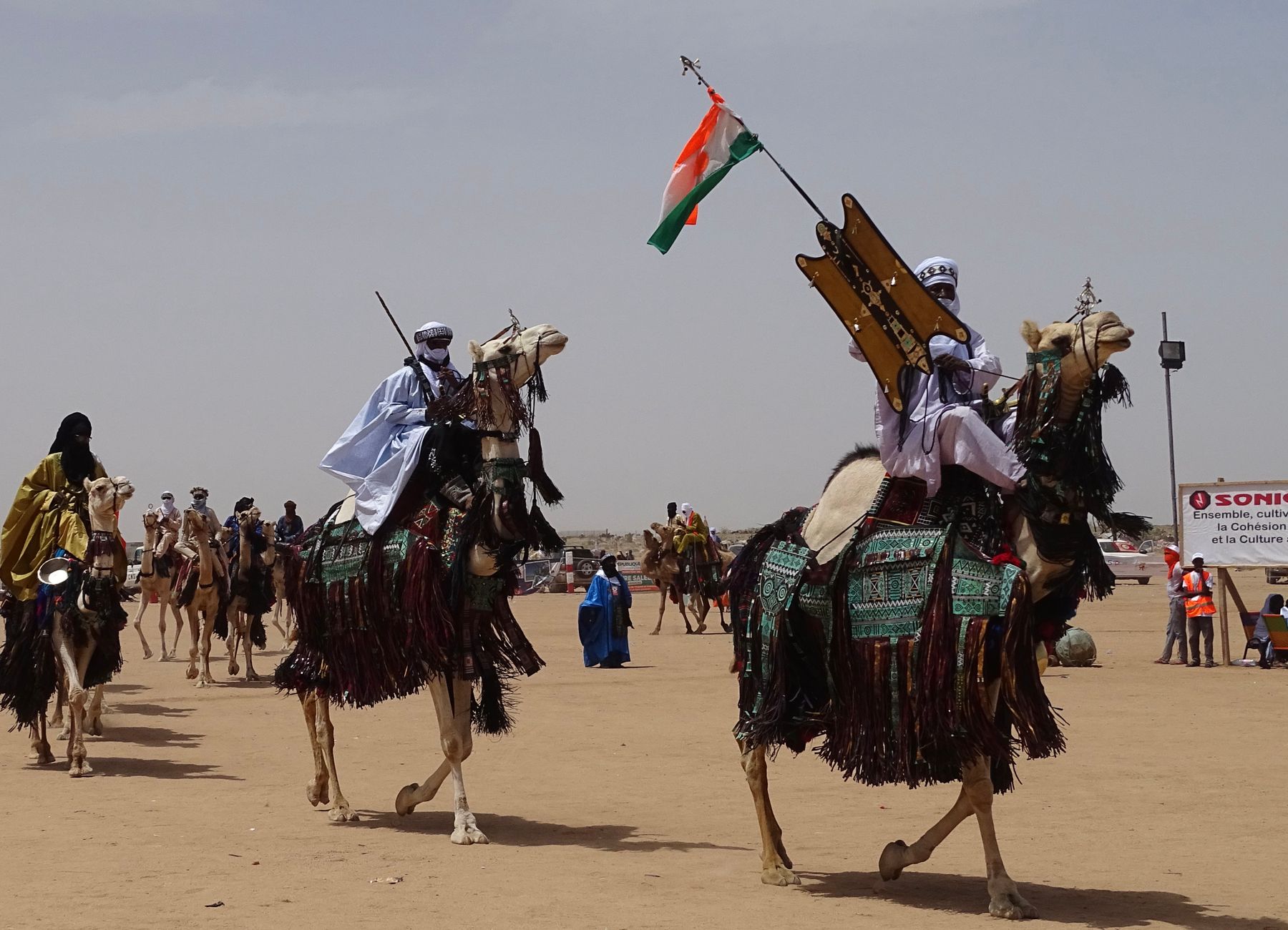
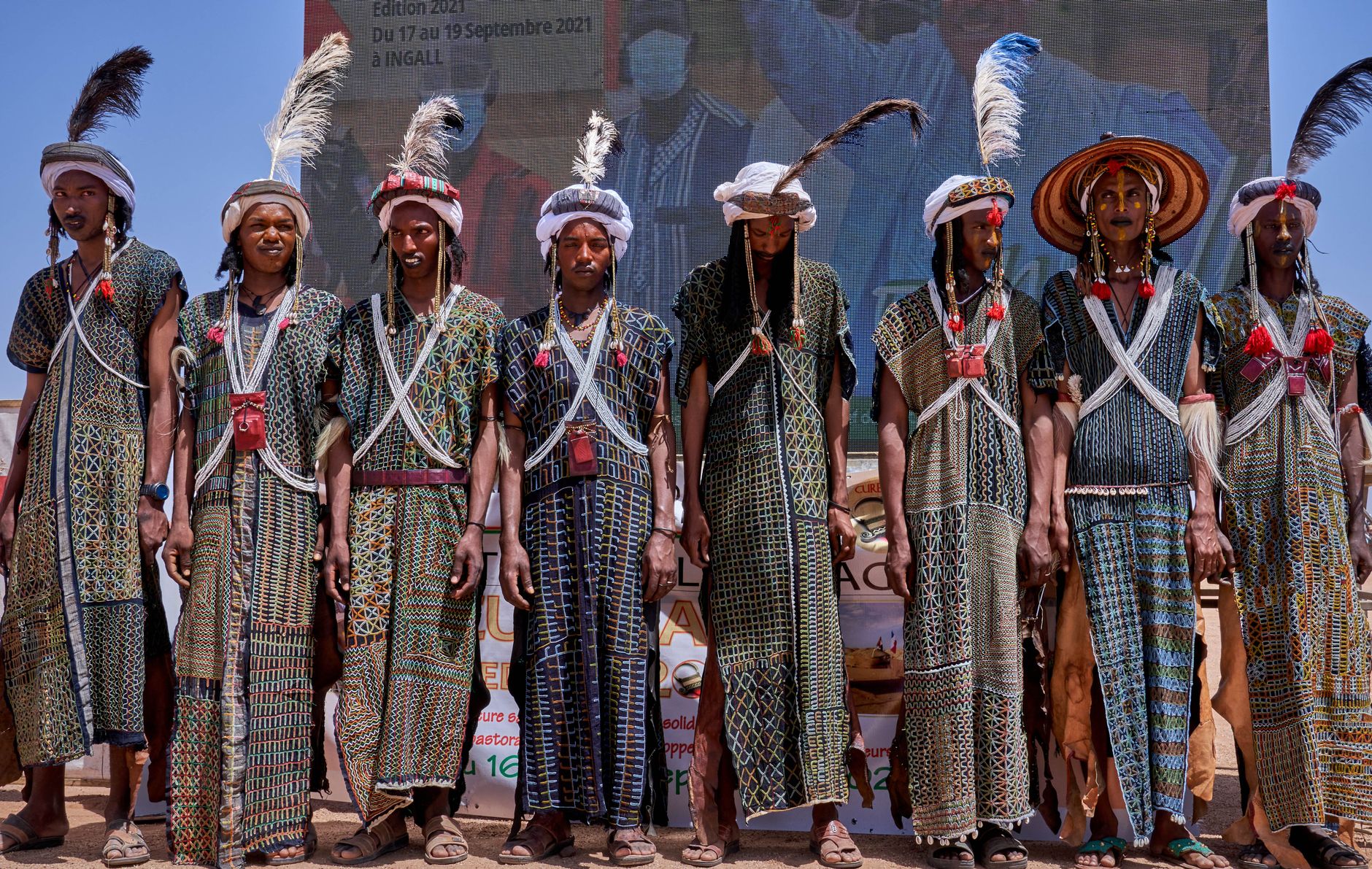
Stand at the base of the Grand Mosque's minaret and look up: 27 meters of mudbrick rising in a truncated pyramid, wooden stakes jutting from its sides like the ribs of something alive, still used to hold scaffolding when the walls need patching. This is the tallest mud-brick structure in the world, and it has been standing since 1515. Agadez is that kind of place — ancient in a way that doesn't announce itself, but that you keep running into.
The city sits at the edge of the Ténéré Desert and the Aïr Mountains, and for centuries it was where the Sahara's trade routes converged. Tuareg tribes laid out their encampments here, and the street plan of the historic centre still follows those original boundaries. The eleven quarters of the old town were added to the UNESCO World Heritage list for exactly this reason: the city's bones are still intact.
💛 What travellers fall for
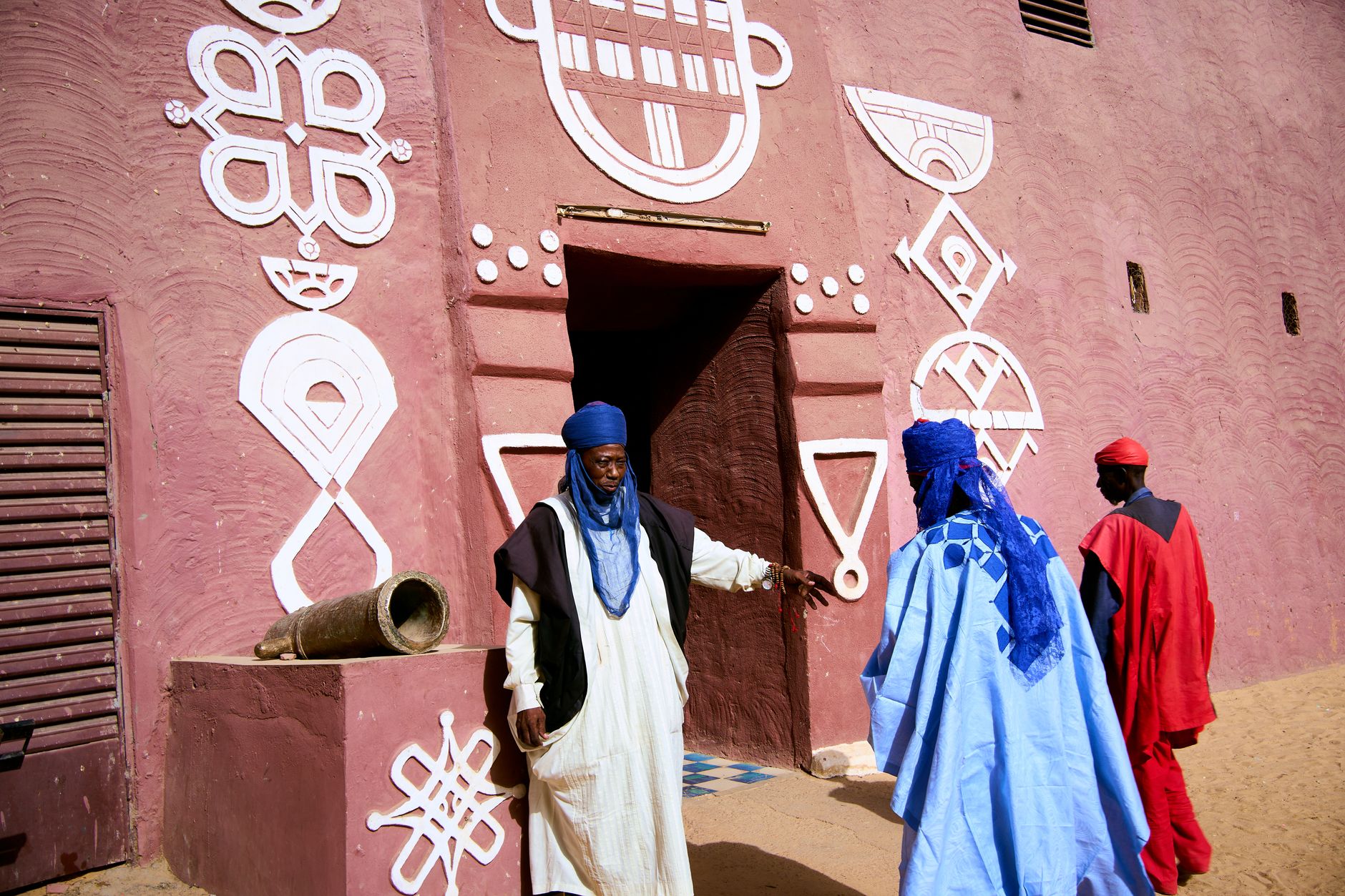
People who've been tend to mention the same morning: climbing the tight staircase inside the minaret before the heat sets in, emerging onto a view of flat earthen rooftops spreading in every direction, the camel market audible somewhere below. Hire a local guide for the old town — the Maison du Boulanger alone, with its courtyard and decorated facade, is worth the detour.
Experiences you don't want to miss




Deals in Agadez
Book directly at the providerHow Agadez came to be
Agadez grew from a settlement that predates written records into the pre-eminent city of the Tuareg world, eventually supplanting the older centre of Assodé. The Sultanate of Agadez was formally established in 1449, with Yunus recorded as an early ruler around 1404. The city's peak came in the 15th and 16th centuries, when it sat at the junction of trans-Saharan trade routes connecting sub-Saharan Africa to the Mediterranean. The Grand Mosque was built in 1515, the year the Songhai Empire took the city.
French colonial rule arrived in 1906. In 1916, Kaocen Ag Mohammed led a Tuareg rebellion against French forces — it was suppressed. The German explorer Heinrich Barth had passed through as early as 1850, the first known European to do so. Tuareg uprisings returned in the 1990s and again between 2007 and 2009, bringing displacement and instability that the region has not entirely left behind.
Who and what shaped it
People who shaped it
Landmark buildings
See Agadez in motion
Plan your visit
On the map
When to go
December through February is the most comfortable window, with daytime highs between 28°C and 31°C and cool nights that can drop to around 11°C — bring a layer. Avoid May through August if you can: average highs push past 41°C and have been recorded above 46°C, which makes any time outdoors genuinely punishing.
Right now
Background & history adapted from Wikipedia (CC BY-SA) · specs from Wikidata (CC0) · weather from Open-Meteo · map data © OpenStreetMap contributors · photos from Wikimedia Commons / Unsplash with per-image credit. No third-party reviews or social posts reproduced.