
Ouarzazate
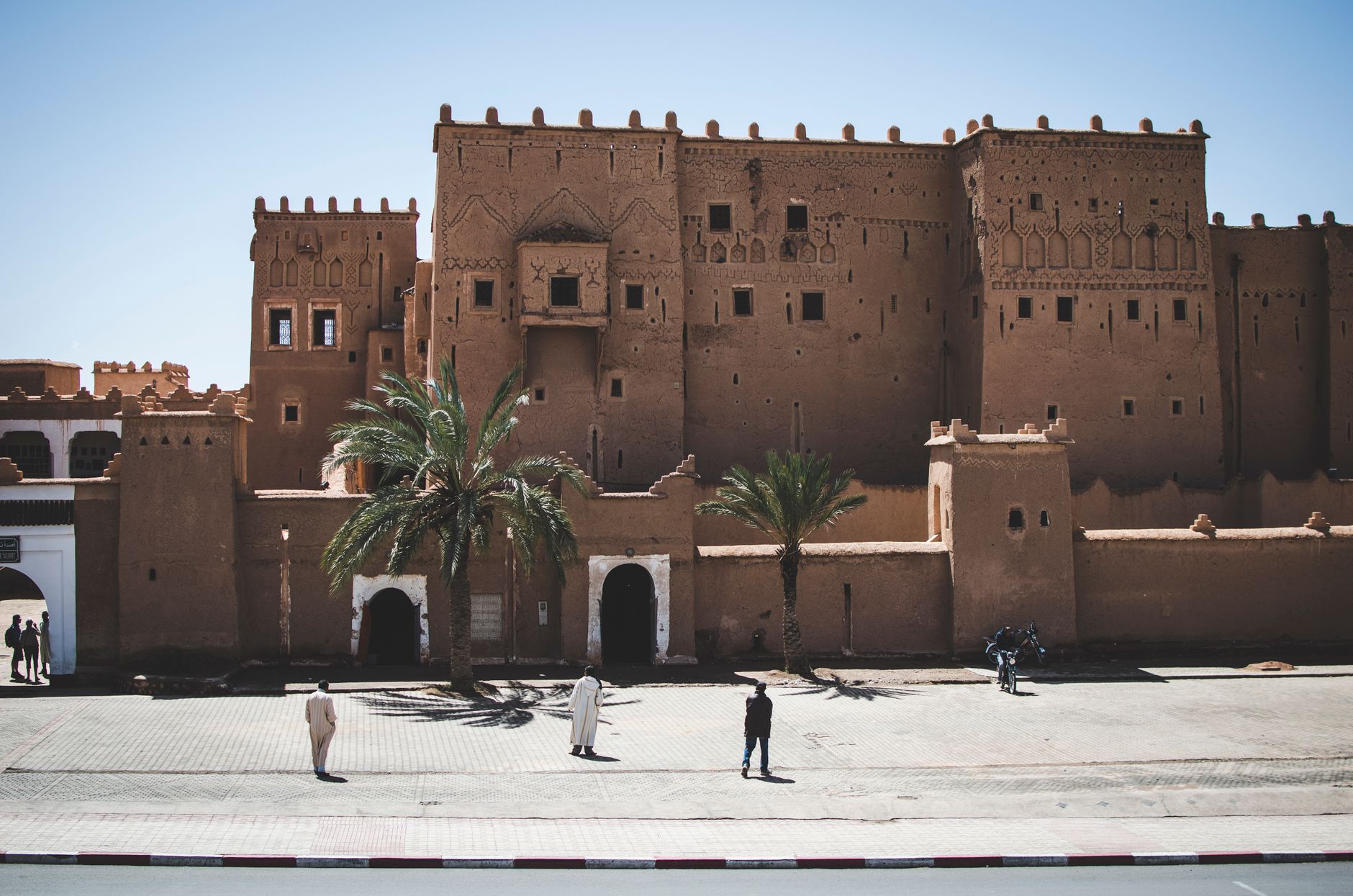
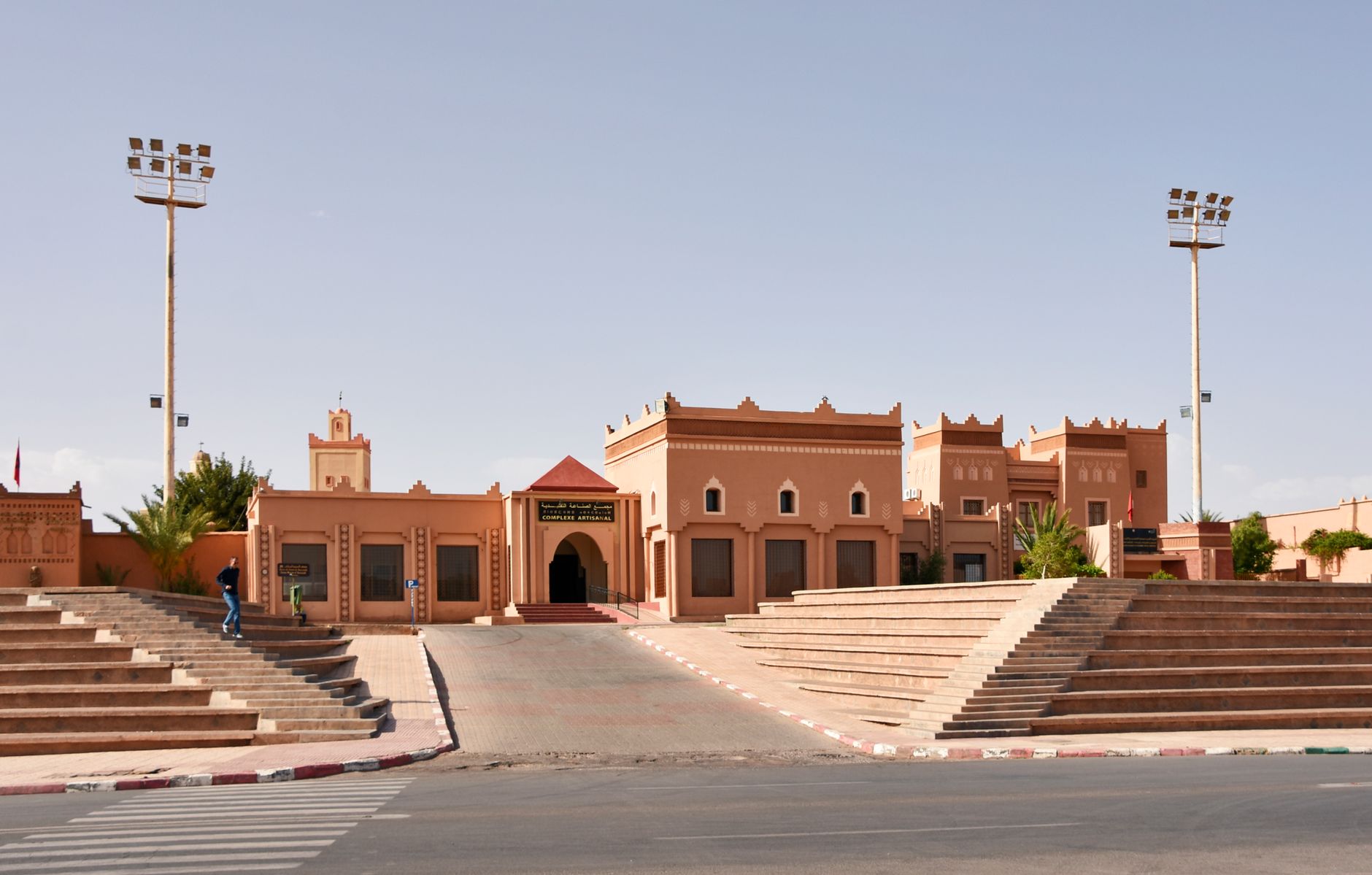
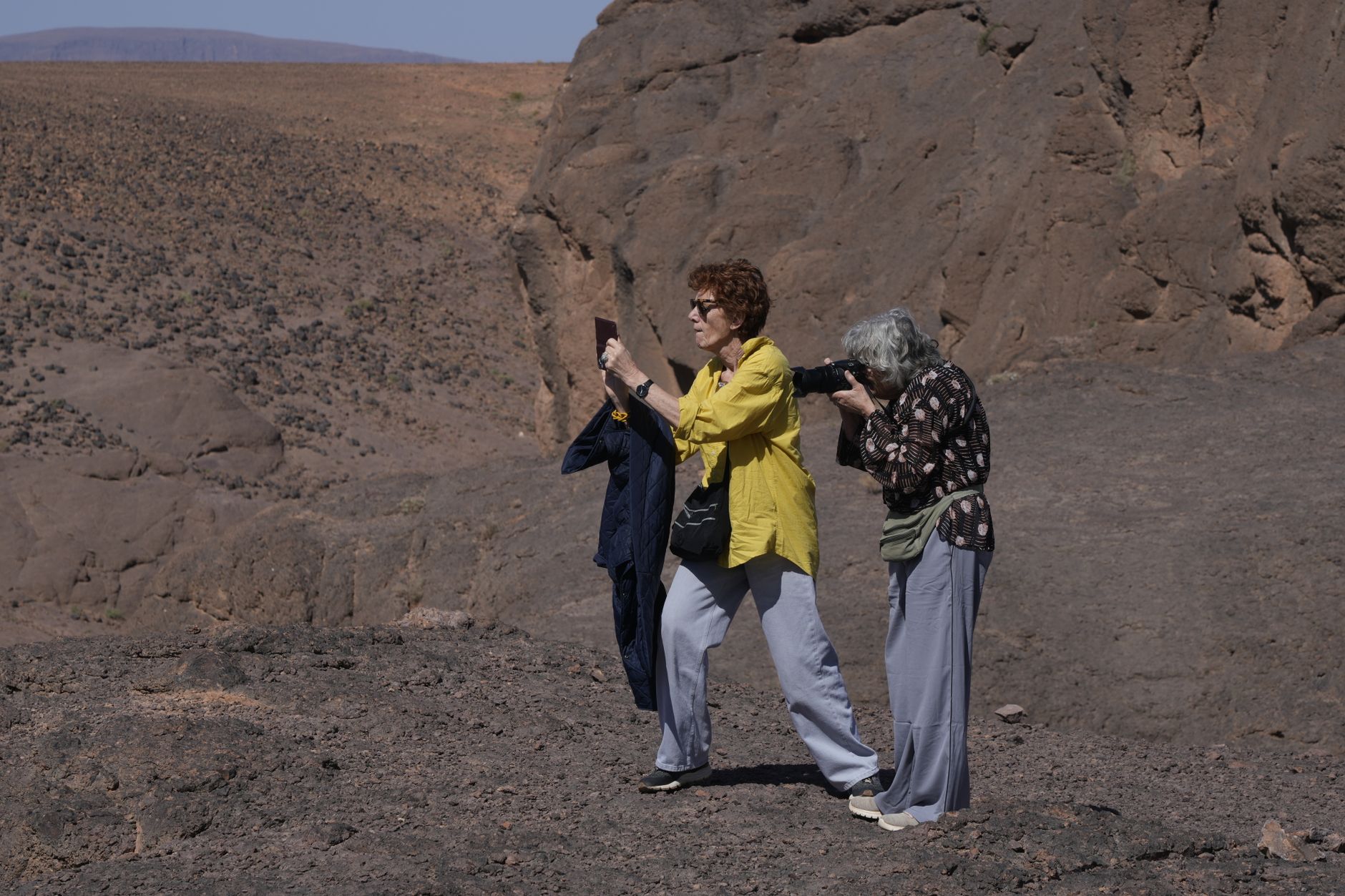
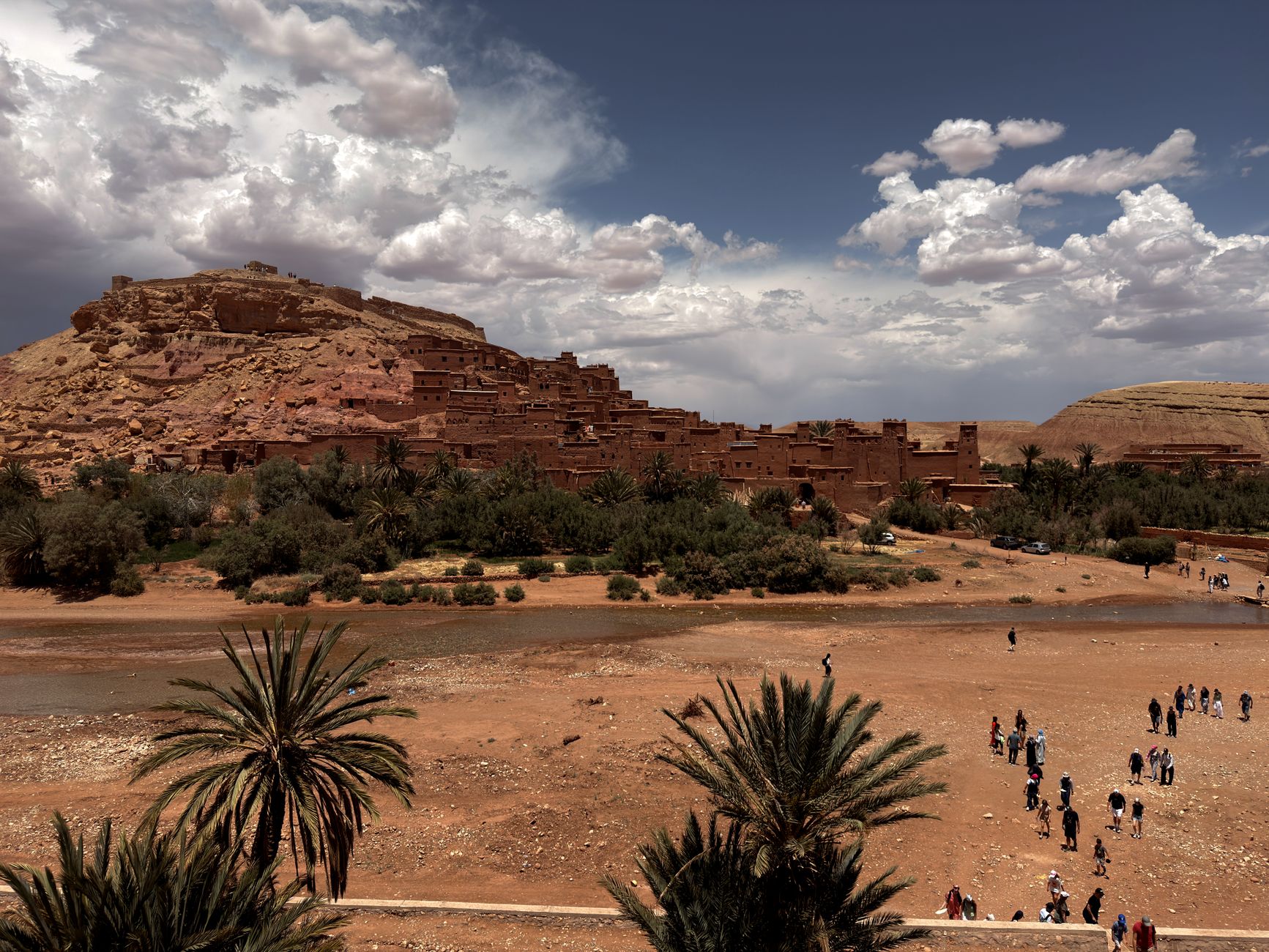
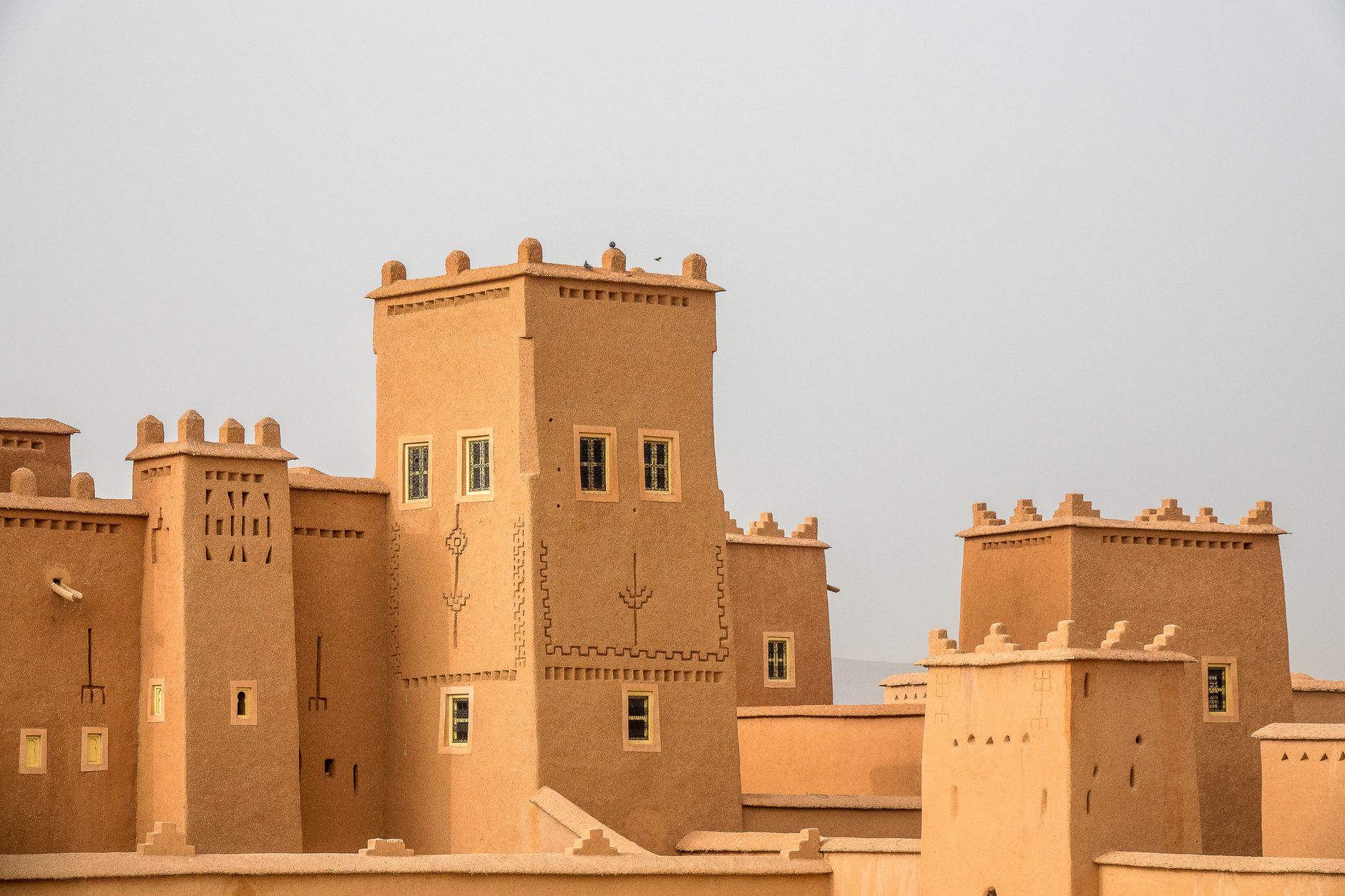
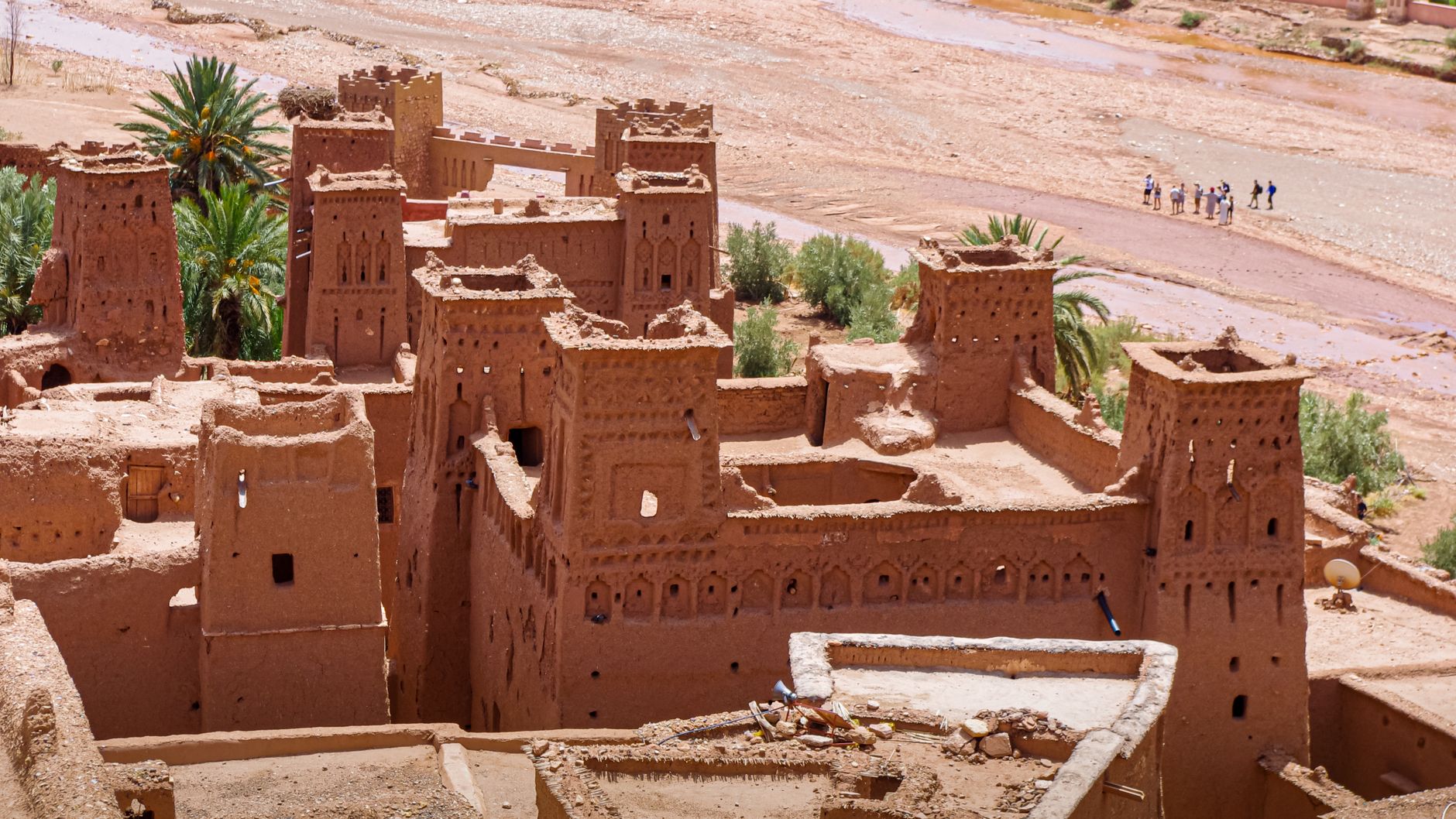
The road from Marrakech drops you over the High Atlas and deposits you, a little stunned, into a town that feels like the edge of something. Ouarzazate sits at the threshold between mountain and desert, and the light here is different — harder, more directional — which is precisely why film crews have been setting up cameras since Atlas Studios opened in 1983. The city's nickname, Ouallywood, is half joke, half accurate.
At its centre is the Kasbah Taourirt, a rammed-earth fortress whose origins stretch back centuries and whose walls are still cracking from the 2023 earthquake. The airport is two kilometres from town. The petit taxi to your riad costs 30 dirhams. The pace is slow enough that you notice both.
💛 What travellers fall for
People who return tend to time it for autumn and base themselves close to Mohamed V avenue, where everything is walkable. They go to Aït Benhaddou early, before the tour groups, and they spend longer than planned at Taourirt — the 25-dirham entrance fee buys more atmosphere than many places charge a hundred euros for.
Deals in Ouarzazate
Book directly at the provider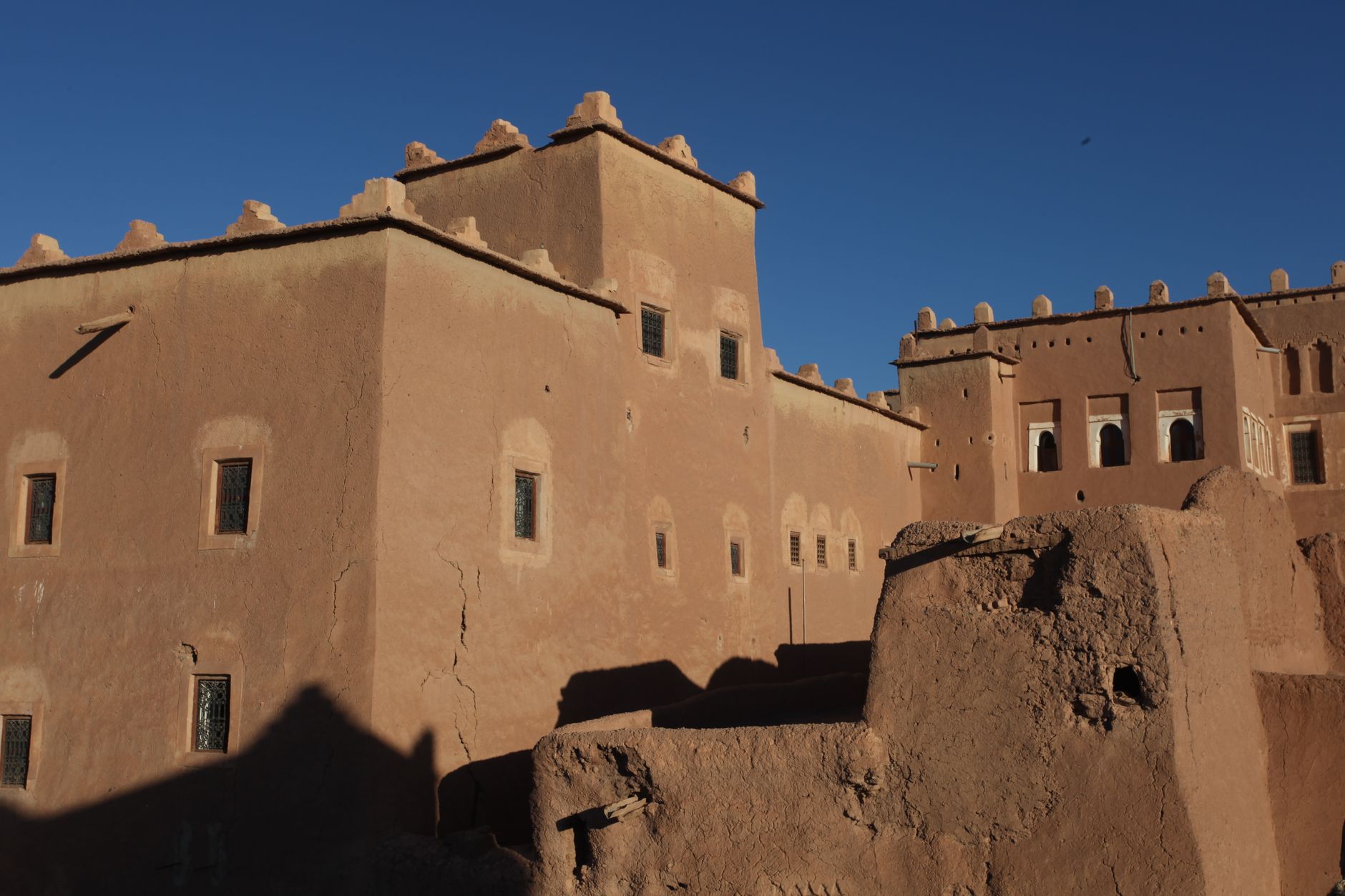


How Ouarzazate came to be
Ouarzazate existed as a caravan crossing long before anyone formalised it. Traders moving between sub-Saharan Africa and northern Morocco passed through, and the Kasbah Taourirt — whose foundations, depending on which source you trust, date to the 17th century or to 1754 when a local figure named Amghar Hamad built on the site — grew into a significant stronghold. The Glaoui family, whose influence across southern Morocco was immense, later made it their own.
The French arrived and made Ouarzazate a garrison town and customs post in 1928, building an administrative infrastructure that included the Eglise Saint Thérèse in 1931. After independence in 1956 the military function faded, and the city found a second identity slowly — first as a regional capital, then, after 1983, as a film production hub whose backlots have doubled for ancient Rome, Jerusalem and the Sahara itself.
Who and what shaped it
People who shaped it
Landmark buildings
See Ouarzazate in motion
Plan your visit
On the map
When to go
Autumn (September into November) and spring offer the most forgiving conditions — warm days, cool evenings, and light that photographers argue about in reverent tones. Summers push past 35°C and the heat is unrelenting; winters are mild by day but the nights drop toward freezing, with cold air funnelling down from the Atlas.
Right now
Background & history adapted from Wikipedia (CC BY-SA) · specs from Wikidata (CC0) · weather from Open-Meteo · map data © OpenStreetMap contributors · photos from Wikimedia Commons / Unsplash with per-image credit. No third-party reviews or social posts reproduced.