
Timbuktu
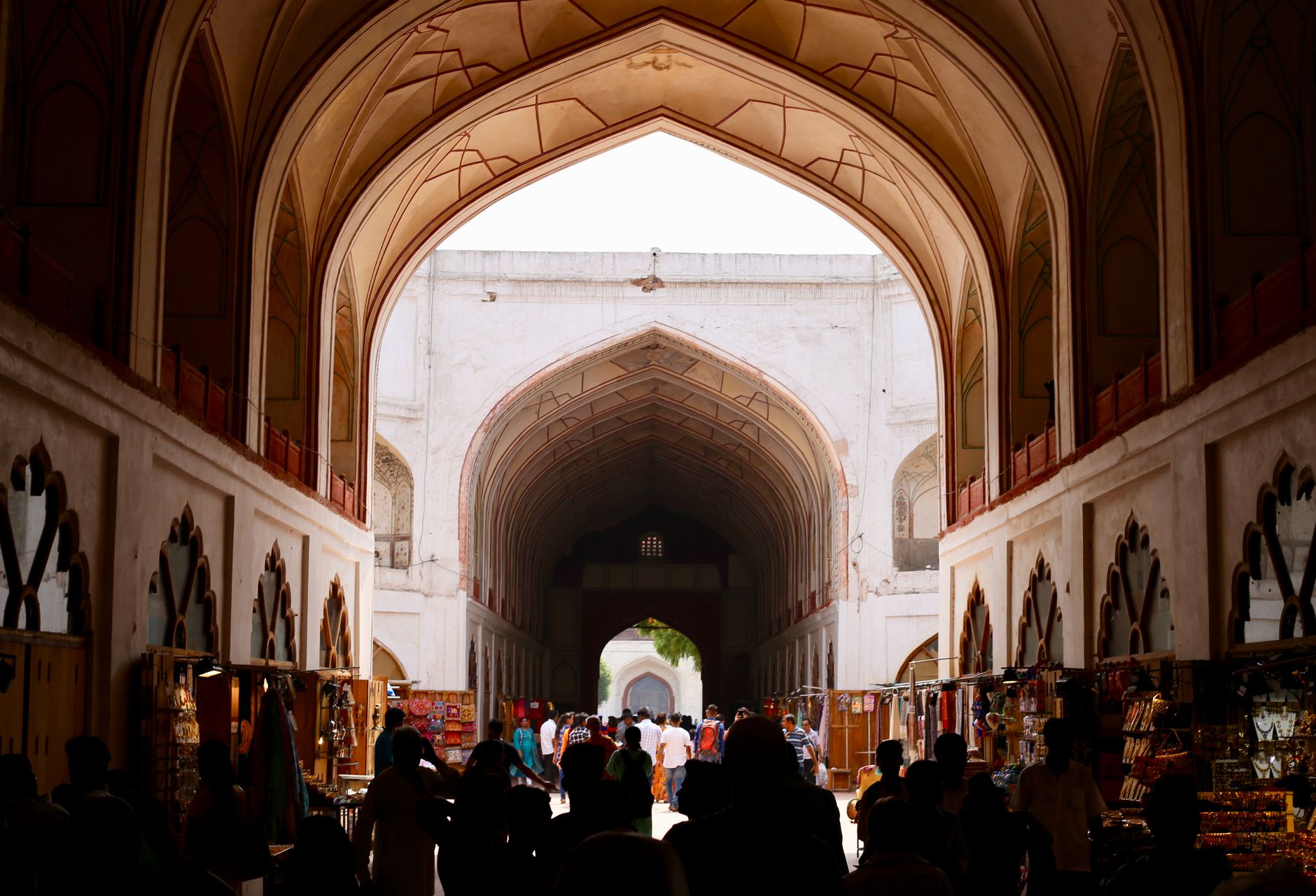
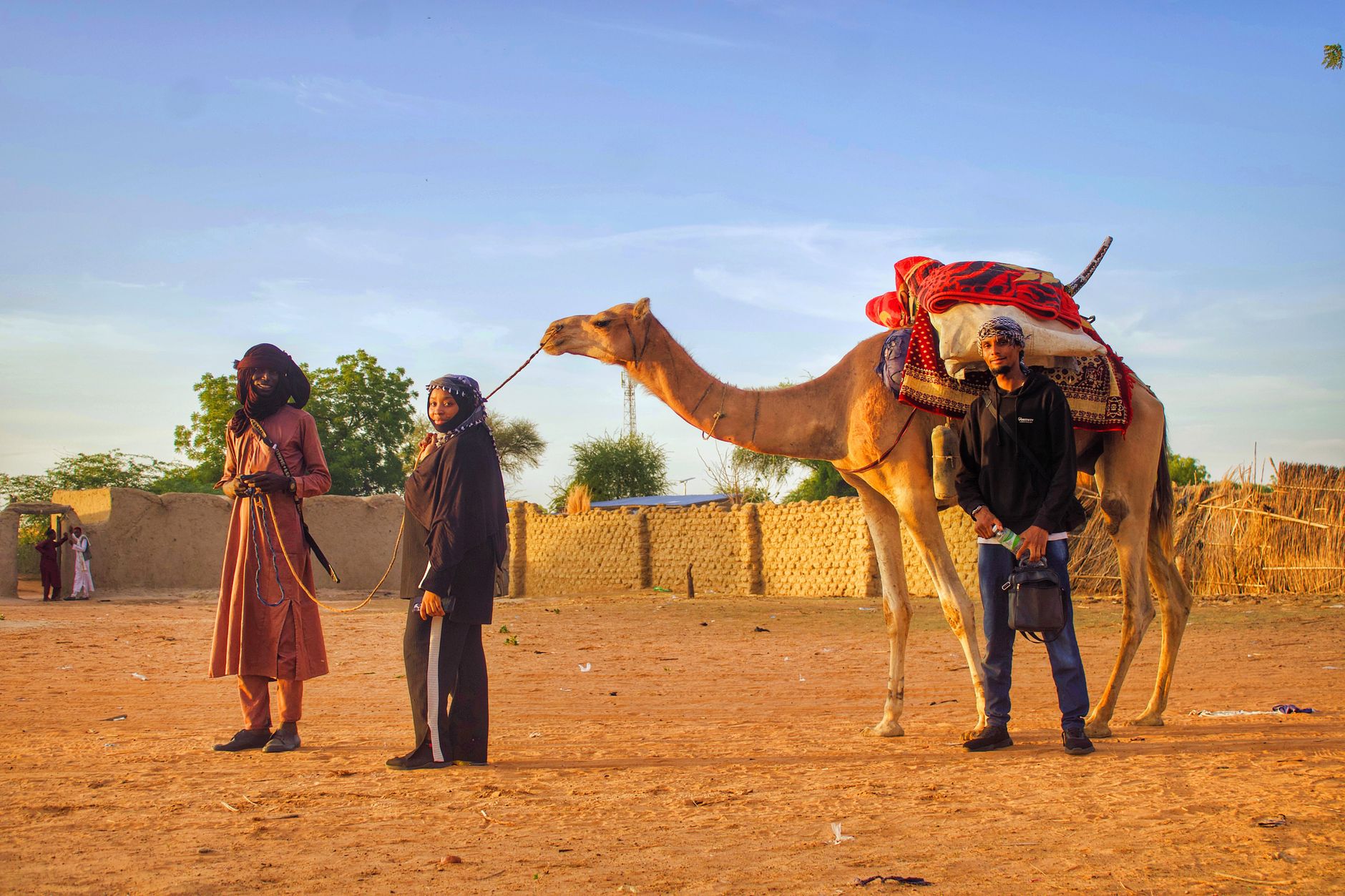
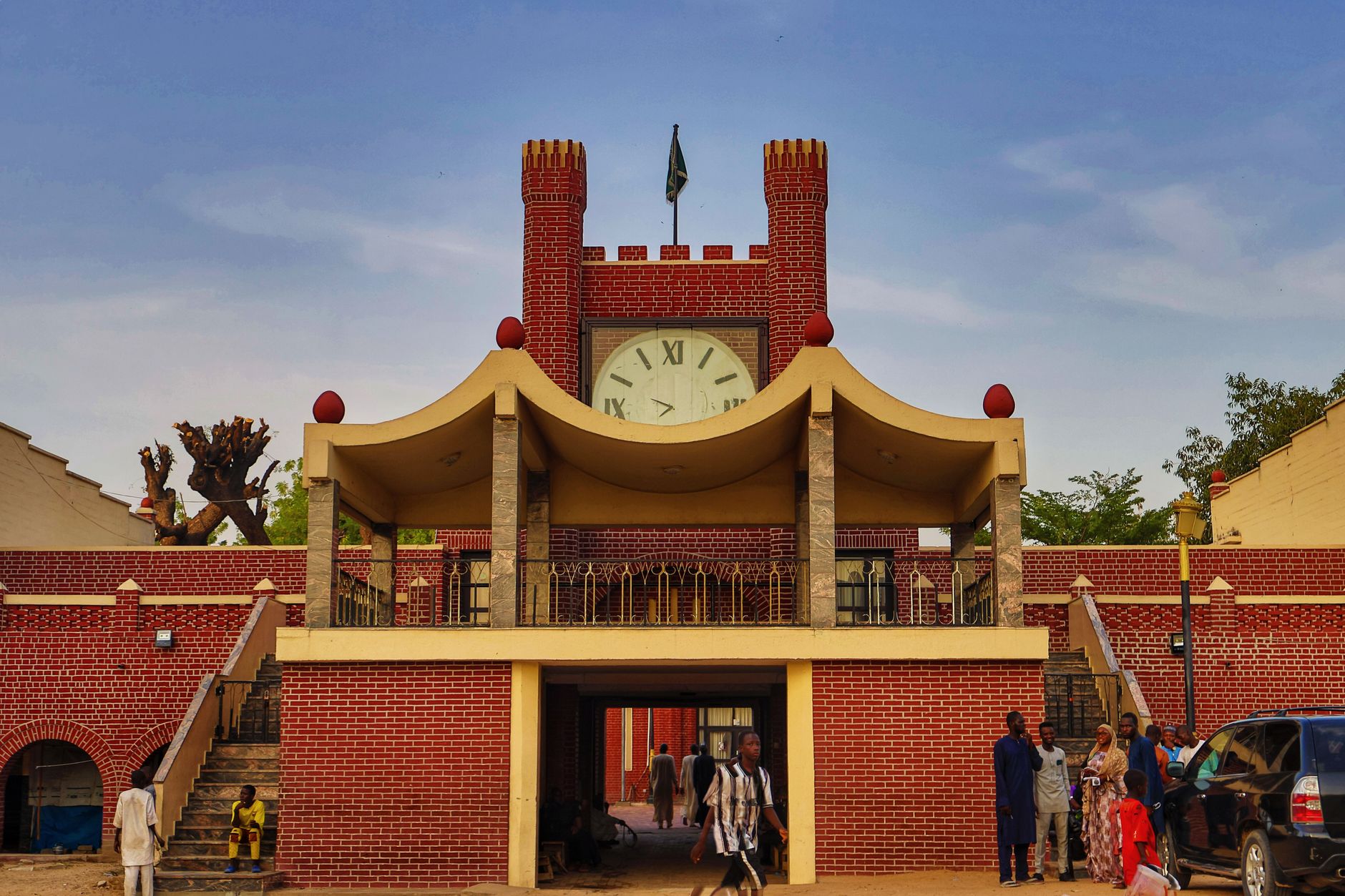
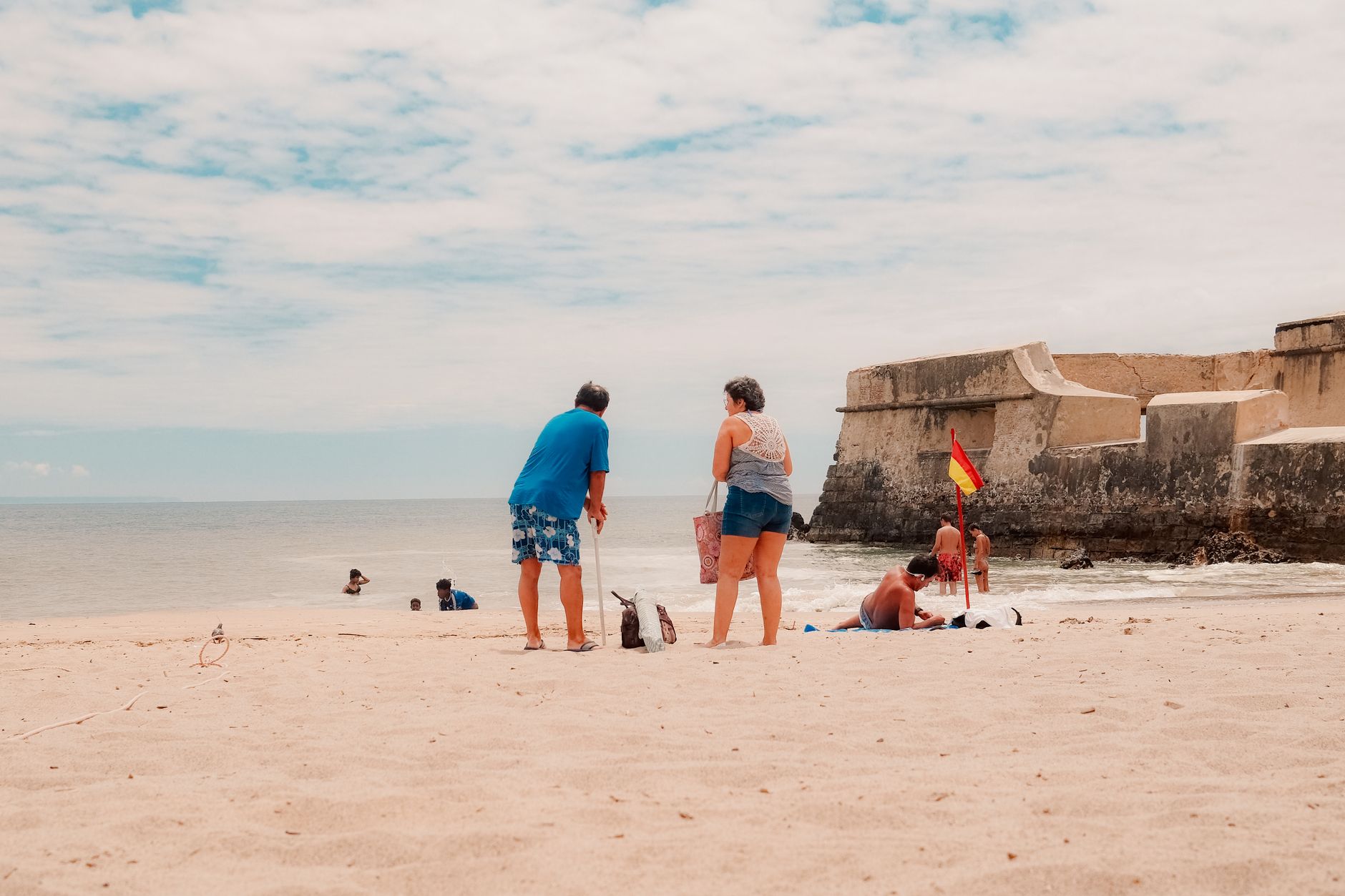
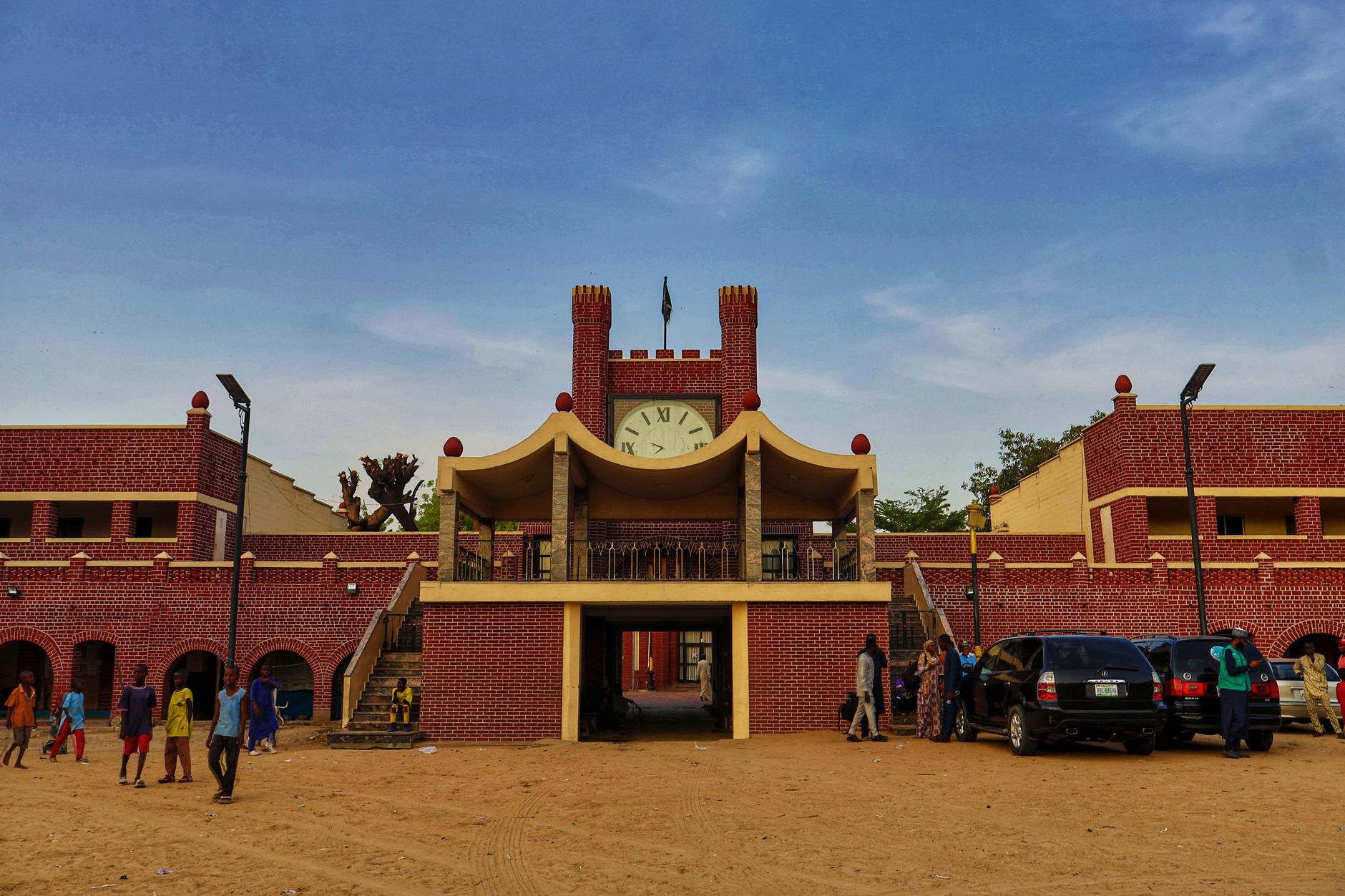
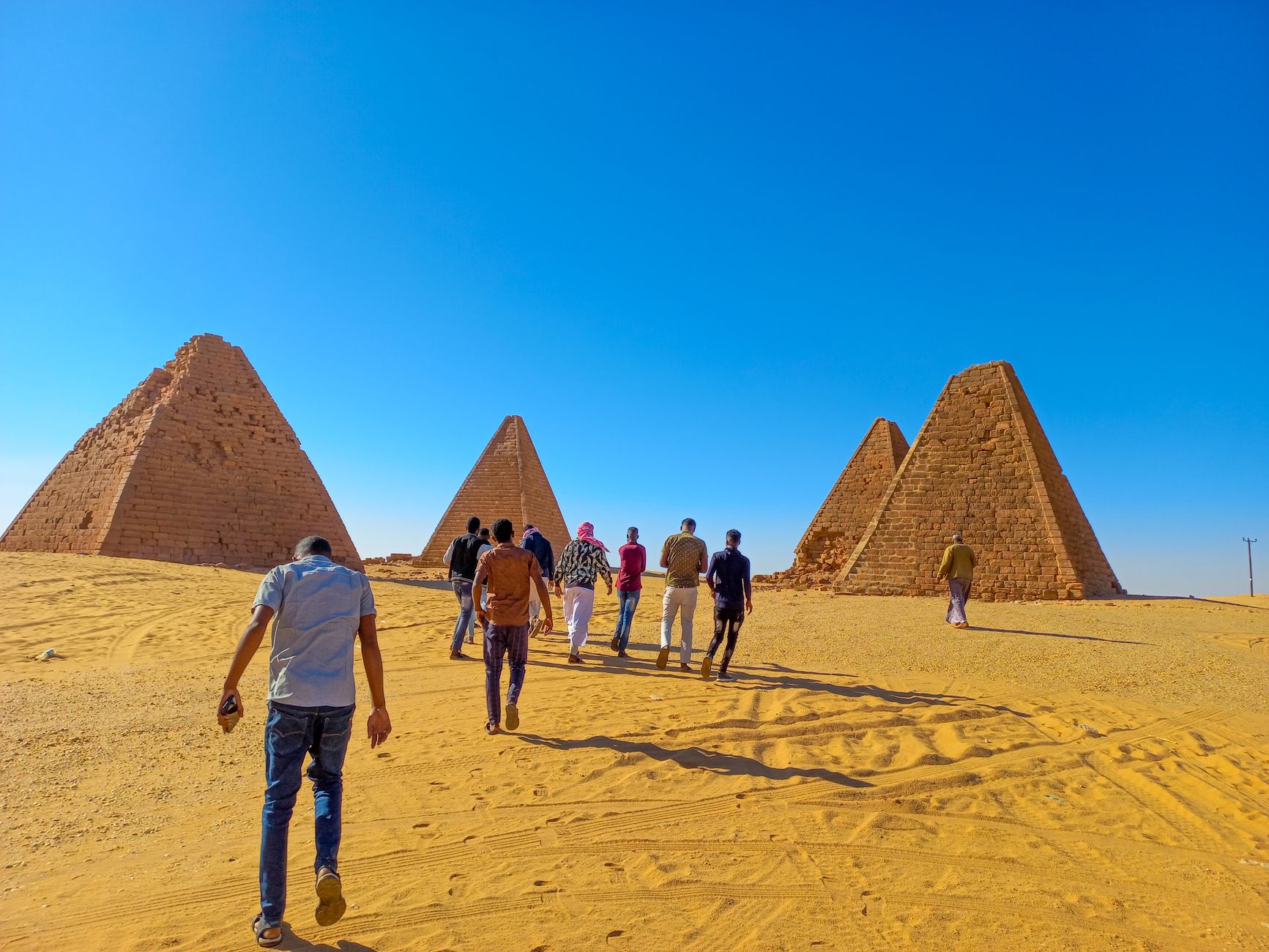
Timbuktu sits at the southern edge of the Sahara where the desert meets the Niger's reach, and its name has carried more weight as a metaphor for remoteness than most places ever earn in reality. But the reality is specific: three great mosques built from mud and timber, tens of thousands of medieval manuscripts stored against the dry heat, and a city that was, for a century or two, one of the most serious centres of Islamic scholarship on earth.
Getting here is genuinely difficult and, at present, genuinely dangerous. Most Western governments advise against all travel to the region. That context belongs at the front of any honest account of the place.
💛 What travellers fall for
People who have made it here tend to mention the same moment: standing inside Djinguereber Mosque and registering that the 25 rows of pillars, the two minarets, the whole earthen geometry of it, date to 1327. The manuscripts at the Ahmed Baba Centre are the other thing — holding something written in the 12th century, in a city you once thought was only a figure of speech.
Deals in Timbuktu
Book directly at the provider


How Timbuktu came to be
The Maghsharan Tuareg established Timbuktu around 1100 CE as a seasonal camp. It grew into a trading node, and by the 13th and 14th centuries, under the Mali Empire, it had become something more consequential. Mansa Musa I, returning from Mecca in 1324, annexed the city peacefully and set about recruiting scholars from across the Islamic world. The architect Abu Ishaq Al Sahili came with him, paid roughly 200 kg of gold to build a mosque in the Cairo manner — the result was Djinguereber.
The Tuareg held the city briefly in the early 15th century before the Songhai Empire absorbed it in 1468. A Moroccan army defeated the Songhai in 1591 and made Timbuktu their capital. French colonial rule followed in 1893, and the city became part of independent Mali in 1960.
Who and what shaped it
People who shaped it
Landmark buildings
See Timbuktu in motion
Plan your visit
On the map
When to go
Timbuktu is Saharan: summers (May through September) are punishing, with temperatures regularly above 45°C and dust-laden harmattan winds. The cooler months from November to February are the only realistic window for a visit, with days in the mid-20s°C and cold nights.
Right now
Background & history adapted from Wikipedia (CC BY-SA) · specs from Wikidata (CC0) · weather from Open-Meteo · map data © OpenStreetMap contributors · photos from Wikimedia Commons / Unsplash with per-image credit. No third-party reviews or social posts reproduced.