
Djanet
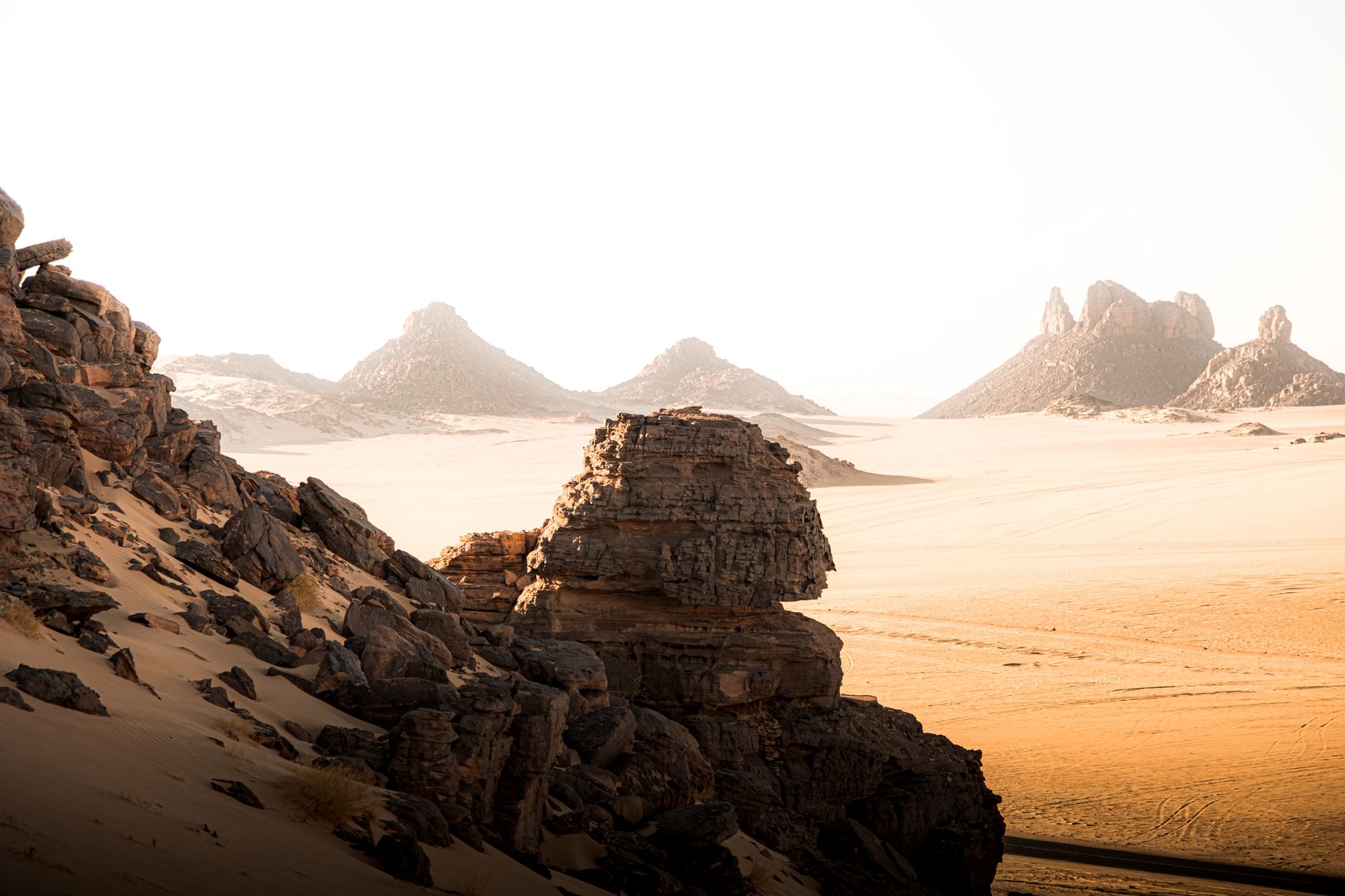
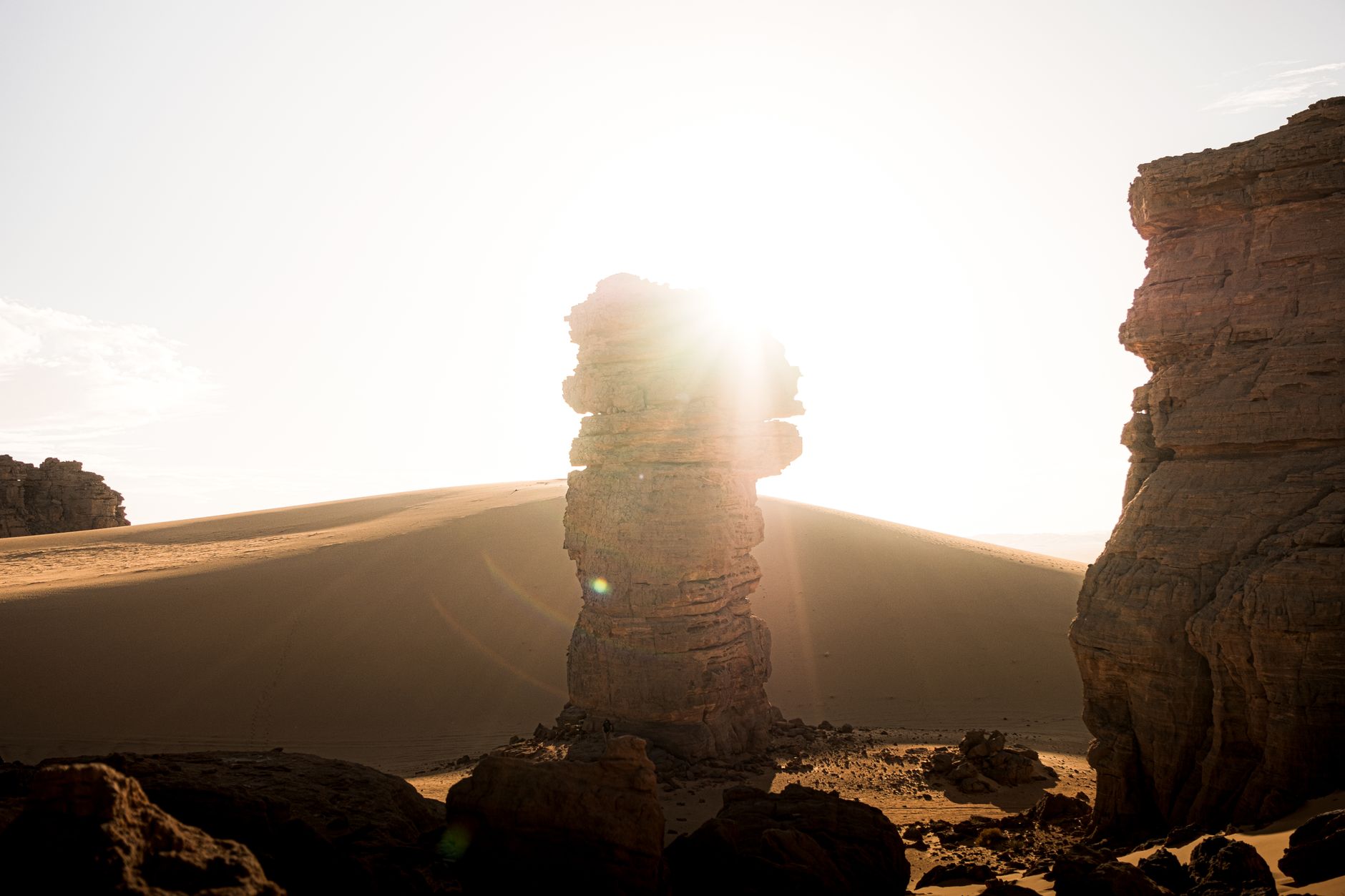
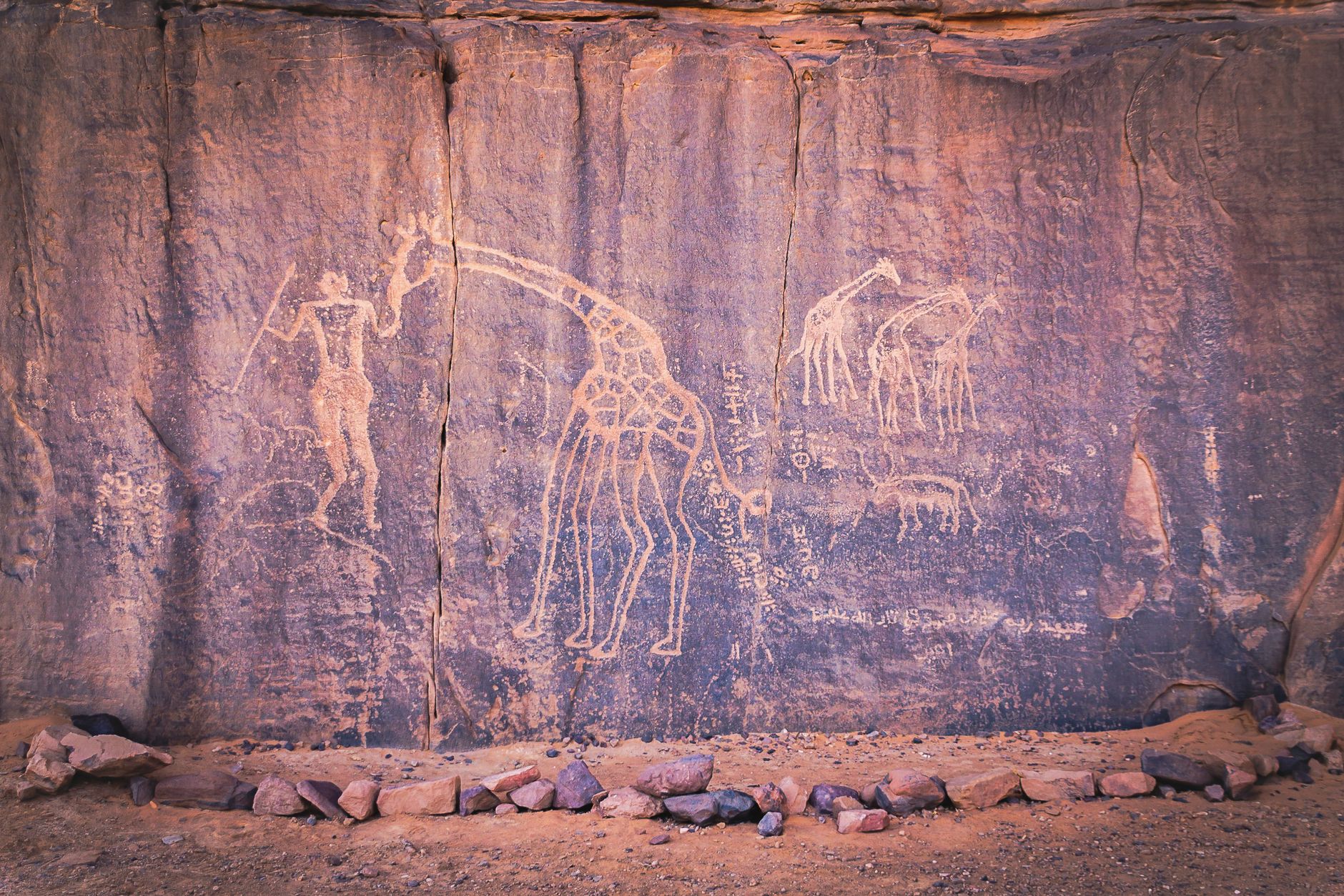
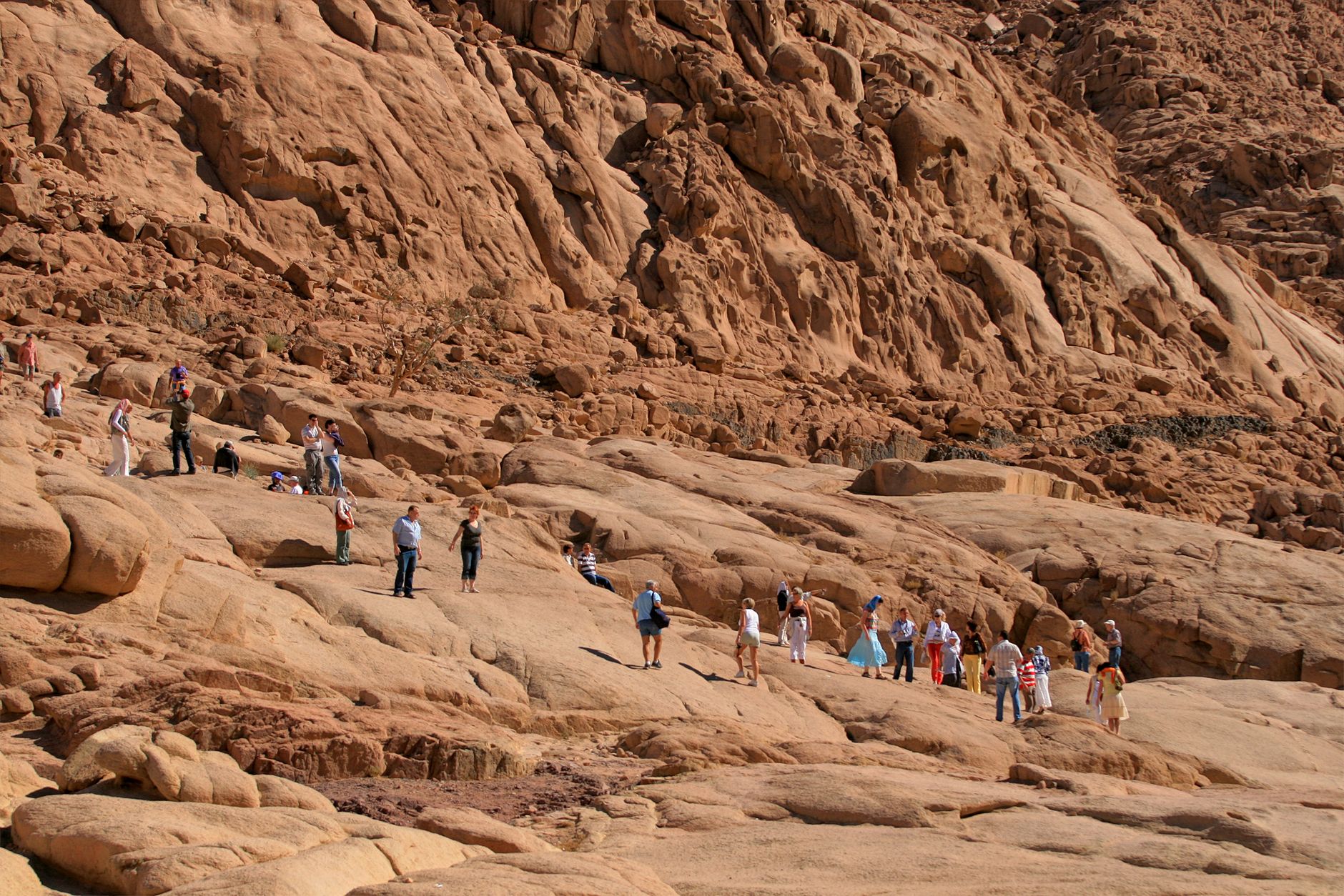
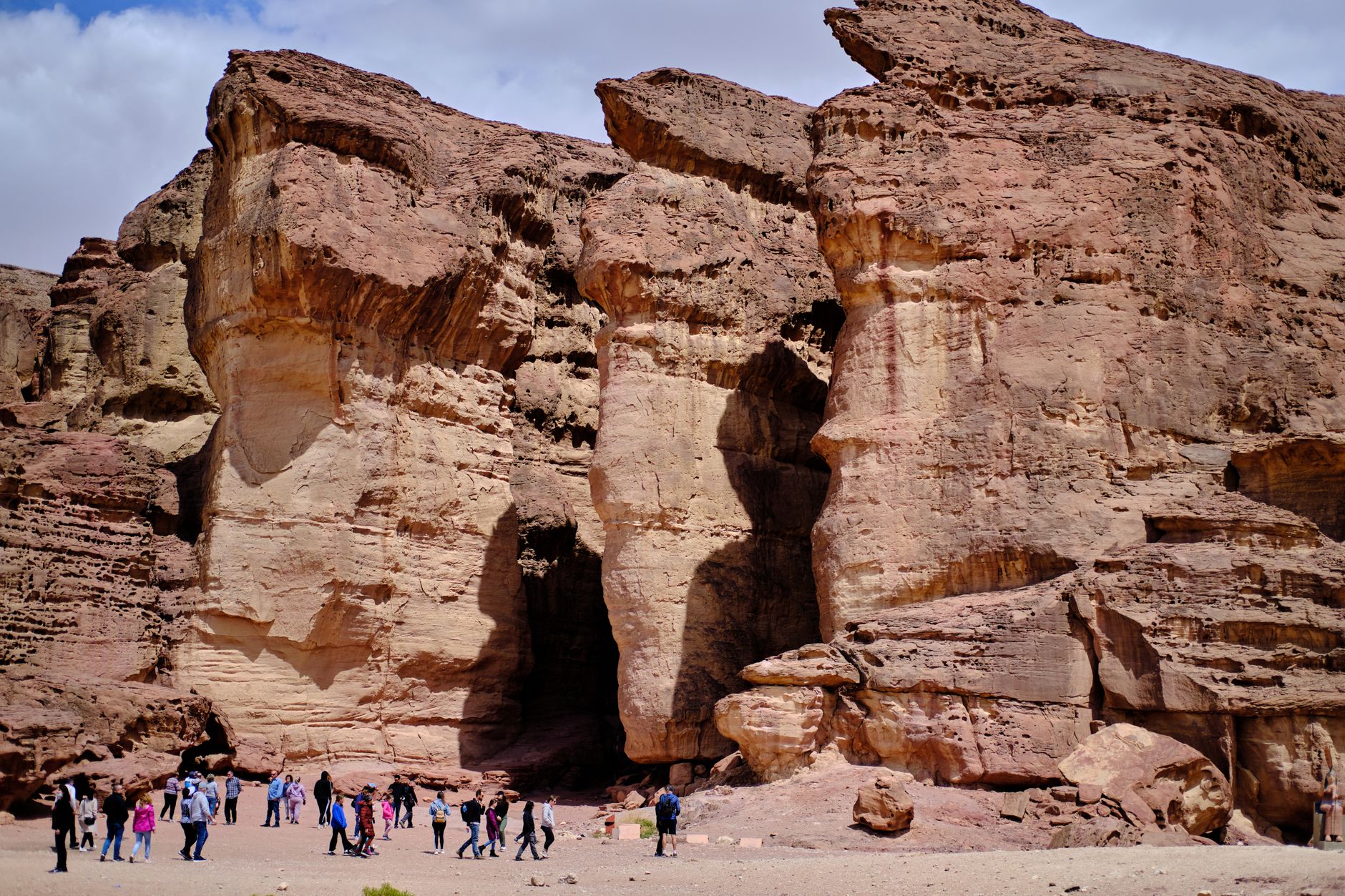
Stand at the edge of the Tassili n'Ajjer plateau and you are looking at rock art painted when this desert was a savannah — cattle herds, swimming figures, creatures that no longer exist in any form nearby. Djanet sits below that plateau in a valley threaded by palm groves and the dry bed of Wadi Idjeriou, a town of three ancient fortified villages that have slowly grown into one another over centuries.
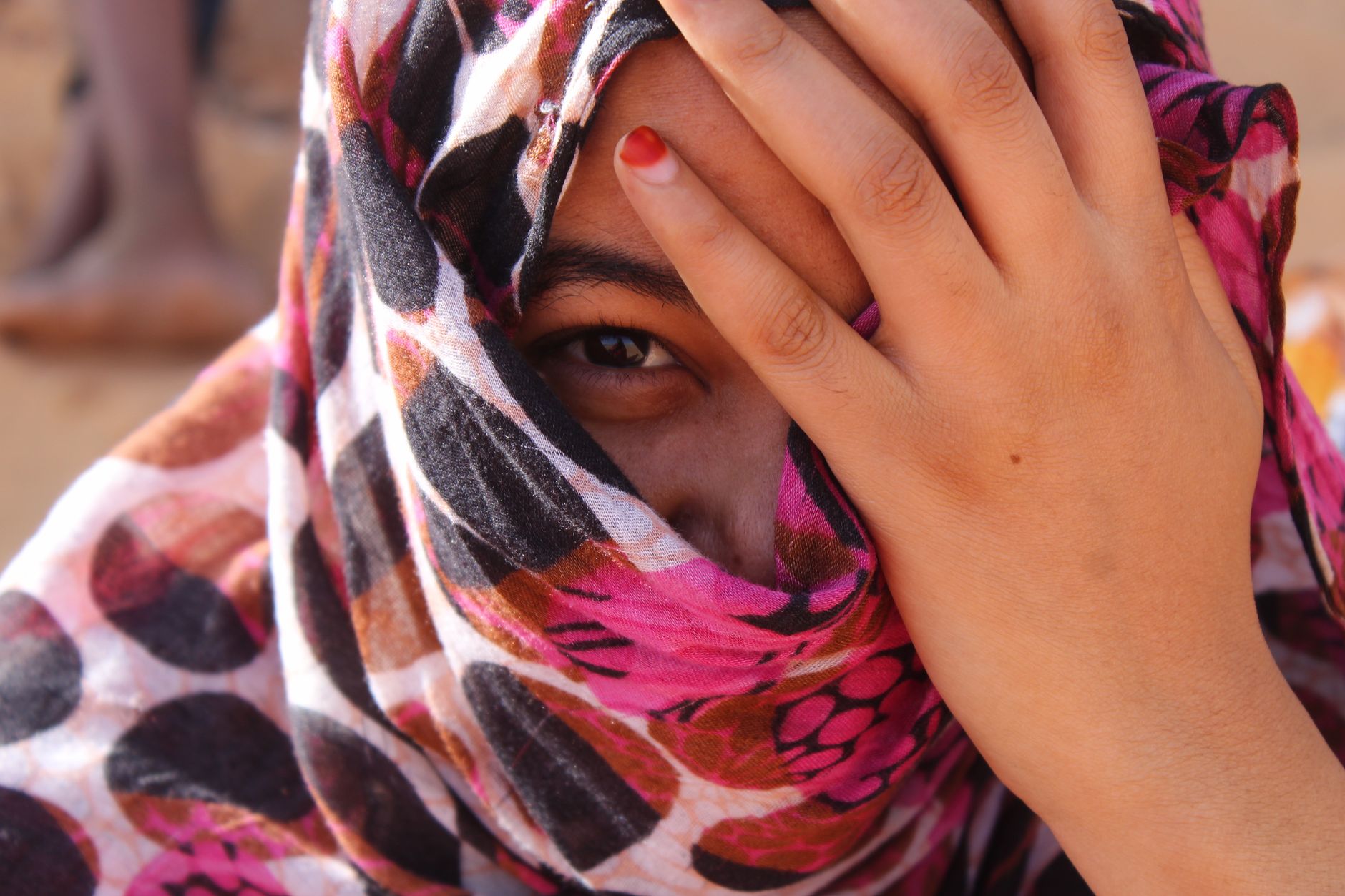
The Kel Ajjer Tuareg have always been the people of this place, and their presence shapes everything from the social calendar to the architecture of the old ksour. Over 15,000 prehistoric engravings and paintings survive in the surrounding park. That number is almost impossible to hold in your mind until you are standing in front of them.
💛 What travellers fall for
People who come back tend to say the same thing: they didn't budget enough time for Tassili. The Jabbaren Plateau alone takes a full day on foot, and the engraving known as the Crying Cow — a cow shedding human tears, estimated at 7,000 years old — is nowhere near the main trail. Book your guide before you arrive, not after.
Deals in Djanet
Book directly at the provider

How Djanet came to be
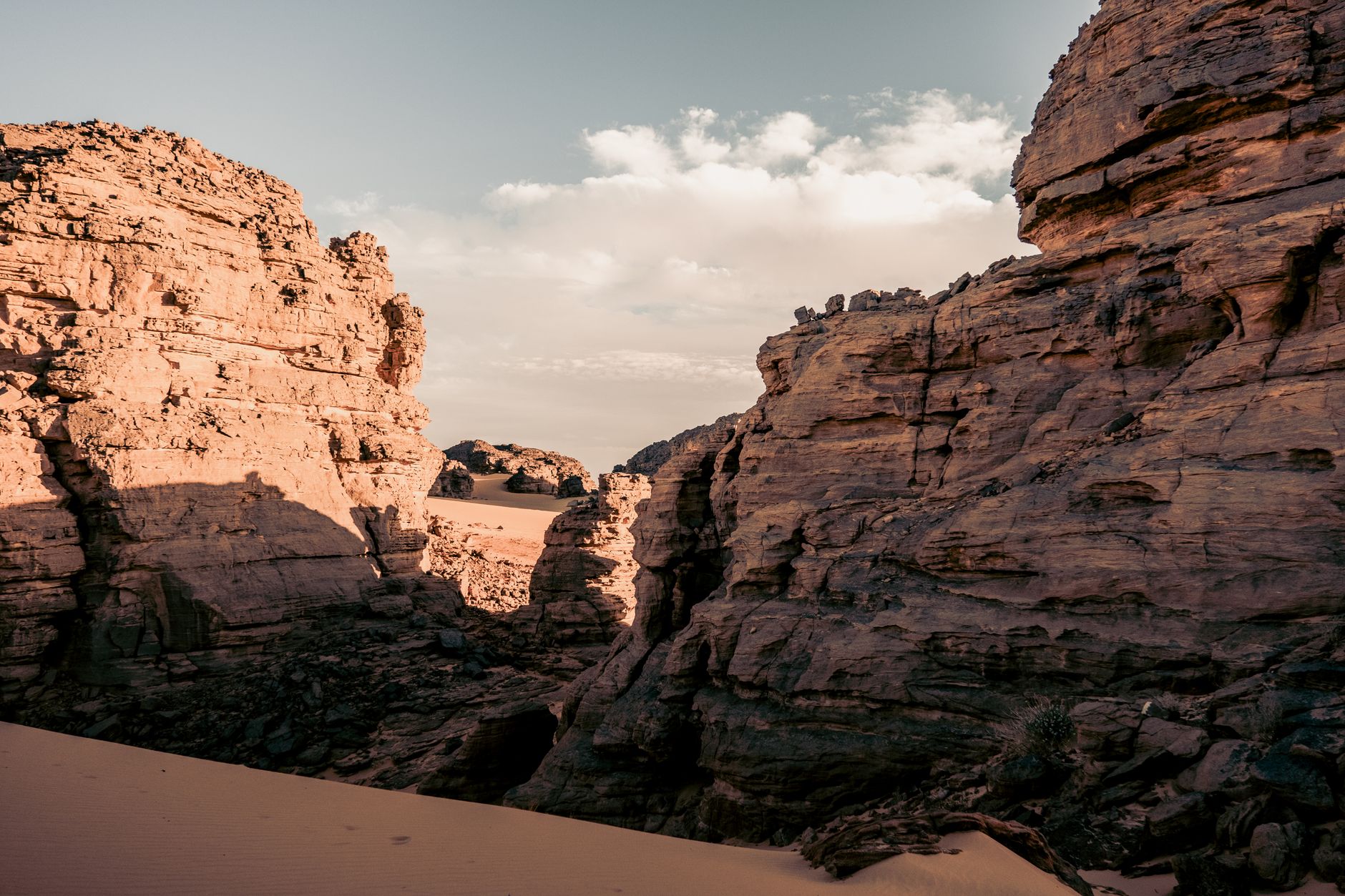
The land around Djanet has been occupied since the Neolithic, but the town itself took shape in the Middle Ages when the Kel Ajjer Tuareg established three distinct ksour — El Mihane, Zelouaz, and Adjahil — on the valley floor. Berber homes from the 16th century are considered the oldest surviving fabric of the settlement. French colonial administration renamed the place Fort Charlet, and Ottoman influence reached the region at the turn of the 20th century, adding another layer to a history that has never been simple.
Djanet remained administratively folded into larger Algerian provinces for most of the post-independence era. It was only on 26 November 2019 that Djanet Province was formally created, giving the town and its surrounding desert a recognised political identity of its own.
Who and what shaped it
Landmark buildings
See Djanet in motion
Plan your visit
On the map
When to go
The window from October to April is the one that matters: January highs sit around 19°C with nights that can fall to 4°C, cold enough to need layers in camp. By June the daytime temperature reaches 37°C and the desert becomes genuinely punishing — rainfall across the entire year averages just 14.6 millimetres, so the air is dry in every season.
Right now
Background & history adapted from Wikipedia (CC BY-SA) · specs from Wikidata (CC0) · weather from Open-Meteo · map data © OpenStreetMap contributors · photos from Wikimedia Commons / Unsplash with per-image credit. No third-party reviews or social posts reproduced.